

Understanding SEO Fundamentals
Definition of SEO
Search Engine Optimization, commonly referred to as SEO, is the practice of enhancing a website’s visibility on search engines like Google, Bing, and Yahoo. The ultimate goal is to ensure that the website ranks higher in search results, which leads to increased organic traffic. SEO encompasses various strategies and techniques aimed at understanding and satisfying search engine algorithms.
Let’s break it down:
- Keywords : The words and phrases users type into search engines. Identifying the right keywords is crucial for targeting your audience.
- Content Quality : Ensuring your content is valuable, relevant, and informative to engage users.
- Technical Aspects : This involves site speed, mobile optimization, and structured data, which all contribute to a better user experience.
The journey of understanding SEO begins here, and as one delves deeper into its importance, the fundamental role it plays in digital marketing becomes even more apparent.
Importance of SEO for Websites
The importance of SEO cannot be overstated in today’s digital landscape. Think about it: When was the last time you clicked beyond the first page of search results? Most people rarely do, which underlines how critical it is for businesses to appear at the top.
Here’s why SEO is vital for websites:
- Increased Traffic : Higher rankings lead to more visibility, translating to increased website traffic.
- Credibility and Trust : Ranking at the top positions builds credibility. Users associate higher rankings with reputable businesses.
- Cost-Effectiveness : Unlike paid advertising, organic traffic from SEO is free, making it a sustainable approach for long-term growth.
In my experience, applying effective SEO practices transformed a small blog into a platform that attracted thousands of visitors each month. By focusing on the right keywords and enhancing site content, the blog went from obscurity to prominence in a matter of months. This demonstrates the profound impact SEO can have on a website’s success.

On-Page SEO Optimization Techniques
Keyword Research and Analysis
Once you’ve grasped the fundamentals of SEO, the next step is mastering on-page optimization techniques, starting with keyword research and analysis. This is the cornerstone of any effective SEO strategy. By identifying the right keywords, you can focus your content on what your target audience is actively searching for.
Here are some steps to consider for keyword research:
- Utilize Tools : Tools like Google Keyword Planner, SEMrush, and Ahrefs can help identify high-traffic keywords relevant to your niche.
- Analyze Competition : Look at what keywords your competitors are ranking for. This can uncover opportunities you may have missed.
- Long-Tail Keywords: Don’t overlook long-tail keywords. They usually have less competition and cater to specific user intents.
As I learned while developing my own website, diving deep into keyword analysis felt tedious at first but paid off immensely when I noticed increased traffic to my blog.
Content Optimization Strategies
Once you’ve nailed down your keywords, it’s essential to optimize your content effectively. Great content is king, but SEO-friendly content is the emperor. Here are a few strategies:
- Use Keywords Naturally : Integrate keywords seamlessly in your headings, subheadings, and throughout the content.
- Create Engaging Headlines : Headlines should be catchy while including primary keywords to attract clicks.
- Incorporate Visuals : Using images, infographics, and videos not only enhances user engagement but can also improve SEO rankings.
I always found that breaking up long blocks of text with visuals made my content more digestible and appealing to readers.
Meta Tags and Descriptions
Finally, don’t underestimate the power of meta tags and descriptions. These are often the first things users see in search results, so they need to be compelling.
- Title Tags : Keep them under 60 characters, include primary keywords, and ensure they reflect the content accurately.
- Meta Descriptions : Aim for 150-160 characters. Write clear, enticing descriptions that offer a glimpse of what the page is about.
In my experience, crafting effective meta descriptions not only improved my click-through rates but also enhanced overall site visibility. By focusing on these on-page SEO techniques, you can create a foundation for increased traffic and improved ranking on search engines.
Off-Page SEO Strategies for Improved Ranking
As we shift from on-page optimization, it’s crucial to focus on off-page SEO strategies that significantly enhance a website’s authority and ranking. Off-page SEO encompasses techniques that occur outside of your website, and it’s just as important as your on-page efforts. Let’s dive into three key areas: backlink building, social media integration, and guest blogging.
Backlink Building and Analysis
Backlinks serve as a vote of confidence from one site to another. Essentially, when a reputable site links back to your content, it signals to search engines that your content is valuable. Here’s how to build effective backlinks:
- Quality Over Quantity : Focus on acquiring links from high-authority websites rather than just trying to accumulate a large number.
- Content Promotion : Share your best content with industry influencers; if they find it valuable, they may link back to it.
- Regular Analysis : Use tools like Moz or Ahrefs to analyze your backlink profile and identify potential toxic links that might harm your SEO.
In my journey, I found that reaching out to bloggers and industry leaders for backlinks not only improved my rankings but also opened doors for networking opportunities.
Social Media Integration for SEO
Social media plays a pivotal role in your off-page SEO strategy. Although social media signals aren’t direct ranking factors, they can drive traffic and enhance brand exposure. Consider these tactics:
- Share Your Content : Actively post your blog content on social media platforms to broaden reach.
- Engagement : Interact with your audience—respond to comments and messages. This organic interaction can lead to shares, increasing your visibility.
I’ve seen firsthand how a simple tweet about a new blog post led to a surge in traffic as followers shared it within their networks.
Guest Blogging and Outreach
Guest blogging is another effective off-page strategy that allows you to showcase your expertise while earning valuable backlinks. Benefits of guest blogging include:
- Building Authority : By contributing to established blogs in your niche, you position yourself as an expert.
- Audience Expansion : You tap into the host blog’s audience, driving new traffic back to your site.
When I began guest blogging, I noticed a significant spike in engagement on my own website. It became a channel for introducing my work to a broader audience and building lasting relationships within my industry.
By focusing on these off-page SEO strategies, you can enhance your site’s visibility and propel its ranking in search engine results. Each of these tactics contributes to a robust online presence that can lead to sustained success.
Technical SEO Factors Impacting Website Ranking
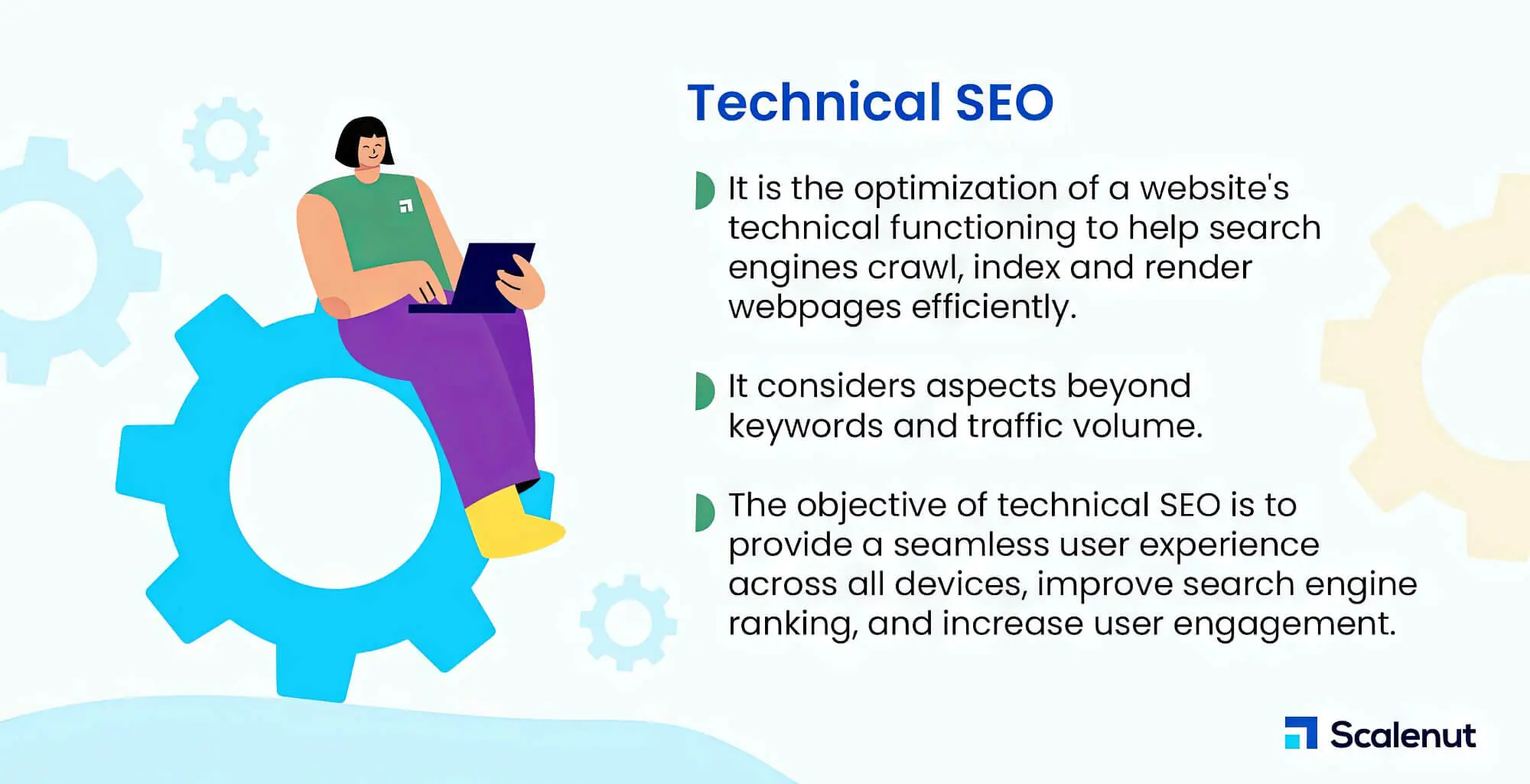
Having explored off-page strategies, it’s time to address technical SEO factors that can greatly influence a website’s ranking on search engines. These elements are crucial because they ensure that your site is effectively crawlable and user-friendly. Let’s look at three key areas: website speed and performance, mobile-friendliness, and site structure.
Website Speed and Performance
Website speed is a critical ranking factor. A slow-loading website frustrates users and can lead to increased bounce rates. Here are some tips to improve your website’s speed:
- Optimize Images : Ensure images are compressed and scaled appropriately to reduce loading times.
- Minimize HTTP Requests : Limit the number of elements on your page, as each one requires a server request.
- Use a Content Delivery Network (CDN) : A CDN can distribute your content across various servers globally, speeding up load times for users regardless of their location.
When I revamped my blog by implementing these speed optimization techniques, I saw a noticeable decrease in bounce rates and an increase in user engagement; it was a game-changer!
Mobile-Friendliness and Responsive Design
With the rise of mobile browsing, having a mobile-friendly site isn’t optional—it’s essential. Search engines prioritize mobile-responsive sites in their rankings. Consider these essentials for designing a responsive site:
- Fluid Grids : Use relative units like percentages rather than fixed units like pixels.
- Viewport Meta Tag : This tag ensures your site scales properly on different devices.
- Touch-Friendly Elements : Ensure buttons and links are easy to tap on mobile screens.
After transitioning to a responsive design, my website traffic from mobile users doubled, proving the importance of this approach.
Site Structure and Navigation
A well-organized site structure helps search engines crawl your website more efficiently, and it enhances the user experience. Consider these tips for effective site structure:
- Clear URL Structure : Use descriptive URLs that accurately reflect the page’s content.
- Logical Hierarchy : Organize content into categories and subcategories to facilitate easier navigation.
- Internal Linking : This can help users discover related content while also distributing page authority throughout your site.
In my experience, re-structuring my site navigation made it much easier for visitors to explore, resulting in longer time spent on the site and more pages viewed per visit.
By focusing on these technical aspects of SEO, you can significantly impact your website’s visibility and ranking, ensuring a solid foundation for all your digital efforts.

Local SEO Practices for Better Visibility
Continuing from the importance of technical SEO factors, let’s move to local SEO practices. If you’re a business aiming to attract customers in a specific geographic area, leveraging local SEO can make a significant difference. It helps enhance your visibility in local search results and connects you with your community. Here are three crucial components: Google My Business optimization, local citations and listings, and reviews and reputation management.
Google My Business Optimization
One of the most effective ways to improve local visibility is optimizing your Google My Business (GMB) listing. A well-optimized GMB listing can enhance your chances of appearing in local search results and Google Maps. Here’s how you can optimize it:
- Complete Information : Fill out all the information, including your business name, address, phone number, and website.
- Categories and Attributes : Choose the right business category and add relevant attributes (like “wheelchair accessible”) to increase the chances of appearing for specific searches.
- Regular Updates : Keep your profile updated with current hours, services, and special offers.
When I first optimized my GMB listing, I went from being invisible in local searches to receiving a steady stream of inquiries from nearby customers.
Local Citations and Listings
Citations—mentions of your business on other websites—are a foundational component of local SEO. Consistent local citations boost search engine confidence in your business’s legitimacy. Here are some steps to improve your local citations:
- Consistency is Key : Ensure your business information is consistent across all platforms, including Yelp, Yellow Pages, and local directories.
- Utilize NAP : Always include your Name, Address, and Phone number (NAP) in the same format to strengthen your presence.
I found that listing my business in relevant local directories not only improved my search presence but also helped potential customers find me more easily.
Reviews and Reputation Management
Finally, actively managing your online reviews can greatly impact your local SEO. Positive reviews enhance credibility and influence potential customers. Here’s how to handle reviews effectively:
- Encourage Feedback : After a positive interaction, ask satisfied customers to leave a review on Google or Yelp.
- Respond to Reviews : Engage with all reviews—thank customers for positive ones, and constructively address any negative feedback.
From my experience, engaging with customer reviews not only built trust but also helped me improve my services based on constructive feedback. As a result, I noticed an uptick in customer inquiries and conversions.
By implementing these local SEO practices, businesses can significantly enhance their visibility, attract more local customers, and cultivate a strong community presence. This local focus can create a loyal customer base that thrives on community support.

Measuring SEO Success with Analytics
Now that we’ve covered effective local SEO practices, it’s important to understand how to measure the success of all your efforts. Measuring SEO success is crucial for making informed decisions and optimizing your strategies. With the right tools and metrics in place, you can track your progress and refine your approach. Let’s explore Google Analytics for SEO tracking, key performance indicators (KPIs), and reporting and monitoring tools.
Google Analytics for SEO Tracking
Google Analytics is an essential tool for tracking website performance and user behavior. By setting up goals and events, you can better understand how your SEO strategies are influencing traffic and conversions. Here are some features to utilize:
- Traffic Sources : Analyze where your visitors are coming from—organic search, paid search, referrals, or social media.
- Behavior Flow : Understand how users navigate through your site, which can identify drop-off points that need attention.
- Site Speed Reports : Use this information to optimize your pages for better performance.
In my experience, leveraging Google Analytics helped me uncover that a considerable chunk of my traffic was coming from mobile devices. Adjusting my site design accordingly led to a better user experience and increased engagement.
Key Performance Indicators (KPIs) for SEO
Establishing KPIs can provide clear benchmarks for evaluating your SEO success. Here are a few critical KPIs to monitor:
- Organic Traffic : The number of visitors coming from search engines indicates how well your SEO efforts are working.
- Bounce Rate : A high bounce rate might suggest that visitors aren’t finding what they expected.
- Conversion Rate : Track how many visitors complete desired actions, such as signing up for a newsletter or making a purchase.
When I started tracking these KPIs, I noticed patterns that allowed me to make data-driven adjustments to my content strategy, ultimately boosting conversions.
Reporting and Monitoring Tools
Beyond Google Analytics, several tools can further aid in monitoring your SEO performance:
- SEMrush : This tool provides insights into your organic search rankings, backlinks, and even competitor analysis.
- Ahrefs : Known for its backlink analysis capabilities, it’s also excellent for tracking keyword rankings.
- Google Search Console : This helps you monitor search performance and identify indexing issues.
Using a combination of these tools, I was able to generate detailed reports that clarified areas of improvement and informed my SEO strategy. Having a comprehensive view of your site’s performance allows for continual optimization and success.
By monitoring these analytics and metrics, you’ll be better equipped to understand the effectiveness of your SEO initiatives and make necessary adjustments to drive further success. Reassessing your strategy based on data can elevate your online presence and ensure that your efforts yield meaningful results.
Advanced SEO Strategies and Trends
Building on the foundation of measuring SEO success, it’s time to explore advanced strategies and emerging trends that can help elevate your SEO game further. As search engines evolve, staying ahead of the curve is crucial. Let’s delve into voice search optimization, featured snippets, and the increasing role of artificial intelligence in SEO.
Voice Search Optimization
With the rise of smart speakers and voice-activated devices, voice search has become a significant trend that cannot be ignored. Optimizing for voice search means anticipating how people phrase their queries when speaking. Here’s how to approach it:
- Use Natural Language : Focus on creating content that mimics natural conversational language.
- Answer Questions : Incorporate common questions into your content to cater to voice search queries.
- Local SEO : Given that many voice searches have local intent, optimize for location-based keywords, such as “best coffee shop near me.”
When I started adjusting my content for voice search, I noticed an increase in site visits from mobile users who preferred asking questions instead of typing them out.
Featured Snippets and Rank Zero
The quest for “Rank Zero” refers to capturing the featured snippets that appear above all organic search results. Snippets are prime real estate for driving traffic and enhancing visibility. Here’s how you can target them:
- Concise Answers : Provide clear, concise answers to common questions in your niche.
- Structured Data : Use schema markup to help search engines understand your content better, making it easier to be featured.
- Bullet Points and Lists : Format your content using bullet points or numbered lists to increase the chances of being picked by Google.
In my own blogging experience, targeting featured snippets for critical questions significantly boosted my click-through rates.
Artificial Intelligence in SEO
Finally, the influence of artificial intelligence in SEO is growing faster than ever. From algorithms that adjust to user behavior to content creation tools, AI is reshaping SEO. Here’s what to consider:
- Content Generation : AI tools can analyze popular trends and help create content tailored to your audience’s needs.
- Predictive Analytics : Utilize AI to predict fluctuations in search trends, allowing you to adapt your strategies proactively.
- Personalization : AI helps personalize user experiences based on their browsing history, increasing engagement.
As I explored AI tools for content creation, I found that they significantly streamlined my writing process, allowing me to focus more on strategy and audience engagement.
By leveraging these advanced SEO strategies and staying attuned to upcoming trends, you can ensure your website remains competitive in an ever-evolving digital landscape. Embracing these innovative approaches will not only enhance visibility but also position you as a forward-thinking leader in your field.
Conclusion and Key Takeaways
As we wrap up our exploration of SEO, it’s essential to reflect on the key insights and strategies we’ve discussed. From understanding the basics to adopting advanced techniques, mastering SEO is a multifaceted journey that requires consistent effort and adaptation.
Recap of Essential SEO Tips
Throughout this guide, we’ve covered several crucial SEO practices that can make a significant difference in your online visibility:
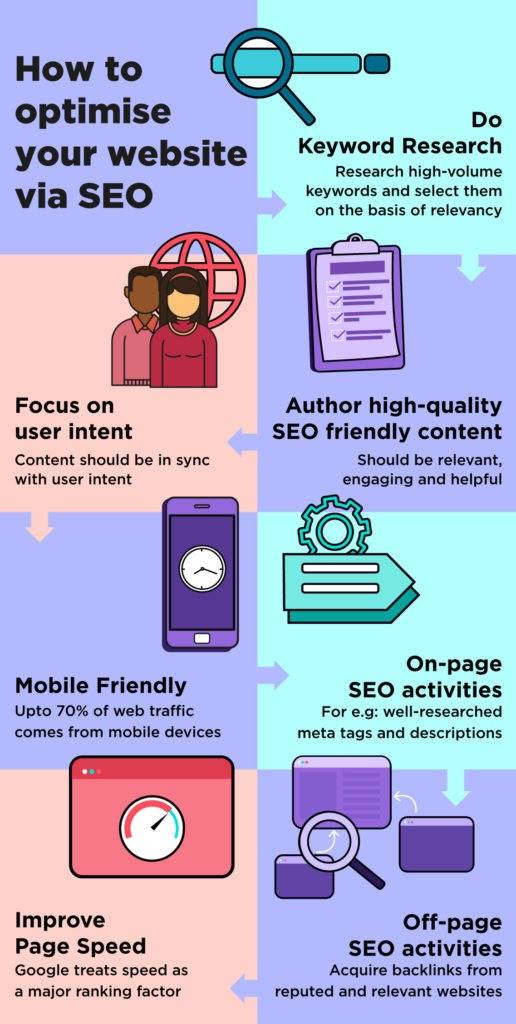
- Keyword Research : Identifying and employing the right keywords in your content can connect you with your target audience effectively.
- On-Page Optimization : Techniques like content optimization, meta tag usage, and internal linking are foundational for improving search rankings.
- Backlink Building : Cultivating high-quality backlinks enhances your site’s authority, contributing to better positioning in search results.
- Local SEO Practices : Google My Business optimization and citations are vital for businesses targeting local customers.
- Analytics Tracking : Utilizing tools like Google Analytics allows you to measure your progress and refine your strategies based on real performance data.
Looking back at my own experiences, implementing these tips led to noteworthy improvements in traffic and engagement, underscoring their effectiveness.
Future of SEO and Adaptation Strategies
As we look ahead, the landscape of SEO continues to evolve, driven by technological advancements and changing user behavior. Here are some strategies to stay adaptable:
- Embrace New Technologies : Be open to leveraging AI tools for content creation and optimization.
- Stay Current : Regularly update your SEO knowledge to keep pace with algorithm changes and emerging trends like voice search.
- Focus on User Experience : Prioritize providing valuable content and seamless site interactions to meet the expectations of modern users.
In my ongoing SEO journey, adapting to these changes has been instrumental in sustaining my website’s growth. By staying informed and flexible, you can position your site for continued success in the dynamic digital landscape of tomorrow.
In conclusion, SEO is not a one-time effort but rather an ongoing commitment to enhancing your online presence. By incorporating these essential tips and being prepared for future trends, you can ensure that your SEO strategies remain effective and impactful.