
Introduction
Defining Interlinking SEO Techniques
Interlinking SEO techniques refer to the practice of linking different pages within a website to one another. This strategy enhances site navigation, improves the flow of content, and plays a crucial role in boosting a website’s overall search engine optimization (SEO).
By effectively interlinking pages, website owners can guide users through their content while also providing search engines with clear pathways to index important pages. It’s like creating a web of connections that enhances the user experience and optimizes the site’s visibility in search results.
Significance of Interlinking for Website Ranking
The significance of interlinking for website ranking cannot be overstated. Here are a few reasons why it matters:
- Improved SEO Performance : Well-executed interlinking helps distribute page authority and ranking potential throughout the site.
- Enhanced User Experience : It encourages visitors to explore more content, leading to longer time spent on the site and lower bounce rates.
- Better Crawlability : Search engines rely on links to discover and index content effectively. Consistent interlinking makes your site more crawl-friendly.
For instance, a website about cooking can interlink recipes, cooking tips, and equipment guides, creating a cohesive user journey. Thus, the integration of strategic interlinking into an SEO plan is not just beneficial; it’s essential for sustainable online visibility.
Fundamentals of Interlinking
Types of Interlinks (Internal vs. External)
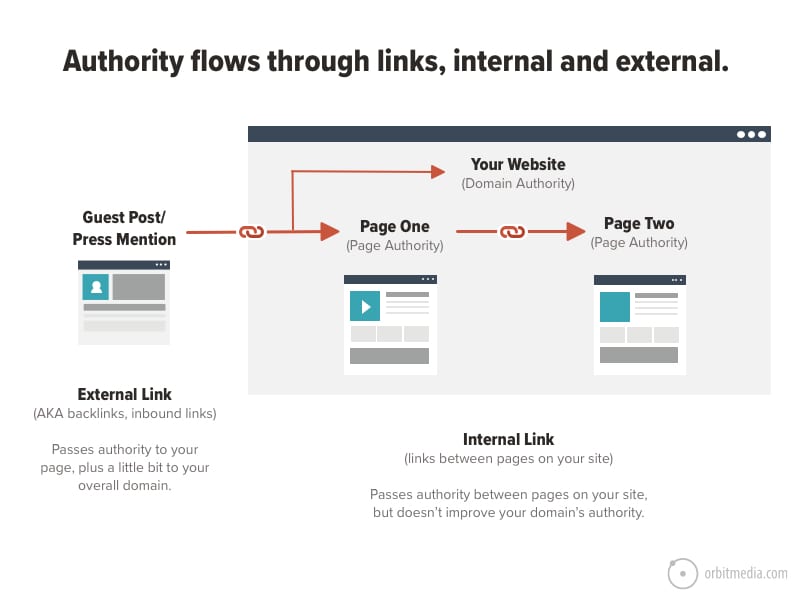
Understanding the types of interlinks is crucial when developing an effective SEO strategy. There are two primary categories: internal links and external links.
- Internal Links : These are hyperlinks that connect different pages within the same website. For instance, if a fashion blog includes a link from a dress styling post to another on shoe trends, that’s an internal link. Internal linking is vital for:
- Guiding visitors to relevant content
- Distributing page authority across the site
- Creating a logical site structure that enhances usability
- External Links : These point to pages on different domains. For example, when a health blog references a government health guideline by linking to it, that’s an external link. Utilizing reputable external links can:
- Increase credibility and reliability of your content
- Provide additional resources to users, enhancing their experience
Anchor Text Optimization
Having a grasp on anchor text optimization is the next step. Anchor text is the clickable text in a hyperlink, and what you choose can significantly influence both user engagement and SEO performance.
- Descriptive and Relevant : Use anchor text that clearly describes the linked content. Instead of using “click here,” try “learn about sustainable fashion” for more context.
- Diversity : Avoid repetitive phrases. Using varied anchors helps search engines understand the content’s relevance and context better.
- Natural Integration : Ensure anchor texts flow naturally within the content. This doesn’t just improve readability; it also enhances the link’s effectiveness.
For example, a well-optimized article might have an anchor like “See our guide on healthy eating” linking to a detailed nutrition article. Emphasizing anchor text optimization along with understanding interlink types can dramatically enhance both SEO and user experience.

Benefits of Interlinking for SEO
Improved Indexing by Search Engines
One of the primary benefits of interlinking is improved indexing by search engines. When you create a network of internal links within your site, you provide search engine crawlers with a clearer path to follow. This interconnected web allows them to discover new content more efficiently and index it faster.
- Crawl Efficiency : Instead of searching for pages randomly, search engines can move seamlessly from one link to another, ensuring that all your important pages get the attention they need.
- Priority Pages : By strategically placing links, you can signal which pages are most important, allowing search engines to prioritize those during indexing.
Imagine having a well-structured library where all the books are connected with pathways – it’s easier for readers (and search engines) to locate specific information without unnecessary searching.
Enhanced User Experience and Engagement
Interlinking significantly enhances user experience and engagement, which are crucial for keeping visitors on your site longer. When users find it easy to navigate between related content, they’re more likely to explore further.
- Engagement Boost : Linking related articles encourages users to read more, increasing their time on site and reducing bounce rates.
- Content Discovery : It allows users to discover relevant topics without having to return to the homepage or search bar, making their browsing experience more enjoyable.
For instance, a travel blog that links its posts on “Best Beaches” with “Top-Rated Resorts” not only helps the reader but also engages them with more content they’re interested in. By enhancing user experience through interlinking, websites not only build loyalty but also signal to search engines that they provide valuable content, ultimately benefiting SEO.
Implementing Effective Interlinking Strategies
Creating a Hierarchical Site Structure
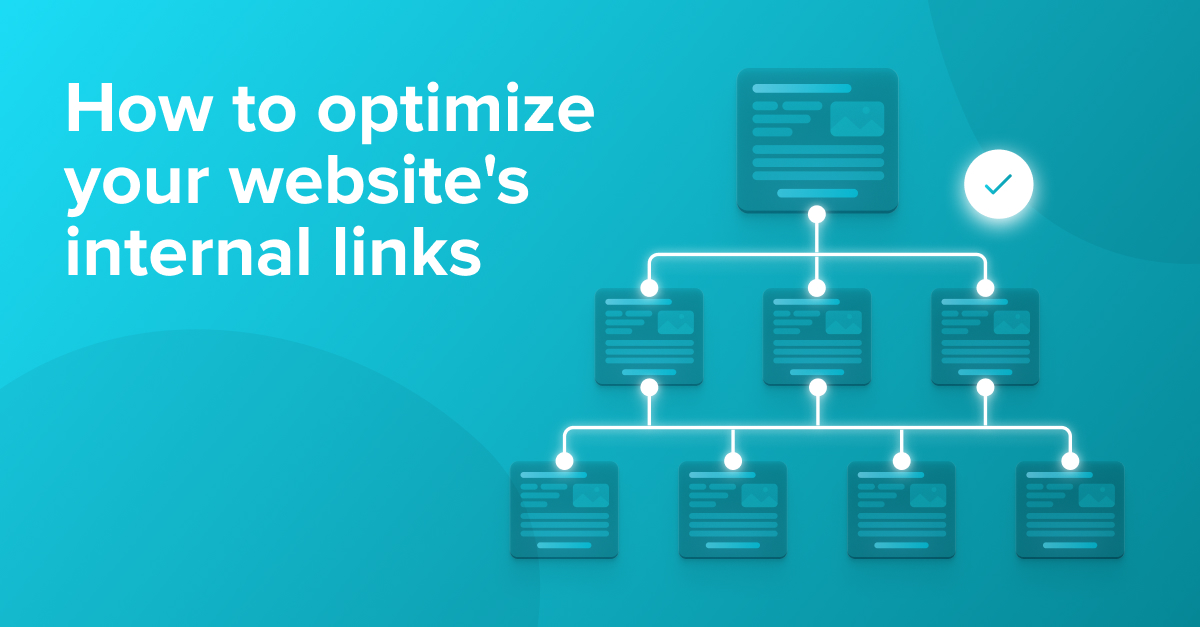
To maximize the benefits of interlinking, it’s essential to create a well-organized hierarchical site structure. This layout not only helps search engines better understand your content but also guides visitors through their journey on your site.
- Top-Down Approach : Start with broad categories on your homepage, linking to more specific subcategories. For instance, if you have a blog about fitness, your hierarchy might look something like this:
- Homepage: Fitness
- Category: Nutrition
- Subcategory: Healthy Recipes
- Subcategory: Meal Plans
- Category: Workouts
- Subcategory: Strength Training
- Subcategory: Cardio Routines
- Category: Nutrition
- Homepage: Fitness
This structure allows both users and search engines to navigate seamlessly, promoting better content discovery.
Utilizing Relevant Anchor Text
Equally crucial in your interlinking strategy is the optimization of anchor text. Using relevant anchor text not only enhances usability but also boosts your SEO efforts.
- Be Descriptive : Choose anchor texts that provide context about the linked page. For example, instead of “read more,” try “discover our top workout tips” – it’s more informative and engaging.
- Keep It Natural : Integrate anchor text smoothly within your content. For instance, in a nutrition article, you might say, “To complement your meals, check out our healthy snack ideas.” This way, the link feels like a natural part of the conversation.
By effectively implementing a hierarchical structure and optimizing anchor texts, websites can significantly elevate their interlinking strategies. These efforts not only enhance user experience but also foster better relationships with search engines, paving the way for improved rankings.
Tools and Resources for Interlinking
Plugins and Tools for Interlinking Optimization
To streamline your interlinking efforts, leveraging the right plugins and tools can make a world of difference. Many platforms offer resources specifically designed to enhance interlinking strategies, particularly for WordPress users.
- Yoast SEO : This popular plugin not only helps with overall SEO but also recommends relevant internal links as you create new content. A built-in feature makes it simpler to enhance the internal linking structure without much hassle.
- Link Whisper : This tool provides intelligent link suggestions while you write, enabling you to introduce contextual internal links effortlessly. It’s like having a personal assistant who keeps your interlinking game strong!
Utilizing these tools can help you maintain a consistent interlinking strategy without overwhelming workload.
Monitoring and Analyzing Interlinking Performance
Once you’ve implemented your interlinking strategy, monitoring and analyzing its performance becomes crucial. Knowing how well your links are performing can help adjust your approach.
- Google Analytics : Track metrics like page views, bounce rates, and the average time users spend on pages with interlinks. A noticeable increase in these metrics often signifies a successful interlinking strategy.
- Ahrefs or SEMrush : Utilize these tools to analyze inbound and outbound links. They provide valuable insights into how your links impact your SEO rankings and overall site authority.
For example, after monitoring interlink performance, you may find that certain pages drive significantly more traffic when linked, prompting you to interlink more related content. By using plugins for optimization and analytics tools for monitoring, website owners can refine their interlinking strategies effectively, leading to enhanced user engagement and improved SEO performance.
Measuring and Monitoring Interlinking Success
Tracking Changes in Organic Traffic
Once you’ve implemented your interlinking strategy, tracking changes in organic traffic is a vital step in measuring success. This data provides insights into how well your linked content is performing in driving visitors to your site.
- Google Analytics : A powerful tool for monitoring organic traffic, Google Analytics allows you to segment traffic sources and gauge how changes in interlinking influence overall site visits.
- Keep an eye on metrics such as:
- Sessions : Are your visitors increasing?
- Page Views : Are interlinked pages gaining more exposure?
- Bounce Rate : Are visitors staying on pages longer?
- Keep an eye on metrics such as:
For example, after interlinking blog posts within a specific category, you might notice a spike in traffic to those pages, indicating that users are engaging more with related content.
Analyzing the Impact on Keyword Rankings
Assessing the impact of your interlinking strategy on keyword rankings is equally essential. By understanding which keywords increase in ranking, you can refine and enhance your interlinking approach.
- SEO Tools : Utilize platforms like SEMrush or Ahrefs to track your targeted keywords before and after implementing interlinks.
- Look for:
- Improvements in Rankings : Which keywords have moved up in SERP positions?
- Click-Through Rates (CTR) : Are more users clicking on your pages linked with those keywords?
- Look for:
By continuously monitoring organic traffic and keyword rankings, website owners can fine-tune their interlinking strategies, ensuring that they facilitate not just better navigation and user experience, but also improved visibility in search results. This iterative process fosters growth and maximizes the impact of interlinking methods.
Common Mistakes to Avoid in Interlinking
Over-Optimizing Anchor Text
One common pitfall in interlinking strategies is over-optimizing anchor text. While descriptive anchor text can enhance SEO, cramming it with keywords can have the opposite effect and appear spammy.
- Keyword Stuffing : Using the same optimized phrases repetitively can lead to diminished user trust and lower search engine rankings. For example, if a travel blog consistently uses “best travel tips” as anchor text for every link, it may raise red flags with search engines.
- Natural Flow is Key : Aim for a balance where the anchor text feels organic within the context. A statement like “For more advice, check out our travel essentials guide,” is both engaging and informative without overembellishing on keywords.
Ignoring User Experience in Interlinking
Another critical mistake is ignoring user experience in interlinking practices. While the technical aspects of interlinking are important, your primary goal should always be the visitor’s journey.
- Prioritize Context : Links need to provide value to users. Linking to irrelevant content can confuse or frustrate visitors. For example, linking an article on “Healthy Cooking” to “Travel Destinations” instead of similar topics might lead to disengagement.
- Cluttered Navigation : Too many links within a single piece of content can overwhelm readers. It’s essential to limit links to only the most relevant resources, allowing users to focus without feeling lost.
By avoiding these mistakes—over-optimizing anchor text and neglecting user experience—webmasters can significantly enhance the effectiveness of their interlinking strategy. This balance ultimately leads to better user engagement and improved SEO outcomes, creating a win-win situation for both visitors and search engines.
Incorporating Interlinking into Your SEO Strategy
Integrating Interlinking with Content Marketing
Successfully incorporating interlinking into your SEO strategy requires a seamless integration with your content marketing efforts. When creating new content, it’s essential to think strategically about how your articles interconnect.
- Content Planning : Before drafting a piece, outline how it can link to existing content. For example, if you’re writing a blog about “Seasonal Skincare Routines,” think about linking to past articles on “Summer Skincare Tips” and “Best Moisturizers for Winter.” This not only enriches the current content but also drives traffic to other pieces.
- Content Updates : When refreshing older content, interlink to newer articles, creating a pathway for readers to view your most recent insights. This practice shows both search engines and users that your content is current and valuable.
Leveraging Interlinking for Long-Term SEO Growth
Interlinking is not just a tactical move; it can be a powerful tool for long-term SEO growth. The cumulative effect of a strong interlinking strategy can lead to sustained rankings and increased visibility.
- Content Authority : By strategically connecting related articles, you establish your website as a reliable source on specific topics. This not only builds authority but also encourages search engines to rank your pages higher.
- Sustained Traffic : Over time, consistent interlinking can lead to organic traffic growth. As more visitors find value in your interconnected content, they are more likely to return. For instance, revisiting that skincare routine guide with links to product recommendations can establish a loyal readership dedicated to your insights.
By integrating interlinking with your content marketing and leveraging its potential for long-term growth, you create a solid foundation for durable SEO success. Effective interlinking not only enhances user experience but also cultivates a thriving online presence, setting the stage for continued growth and engagement.
Case Studies and Examples of Successful Interlinking
Success Stories of Websites Implementing Interlinking Strategies
Several websites have effectively harnessed the power of interlinking to enhance their visibility and user engagement. One notable example is a popular cooking blog, which experienced significant growth in both traffic and user retention by employing a strategic interlinking approach.
- Recipe Interconnections : By linking related recipes, such as pairing a baking recipe with suggested toppings, they saw a 30% increase in average page views per session.
- Category Linking : The blog also created a hierarchical category structure, which improved site navigation and encouraged users to explore more content in a single visit.
Similarly, a personal finance website revamped its internal linking strategy by connecting articles about credit scores with budgeting tips and debt consolidation advice. This resulted in a noticeable jump in user engagement and a reduction in bounce rates, illustrating the practical benefits of well-executed interlinking.
Demonstrating the Impact on Search Engine Rankings
The impact of effective interlinking can also be seen in measurable changes to search engine rankings. For instance, after implementing an interlinking strategy, an e-commerce site focused on home goods improved its visibility for targeted keywords related to specific products.
- Keyword Ranking Improvements : Several product pages that previously ranked on the second or third page of search results moved to the first page thanks to increased authority from strategically placed internal links.
- Traffic Growth : This ranking boost resulted in a 50% increase in organic traffic over six months, demonstrating the profound effect that interlinking can have on SEO.
These case studies highlight how thoughtful interlinking not only drives user engagement but also enhances search rankings, providing a roadmap for others looking to amplify their online presence. By taking inspiration from these success stories, website owners can strategically implement interlinking practices to foster their own growth and visibility.

Conclusion and Final Thoughts
Recap of Key Takeaways from Interlinking SEO Techniques
As we wrap up our exploration of interlinking SEO techniques, it’s important to highlight the key takeaways that can help enhance your website’s performance. Interlinking functions as a bridge within your content, guiding both users and search engines alike.
- Types of Interlinks : Understanding the distinction between internal and external links is fundamental for effective strategy development.
- Anchor Text Optimization : Crafting descriptive and relevant anchor texts can improve both usability and your site’s SEO.
- User Experience : Focusing on user engagement ensures that links are not just plentiful but also meaningful.
By integrating these aspects into your site’s structure, you establish a strong foundation for SEO success.
Tips for Continued Success in Website Ranking
Moving forward, here are some actionable tips for maintaining and enhancing your website ranking through interlinking:
- Regularly Update Content : Keep your content fresh and relevant by revisiting older posts and linking them to new articles.
- Monitor Performance : Utilize analytics tools to track the success of your interlinking strategies and make adjustments as needed.
- Stay User-Centric : Always prioritize the user experience. Ask yourself if your links add real value to your visitors.
By continually refining your interlinking strategy and focusing on both quality and relevance, you set your website up for sustained growth and improved visibility in search results. Embrace the power of interlinking, and watch your site flourish!