
Understanding SEO Fundamentals
The Basics of SEO
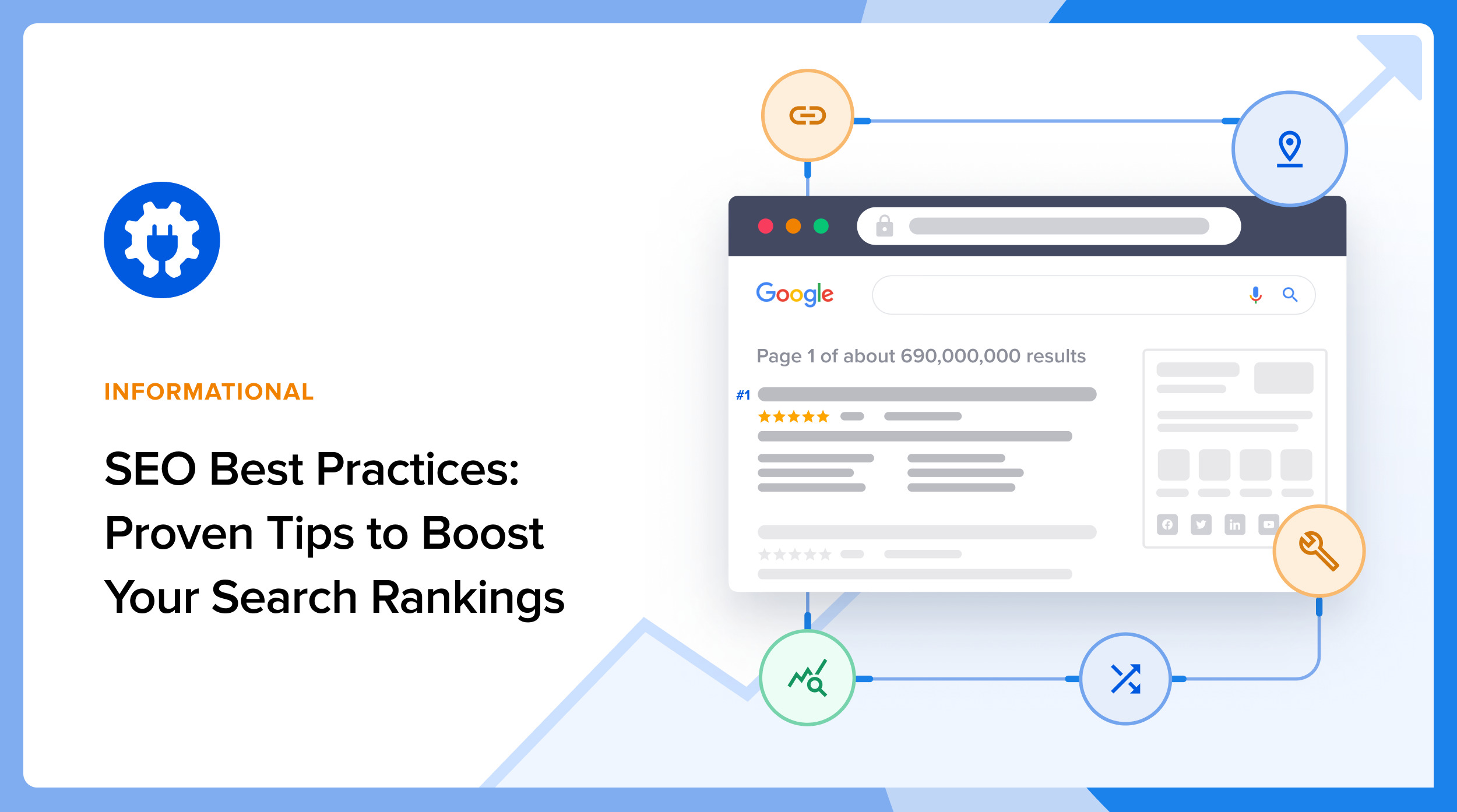
At its core, Search Engine Optimization (SEO) is the process of optimizing a website to rank higher in search engine results, thereby increasing organic traffic. It encompasses various strategies and techniques aimed at making a website more appealing to search engines.
When breaking down the basics of SEO, one can consider a few fundamental components:
- Keyword Research : Identifying the terms and phrases users are searching for is crucial. Tools like Google Keyword Planner can aid in discovering keywords relevant to your niche.
- On-Page Optimization : This involves optimizing individual web pages to improve their rankings. Elements such as title tags, meta descriptions, and headings play a vital role here.
- Technical SEO : Focusing on the site’s backend, technical SEO ensures that search engines can crawl and index your content effectively. This includes optimizing site speed, mobile-friendliness, and ensuring a structured URL format.
- Off-Page SEO : This refers to activities done outside the website, such as building backlinks from reputable sites which enhance your domain authority.
Incorporating these elements effectively can set a solid groundwork for any successful SEO strategy.
Importance of SEO in Digital Marketing
SEO holds a pivotal position in the digital marketing landscape for several reasons. For one, it complements all other marketing channels. Imagine launching an ad campaign but lacking an SEO-optimized landing page; the conversion potential could drastically diminish.
The benefits of embracing SEO in digital marketing include:
- Increased Visibility : A website optimized for search engines reaches a broader audience, making it easier for potential customers to find your business.
- Cost-Effectiveness : Compared to paid advertising, organic SEO tactics can yield long-term results without ongoing costs.
- User Experience : SEO encourages creating valuable content and optimizing website speed, which enhances user satisfaction.
In the digital age, harnessing the power of SEO is not just beneficial but essential for standing out and driving sustainable business growth.

Advanced Keyword Research Techniques
Long-tail Keywords and Their Significance
As the SEO journey progresses, diving into advanced keyword research techniques becomes essential. One effective strategy is utilizing long-tail keywords. These are longer, more specific phrases often consisting of three or more words that target niche audiences.
For example, instead of targeting the broad keyword “shoes,” you might focus on “women’s running shoes for flat feet.” This approach yields several benefits:
- Higher Conversion Rates : Users searching for specific terms are often further along in their buying journey, which can lead to higher conversion rates.
- Lower Competition : Long-tail keywords typically have less competition than their shorter counterparts, making it easier to rank higher in search results.
- Targeted Traffic : By addressing the specific needs of niche audiences, businesses can attract visitors who are more likely to engage with their content.
In my experience, tweaking content to include long-tail keywords significantly boosted my website’s visibility and engagement rates.
Leveraging Latent Semantic Indexing (LSI) Keywords
Another powerful tool in the keyword research arsenal is leveraging Latent Semantic Indexing (LSI) keywords. These are terms that are semantically related to your primary keywords, enhancing the context and relevance of your content.
For instance, if your main keyword is “digital marketing,” LSI keywords might include “SEO,” “social media strategy,” or “content marketing.” Using LSI keywords can:
- Improve Content Relevance : Search engines can better understand your content’s context, helping it rank higher.
- Enhance User Experience : Providing a richer variety of keywords helps address a wider range of user queries, improving engagement.
- Broaden Keyword Reach : By incorporating LSI keywords, you can capture traffic from related searches that might not be directly tied to your primary keywords.
Adopting these advanced keyword research techniques can lead to more refined SEO strategies, allowing businesses to rise above competitors and connect with their target audience more effectively.
On-Page Optimization Strategies
Crafting SEO-friendly Content
With effective keyword research under your belt, the next step involves on-page optimization strategies. A crucial component of this is crafting SEO-friendly content. This means creating high-quality, relevant content that resonates with both search engines and human readers.
To start, remember these key elements:
- Keyword Placement : Integrate primary and secondary keywords naturally within your content. Use them in headings, subheadings, and throughout the body. Just ensure it flows well and doesn’t feel forced.
- Engaging Meta Descriptions : These short snippets inform searchers about your page’s content. A compelling meta description can significantly improve click-through rates. Aim for around 155 characters and include a call to action.
- Use of Headers : Organize content with H1, H2, and H3 tags. This structure not only aids readability but also signals to search engines the hierarchy of your content.
While working on a recent blog, I realized that breaking down complex topics into digestible sections led to higher engagement and lower bounce rates.
Technical SEO Optimization for Website Performance
Technical SEO plays a critical role in ensuring that your website functions effectively, making it accessible and appealing to both users and search engines.
Key aspects to focus on include:
- Site Speed Optimization : A slow-loading site can deter visitors. Tools like Google PageSpeed Insights can help identify opportunities for improvement. Aim for a loading time under three seconds.
- Mobile Responsiveness : With increasing mobile traffic, ensuring a mobile-friendly design is essential. Google prioritizes mobile-first indexing, so make sure your site looks great on all devices.
- Secure Sockets Layer (SSL) : Adding an SSL certificate secures your website and builds trust with users. It’s also a ranking factor for Google.
By prioritizing on-page optimization strategies—both in content creation and technical performance—businesses can create a more user-friendly experience and enhance their search engine rankings. Making these adjustments can lead to tangible improvements in visibility and audience engagement.
Off-Page SEO Strategies for Improved Rankings
Building High-Quality Backlinks
As we move forward in enhancing your SEO strategy, off-page SEO strategies come to the forefront, particularly when it comes to building high-quality backlinks. Backlinks are essentially votes of confidence from other websites, signaling to search engines that your content is valuable and trustworthy.
To successfully build quality backlinks, consider these approaches:
- Guest Blogging : Contribute articles to reputable blogs within your industry. This not only positions you as an authority but also provides a link back to your site.
- Engaging in Forums and Communities : Participating in relevant forums like Quora or niche-specific groups can help you share your knowledge and link back to your content when appropriate.
- Utilizing Social Media : Share your content on various social media platforms. Engaging with your audience here can lead to shares and links from others in your network.
During a recent content marketing project, I found that guest blogging yielded surprisingly high referral traffic and elevated my site’s credibility through strategic backlinks.
Enhancing Domain Authority and Trustworthiness
Another crucial aspect of off-page SEO is enhancing your domain authority and trustworthiness. Domain authority (DA), a metric developed by Moz, estimates how well a website will rank on search engines. Here’s how you can boost it:
- Quality Content Creation : Regularly publishing valuable, informative content not only attracts visitors but also motivates other sites to link back to you.
- Monitoring Backlink Quality : Focus on acquiring links from authoritative sites and frequently assess your backlink profile. Tools like Ahrefs can help identify harmful links that may be affecting your DA.
- Engaging in Online PR : Building relationships with influencers and journalists can lead to more mentions and backlinks from reputable sites.
By effectively implementing these off-page SEO strategies, businesses can enhance their online presence and improve their rankings significantly. The journey of solidifying your website’s authority requires ongoing effort, but the results—better visibility and increased traffic—are well worth it.

Advanced SEO Analytics and Tracking
Utilizing Google Analytics for SEO Insights
Moving deeper into the realm of SEO, advanced analytics and tracking become essential for ongoing optimization efforts. One of the most powerful tools at your disposal is Google Analytics. This platform provides comprehensive insights into how users interact with your website and how well your SEO strategies are performing.
To leverage Google Analytics effectively, consider these key features:
- Traffic Sources : Understanding where your traffic comes from (organic search, referrals, social, etc.) allows you to assess which channels are driving your SEO success.
- User Behavior Analysis : Metrics like bounce rate, average session duration, and page views can reveal how users engage with your content. For example, a high bounce rate on landing pages may indicate a need for content optimization.
- Goal Tracking : Setting up goals to measure conversions can directly link your SEO efforts to business outcomes, helping you understand what strategies yield profitable results.
During a recent campaign, I utilized Google Analytics to refine focusing areas, such as converting pages and optimizing underperforming URLs, which led to a significant increase in organic traffic.
Understanding Search Console Data Metrics
In addition to Google Analytics, Google Search Console is another invaluable resource for gathering SEO data. This tool provides insights specifically related to your site’s performance in search results.
Key features of Search Console include:
- Performance Insights : You can analyze clicks, impressions, and average position for specific queries. This data helps identify high-performing keywords and areas needing improvement.
- Index Coverage Reports : Understanding how well your site is being indexed can help troubleshoot issues. A high number of errors may indicate that your site requires technical optimization.
- Mobile Usability Reports : Ensuring your site is mobile-friendly is vital, given the prevalence of mobile searches. Search Console can help you identify and rectify mobile usability issues.
By utilizing both Google Analytics and Search Console, businesses can gather a comprehensive understanding of their SEO performance. Continuous monitoring and adjusting based on these insights allow for more effective strategies and ultimately better ranking outcomes. As they say, knowledge is power, especially in the world of SEO!

Mobile SEO Optimization Techniques
Importance of Mobile-Friendly Websites
In today’s digital landscape, optimizing your website for mobile users has become a non-negotiable aspect of SEO. With more than half of all web traffic now coming from mobile devices, having a mobile-friendly website isn’t just a bonus—it’s essential for survival.
Here are a few key reasons why mobile optimization holds such significance:
- User Experience : A responsive design ensures that your site looks great and functions well on all devices. A poorly designed site can frustrate users, leading to higher bounce rates.
- Search Engine Rankings : Google implements mobile-first indexing, meaning it primarily uses a site’s mobile version for ranking. If your site isn’t mobile-friendly, you risk lower visibility in search results.
- Loading Speed : Mobile users expect fast-loading pages. According to a study, 53% of mobile users will abandon a site that takes longer than three seconds to load. Opt for image optimization and code minification to improve loading speeds.
In my own experience, redesigning a site for mobile users resulted in a noticeable increase in engagement and conversions.
Optimizing for Voice Search and Featured Snippets
As mobile usage continues to grow, so does the importance of optimizing for voice search and featured snippets. With the rise of digital assistants like Siri, Alexa, and Google Assistant, users are increasingly performing voice searches, often using natural language.
To get ahead, consider the following techniques:
- Natural Language Processing : Adapt your content to answer questions as conversationally as possible. Phrasing your content in a way that addresses common voice queries can improve relevance.
- Structured Data Markup : Implementing structured data helps search engines understand your content better, which can increase your chances of being selected for featured snippets.
- Focus on FAQs : Create FAQ sections targeting common questions in your niche. This not only enhances user experience but also increases the likelihood of appearing in voice searches and featured snippets.
By focusing on mobile SEO optimization techniques, including creating mobile-friendly websites and optimizing for voice search, businesses can significantly improve their online presence. As technology continues to evolve, staying ahead of these trends will ensure lasting competitiveness in the ever-changing digital landscape.

Harnessing the Power of Local SEO
Optimizing for Local Pack Visibility
As we delve into local SEO, it’s important to understand how to effectively optimize for local pack visibility. The local pack, which is the box at the top of Google’s search results that lists businesses relevant to a search query, is prime real estate that can dramatically increase your visibility.
To enhance your chances of appearing in the local pack, consider these strategies:
- Local Keywords : Integrate local keywords into your content, meta descriptions, and headers. Phrases like “best coffee shop in [Your City]” can help signal your relevance to local searches.
- NAP Consistency : Ensure your Name, Address, and Phone Number (NAP) are consistent across all online listings. Inconsistencies can confuse search engines and hurt your ranking.
- Customer Reviews : Encourage satisfied customers to leave reviews on platforms like Google and Yelp. A strong presence of positive reviews can boost your credibility and rankings significantly.
During my own journey with a brick-and-mortar store, implementing these strategies led to a remarkable increase in foot traffic and inquiries.
Leveraging Google My Business for Local Searches
One of the most effective tools for local SEO is Google My Business (GMB). This free tool enables businesses to manage their online presence across Google, making it essential for local search visibility.
Here’s how to make the most of GMB:
- Complete Your Profile : Fill out all sections of your GMB profile, including business hours, categories, and a compelling description. The more information you provide, the better.
- Add Photos : High-quality images of your business, products, or services can enhance user engagement. Listings with images receive 42% more requests for directions and 35% more click-throughs to websites.
- Post Updates Regularly : Use the posting feature to share updates, promotions, or events. This keeps your audience engaged and informed about what your business has to offer.
By harnessing the power of local SEO through optimizing for local pack visibility and effectively using Google My Business, businesses can thrive in their communities. With these strategies in play, you’ll not only rise in search rankings but also build stronger connections with local customers, paving the way for sustained growth.