

Introduction
Importance of Long Tail Keywords in SEO
In the vast landscape of search engine optimization (SEO), long tail keywords play a pivotal role in driving targeted traffic. Unlike broad keywords, which can often feel like casting a wide net hoping to catch something, long tail keywords allow businesses to target specific searches that are more aligned with user intent. This specificity means that when you craft your content around these keywords, you attract visitors who are genuinely interested in what you offer.
For instance, imagine you run a boutique bakery. Instead of simply optimizing for “cakes,” you could focus on a long-tail keyword like “gluten-free chocolate cake in Nashville.” This approach not only narrows down your audience to those actively seeking what you provide but also enhances the likelihood of conversions because users are further along in their buying journey.
Definition of Long Tail Keywords
So, what exactly are long tail keywords? In essence, they are keyword phrases that typically consist of three or more words. They are more specific than their broader counterparts and cater to niche markets. Here are a few characteristics:
- Length : Generally longer than typical keywords (e.g., “best coffee shops” vs. “best coffee shops in Seattle with vegan options”).
- Specificity : They target a particular audience with clear intent.
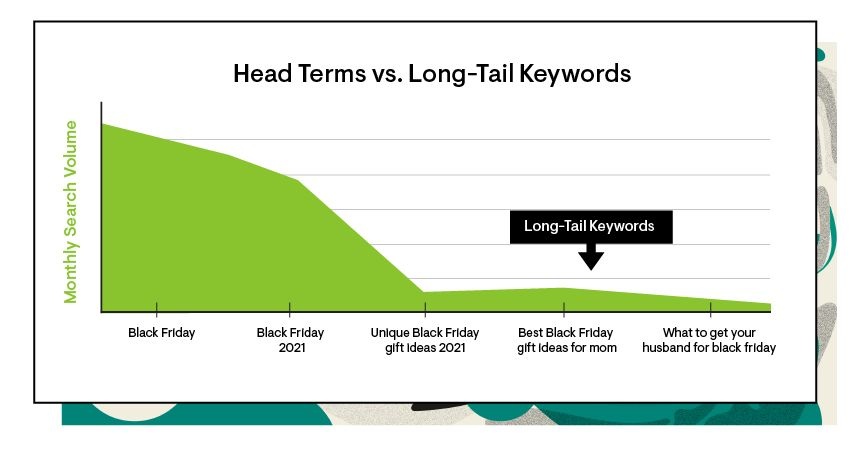
- Lower Search Volume : Individually, they might attract less traffic, but cumulatively they can contribute significantly to overall site visits.
By understanding the importance and definition of long tail keywords, businesses can tailor their SEO strategies to enhance visibility and attract the ideal customers ready to engage.
Benefits of Using Long Tail Keywords
Better Targeted Traffic
When it comes to driving traffic to a website, targeted traffic is king. Long tail keywords help you attract users who are actively seeking exactly what you offer. This is akin to setting up a booth at a farmer’s market. Instead of shouting to the crowd, you’re having conversations with customers who are there for organic produce.
For instance, if you’re a travel agency, using the long tail keyword “family-friendly resorts in Florida” will engage a specific audience—families planning vacations. This not only increases the likelihood that these visitors will stay on your site but also enhances the relevance of your content, connecting you with individuals who are more likely to convert.
Lower Competition
Another significant advantage of long tail keywords is the lower competition surrounding them. Broad keywords can be dominated by large companies with substantial SEO budgets, making it challenging for smaller businesses to rank effectively. However, long tail keywords often target less competitive niches.
- Less Saturation : Focusing on specific segments opens up opportunities.
- Easier Ranking : Thus, smaller businesses can achieve visibility more easily.
For example, while “online shoes shopping” is likely dominated by major retailers, “sustainable athletic shoes for women” can be a sweet spot for smaller, eco-friendly brands.
Higher Conversion Rates
Finally, long tail keywords often lead to higher conversion rates. Since these keywords attract users with specific intentions, they are further along in the buying process.
- Users searching for specifics are often ready to make a purchase.
- Engaging long tail keyword phrases reflect a clearer intent, resulting in more qualified leads.
Overall, optimizing for long tail keywords can lead to a robust SEO strategy that not only drives traffic but also translates that traffic into actionable results. By understanding and leveraging these benefits, businesses can create a more effective online presence.
How to Find Long Tail Keywords
Finding long tail keywords is an essential step in optimizing your content and attracting the right audience. There are several effective methods to discover these valuable phrases, and each can provide unique insights into what your potential customers are searching for.
Using Keyword Research Tools
One of the most straightforward ways to identify long tail keywords is through dedicated keyword research tools. Platforms like Ahrefs, SEMrush, and Moz can offer extensive data on search volume, competition, and related searches.
- Benefits of Using Tools :
- Detailed Metrics : These tools provide information about how many people are searching for a keyword each month.
- Related Keywords : They often suggest variations that might spark ideas.
For example, typing “handmade jewelry” into a keyword tool might yield suggestions like “handmade silver jewelry for weddings” or “vintage handmade jewelry in Los Angeles.”
Analyzing Competitors’ Keywords
Another effective approach is to analyze the keywords your competitors are using. Tools like SpyFu allow you to enter a competitor’s domain and uncover the keywords they rank for, including long tail phrases.
- Why This Works :
- Understanding Market Gaps : This analysis can reveal keyword opportunities that your competitors may be missing.
- Inspiration for Content : Not only does it help in keyword selection, but it also provides ideas on the type of content those keywords could support.
For instance, if a competitor ranks for “eco-friendly wedding favors,” you might find inspiration to expand into “biodegradable wedding favors for outdoor ceremonies.”
Leveraging Google Suggestions
Lastly, Google itself offers a treasure trove of information through its search suggestions. When you start typing a query, Google auto-suggests long tail phrases based on popular searches.
- How to Use This :
- Simply start typing your keyword into Google and take note of the suggestions that appear below the search bar.
- Additionally, scrolling to the bottom of the search results page reveals “related searches” that can provide more long tail keyword ideas.
Using these strategies can empower businesses to discover high-value long tail keywords that will enhance their SEO efforts and ultimately lead to better targeting and conversions. By utilizing tools, analyzing competitors, and tapping into Google’s suggestions, you can effectively expand your keyword arsenal.
Implementing Long Tail Keywords in SEO Strategy
Once long tail keywords are identified, the next crucial step is to implement them effectively within your SEO strategy. Utilizing these keywords correctly can enhance your website’s visibility and ensure you attract the right audience.
On-Page Optimization
On-page optimization is where the magic of long tail keywords truly begins. This involves integrating your selected keywords into key areas of your web pages.
- Key Areas to Focus :
- Headers : Include long tail keywords in your H1 and subheadings (H2, H3) to emphasize their relevance.
- Body Text : Make them naturally appear throughout your content, ensuring they fit smoothly within the context.
- Alt Text for Images : Use long tail keywords in the image descriptions to boost SEO for visual searches.
For instance, instead of simply titling a blog post “Gardening Tips,” you could use a more specific title like “Best Gardening Tips for Small Urban Spaces,” directly incorporating your long tail keyword.
Creating High-Quality Content
Creating high-quality content around your long tail keywords is vital. This means developing engaging, informative, and well-researched articles that provide real value to your readers.
- Consider These Points :
- User Intent : Understand what the user is looking for and address their needs thoroughly.
- Length and Depth : Longer, more comprehensive blog posts tend to perform better in search rankings.
- Visual Aids : Use images, videos, or infographics to break up text and create a richer experience.
For example, a tutorial on “how to plant a container garden” should not only include step-by-step instructions but also offer tips, common mistakes, and even personal anecdotes from your own gardening experiences.
Incorporating Long Tail Keywords in Meta Tags
Lastly, properly incorporating long tail keywords in your meta tags can significantly enhance your SEO strategy.
- Important Meta Tags :
- Title Tag : Ensure your long tail keyword features prominently at the beginning of your title.
- Meta Description : Write an enticing description that includes your keyword and encourages clicks.
Crafting an inviting and informative meta description like “Discover the best tips for creating a stunning container garden in small spaces. Learn how to choose plants and care for them effectively!” can entice users to visit your site while utilizing critical long tail keywords.
By focusing on on-page optimization, high-quality content creation, and strategic use of meta tags, businesses can maximize the effectiveness of their long tail keywords. This effort not only improves search visibility but also engages and converts potential customers effectively.
Monitoring and Adjusting Long Tail Keywords
Implementing long tail keywords into your SEO strategy is just the beginning. To maintain and improve your search visibility and effectiveness, it’s essential to continuously monitor and adjust these keywords over time. This dynamic approach can yield significant long-term benefits.
Tracking Rankings
One of the first steps in monitoring is to track the rankings of your long tail keywords. Tools such as Google Search Console, SEMrush, or Ahrefs can provide insights into how well your pages are performing for specific keywords.
- Key Metrics to Monitor :
- Position in Search Results : Are your keywords moving up or down in SERPs?
- Click-Through Rate (CTR) : Are visitors clicking on your listings?
- Impressions : How often is your page appearing in search results?
For example, if you notice a decline in rankings for “organic skin care products,” it could signal the need for an updated approach or fresh content that better targets user intent.
Analyzing Keyword Performance
Next, dive deeper into analyzing keyword performance. This step goes beyond rankings to examine how individual keywords contribute to traffic and conversions.
- Consider These Factors :
- Traffic Volume : How many visitors are coming from each keyword?
- Engagement Metrics : Are users staying on your page and interacting with your content?
- Conversion Rates : Are those visitors completing desired actions, such as signing up or making a purchase?
Analyzing this performance can reveal which keywords are achieving their intended purpose and which may need re-evaluation.
Making Iterative Changes
Finally, be prepared to make iterative changes based on your findings. SEO is not a one-time task but an evolving process.
- Suggestions for Modifications :
- Content Updates : Revise existing content to incorporate trending keywords or align with user intent better.
- New Target Keywords : Explore new long tail phrases based on emerging trends or changing consumer needs.
- Adjust Meta Tags : Refresh your meta titles and descriptions to match updated keyword strategies.
For instance, if “sustainable packaging alternatives” begins to gain traction, it could be beneficial to create a dedicated blog post or section addressing this keyword specifically, updating your previous content accordingly.
With diligence in tracking rankings, analyzing performance, and making data-driven adjustments, businesses can optimize their use of long tail keywords effectively. This proactive strategy not only improves visibility but also enhances user experience and conversion potential, ensuring long-term success in the digital landscape.

Case Studies: Success Stories with Long Tail Keywords
The effectiveness of long tail keywords can often be best illustrated through real-world examples. Let’s explore two compelling case studies highlighting how businesses leveraged long tail keywords to achieve remarkable results.
Company A: Increased Organic Traffic
Company A is a small online retailer specializing in eco-friendly home products. Initially struggling to attract visitors, they decided to revamp their SEO strategy by incorporating long tail keywords. After conducting thorough keyword research, they focused on phrases such as “biodegradable kitchen utensils” and “sustainable cleaning supplies.”
- Results :
- Organic Traffic Growth : Within six months, Company A saw a 150% increase in organic traffic.
- Sales Increase : The traffic surge also led to a 30% jump in sales, directly correlating to their targeted keyword strategy.
By optimizing their product pages and blog content around these specific terms, they not only drew in more visitors but also engaged a highly interested audience searching for exactly what they offered.
Website B: Improved Conversion Rates
Website B, a travel booking agency, aimed to convert web visitors into customers effectively. They started focusing on long tail keywords such as “cheap family-friendly vacations in Florida” and “luxury eco-resorts in Costa Rica.” This shift in strategy allowed them to appeal to more niche markets.
- Results :
- Increased Conversion Rates : Over a span of four months, Website B’s conversion rates improved by an impressive 40%.
- Lower Bounce Rate : By attracting visitors who found exactly what they were looking for, the site also experienced a 25% decrease in bounce rate.
This focus on long tail keywords helped Website B craft tailored landing pages that resonated with specific customer segments, leading to a stronger connection and encouraging bookings.
These case studies exemplify how businesses leveraging long tail keywords can unlock substantial benefits, from increased traffic to improved conversion rates. By tailoring content to meet specific user intent, companies can not only reach their target audience but also foster lasting relationships that translate into business success.
Common Mistakes to Avoid When Using Long Tail Keywords
While long tail keywords can significantly enhance your SEO efforts, there are some common pitfalls that can derail your strategy if not avoided. Understanding these mistakes can help ensure your approach is effective and yields the best results.
Stuffing Keywords
One of the most prevalent mistakes is keyword stuffing. This refers to the overuse of long tail keywords in your content in an attempt to manipulate search rankings.
- Why It’s Problematic :
- Poor User Experience : When content reads awkwardly or feels forced, users may quickly leave your page, leading to a high bounce rate.
- Search Engine Penalties : Both Google and other search engines can penalize websites for keyword stuffing, resulting in lower search rankings.
Instead of cramming keywords into your text, focus on natural integration. A well-crafted sentence that makes sense without being overly repetitive is far more effective.
Ignoring User Intent
Another critical error is ignoring the intent behind long tail keywords. Each search query typically represents a specific need or query, and failing to address that intent can result in lost opportunities.
- Consider This :
- Does your content directly answer the question the user has?
- Are you providing the type of information they’re looking for?
For instance, if someone searches for “best running shoes for flat feet,” they are likely seeking reviews or recommendations rather than a general guide on running shoes. Tailoring your content to meet these needs can make a significant impact on engagement and conversions.
Neglecting Long Tail Variations
Lastly, neglecting variations of long tail keywords can limit your reach. Users often phrase their searches differently, and omitting related terms can mean losing valuable traffic.
- Example : Instead of focusing solely on “affordable photography classes,” consider similar phrases like “cheap photography workshops” or “budget online photography courses.”
Incorporating these variations into your content not only broadens your keyword strategy but also increases the chances of attracting diverse search queries.
By avoiding these common mistakes—keyword stuffing, ignoring user intent, and neglecting variations—businesses can create a more effective and user-friendly SEO strategy. By focusing on relevant, high-quality content that resonates with audience needs, you set the stage for ongoing success in your digital marketing efforts.
Future Trends in Long Tail Keywords for SEO
As search engine optimization continues to evolve, so does the significance of long tail keywords. Staying ahead of the curve means understanding emerging trends that will shape the way users search online. Here are two critical future trends to keep an eye on.
Voice Search Optimization
With the rise of smart speakers and virtual assistants like Siri, Alexa, and Google Assistant, optimizing for voice search has become essential. Voice searches tend to be more conversational and longer, making long tail keywords increasingly relevant.
- Key Considerations :
- Question-Based Queries : Users often ask questions when speaking to their devices. For example, instead of typing “best Italian restaurants,” they might say, “What are the best Italian restaurants near me?” Tailoring content to answer these conversational queries can improve visibility.
- Natural Language : Incorporating natural language into your content is crucial. This shift means using phrases that people naturally use in conversation rather than rigid keyword phrases.
Being attentive to how your target audience uses voice search could provide valuable insights into new long tail keyword opportunities.
Semantic Search Evolution
Another trend is the evolution of semantic search, where search engines are getting better at understanding the context and intent behind the user’s query rather than relying solely on keyword matching. This development enhances the importance of long tail keywords, as they can better capture the nuance of user intent.
- What to Watch For :
- Contextual Relevance : Focusing on creating content that answers the broader context of user inquiries rather than just specific keywords can enhance SEO.
- Topic Clusters : Organizing content into topic clusters that link back to a pillar page can help search engines understand the relationships between various pieces of content, boosting your search visibility for long tail keywords.
By proactively embracing these trends—optimizing for voice search and adapting to the evolution of semantic search—businesses can stay ahead in the competitive landscape of SEO. Adopting these innovative strategies not only positions brands favorably in search rankings but also aligns their content with the changing ways users seek information.