

Introduction
Overview of the Digital Landscape
In today’s digital landscape, the internet serves as a vast, ever-changing marketplace where businesses and consumers connect. With billions of websites vying for attention, visibility has become a critical factor for success. Individuals search for information, products, and services online, making search engines like Google indispensable tools for navigating the web. To illustrate, consider how many times you’ve looked for a solution online; odds are, you clicked on one of the top results. This highlights the importance of being seen and heard in a crowded digital space.
Importance of SEO in the Digital Era
With the sheer volume of online content, Search Engine Optimization (SEO) emerges as a vital strategy for businesses aiming to enhance their online presence. SEO is not just about ranking higher in search results; it’s about ensuring that relevant audiences discover your content when they seek what you offer. Here are a few key reasons why SEO is essential in the digital era:
- Increased Visibility : Appearing at the top of search engine results introduces brand awareness to potential customers.
- Cost-Effectiveness : Compared to traditional marketing methods, SEO offers a more sustainable approach with long-lasting benefits.
- User Trust and Credibility : Higher rankings imply greater trustworthiness in the eyes of users.
To remain competitive, businesses must adopt comprehensive SEO strategies, adjusting to the dynamic digital environment and evolving consumer behaviors.

Understanding Search Engine Algorithms
How Search Engines Work
At the heart of online searching lie search engines, which operate through complex algorithms designed to provide users with the most relevant information in milliseconds. But how does this all work? When you enter a query, search engines:
- Crawl : They scan the web, using bots to discover new and updated pages.
- Index : Once pages are crawled, they are indexed, allowing search engines to store and organize information.
- Rank : When a query is made, algorithms quickly analyze indexed content to rank it based on hundreds of factors, ensuring the most relevant results appear at the top.
For instance, when you type “best coffee makers,” the engine evaluates myriad factors, including website authority, content relevance, and user experience, before generating a list of possibilities.
Impact of Algorithms on SEO Strategies
The ever-evolving algorithms significantly influence SEO strategies, compelling businesses to stay agile. Understanding how these algorithms prioritize content is crucial. Here are a few impacts:
- Content Relevance : Quality content that satisfies user intent will rank higher.
- Mobile-First Indexing : With the increase in mobile searches, ensuring websites are mobile-friendly is no longer optional.
- User Experience : Factors like page load speed and user engagement are critical for positive rankings.
As algorithms continue to advance, businesses must adapt their SEO strategies in real-time, making ongoing optimization essential for sustained online success.
Content Optimization Techniques
Keyword Research and Analysis
After grasping the foundational aspects of search engine algorithms, the next step in SEO involves diving into content optimization techniques, starting with keyword research and analysis. This vital process helps identify the terms and phrases that your target audience is using to find information. Consider it like understanding the language your customers speak.
Effective keyword research involves:
- Brainstorming : Think about the topics relevant to your business.
- Utilizing Tools : Use keyword research tools such as Google Keyword Planner, Ahrefs, or SEMrush to analyze search volume and competition.
- Competitor Analysis : Review what keywords your competitors are ranking for, which offers insights into potential gaps in your content strategy.
By ensuring that your content aligns with what your audience searches for, you can effectively increase your visibility.
On-Page and Off-Page SEO Strategies
Once you pinpoint the right keywords, the focus shifts to implementing on-page and off-page SEO strategies.
On-Page SEO includes optimizing elements such as:
- Title Tags and Meta Descriptions : Craft compelling titles that include target keywords to improve click-through rates.
- Header Tags and Content Structure : Use header tags (H1, H2) to improve readability and include keywords strategically.
- Internal Linking : Help search engines and users navigate your site by linking to relevant pages.
Off-Page SEO strategies involve building authority and trust through:
- Social Media Engagement : Share content actively on social platforms to drive traffic and encourage shares.
- Guest Blogging : Write articles for reputable websites to earn backlinks and increase credibility.
By balancing these techniques, businesses can significantly enhance their content’s reach and effectiveness in search results.

Technical SEO Fundamentals
Website Performance and Speed Optimization
Moving on from content optimization, another critical element of SEO lies in the technical aspects, starting with website performance and speed optimization. Imagine visiting a website that takes forever to load; chances are, you’d abandon it in frustration. In fact, studies show that a delay of just a few seconds can lead to significant decreases in user satisfaction and conversion rates.
To enhance website performance, consider the following approaches:
- Image Optimization : Compress images without losing quality, using formats like WebP to reduce load times.
- Minify Code : Streamline HTML, CSS, and JavaScript to minimize file sizes.
- Utilize CDNs : A Content Delivery Network can distribute your website’s content across multiple servers, speeding access for users regardless of their location.
By focusing on these aspects, businesses can create a smoother browsing experience, which in turn can positively impact their search engine rankings.
Mobile Responsiveness and User Experience
Equally important is ensuring that your website is mobile-responsive. With an increasing number of users accessing the web through smartphones and tablets, a mobile-friendly experience is crucial.
Key strategies for enhancing mobile responsiveness include:
- Responsive Design : Use flexible layouts that adapt to various screen sizes.
- Touch-Friendly Navigation : Ensure buttons and links are large enough for easy tapping.
- Speed : Optimize for mobile loading times, as many users will leave if a site takes too long to load.
By prioritizing mobile responsiveness and overall user experience, businesses not only comply with search engine preferences but also foster loyalty among their audience, ultimately leading to better SEO outcomes.
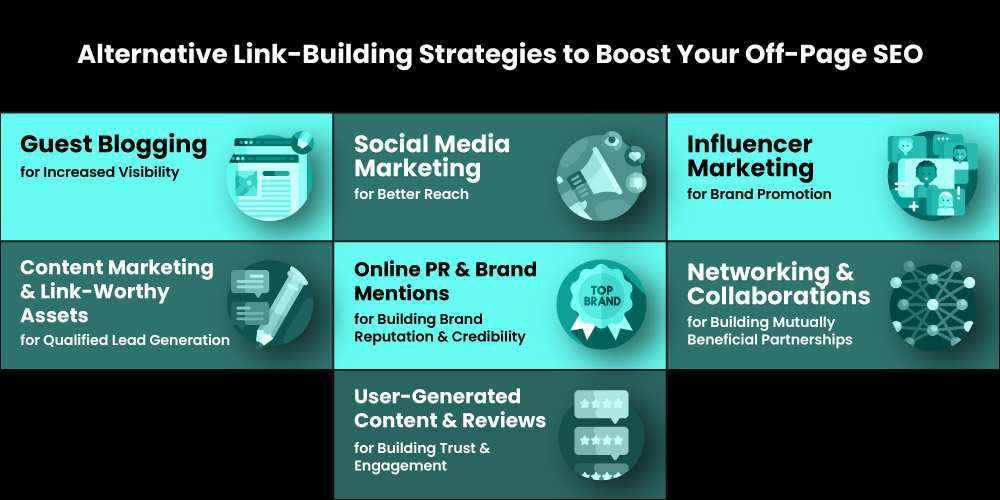
Link Building Strategies
Importance of Backlinks in SEO
Having covered the technical fundamentals, it’s time to delve into another vital aspect of SEO: link building. At the core of successful link building is the concept of backlinks, which serve as endorsements for your website. Think of backlinks as votes of confidence from other websites. The more you have, particularly from reputable sources, the more credible your site appears to search engines.
Why are backlinks so important?
- Improved Search Rankings : Backlinks are a key ranking factor for search engines, as they indicate the trustworthiness and relevance of your site.
- Referral Traffic : High-quality backlinks can direct users to your site, driving additional traffic.
- Strengthened Domain Authority : Quality backlinks can enhance your domain authority, further boosting your overall SEO performance.
Effective Link Building Techniques
Now that we understand the importance of backlinks, how can businesses effectively build them? Here are some techniques to get started:
- Guest Blogging : Write informative articles for other reputable blogs in your industry, including links back to your site. This not only builds backlinks but also positions you as an authority.
- Resource Pages : Reach out to websites that compile resource lists and suggest your content for inclusion.
- Broken Link Building : Identify broken links on relevant sites and offer your content as a substitute. This helps site owners maintain quality while securing you a valuable backlink.
By implementing these techniques, businesses can enhance their link profiles, ultimately boosting their visibility and authority in search engine results.

Local SEO Tactics
Optimizing for Local Search Results
Transitioning from link building strategies, it’s essential to recognize the significance of local SEO, especially for businesses targeting a geographically specific audience. With the rise of mobile searches, users frequently look for nearby services or products. How can businesses optimize for local search results? Here are some proven tactics:
- Local Keywords: Incorporate location-specific keywords within your content. For instance, instead of just “coffee shop,” use “best coffee shop in Boston.”
- NAP Consistency : Ensure your Name, Address, and Phone Number (NAP) are consistently listed across all online platforms. This helps search engines validate your business’s location.
- Location Pages : If you operate in multiple locations, creating dedicated pages for each can enhance your visibility in those areas.
By following these local SEO tactics, businesses can reach potential customers in their vicinity more effectively.
Google My Business Optimization
One of the most impactful tools for local SEO is Google My Business (GMB). A well-optimized GMB listing can considerably improve your visibility in local search results. Here’s how to maximize your GMB profile:
- Complete Profile : Fill in every section of your profile, including business hours, categories, and a detailed description of your services.
- High-Quality Images : Upload eye-catching photos of your business, products, and staff. Visual content can help attract customers.
- Encourage Reviews : Ask satisfied customers to leave positive reviews. Respond to reviews as well, as this boosts engagement and shows you value customer feedback.
By implementing these GMB optimization strategies, businesses can significantly enhance their local presence, attracting more foot traffic and improving their overall SEO performance.

SEO Analytics and Measurement
Key Metrics for SEO Success
As we delve deeper into SEO tactics, understanding SEO analytics and measurement becomes paramount. Once you’ve implemented strategies, how do you gauge their effectiveness? This is where key metrics come into play.
Here are some important metrics to monitor for SEO success:
- Organic Traffic : Track the number of visitors coming from search engines, which signifies how well your SEO efforts are performing.
- Keyword Rankings : Regularly check the rankings of your target keywords to assess visibility in search results over time.
- Bounce Rate : A high bounce rate may indicate that your content isn’t meeting user expectations, prompting adjustments to improve engagement.
- Conversion Rate : Ultimately, the goal is to turn visitors into customers. Analyze how many visits lead to desired actions, such as purchases or sign-ups.
By focusing on these metrics, businesses can gain valuable insights into their SEO performance and make data-driven decisions.
Tools for Monitoring and Tracking Performance
To effectively track these metrics, leveraging the right tools can make all the difference. Here are some popular options:
- Google Analytics : A fundamental tool for tracking website traffic, bounce rates, and user behavior on your site.
- Google Search Console : Helps monitor keyword performance, manage site indexing, and receive alerts on any potential SEO issues.
- SEMrush and Ahrefs : These comprehensive tools offer detailed insights into keyword rankings, backlinks, and competitive analysis.
Regularly monitoring these tools will provide a clear picture of your SEO strategies’ effectiveness, allowing you to make necessary adjustments and optimize your performance continuously. By remaining proactive in your analytics efforts, businesses set themselves up for sustained SEO success.

Future Trends in SEO
Voice Search and AI Integration
As we transition into the future of SEO, two trends are becoming increasingly prominent: voice search and AI integration. The way users interact with search engines is changing rapidly—more people are utilizing voice-activated assistants like Siri, Google Assistant, and Alexa to find information.
So, how do these advancements impact SEO?
- Conversational Keywords : With voice search, queries are often longer and more question-based. Optimizing content for natural language and long-tail keywords can help attract this traffic.
- Local Search Focus : Voice search often involves local queries, such as “Where’s the nearest coffee shop?” Ensuring your local SEO strategies are strong will help you capture this growing segment of traffic.
- AI-Powered Tools : AI tools are becoming integral for keyword research, content optimization, and even predictive analysis. Businesses can leverage AI to identify trends before they become mainstream.
By adapting to these trends, businesses can stay ahead in the competitive SEO landscape.
The Evolving Landscape of SEO
Another crucial aspect of SEO’s future is its evolving landscape. What we know today about SEO may shift as new technologies emerge and user behaviors change.
- User Experience Signals : Search engines are increasingly prioritizing user experience, considering factors like page speed, mobile-friendliness, and interactive content.
- Data Privacy Regulations : The rise of data privacy laws might restrict how marketers collect and use data, prompting a shift in targeting strategies.
- Video Content Optimization : With platforms like YouTube gaining prominence, optimizing video content for SEO is becoming essential to reach audiences effectively.
In summary, anticipation of these trends and adjustments to strategies will be crucial for any business aiming to thrive in the dynamic world of SEO. As the landscape continues to evolve, embracing innovation and staying informed are invaluable for long-term success.
Case Studies and Success Stories
Real-world Examples of SEO Campaigns
Diving into case studies and success stories provides invaluable insights into the effectiveness of SEO strategies in real-life scenarios. One prominent example is the case of Airbnb. By optimizing their content for specific long-tail keywords related to travel and local experiences, they saw a dramatic increase in organic traffic. Key tactics included:
- Localized Content Creation : Developing area-specific travel guides boosted their relevance in various markets.
- User-Generated Content : Encouraging reviews and testimonials added authentic content that enhanced search rankings.
Another standout case is Moz, a well-known SEO software company. By focusing on educational content and community engagement, they positioned themselves as a thought leader in the industry. Their strategy involved:
- Comprehensive Guides : Creating extensive, in-depth articles helped target keywords effectively.
- Link Building : Collaborating with other industry influencers secured valuable backlinks, increasing their authority.
Lessons Learned from Top SEO Agencies
From these successes, several key lessons emerge. Top SEO agencies emphasize the importance of:
- Data-Driven Decisions : Utilizing analytics tools to refine strategies continuously is vital.
- Adaptability : The SEO landscape is ever-changing; remaining flexible and open to new trends ensures sustained success.
- Quality Over Quantity : Focusing on high-quality, relevant content often yields better long-term results compared to sheer volume.
By learning from these real-world examples and the expertise of leading SEO agencies, businesses can craft more effective strategies tailored to their specific goals and audiences. Implementing these lessons can pave the way for successful SEO campaigns that drive traffic, engagement, and ultimately, conversions.
Conclusion and Key Takeaways
Recap of Strategies and Insights
As we wrap up our exploration of SEO, it’s essential to revisit the key strategies and insights that can drive success in today’s digital landscape. From our discussions, here are the primary takeaways:
- Invest in Quality Content : Create valuable and relevant content that addresses user intent and incorporates strategic keyword optimization.
- Embrace Technical SEO : Ensure your website is optimized for performance, mobile responsiveness, and user experience to keep visitors engaged.
- Leverage Local SEO Tactics : If your business serves a specific location, implement local SEO strategies and optimize your Google My Business profile for better visibility.
- Focus on Link Building : Develop a robust backlink profile through guest blogging, resource pages, and collaboration with influencers to enhance credibility and rankings.
- Utilize Analytics : Continuously monitor and measure your performance through key metrics and tools to refine your strategies effectively.
Final Thoughts on Navigating the Digital Landscape
Navigating the digital landscape can feel overwhelming, but the right strategies can make all the difference. As the landscape evolves with advancements like voice search and AI integration, flexibility and innovation will be your best allies.
Remember, SEO is a long-term commitment requiring patience and persistence. Engage with your audience, stay informed about industry trends, and be willing to adapt—these are the keys to thriving in a competitive online environment. By embracing these principles, businesses can not only enhance their visibility but also forge meaningful connections with their audience, leading to success in the ever-changing world of digital marketing.