
Understanding SEO Internal Linking
Definition of SEO Internal Linking
SEO internal linking refers to the practice of hyperlinking to another page within the same domain, creating a network of interconnected web pages. This strategy helps both users and search engines navigate through the content seamlessly. For instance, when a reader is diving into a blog post about healthy eating, a well-placed link could direct them to another article that offers easy meal prep ideas. This connection not only enhances the reading experience but also encourages readers to explore further.
Importance of Internal Linking for SEO
The significance of internal linking extends beyond simple navigation; it plays a critical role in shaping a website’s SEO performance. Here’s why it matters:
- Enhances User Experience: Intuitive internal links guide users to related content, keeping them engaged for longer periods. This reduces bounce rates and increases time-on-page metrics.
- Distributes Link Equity : Internal links allow page authority to spread throughout your website. By linking high-authority pages to less authoritative ones, you can boost their visibility on search engines.
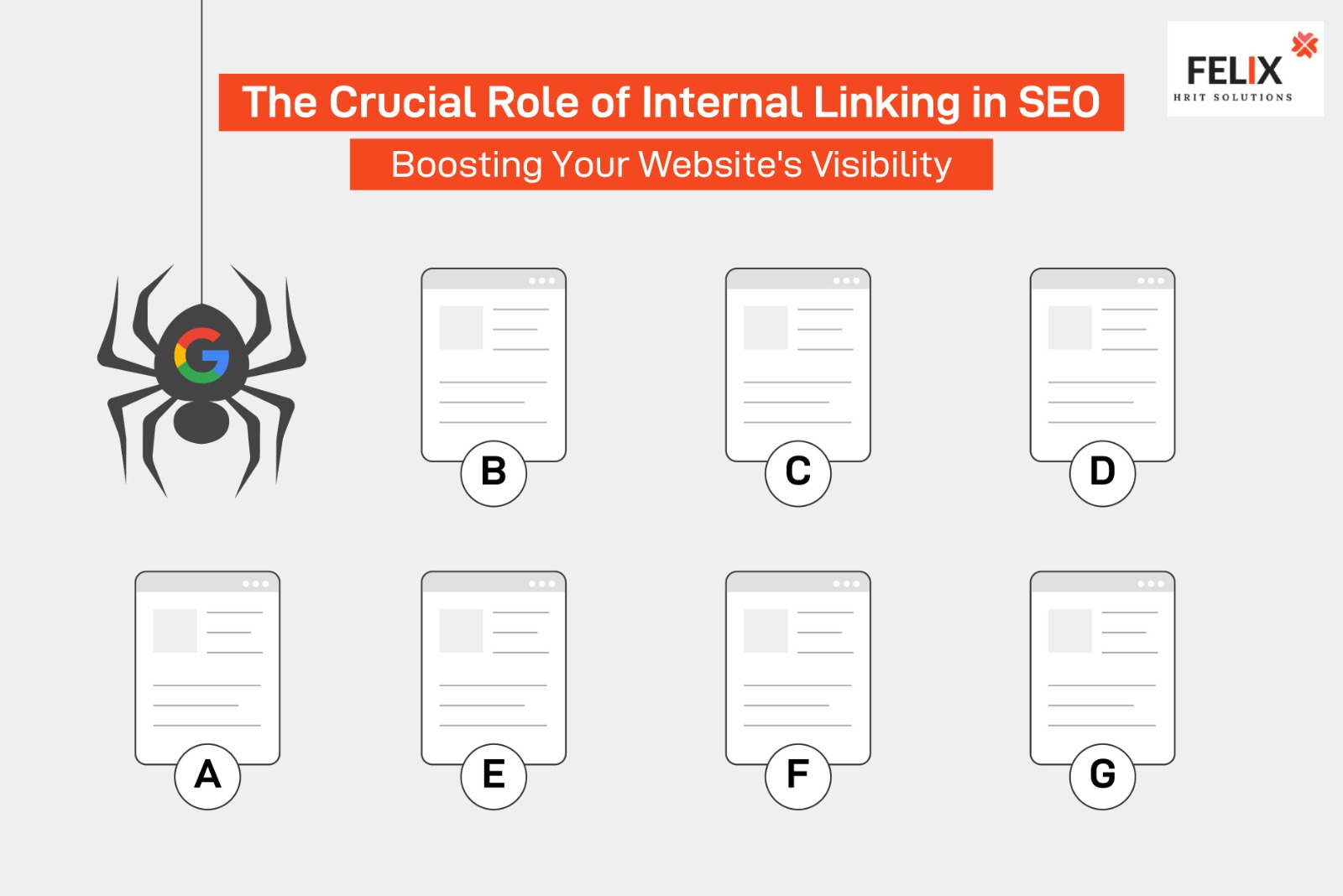
- Facilitates Crawling : Search engines use links to discover new pages. A well-structured internal linking strategy helps crawlers index content efficiently.
In summary, effective internal linking is not just an SEO tactic; it is a fundamental part of website architecture that enhances both user experience and search visibility. By focusing on internal links, webmasters can ensure that their content reaches its full potential.
Benefits of SEO Internal Linking
Improving Website Navigation
One of the most immediate benefits of SEO internal linking is its ability to improve website navigation. Imagine visiting an online bookstore. As you explore a specific genre, you’d appreciate links to similar books or even author interviews. This smooth flow keeps you engaged, encourages exploration, and makes your journey enjoyable.
For website owners, effective internal linking can significantly enhance user experience by:
- Reducing Bounce Rates : When users can easily find related content, they are less likely to leave the site quickly.
- Increased Page Views : A well-structured internal linking strategy leads users to discover more pages, creating a more immersive experience.
- Guiding User Journey : Carefully placed internal links can shepherd users through a funnel, encouraging conversions and desired actions.
Distributing Page Authority
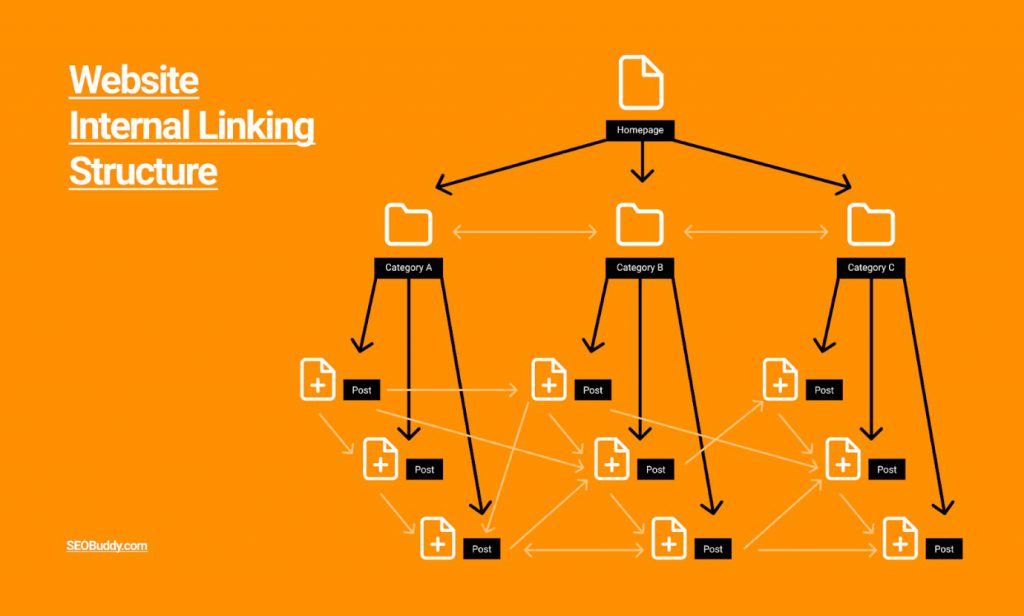
Another important advantage of internal linking is its role in distributing page authority across a website. Think of your website as a tree: each page is a branch. The internal links act like the roots that nourish all branches, ensuring they grow strong.
Here’s how internal linking achieves this:
- Enhancing Visibility : Pages linked from high-authority sources benefit from the credibility passed along.
- Balancing Authority : By strategically linking to new or less visible pages, webmasters can elevate their importance in the eyes of search engines.
- Encouraging Indexing : Internal links make it easier for search engine crawlers to discover and rank pages effectively.
Emphasizing these benefits through thoughtful internal linking not only boosts user engagement but also enhances overall SEO performance.
How to Implement SEO Internal Linking
Creating Relevant Anchor Text
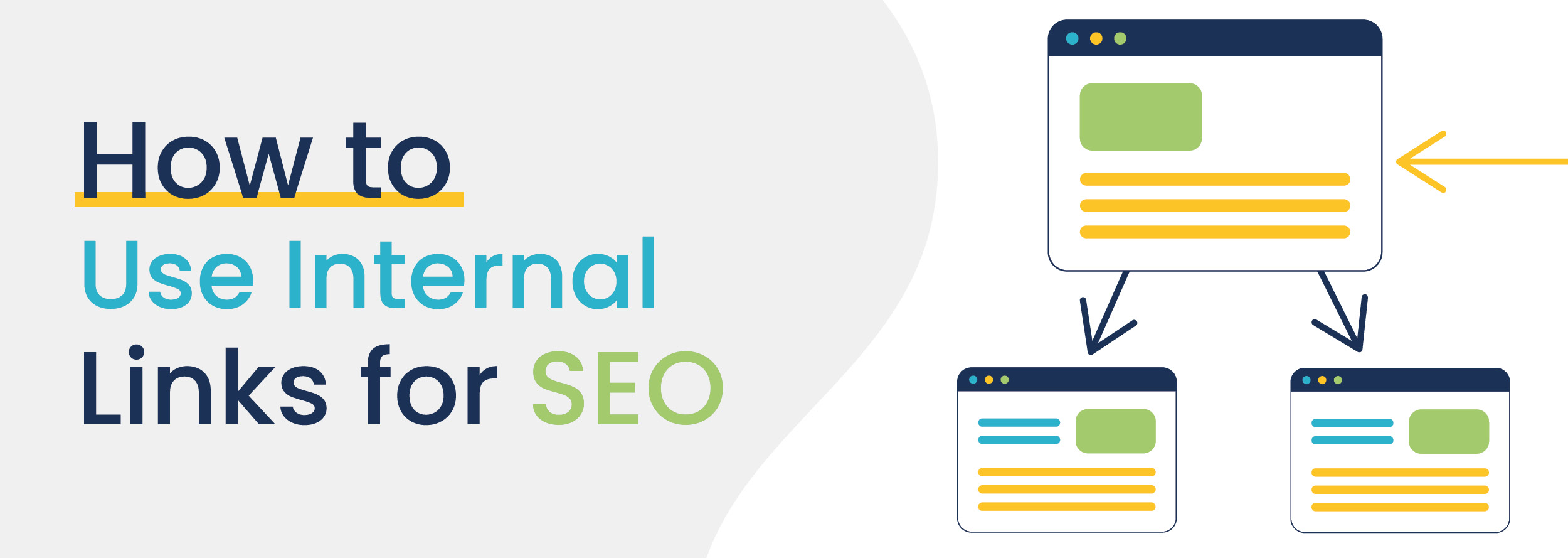
To successfully implement SEO internal linking, one crucial factor is the anchor text you choose. Anchor text is the clickable text that gives context about the link destination. It should be both relevant and engaging. For instance, linking the phrase “learn more about balanced diets” to your diet article is much more effective than just using “click here.”
Here are some tips for creating effective anchor text:
- Keep it Descriptive : Use specific keywords that clearly describe what the reader can expect by clicking the link.
- Be Concise : Aim for two to five words that are easy to digest yet informative.
- Avoid Exact Match Over-Optimization : Diversify your anchor text to prevent penalties from search engines while maintaining relevance.
Using Strategic Placement of Internal Links
The placement of your internal links is equally important. Consider this like setting the most popular items on a store’s front display. They need to be where visitors can easily see them.
Here’s how to optimize the placement of your internal links:
- Within the Content : Embed links naturally within your text rather than placing them at the end of articles. This contextual approach feels more organic to readers.
- At the Beginning or End of Posts : A summary section at the end of your content or a related links section can help capture attention.
- Utilize Sidebars or Footer Links : These areas can showcase important or popular content, providing another opportunity for internal linking.
By mastering anchor text and strategically placing internal links, webmasters can enhance user experience and strengthen their site’s overall SEO strategy.
Tools for Managing Internal Links
Google Search Console
When it comes to managing your website’s internal linking strategy, Google Search Console is an indispensable tool. It’s like having a comprehensive toolkit right at your fingertips for understanding how Google views your site.
One of the standout features is the Links Report, which provides insights into your internal linking structure. You can identify:
- Top Linked Pages : See which pages get the most internal links and ensure they are contributing effectively to your site’s SEO.
- Link Distribution : Examine how evenly your internal linking is spread across your pages. This can help spot any overlooked content that deserves more attention.
Using Google Search Console allows you to adjust your linking strategy based on real-time data, giving it a practical edge that helps to align your SEO efforts with actual user engagement.
SEO Analysis Tools
In addition to Google Search Console, using a robust SEO analysis tool can take your internal linking management to the next level. Tools like Ahrefs, SEMrush, and Moz offer remarkable features for optimizing your internal linking structure.
With these tools, you can:
- Crawl Your Site : Identify broken links or unnecessary redirects that may hinder user experience.
- Audit Internal Linking : Analyze your internal link distribution, helping you see which pages may need more links to enhance their authority.
- Get Competitive Insights : Understand how your competitors are structuring their internal links, which can provide ideas for your own strategy.
By leveraging Google Search Console and specialized SEO tools, website owners can effectively manage their internal links and ensure a well-optimized site that boosts visibility and user engagement.

Measuring the Impact of Internal Linking
Tracking Organic Traffic Changes
Once you’ve implemented an internal linking strategy, the next step is to measure its effectiveness, starting with tracking organic traffic changes. This is akin to checking the pulse of your website to see how it’s responding to your efforts. Tools like Google Analytics can provide detailed insights into traffic patterns and user behavior.
Key metrics to focus on include:
- Page Views : Monitor changes in the number of page views for linked pages to see if internal links are driving traffic.
- Bounce Rate : A decrease in bounce rate can indicate that users find your internal links helpful and are exploring more content.
- Session Duration : Longer sessions can suggest that internal linking is keeping users engaged on your site.
Look for trends before and after implementing your internal linking strategies to gauge their impact effectively.
Analyzing Page Authority Distribution
Another critical aspect of measuring internal linking success is analyzing page authority distribution across your site. Tools like Moz’s Page Authority (PA) can help you understand how internal linking affects individual page rankings.
When analyzing page authority, consider:
- Linking to High-Authority Pages : Check if linking from high-authority pages to newer or lower-authority pages leads to an increase in those pages’ authority.
- Balanced Distribution : Ensure no single page bears too much authority while others remain underwhelming; a balanced approach strengthens your overall site.
By systematically tracking organic traffic changes and analyzing page authority distribution, you can fine-tune your internal linking strategy for maximum effectiveness, ensuring that your site is not just engaging but also optimized for search engines.
Common Internal Linking Mistakes to Avoid
Over-Optimizing Anchor Text
When managing internal links, one common pitfall to watch out for is over-optimizing your anchor text. Although using keyword-rich phrases may seem effective at first glance, it can lead to an unnatural reading experience and penalties from search engines.
Here’s why you should be cautious about over-optimization:
- Unnatural Flow : Readers might notice repetitive or forced phrases, which could turn them off from your content.
- Search Engine Penalties : Search engines like Google can flag excessive keyword use as spammy, potentially hurting your rankings.
Instead of focusing solely on keywords, aim for a more natural approach. Use descriptive phrases that provide context without cramming in keywords. For instance, instead of “best coffee beans,” try “explore our selection of premium coffee beans.” This not only enhances readability but also remains informative.
Neglecting Deep Page Links
Another notable mistake is neglecting deep page links—those links pointing to specific articles or sections within your site rather than just your homepage or main category pages. This oversight can leave valuable content hidden and under-performing.
Consider the following:
- Limited Visibility : If internal links only point to top-level pages, visitors may miss out on your insightful blog posts or detailed service pages.
- Authority Distribution : Failing to link to deeper pages can constrict your ability to distribute authority evenly across your site, which may hinder those pages from ranking well.
To avoid this mistake, actively include internal links to valuable sub-pages within your content. Doing so not only enhances user experience but also boosts the SEO potential of your entire website. By steering clear of these common pitfalls, your internal linking strategy can become more effective, engaging, and fruitful.

Advanced Strategies for Maximizing Internal Linking
Implementing Silo Structure
To truly maximize the effectiveness of your internal linking strategy, consider implementing a silo structure. This organizational technique groups related content together, allowing users and search engines to easily navigate your site. Imagine walking through a well-organized library where related genres are shelved together.
Here’s how to create an effective silo structure:
- Categorization : Group content into broad categories and subcategories. For example, a health blog might have categories like “Nutrition,” “Fitness,” and “Mental Health,” with subtopics underneath each.
- Interlinking : Ensure that articles within each category link to one another. This strengthens the relevance and authority of related topics.
- Navigation : Create a clear menu that reflects your silo structure, making it easy for users to find what they’re interested in.
By employing a silo structure, you make it easier for users to explore content while enhancing the site’s SEO performance.
Leveraging Hub Pages
Another advanced strategy is to build hub pages. A hub page serves as a central point of related resources, giving readers a comprehensive overview of a subject while linking out to detailed articles on that topic. Think of it as a road map that directs visitors to various destinations within a specific area of interest.
To effectively leverage hub pages:
- Choose a Core Topic : Pick a central theme that resonates with your audience. For instance, if you run a travel site, a hub page on “European Destinations” could link to multiple articles about specific countries or cities.
- Curate Quality Content : Link to your best-performing or most informative content from the hub page. This not only provides value to readers but also maximizes the authority of those linked pages.
- Regularly Update : As you create new content, revisit your hub pages to ensure they remain relevant and link to the latest articles.
By effectively implementing a silo structure and leveraging hub pages, you can create a robust internal linking strategy that enhances user experience and boosts SEO performance.

Case Studies on Successful Internal Linking Strategies
Website A: Increased Organic Traffic
Let’s take a closer look at Website A, a health and wellness blog that experienced a remarkable surge in organic traffic through targeted internal linking strategies. Initially, the site had various articles scattered without coherent connections.
After conducting a thorough audit, the site’s team decided to implement systematic internal linking based on a cohesive silo structure. They grouped content into categories like nutrition, fitness, and mental health.
The outcomes were impressive:
- Traffic Growth : Within three months, organic traffic increased by 45%. Readers were now adventurous, exploring related articles instead of leaving after a single read.
- Lower Bounce Rates : The bounce rate dropped from 60% to 40%, indicating a more engaged audience willing to explore the site further.
By creating relevant links within their articles, Website A guided users through a rich maze of content, significantly boosting both traffic and visitor engagement.
Website B: Improved Page Rankings
Now, let’s explore Website B, an e-commerce site focusing on outdoor gear. While they had quality products, many of their pages were buried and unnoticed in search results.
After analyzing their internal linking strategy, they began linking their product pages to informative blog posts about outdoor activities using hub pages. For example, an article discussing hiking trails was linked to relevant hiking gear.
The results were compelling:
- Higher Rankings : Within four months, previously underperforming product pages moved up in rankings, with some reaching the first page of search results.
- Enhanced Authority Distribution : This strategy also helped to distribute page authority effectively, allowing less popular products to shine.
Both Website A and Website B illustrate the power of a well-executed internal linking strategy. By connecting content thoughtfully, these websites significantly enhanced user experience and improved overall SEO performance, setting a benchmark for others to follow.
Future Trends in Internal Linking for SEO
Integration with AI and Machine Learning
As we look to the future of SEO, one of the most exciting trends on the horizon is the integration of AI and machine learning into internal linking practices. This technological advancement can enhance the way websites analyze and optimize their linking strategies. Imagine having a smart assistant that automatically identifies the best internal link opportunities for you!
These AI-driven tools can:
- Analyze User Behavior : By learning from user interactions, AI can suggest internal links that might engage users better based on their browsing habits.
- Optimize Anchor Text : Machine learning algorithms could help determine which anchor texts are most effective for generating clicks and maintaining contextual relevance.
- Predict Content Relevance : Advanced algorithms might analyze content trends to suggest internal links to newly created articles that align closely with user interests.
With AI’s ability to process vast datasets and learn from them, internal linking strategies can become not only more effective but also more efficient.
Focus on User Experience and Relevance
Another key trend is the increasing focus on user experience and relevance. As search engines shift to prioritize user satisfaction, internal linking will need to adapt to these evolving standards.
Here’s how a focus on user experience can shape internal linking:
- Contextual Linking : Links should not just be placed anywhere; they should meaningfully connect related content, enhancing the overall narrative for users.
- Personalized Recommendations : Websites may start employing algorithms that provide personalized internal links based on individual user preferences, making navigation intuitive and tailored.
- Mobile Optimization : With more users accessing content on mobile devices, ensuring that internal links are easily clickable and navigable will be crucial for retaining traffic.
As internal linking evolves, embracing AI innovations and prioritizing user-centric approaches will be key to maintaining effective SEO strategies. Adapting to these trends not only enhances website performance but also ensures that users find the information they want more seamlessly.