

Introduction
Definition of SEO Markets
Search Engine Optimization (SEO) markets refer to the broad and dynamic landscape shaped by the practices, techniques, and strategies employed to enhance the visibility of websites in search engine results. Essentially, it encompasses everything from keyword research, content creation, technical SEO, to link building. In today’s interconnected world, the SEO market is not just limited to search engines like Google; it also includes other platforms like social media and local directory listings.
For instance, a local business aims to optimize its website to appear prominently in searches performed by potential customers in its vicinity. With an increasing number of users relying on search engines to discover local services, mastering SEO has become vital. This is where the significance of an effective SEO market strategy comes into play.
Importance of SEO in Digital Marketing
SEO plays an integral role in digital marketing, serving as the backbone for online visibility and engagement. Here are a few reasons why:
- Increased Traffic : A well-optimized website can attract organic traffic, leading to higher engagement levels.
- Cost-effectiveness : Unlike paid advertising, organic SEO has a longer-lasting impact and lends credibility to the business.
- Improved User Experience : SEO techniques also focus on creating user-friendly websites that enhance the overall search experience.
To illustrate, consider a small e-commerce store. By utilizing effective SEO strategies, this store can transition from being a hidden gem to a prominent choice for online shoppers, ultimately boosting sales and brand recognition. Thus, understanding and adopting the nuances of the SEO market is essential for any business striving for long-term growth.
Evolution of SEO Markets
The Past Trends
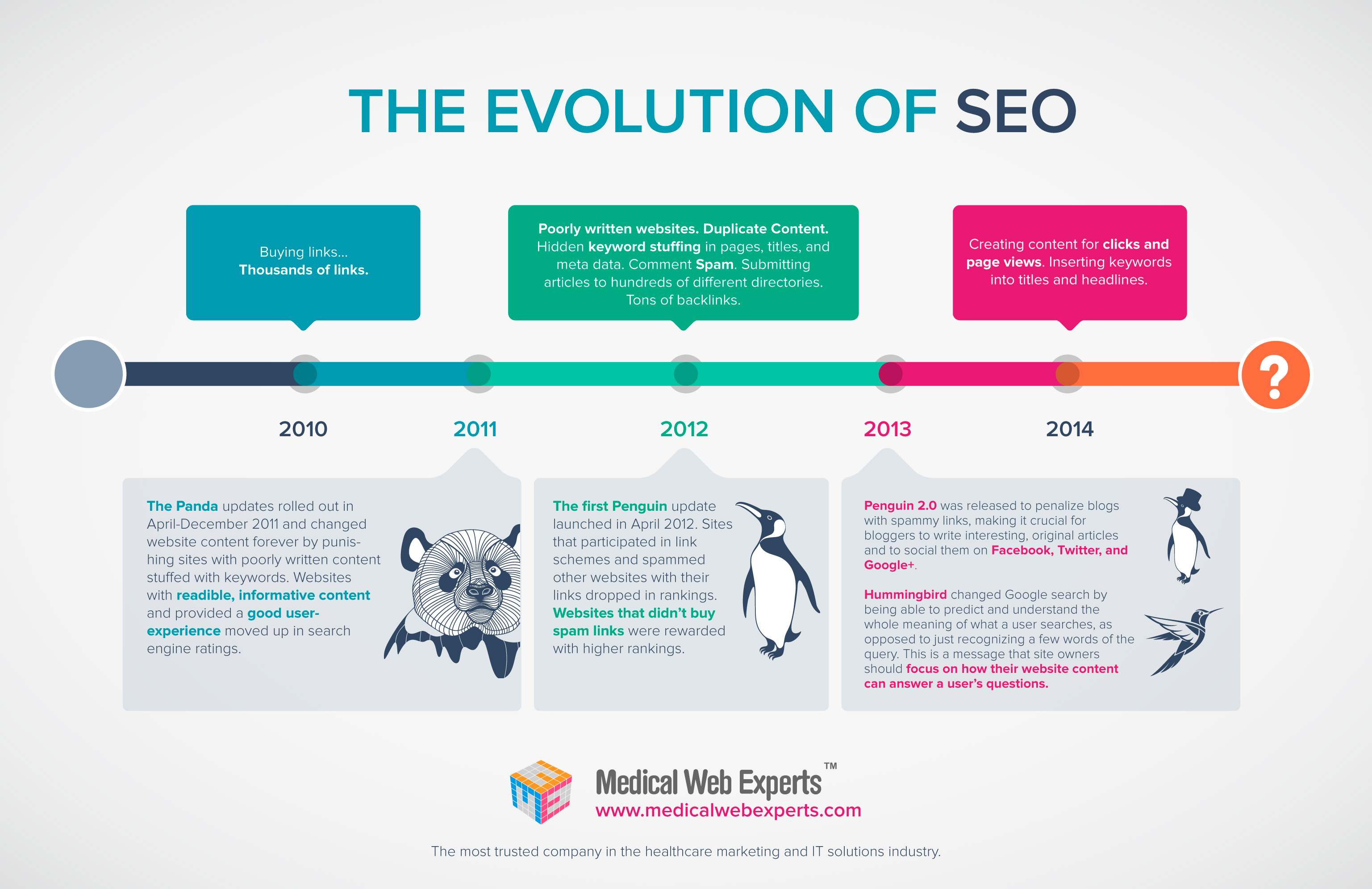
The journey of SEO markets is fascinating, filled with significant changes that have shaped how websites are optimized today. In the early days of the internet, SEO practices were straightforward yet often ineffective. People relied heavily on keyword stuffing, where content was loaded with keywords to trick search engines into ranking their pages higher. Unfortunately, this often created awkward and unengaging content.
As search engines like Google began to evolve, they introduced algorithms that prioritized user experience and relevant content. This marked a shift towards more holistic SEO strategies that considered factors like content quality and user intent. Back then, SEO was primarily focused on desktop experiences, with mobile optimization often taking a backseat.
Current Landscape
Fast forward to today, the landscape of SEO markets has transformed dramatically. With mobile browsing accounting for over half of all web traffic, businesses are now focusing on mobile-first indexing and responsive design. Furthermore, user experience is at the heart of modern SEO strategies. Companies are optimizing their sites not just for search engines, but for the users who will interact with them.
Some key elements currently dominating SEO include:
- Quality content creation : Engagement-driven content is essential.
- Technical SEO improvements : Site speed and structured data are critical for better rankings.
- Core Web Vitals : Google’s metrics that emphasize user experience.
Emerging Technologies
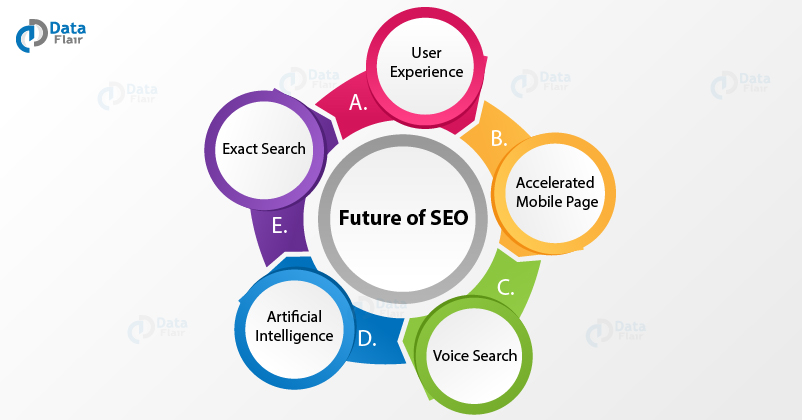
Looking ahead, the landscape will continue to evolve, driven by emerging technologies. Artificial intelligence (AI) and machine learning are becoming powerful tools for SEO, helping marketers analyze data on user behavior more effectively. For example, chatbots and virtual assistants are changing how consumers interact with search engines, shifting the focus toward voice search optimization.
Incorporating these advancements will allow businesses to stay ahead in a competitive digital marketplace. Adapting to these changes is essential for SEO professionals aiming to harness the full potential of the evolving SEO markets. The future certainly promises exciting opportunities for those ready to embrace innovation!

Factors Shaping the Future of SEO Markets
Artificial Intelligence and Machine Learning
Continuing from the evolution and technological advancements in SEO, Artificial Intelligence (AI) and Machine Learning are spearheading the next wave of changes within the SEO markets. These technologies analyze vast amounts of data, providing insights into user behavior and search patterns. For instance, AI algorithms like Google’s RankBrain help in understanding the intent behind search queries, thus delivering more relevant results. This means that businesses will need to craft high-quality, context-rich content that addresses not just the keywords, but the needs and questions of users.
Voice Search Optimization
As voice-activated devices like Alexa and Google Assistant become commonplace, optimizing for voice search is paramount. Voice queries tend to be longer and more conversational than text searches, which requires a shift in keyword strategy. For example, a typical search query might be “best pizza near me,” while a voice search might sound more like, “Where can I find the best pizza nearby?” This trend highlights the importance of understanding natural language processing and adjusting SEO practices accordingly.
Mobile-first Indexing
With mobile devices generating over half of all online traffic, Google’s mobile-first indexing is also a critical factor shaping the future of SEO. This means that Google primarily uses the mobile version of a website for indexing and ranking. For businesses, this urges the need for responsive design and exceptional mobile user experiences. Ensuring that pages load quickly and provide easy navigation on mobile devices can give a significant edge in search rankings.
Local SEO
Finally, as users become more location-aware, Local SEO is gaining traction. With mobile devices, searching for local services has never been easier. Optimizing Google My Business listings, utilizing local keywords, and ensuring consistent NAP (Name, Address, Phone) information can greatly enhance visibility for local searches.
Considering these factors, businesses must adapt to an ever-changing SEO landscape to remain relevant and competitive. The future will undoubtedly reward those who embrace and integrate these advancements into their marketing strategies!
Predictions and Opportunities
Forecast for SEO Markets
As we look ahead, the forecast for the SEO markets indicates a dynamic and rapidly evolving environment. With advancements in technology and changes in consumer behavior, SEO practices will need to adapt accordingly. Here are some trends to watch:
- Continued Growth of AI Tools : AI will become even more integrated into SEO strategies, simplifying keyword analysis, content optimization, and competitive research.
- Greater Focus on User Experience : With Google’s emphasis on Core Web Vitals, websites that prioritize speed, mobile-friendliness, and user engagement will have an advantage in rankings.
- Increased Local Targeting : The shift to mobile-first and voice search is likely to amplify the importance of local SEO. Businesses must fine-tune their strategies to capture the attention of nearby consumers effectively.
For example, a coffee shop that invests time in optimizing its Google My Business profile, complete with updated hours and customer reviews, is likely to see more foot traffic due to enhanced search visibility.
Opportunities for SEO Professionals
The evolving landscape presents numerous opportunities for SEO professionals who are willing to embrace change and enhance their skills. Here are a few avenues that are particularly promising:
- AI and Data Analysis : Professionals who develop proficiency in AI-driven tools and data analytics will be in high demand as businesses look for insights into consumer behavior.
- Content Creation : High-quality, engaging content will always be valuable, and experts who can create compelling narratives that resonate with users will stand out.
- Voice Search Specialists : With voice search on the rise, there’s a growing need for specialists who understand how to optimize for this format.
Ultimately, SEO professionals have a vast playground of opportunities at their fingertips. By staying informed and adaptable, they can leverage these predictions to create innovative strategies that will shape the future of digital marketing. With an eye on trends and an eagerness to learn, the path to success in the SEO market is bright!
Challenges and Strategies
Competition and Market Saturation
In the constantly evolving world of SEO, one of the most significant challenges facing businesses today is competition and market saturation. With countless companies vying for the top spots in search engine results, standing out can feel like an uphill battle. Every niche seems overcrowded, making it essential for businesses to refine their strategies.
To offset this challenge, consider:
- Niche Targeting : Identify specific sub-niches where you can establish authority. Instead of just targeting “fitness,” you might focus on “yoga for seniors.”
- Quality Over Quantity : Publishing fewer but more impactful articles can resonate better with audiences, driving higher engagement.
A personal anecdote here: A friend who runs a fitness blog saw better results after niche-targeting seniors interested in exercising from home. This shift not only reduced competition but also cultivated a loyal audience.
Content Optimization and User Experience
Another critical challenge lies in content optimization and providing a positive user experience. As search engines reward sites that enhance user engagement, businesses must prioritize creating valuable, informative, and accessible content.
Strategies to enhance content optimization include:
- SEO Best Practices : Use proper headings, meta tags, and alt tags for images.
- Engagement-Driven Content : Include visuals, infographics, or interactive elements that keep users engaged.
It’s essential to remember that content should not only be optimized for search engines but should also provide genuine value to readers.
Link Building Techniques
Effective link building continues to be a vital aspect of SEO, but it’s laden with its own set of challenges. With Google increasingly penalizing low-quality links and spammy techniques, it’s crucial to employ ethical and reliable strategies.
Consider the following link building techniques:
- Guest Blogging : Writing quality content for reputable sites can help earn backlinks while also positioning you as an authority.
- Broken Link Building : Identify broken links on established websites within your niche, and propose your content as a replacement.
Embracing these strategies while navigating the challenges of competition, content optimization, and link building can equip businesses with the tools they need to succeed in the crowded SEO landscape. The key is to remain adaptable, informed, and focused on delivering value at every turn!
The Role of Data and Analytics in Future SEO
Big Data in SEO
Building on the various challenges and strategies facing the SEO landscape, the role of data and analytics has never been more critical. As businesses generate and accumulate vast amounts of data, utilizing Big Data for SEO can lead to significant insights and opportunities.
Big Data allows SEO professionals to analyze user behavior, search patterns, and market trends comprehensively. This analytical approach enables better decision-making around keyword selection, content creation, and targeting specific audiences. For example, by examining search terms that might not be immediately obvious, businesses can uncover new content opportunities and refine their strategies accordingly.
- User Behavior Analysis : Identify what types of content resonate with your audience.
- Competitive Analysis : Monitor competitors’ strategies and identify gaps you can exploit.
Predictive Analytics
Predictive analytics is another powerful component of the future of SEO. By leveraging historical data, predictive analytics can provide insights into future trends, allowing businesses to stay ahead of the curve.
For instance, if historical data shows that search volume for certain keywords spikes during specific seasons, businesses can proactively create relevant content ahead of time. This forward-thinking approach helps improve visibility and capture organic traffic before competitors respond.
Key benefits of predictive analytics include:
- Improved Marketing Strategies : Fine-tune campaigns based on predicted results.
- Enhanced Resource Allocation : Focus efforts on high-potential areas.
Personalization in Search
Lastly, personalization in search is transforming how users interact with search engines. As algorithms become more sophisticated, search results are increasingly tailored to individual needs and preferences, based on past behavior and demographic information.
To capitalize on this trend, businesses should focus on creating personalized experiences by:
- Segmenting Audiences : Understanding different segments enables targeted content creation.
- Leveraging User Data : Use data to deliver unique insights and solutions tailored to individual preferences.
As illustrated in a case where a small retailer utilized customer data to customize its marketing emails, personalized approaches dramatically increased engagement rates and conversions. By emphasizing data and analytics in future SEO strategies, businesses can establish a more robust connection with users and enhance their online standing in a competitive digital marketplace. The future of SEO is undoubtedly data-driven, and those who embrace this trend will thrive!

Ethical Considerations in Future SEO
Black Hat vs. White Hat SEO
As we navigate the complex landscapes of SEO, ethical considerations are increasingly coming to the forefront. One common dilemma that many businesses face is choosing between Black Hat and White Hat SEO techniques.
Black Hat SEO refers to dubious methods that aim to game the system, such as keyword stuffing, cloaking, and buying backlinks. While these tactics may yield short-term gains, they often lead to penalties from search engines like Google, ultimately damaging a site’s credibility and visibility.
On the other hand, White Hat SEO adheres to ethical guidelines and focuses on sustainable practices that improve the user experience. This includes:
- Creating Quality Content : Valuable, engaging content that meets user needs.
- Building Genuine Links : Earning backlinks from authoritative sources through relationship-building and quality contributions.
A personal anecdote here: A friend of mine used to rely on Black Hat techniques, resulting in their site being banned from Google for a year. After switching to White Hat practices, not only did their audience grow, but they also developed a loyal customer base. The lesson is clear: ethical practices lead to long-term success.
Ethics in Data Usage
Another vital aspect to consider is the ethics of data usage in SEO. With the advent of Big Data and advanced analytics tools, businesses now have access to a plethora of user information. While this can enhance targeting and personalization, ethical considerations must guide their use.
Respecting privacy is paramount. Companies should:
- Obtain Consent : Always seek permission before collecting and using personal data.
- Be Transparent : Clearly inform users how their data will be used and stored.
An example to highlight this could be a local restaurant that collects customer email addresses for promotions. By ensuring they inform patrons about data usage and providing opt-out options, the restaurant fosters trust and builds stronger relationships with its customer base.
As the SEO landscape continues to evolve, prioritizing ethical considerations, including the approach to SEO techniques and data usage, will become increasingly crucial. Businesses that champion transparency and ethical practices will not only comply with regulations but also establish lasting trust with their audiences. Building a sustainable and ethical SEO foundation can pave the way for future success!

Conclusion
Recap of Future Trends
As we wrap up our exploration of the future of SEO markets, it’s clear that several key trends will shape how businesses approach their online presence. To recap, we’ve seen the critical role that data and analytics will play, alongside the increasing importance of emerging technologies such as AI and machine learning. Additionally, the rise of voice search, mobile-first indexing, and enhanced local SEO practices will continue to redefine the landscape.
Here are some highlighted trends to keep in mind:
- Data-Driven Strategies : Leveraging Big Data for insights will enable more targeted marketing approaches.
- SEO Job Specialization : As SEO evolves, unique niches like voice search optimization and local SEO can present career opportunities.
- Ethical Considerations : Emphasizing ethical practices over quick wins will foster long-term success.
Final Thoughts on the Future of SEO Markets
Looking towards the future, it’s important for businesses and SEO professionals to remain adaptable and forward-thinking. The digital marketing landscape is constantly shifting, and staying ahead of the curve will be crucial for growth. A personal anecdote to illustrate this point: a colleague of mine once neglected to adapt their SEO strategy to mobile-first indexing and saw a significant drop in traffic. Adapting to changing trends is not just an option; it’s a necessity.
In conclusion, the future of SEO markets holds tremendous potential for those who embrace change with innovation and integrity. By focusing on ethical practices, utilizing advanced technologies, and creating personalized, engaging user experiences, businesses can secure a competitive edge. As we venture into this exciting era of SEO, the opportunities for growth and success are boundless for those willing to evolve and adapt!