
Understanding SEO Basics
Definition of SEO
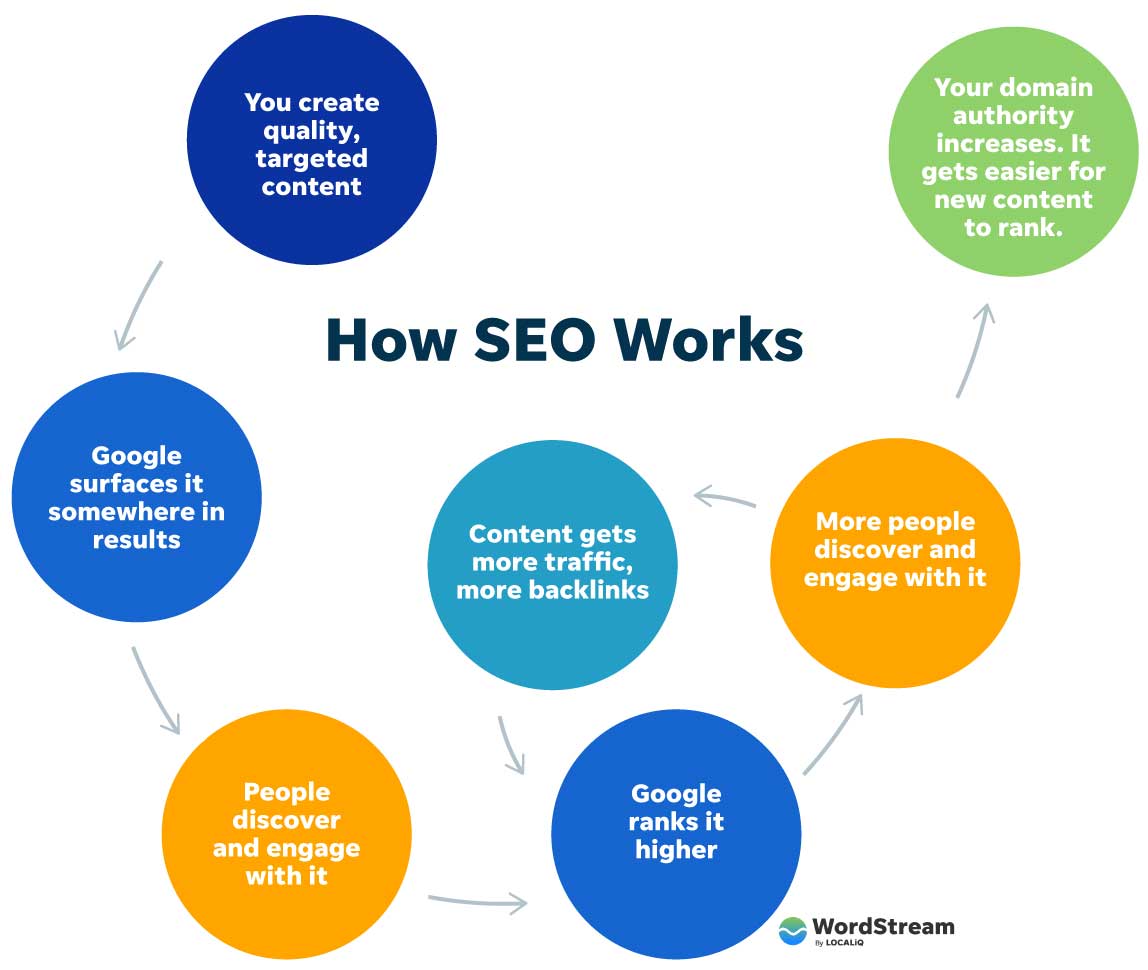
Search Engine Optimization, or SEO, is the practice of enhancing websites to achieve higher rankings in search engine results pages (SERPs). At its core, SEO involves optimizing site content, structure, and performance to attract organic traffic.
Imagine creating an amazing product but hiding it away in a dark room. SEO acts as the light that illuminates your product, making it visible to potential customers. It encompasses various strategies, like keyword usage, on-page optimization, and technical adjustments that ensure search engines can easily crawl and index your site.
Importance of SEO for Businesses
For businesses, the importance of SEO can’t be overstated. Here are some compelling reasons why investing in SEO is crucial:
- Increased Visibility : Effective SEO can significantly boost a company’s online presence, leading to higher organic traffic. More visitors mean more opportunities for conversions.
- Credibility and Trust : Websites that rank higher in SERPs are often perceived as reputable. Customers are more likely to trust businesses that appear on the first page of search results.
- Cost-Effective Marketing : Compared to traditional advertising, SEO is relatively economical. It builds lasting visibility without the recurrent cost of ads.
- Enhanced User Experience : SEO isn’t only about search engines; it also focuses on improving the user experience, making your website faster and easier to navigate.
In conclusion, understanding the basics of SEO sets the foundation for businesses to thrive in the digital landscape. Effective SEO strategies not only enhance visibility but also build credibility, making it indispensable for any business aiming for success online.

Keyword Research
Significance of Keyword Research
Building on the foundational understanding of SEO, keyword research emerges as a pivotal component of a successful online strategy. Essentially, keyword research involves identifying the terms and phrases that potential customers use when searching for information.
Picture this: You own a bakery, and you’re trying to attract more local customers online. Understanding that people search for “best chocolate cake in [your city]” can shape your entire content strategy. Here’s why keyword research is significant:
- Targeted Traffic : Proper keyword research helps attract visitors who are genuinely interested in your products or services. This targeted approach increases the likelihood of conversions.
- Content Ideas : By discovering popular search terms, you can generate relevant content that addresses the queries of your audience. For example, identifying “gluten-free recipes” can inspire blog posts or videos.
- Competitive Advantage : Knowing which keywords your competitors are ranking for can inform your strategy. You can identify gaps or underutilized keywords that you can capitalize on.
Tools for Keyword Research
Now that you understand its significance, let’s explore some valuable tools that can simplify the keyword research process:
- Google Keyword Planner : A free tool that provides keyword ideas along with search volume and competition insights.
- Ahrefs : While it requires a subscription, Ahrefs offers in-depth keyword analysis and competitor keyword tracking features.
- SEMrush : This tool provides comprehensive data on keywords, including their performance in various locations and on different devices.
- Answer The Public : This platform generates questions and phrases people are searching for, giving you additional content ideas tied to your keywords.
By utilizing these tools, businesses can harness the power of keyword research to amplify their online presence and cater to the interests of their audience effectively. Through strategic keyword implementation, companies can significantly enhance their SEO efforts and improve overall engagement.
On-Page Optimization
Titles, Meta Descriptions, and Headings
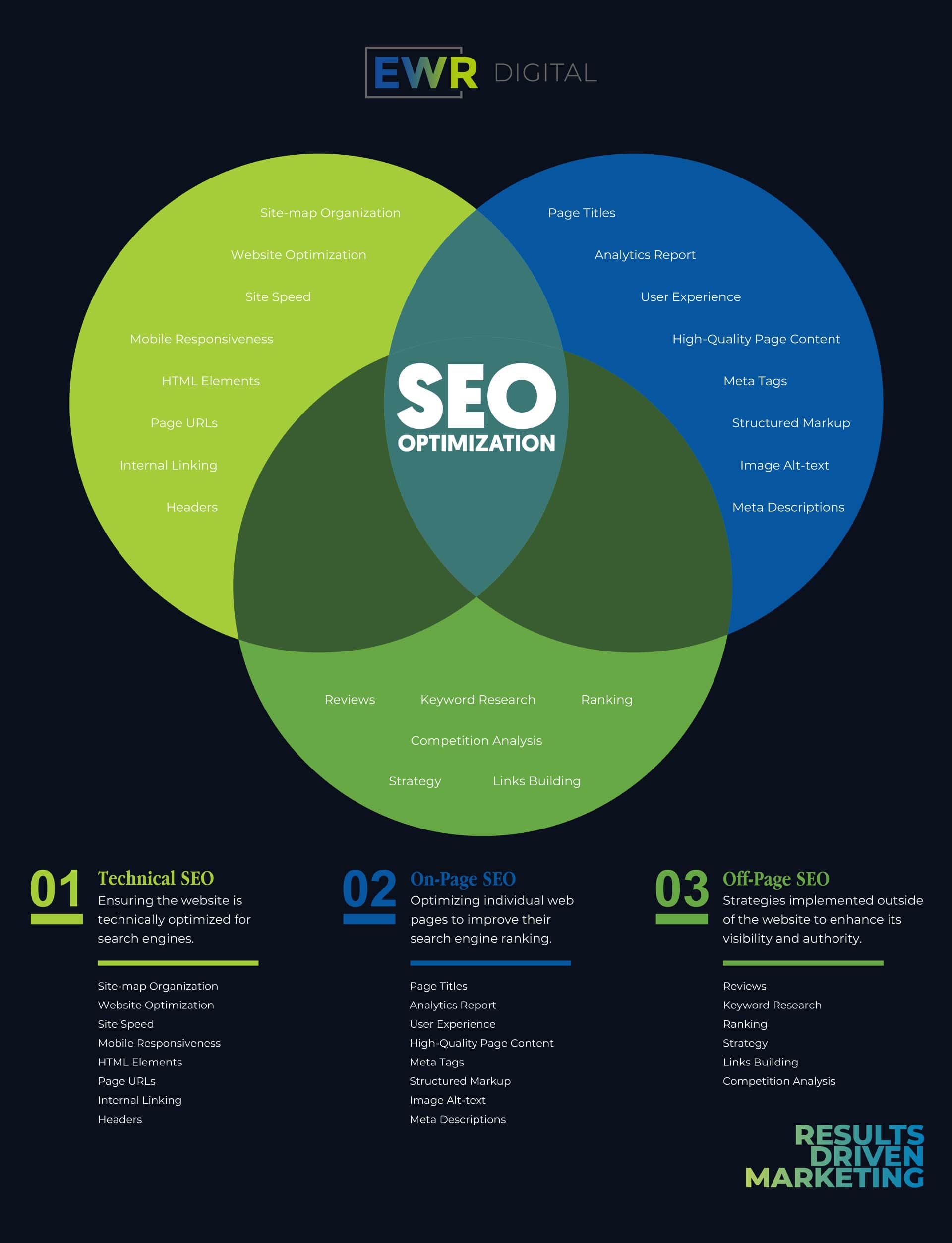
Transitioning from the importance of keyword research, it’s critical to understand how to effectively use those keywords through on-page optimization. This encompasses elements like titles, meta descriptions, and headings, which are vital to attracting both users and search engines.
- Titles : Your title tag is often the first thing people see in search results. Make it engaging and include your primary keyword, ideally toward the beginning. A clear title like “Best Gluten-Free Chocolate Cake Recipes” not only tells the reader what to expect but also boosts SEO.
- Meta Descriptions : This short summary provides an overview of your page and encourages users to click. Write compelling meta descriptions—incorporate your keyword and make it sound intriguing. For instance, “Discover delicious gluten-free chocolate cake recipes that are easy to make and sure to impress!”
- Headings (H1, H2, H3) : Use headings to break up your content logically. Make your H1 clear and use H2 and H3 tags for subtopics, integrating relevant keywords. This helps both readers and search engines understand your content structure.
Content Optimization Techniques
Once your titles and descriptions are set, focus on content optimization techniques to enhance readability and engagement:
- Keyword Placement : Naturally sprinkle your primary and secondary keywords throughout the content, especially in the first 100 words. However, avoid keyword stuffing; instead, aim for a natural flow.
- Internal and External Links : Linking to relevant internal pages and authoritative external resources not only boosts credibility but also helps search engines understand your content context.
- Use of Lists and Bullet Points : These break up the text and make it easier for readers to skim content. They highlight essential information, improving user experience.
- Image Optimization : Don’t forget about images! Use descriptive file names and alt text, incorporating keywords where appropriate to improve accessibility and SEO.
By mastering on-page optimization, businesses can create compelling content that resonates with their audience and ranks well in search engines. The goal is to enhance both user experience and search visibility, driving greater engagement and conversions.
Off-Page Optimization
Backlink Building Strategies
Continuing from the on-page optimization strategies, off-page optimization plays an equally crucial role in enhancing your website’s authority and visibility. One of the most effective methods of off-page optimization is backlink building. Backlinks, or inbound links from other websites to yours, signal to search engines that your content is valuable and trustworthy.
Here are some effective strategies for building backlinks:
- Guest Blogging : Writing high-quality guest posts for relevant blogs can earn you backlinks while positioning you as an authority in your field. For instance, if you run a health blog, contribute to a popular fitness site and include a link back to your page.
- Create Shareable Content : Developing infographics, videos, or comprehensive guides can encourage others to link back to your content. For example, “10 Easy Steps to Healthy Eating” could attract links from nutritionists, bloggers, and health enthusiasts.
- Engage in Online Communities : Participate actively in forums, social media groups, and online communities related to your industry. By contributing valuable comments and insights, you can subtly promote your website and gain backlinks.
Social Media and SEO
In today’s digital landscape, social media’s power cannot be underestimated. While it may not have a direct influence on SEO rankings, social media plays a critical role in overall online presence and engagement.
- Boosting Content Visibility : Share your blog posts and content across social media platforms to increase visibility. The more people see your content, the higher the chances it gets shared, leading to more backlinks.
- Engagement and Interaction : Social media is a great way to build connections with your audience. Respond to comments and messages promptly, as this can foster loyalty and encourage users to visit and link back to your website.
- Leverage Influencers : Partnering with influencers in your niche can amplify your reach. Their endorsement can lead to significant traffic and potential backlinks from their followers.
Incorporating these off-page optimization strategies can significantly enhance your website’s authority, drive more traffic, and improve your SEO overall. By focusing on building strong backlinks and harnessing the power of social media, businesses can bolster their online presence and create lasting connections with their audience.

Technical SEO
Website Speed and Performance
As we dive into the realm of technical SEO, one of the most crucial factors to consider is website speed and performance. Today’s users expect fast-loading sites; if your website takes too long to load, they’ll likely bounce back to the search results, harming your rankings and conversion rates.
Here are some tips to enhance your website speed:
- Optimize Image Sizes : Large images can significantly slow down your site. Use tools like TinyPNG or ImageOptim to reduce file sizes without sacrificing quality.
- Minimize HTTP Requests : Each element on your webpage (CSS files, images, scripts) requires an HTTP request. Reduce these by combining files or using CSS sprites to streamline the load process.
- Use a Content Delivery Network (CDN) : CDNs distribute your content across various servers worldwide, delivering it to users from the nearest location. This not only speeds up loading times but also provides redundancy if one server fails.
By focusing on website speed and performance, businesses can create a smooth user experience that keeps visitors engaged and boosts search engine rankings.
Mobile Optimization
Transitioning to mobile optimization, this aspect of technical SEO is more vital than ever. With the increased use of smartphones, search engines like Google prioritize mobile-friendly sites in their rankings.
To ensure your site is optimized for mobile users, consider these strategies:
- Responsive Design : A responsive design adjusts to different screen sizes, ensuring that your website is accessible and looks great on any device.
- Touchscreen-Friendly Elements : Make sure buttons and links are easy to tap on mobile devices. For instance, avoiding very small buttons that require precision can enhance user experience.
- Simplified Navigation : Mobile users may not have the patience for complex menus. Use simple, straightforward navigation to help them quickly find information.
In conclusion, integrating technical SEO practices like enhancing website speed and focusing on mobile optimization is crucial for improving user experience and retaining visitors. By addressing these elements, businesses can ensure they meet the demands of an ever-evolving digital landscape, ultimately fostering growth and online success.
Local SEO
Importance of Local SEO
As we shift our focus to local SEO, it’s essential to recognize its significance for businesses that operate on a regional level. Local SEO enables businesses to appear in search results specific to geographical locations, making it a crucial strategy for attracting local customers.
Consider the scenario of a coffee shop owner in a bustling city. If a potential customer searches for “best coffee near me,” it’s vital for the café to appear in those results. Here’s why local SEO is essential:
- Increased Visibility : Local SEO helps businesses gain prominence in their community, driving more foot traffic and local online searches.
- Targeted Traffic : By optimizing for local keywords (like “best Italian restaurant in [city]”), businesses can attract customers who are more likely to convert.
- Competitor Advantage : With most local searches leading to store visits, having solid local SEO can give you an edge over competitors who may not be utilizing these strategies effectively.
Google My Business Optimization
Now that we understand the importance of local SEO, let’s explore one of its key components: Google My Business (GMB) optimization. A well-optimized GMB listing can significantly enhance visibility in local searches.
Consider the following tips for optimizing your GMB profile:
- Complete Your Profile : Ensure that your listing includes all necessary information—business name, address, phone number, website, and operating hours. Accuracy is crucial for building trust.
- Add High-Quality Images : Photos of your business can grab attention and entice potential customers. Consider including images of your products, interior, and exterior, showcasing what makes your business unique.
- Collect Reviews : Encourage satisfied customers to leave positive reviews. Respond to reviews promptly; this engagement shows that you value customer feedback and enhances your reputation.
- Posts and Updates : Utilize GMB posts to share news, promotions, or events. This keeps your customers engaged and informed.
By prioritizing local SEO strategies and optimizing your Google My Business listing, businesses can significantly boost their local presence, attract more customers, and foster growth within their community. Local SEO not only enhances visibility but also creates meaningful connections with the customers who matter most.

Measuring SEO Success
Key Performance Indicators
Transitioning from localized optimization strategies, measuring SEO success is an essential step for any business looking to refine its online presence. To truly understand what’s working and what isn’t, you need to rely on key performance indicators (KPIs). These metrics give you quantifiable insights into your SEO performance.
Here are some important KPIs to focus on:
- Organic Traffic : Tracking the number of visitors who arrive at your site through organic search results is fundamental. An upward trend indicates successful SEO efforts.
- Keyword Rankings : Monitor how your target keywords rank on search engines. If you’re climbing the ranks, it means your optimization strategies are paying off.
- Bounce Rate : A high bounce rate may suggest that visitors aren’t finding what they expect. Aim for lower bounce rates to ensure the content is engaging enough to keep users on the page.
- Conversion Rate : Ultimately, you want visitors to take action—whether it’s making a purchase or signing up for a newsletter. Measuring conversions helps evaluate how well your SEO translates into results.
Tools for Analyzing SEO Performance
To effectively measure these KPIs, using the right tools is crucial. Various analytics platforms can help simplify this process and provide in-depth insights. Here are some top tools for analyzing SEO performance:
- Google Analytics : This powerful tool tracks user behavior on your website, providing insights into traffic sources, bounce rates, and conversion tracking.
- Google Search Console : An invaluable resource for monitoring keyword rankings, site errors, and performance metrics. It tells you how your site appears in search results.
- SEMrush : Offering comprehensive SEO analysis, SEMrush allows you to track your keywords, analyze competitors, and optimize your strategies based on data-driven insights.
- Ahrefs : This tool specializes in backlink analysis and can help identify new opportunities for link building while tracking your ranking progress over time.
By consistently monitoring these KPIs and utilizing analytical tools, businesses can adapt their SEO strategies to improve performance continually. Understanding your SEO success helps ensure that you allocate resources effectively, allowing for ongoing growth in the digital landscape.
Future Trends in SEO
Voice Search Optimization
As we look to the future of SEO, it’s increasingly clear that voice search is shaping how users interact with search engines. With the growing popularity of smart speakers and voice-activated assistants like Siri, Alexa, and Google Assistant, optimizing for voice search has become crucial for businesses.
Consider how people use voice search differently than traditional text queries. They tend to ask longer, more conversational questions. This shift means businesses need to adapt their SEO strategies accordingly:
- Long-Tail Keywords: Focus on natural language and long-tail keywords that reflect how people speak. For example, rather than “best pizza,” consider optimizing for “what is the best pizza place near me?”
- Structured Data Markup : Implementing structured data helps search engines understand the content context better, which is beneficial for answering voice queries effectively.
- Local Optimization : Since many voice searches have local intent (e.g., “find a nearby cafe”), ensure your local listings are optimized and up-to-date.
AI and Machine Learning in SEO
Transitioning to AI and machine learning, these technologies are reshaping SEO practices and strategies at an unprecedented pace. Search engines are continuously evolving, with algorithms increasingly driven by AI capabilities.
Here are a few ways AI and machine learning are influencing SEO:
- Improved Search Algorithms : Google’s use of AI, like BERT and RankBrain, helps it understand the context and intent behind searches more effectively. Businesses should create content that answers user intent rather than just focusing on keywords.
- Personalization : AI is enabling more personalized search experiences. This means understanding user behavior and preferences can help tailor website content to meet specific audience needs.
- Content Creation and Curation : AI tools can assist in content creation by analyzing trends and generating topic ideas. For instance, platforms like Jasper can help marketers draft content that resonates with target audiences.
As the digital landscape continues to evolve, staying ahead of trends like voice search optimization and the integration of AI into SEO strategies will be crucial. By embracing these changes, businesses can enhance their online visibility and connect more effectively with their audience, ensuring future success in an ever-competitive market.