
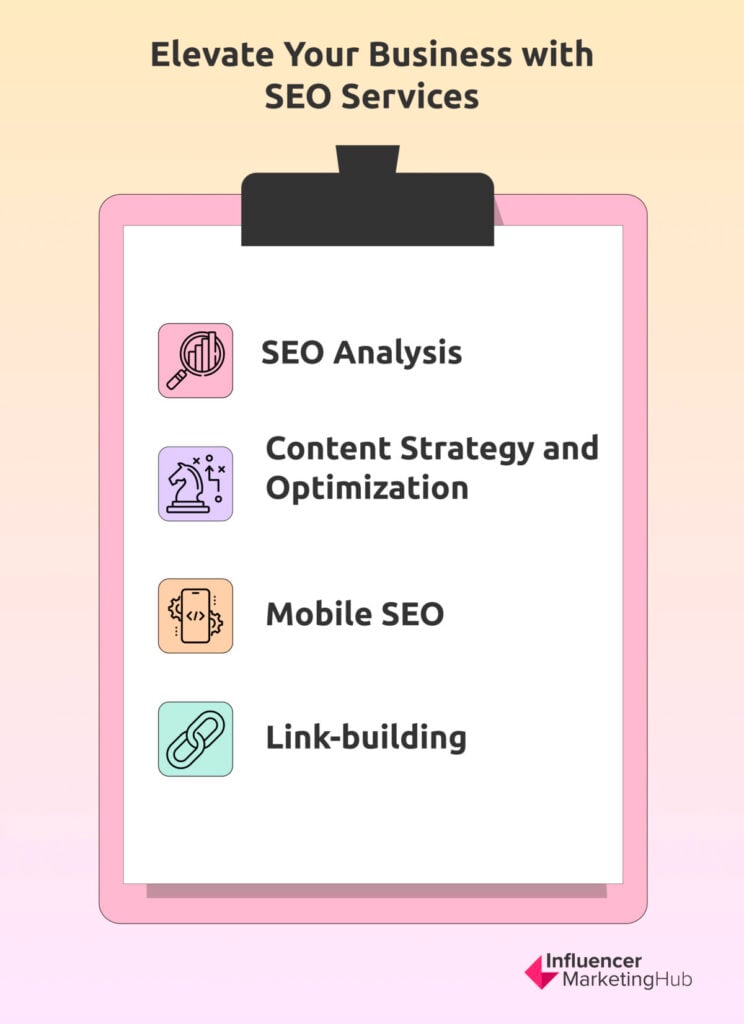
Understanding SEO Services
What are SEO Services?
SEO services encompass a variety of strategies and techniques aimed at improving a website’s visibility on search engines like Google. At their core, these services focus on optimizing a website’s structure, content, and overall health to rank higher in search engine results pages (SERPs). They include tasks such as keyword research, content creation, on-page optimization, and link building.
For instance, when a business owner decides to revamp their website, they’ll typically turn to SEO services to ensure that potential customers can easily find their site. This may involve hiring an SEO specialist to conduct a thorough analysis of the current website and propose actionable strategies tailored to the business’s specific goals. Different organizations have varying needs, which is why SEO services can be customized.
Importance of SEO for Website Ranking
The importance of SEO cannot be overstated. A well-optimized website garners the following benefits:
- Increased Visibility: Higher rankings in SERPs mean more exposure to potential customers. Research indicates that the majority of users click on the first few results.
- Enhanced User Experience: SEO practices also improve website navigation and load speeds, creating a better experience for visitors.
- Cost-Effective Marketing: Compared to traditional advertising, SEO delivers long-term results and can be more economical in the long run.
For example, a local bakery employing effective SEO strategies saw a significant spike in organic traffic after optimizing their website for keywords like “fresh bread near me.” By implementing dedicated SEO services, they not only improved their rankings but also boosted their customer base. Thus, investing in SEO is critical for any business aiming to thrive in the digital landscape.

Free Tools for Keyword Research
Google Keyword Planner
When diving into the world of SEO, the first tool many professionals turn to is Google Keyword Planner. This free tool provides invaluable insights into keyword search volume, competition, and trends. It’s particularly useful for identifying which keywords can drive traffic to your website.
For example, if you’re running a fitness blog, you can use Google Keyword Planner to discover keywords like “best workout routines” or “healthy meal plans” that potential readers are searching for. Simply input a few seed keywords, and the tool will generate a list of related keywords, complete with data on how often they’re searched. This helps you prioritize which terms to focus on, ensuring you’re targeting the right audience.
AnswerThePublic
Another fantastic resource is AnswerThePublic. This tool visualizes search questions and phrases related to your keywords, providing a treasure trove of ideas for content creation. Enter a keyword, and it generates a mind map of questions people are asking.
For instance, typing “digital marketing” might reveal queries like “What is digital marketing?” or “How does digital marketing work?” This not only helps in selecting the right keywords but also inspires blog topics around common questions within your niche.
Ubersuggest
Finally, Ubersuggest is a robust keyword research tool that offers suggestions, search volume, and competitive analysis—all for free. It’s user-friendly, making it accessible even for beginners.
Just enter a keyword, and Ubersuggest will generate a list of related terms along with their metrics. This could be particularly beneficial if you’re exploring topics like “home gardening.” With Ubersuggest, you might discover related keywords such as “container gardening” or “organic gardening tips,” which can guide your content strategy and ultimately improve your website’s SEO performance.
Utilizing these tools can streamline your keyword research process, ensuring that you’re not just throwing darts in the dark but rather targeting well-researched keywords that attract organic traffic.
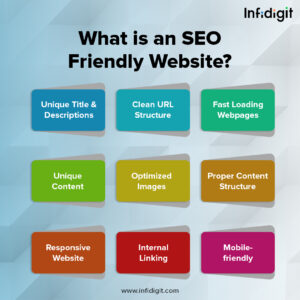
Creating SEO-Friendly Content
Importance of Quality Content
Transitioning from keyword research, the next crucial step in your SEO strategy is creating quality content. High-quality content not only engages readers but also keeps them coming back for more. It’s essential to remember that search engines prioritize content that provides real value.
For example, a travel blog that shares personal stories about unique experiences will resonate more with visitors than a generic list of destinations. Quality content often includes:
- In-depth Information: Cover topics thoroughly to position yourself as an authority.
- Engaging Storytelling: Utilize anecdotes to connect with readers on a personal level.
- Visual Elements: Incorporate images, infographics, and videos to enhance the reader’s experience.
Utilizing Keywords Effectively
Once you have your high-quality content ready, the next step is to utilize your keywords effectively. Integrating keywords naturally throughout your content is key.
Here’s how to do it:
- Strategic Placement: Include keywords in headings, subheadings, and the first 100 words.
- Variation: Use a mix of primary and secondary keywords to avoid sounding robotic.
- Readability: Always prioritize the reader’s experience. Stuffing keywords can detract from the flow and quality of the content.
Importance of Meta Tags
Finally, don’t overlook the importance of meta tags. These tags—like the title tag and meta description—offer crucial information about your content to search engines and users alike.
A well-crafted title tag should include relevant keywords and be enticing enough to encourage clicks. Similarly, the meta description, limited to about 150-160 characters, provides a concise summary of the page content. Together, these elements increase the likelihood of your content appearing in search results and attracting potential visitors.
In conclusion, creating SEO-friendly content requires a delicate balance of quality, keyword integration, and metadata optimization. When executed effectively, these strategies can significantly enhance your website’s visibility and ranking in search engines.
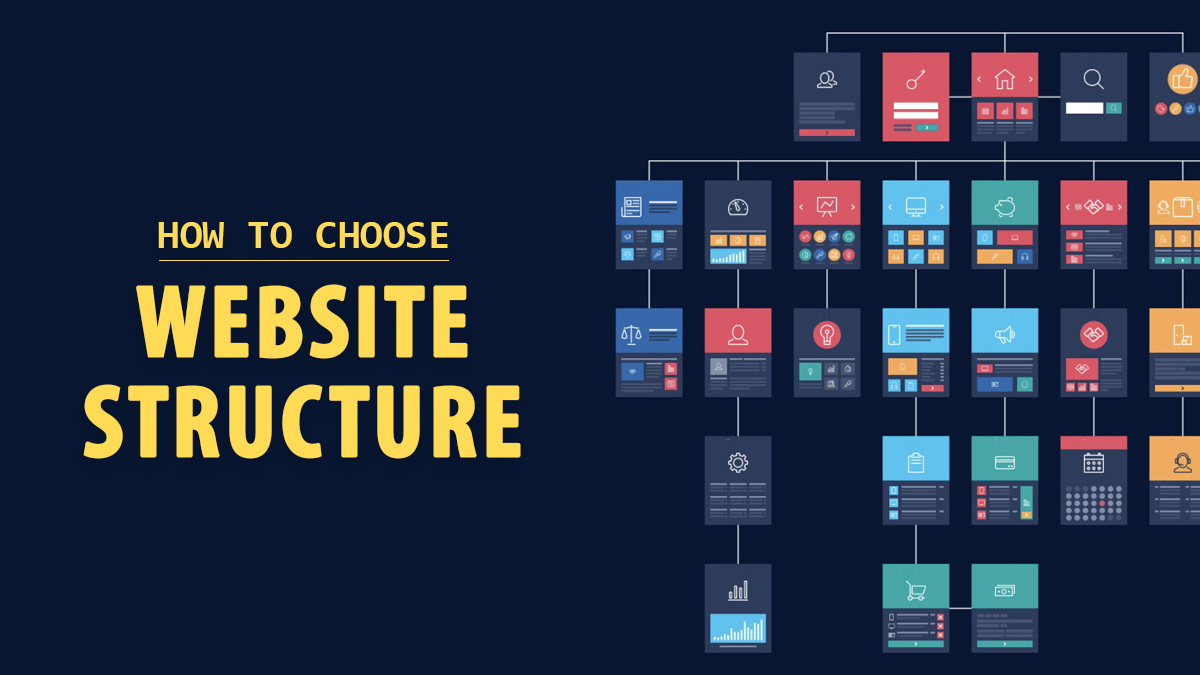
Optimizing Website Structure
Importance of Site Structure
Having discussed the creation of quality content, the conversation leads us to an equally vital aspect of SEO: optimizing your website structure. A well-organized site structure enhances user experience and search engine crawlability. It allows both users and search engines to navigate your website seamlessly.
Consider a well-laid-out library: when books are organized methodically, finding a specific title becomes a breeze. Similarly, a website with a logical hierarchy—where related pages are grouped together—helps visitors locate information quickly. Essential points to remember include:
- Hierarchical Design: Use categories and subcategories to create a clear path to your content.
- Internal Linking: Connect related pages with hyperlinks; this not only guides users but also helps search engines understand your site’s context.
User-Friendly Navigation
With the site structure in place, user-friendly navigation is the next step in enhancing the user experience. A website that allows users to find what they’re looking for without frustration can lead to longer visit durations and lower bounce rates.
Here are some key elements of effective navigation:
- Simple Menus: Keep your navigation bar limited and straightforward. Too many options can overwhelm visitors.
- Search Bar: Including a search function helps users find specific content quickly.
- Breadcrumbs: This navigational aid shows users the path they’ve taken, which is helpful for backtracking.
Mobile Optimization
Lastly, with the rise of mobile browsing, optimizing your website for mobile devices is more critical than ever. A responsive design ensures that your site displays well on any screen size, making it user-friendly for anyone accessing it on their smartphone or tablet.
Elements to consider for mobile optimization include:
- Responsive Layouts: Ensure your content adapts fluidly to different screen sizes.
- Fast Loading Times: Mobile users are often on the go; slow-loading pages can cause frustration and lead to higher bounce rates.
- Touch-Friendly Elements: Buttons and links should be easy to click without zooming in.
In conclusion, an optimized website structure not only enhances user experience but also significantly contributes to your SEO efforts. By focusing on site hierarchy, navigation, and mobile responsiveness, you create an inviting space for both users and search engines, paving the way for improved rankings and user satisfaction.
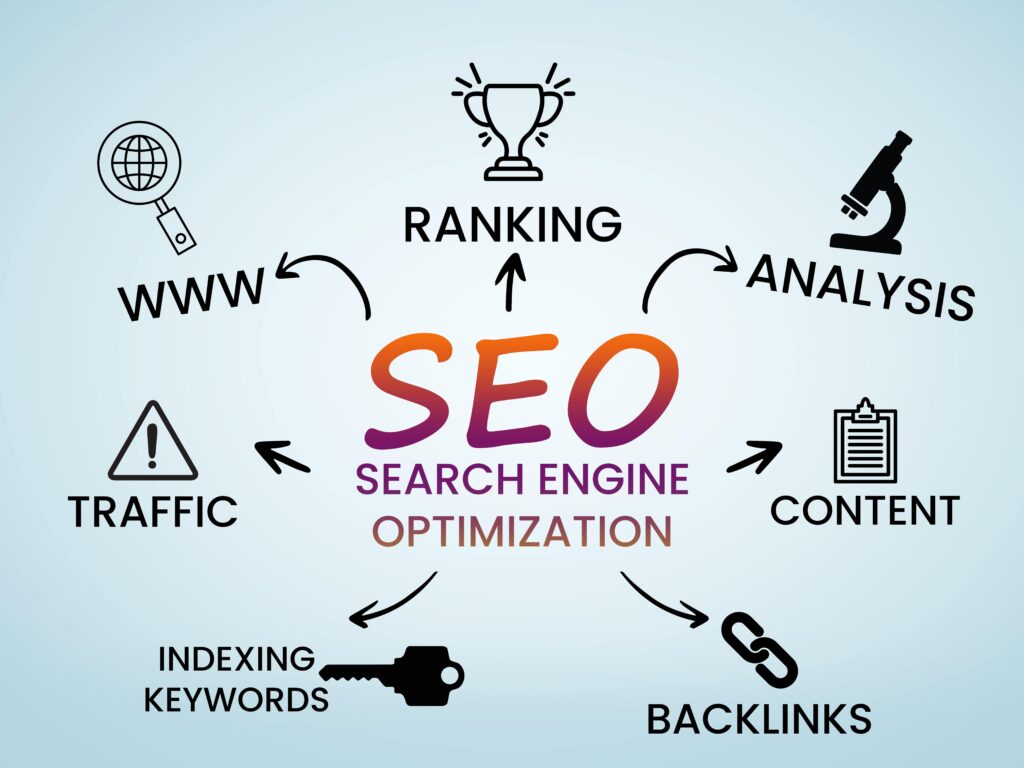
Utilizing Backlinks for SEO
Importance of Backlinks
Building upon the previous discussion of website structure, it’s essential to turn our attention to backlinks, a fundamental element of effective SEO. Backlinks, or inbound links, are links from other websites that point back to your own. They serve as votes of confidence, indicating to search engines that your content is credible and valuable.
Why are backlinks so important? Here are a few key reasons:
- Improved Authority: Search engines like Google consider the quantity and quality of backlinks as indicators of your site’s authority. The more reputable sites link to yours, the higher your content is likely to rank.
- Increased Traffic: Backlinks not only enhance your SEO but can also drive direct traffic from sites that link to yours, giving your content broader exposure.
For example, a personal finance blog might gain significant traffic if a leading financial news site links to their article on budgeting tips.
Guest Posting
One effective strategy for earning backlinks is guest posting. This involves writing articles for other blogs in your niche and including a link back to your site within the content. Not only does this allow for backlink acquisition, but it also helps you reach a new audience.
When considering guest posting:
- Target Relevant Sites: Focus on blogs that share a similar target audience.
- Quality Over Quantity: Prioritize creating high-quality, valuable content that resonates with readers.
- Include Bio Links: Many platforms allow you to include a bio with a link to your site, giving you an additional opportunity for backlinking.
Building Internal Links
Lastly, while external backlinks are crucial, don’t forget about internal links—the links that connect your own pages. Internal linking can also enhance SEO by guiding visitors through your content while signaling to search engines how your site is structured.
Key points to consider when building internal links:
- Relevant Connections: Ensure that your internal links lead to relevant content to maintain a smooth user experience.
- Strategic Placement: Place internal links in context, preferably within the first 100-150 words of your page or in the middle of the content where a related topic is discussed.
- Anchor Text Use: Use descriptive and relevant anchor text for your links, as this helps users and search engines understand the linked content better.
In summary, leveraging backlinks—be it through guest posting or effective internal linking—plays a significant role in bolstering your SEO strategy. By strategically acquiring and utilizing backlinks, you can enhance your site’s authority, drive more traffic, and ultimately improve your search engine rankings.

Monitoring and Analytics
Importance of Tracking Performance
As we transition from discussing backlinks to monitoring and analytics, it’s crucial to highlight the importance of tracking performance. Understanding how your website performs gives you insights into what’s working and what needs improvement. It’s comparable to a coach reviewing game footage to refine strategy; you need data to make informed adjustments.
Consider the following reasons why tracking performance is essential:
- Identifying Trends: By monitoring key metrics, you can spot trends over time, such as peak visitor times or which pages are performing best.
- Assessing ROI: Analytics helps you measure the return on investment (ROI) of your SEO efforts, ensuring your resources are being effectively allocated.
- Data-Driven Decisions: Instead of relying on guesswork, you can base your strategies on concrete data, allowing for continual improvement.
Google Analytics
One of the most powerful tools for monitoring website performance is Google Analytics. This free tool provides a wealth of data, including user behavior, traffic sources, and demographics.
For example, after implementing some SEO strategies, you might notice an uptick in organic traffic. Google Analytics allows you to dive deeper by showing where your visitors are coming from, what keywords they’re using, and how long they’re staying on your site. You can track:
- User Engagement: Monitor the average session duration and bounce rate.
- Traffic Sources: See the percentage of traffic coming from organic searches versus referrals or social media.
- Goal Tracking: Set and track specific goals like form submissions or product purchases to measure the effectiveness of your calls to action.
SEO Audit Tools
In addition to Google Analytics, SEO audit tools play a crucial role in monitoring performance. These tools meticulously evaluate various aspects of your website for SEO compliance. Some popular options include SEMrush, Ahrefs, and Moz.
These tools help you:
- Identify Issues: Spot technical issues like broken links, missing meta tags, or slow page load times, which can hinder your rankings.
- Track Keyword Rankings: Monitor your keyword positions and changes over time.
- Competitor Analysis: Understand what your competitors are doing and how you can improve upon their strategies.
In conclusion, monitoring and analytics are vital for any effective SEO strategy. By utilizing Google Analytics and SEO audit tools, you can track your performance, make data-driven decisions, and ultimately enhance your website’s success in search rankings. With the right insights, adjusting your strategy becomes not just possible, but practicable, paving the way to improved online visibility.

Community Engagement and Social Media
Social Media Impact on SEO
Transitioning from the analytical aspects of SEO, let’s delve into the powerful realm of community engagement and social media. These platforms not only foster connections but also play a pivotal role in your SEO strategy. While social media metrics may not directly influence search rankings, they significantly impact visibility and site traffic.
When your content is shared on social media, it increases the likelihood of backlinks and engagement, which are essential for SEO. For instance, a blog post that garners attention on Facebook or Twitter can attract new visitors who may link back to your original content. Consider this:
- Increased Exposure: Sharing valuable content across social platforms reaches a wider audience.
- Boost in Traffic: A surge in social media shares often leads to spikes in website traffic.
- Brand Authority: Active social media presence builds credibility, which in turn, enhances your online visibility.
Importance of Engagement
Engagement on social media is not merely about content creation; it’s equally regarding how well you interact with your audience. Genuine engagement helps develop trust and fosters a loyal community.
To optimize engagement, consider these strategies:
- Respond to Comments: Take time to answer questions and respond to comments on your posts—this shows you value your audience’s input.
- Post Regularly: Consistency in posting keeps your audience engaged and informed.
- Use Interactive Content: Polls, quizzes, and live sessions encourage participation and gather insights about your audience’s preferences.
Building a Strong Online Community
Finally, building a strong online community is fundamental for long-term success. An engaged community provides valuable feedback, support, and loyalty, which fuels your SEO efforts.
- Create a Sense of Belonging: Foster connections by encouraging discussions around shared interests.
- Host Online Events: Webinars and virtual meetups can elevate community interaction.
- User-Generated Content: Encourage followers to share their experiences related to your brand—this not only builds community but also generates authentic content.
In conclusion, integrating community engagement and social media into your SEO strategy is an essential step towards holistic growth. By leveraging social media’s reach, fostering engagement, and cultivating a strong community, you can enhance your brand’s presence and improve your website’s performance in search engine rankings. Engaging with your audience authentically ensures your content not only reaches but resonates with them, creating lasting relationships and a more robust online presence.

Conclusion
Summary of Key Strategies
As we wrap up our exploration of SEO, it’s essential to recap the key strategies we’ve discussed that can elevate your online presence. Each element contributes to a robust SEO framework, amplifying your visibility and engagement.
- Understanding SEO Services : Start with a solid grasp of what SEO entails and the specific services that can help improve your website’s ranking.
- Effective Keyword Research : Utilize free tools like Google Keyword Planner, AnswerThePublic, and Ubersuggest to identify relevant keywords that resonate with your target audience.
- Creating SEO-Friendly Content : Focus on producing high-quality, engaging content that employs keywords effectively and utilizes meta tags for better SEO performance.
- Optimizing Website Structure : Ensure your site is organized and easy to navigate, with mobile optimization as a priority to cater to all users.
- Utilizing Backlinks : Leverage guest posting and internal links to enhance your site’s authority and improve your search rankings.
- Monitoring Performance : Use tools like Google Analytics and SEO audit tools to track your progress and make data-driven decisions.
- Engaging with Community : Build a strong online community through social media to expand your reach and foster customer relationships.
Final Tips for SEO Success
To wrap up, here are some final tips for achieving SEO success:
- Stay Informed : SEO is ever-evolving; keep abreast of the latest trends and algorithm changes to adapt your strategy accordingly.
- Be Consistent : Regularly update your content and engage with your audience to build credibility and trust.
- Test and Optimize : Experiment with different strategies, analyze the outcomes, and refine your approaches based on data.
Remember, SEO is a marathon, not a sprint. Patience and perseverance will yield results over time. By implementing these strategies and tips, you’ll be well on your way to enhancing your website’s performance and achieving your business goals. Embrace the journey of continuous improvement, and soon you’ll see your efforts translate into tangible results.