

Introduction
Understanding SEO Site Analyzers
In today’s digital landscape, having a website is not enough; what truly matters is how visible that website is to potential visitors. This is where SEO site analyzers come into play. These powerful tools help website owners understand how their sites perform in terms of search engine optimization (SEO). By providing insights into various SEO metrics, they can highlight strengths and weaknesses, thus guiding effective optimization strategies.
For example, imagine running a small bakery and having an attractive website but still struggling to attract customers. An SEO site analyzer can identify that the website lacks important keywords or has poor load speeds, directing you towards actionable improvements.
Importance of Website Rankings
Website rankings are crucial for online success. Higher rankings in search results significantly increase visibility, leading to more organic traffic and potential conversions. Consider the following points:
- First Impressions Matter : Most users rarely scroll beyond the first page of search results.
- Credibility : Higher rankings often correlate with trust—users assume higher-ranked sites are more reputable.
- Increased Traffic : Better rankings lead to a greater number of visitors, which can ultimately translate to higher sales.
In essence, understanding the functions of SEO site analyzers and the importance of website rankings can set the foundation for building a successful online presence.

Fundamentals of SEO Site Analyzers
What are SEO Site Analyzers?
SEO site analyzers are specialized tools designed to evaluate various aspects of a webpage’s SEO health. They can be a game-changer for anyone looking to improve their online visibility. By scanning websites for performance metrics, these analyzers help users understand how well their content is optimized for search engines.
For instance, a local dog grooming business may utilize an SEO site analyzer to assess their website’s key factors. These tools can reveal issues like missing meta tags, broken links, or image alt text that hasn’t been optimized—all critical components that influence rankings on search engines.
How do SEO Site Analyzers Work?
The magic of SEO site analyzers lies in their ability to compile and analyze vast amounts of data. Here’s a general overview of how they work:
- Crawling : Just like search engines, SEO analyzers crawl your website to gather data on its pages.
- Evaluation : They assess components like backlinks, keyword density, site loading speed, and mobile friendliness.
- Reporting : Once the analysis is complete, they generate a report highlighting areas that require improvement.
By understanding how these tools function, website owners can take a proactive approach to enhance their site’s performance. Implementing the recommendations from an SEO site analyzer can lead to significant improvements in search engine rankings and user engagement.
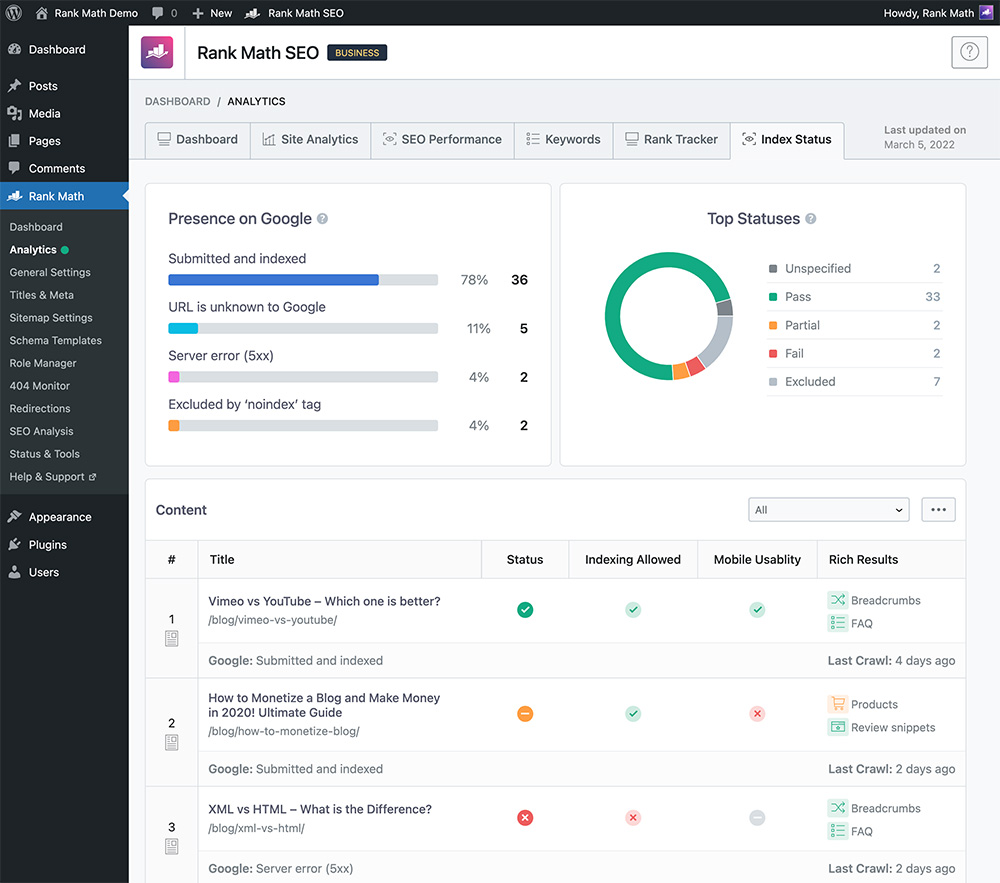
Advanced Features of SEO Site Analyzers
Analyzing Keyword Performance
One of the standout features of SEO site analyzers is their ability to analyze keyword performance. This involves diving deep into how well selected keywords are ranking in search queries. For instance, a blogger focusing on healthy recipes can use an SEO analyzer to discover which keywords are driving traffic to their site and whether these keywords are competitive.
Key insights might include:
- Keyword Ranking : Track where each keyword ranks in search results.
- Search Volume : Understand how often users search for those keywords.
- Click-Through Rate (CTR) : Evaluate how many users click on your website after searching for those keywords.
By knowing which keywords are effective, website owners can refine their content strategies to include high-performing keywords.
Monitoring Backlinks and Referral Traffic
Another critical feature is monitoring backlinks and referral traffic. Backlinks are vital as they not only drive traffic but also serve as a vote of confidence from other websites. An SEO site analyzer provides tools to track:
- Quality of Backlinks : Identify which sites are linking back to you and their relevance.
- Referral Traffic : Measure how much traffic is being directed from these links to your site.
- Anchor Text Analysis : Understand what keywords are associated with your backlinks.
Regularly assessing these factors can help website owners maintain a robust backlink profile and ensure that referral traffic is contributing positively to their site’s SEO health.
Assessing On-Page Optimization
On-page optimization is the backbone of any successful SEO strategy, and SEO analyzers shine in this area as well. They assess various elements of web pages, including:
- Meta Tags : Evaluate the effectiveness and relevance of title tags and meta descriptions.
- Content Quality : Analyze the readability and optimization of content for chosen keywords.
- Internal Linking : Examine how effectively links are used within the site to promote engagement.
By leveraging these advanced features, website owners can develop a more nuanced understanding of their SEO performance, guiding them towards informed decisions that can lead to dramatic improvements in site visibility and traffic.

Leveraging SEO Site Analyzers for Improved Rankings
Identifying Areas for Improvement
After understanding the advanced features of SEO site analyzers, the next step is to leverage these tools to identify areas for improvement. Often, even small tweaks in SEO can make a significant difference in rankings. For instance, an online retail store may receive a report revealing slow page loading times and missing alt tags for images.
Here are some common areas that these analyzers can highlight:
- Page Speed : Identifies slow-loading pages that could deter visitors.
- Content Gaps : Reveals topics or keywords that competitors are ranking for but you are not.
- Broken Links : Lists any internal or external links that are non-functional.
By pinpointing these issues, website owners can focus their efforts on specific areas needing enhancement, ultimately leading to better performance.
Implementing SEO Strategies Based on Analyzer Reports
Once areas for improvement are identified, the next logical step is implementing SEO strategies derived from analyzer reports. Having actionable insights is invaluable.
For example, if an analyzer report suggests optimizing title tags, a business can:
- Update Title Tags : Create more compelling and keyword-rich titles for target pages.
- Enhance Content : Add relevant keywords based on analysis, making sure they blend naturally within the content.
- Optimize Images : Add alt text to all images for better search engine indexing.
Incorporating these strategies can lead to a more attractive and user-friendly website, promoting higher search engine rankings. Furthermore, consistently refining these areas can turn a mediocre website into a top competitor in its niche, driving more organic traffic and increasing overall engagement.

Comparing Top SEO Site Analyzers
When it comes to SEO site analyzers, there are dozens of options, but some stand out due to their comprehensive features and user-friendly interfaces. Here, we’ll compare three top contenders, focusing on their unique benefits.
SEO Site Analyzer A: Features and Benefits
SEO Site Analyzer A is renowned for its powerful keyword analysis tools. This analyzer allows users to:
- Track Keyword Rankings : Easily monitor your site’s performance against selected keywords.
- Competitor Research : Gather insights on competitor keywords and strategies.
- User-Friendly Dashboard : Offers simple navigation that makes it easy for beginners.
Many users appreciate how it consolidates performance metrics in one place, making it easier to strategize.
SEO Site Analyzer B: Features and Benefits
SEO Site Analyzer B shines with its comprehensive backlink analysis. This tool helps users:
- Audit Backlink Profiles : Identify toxic links and opportunities for high-quality backlinks.
- Referral Traffic Insights : Monitor where your traffic is coming from.
- Custom Reports : Generate tailored reports for a deeper understanding of your site’s SEO standing.
Its focus on backlinks helps enhance authority and visibility in search engines, especially for businesses relying on strong referral traffic.
SEO Site Analyzer C: Features and Benefits
SEO Site Analyzer C stands out for its on-page optimization assessments. This analyzer offers:
- Content Optimization Guidelines : Provides actionable recommendations for content improvement.
- Site Structure Evaluation : Analyzes internal linking and site architecture.
- Mobile-Friendliness Tests : Ensures your website performs well on mobile devices, increasingly essential for SEO.
Many users find that its detailed on-page analysis leads to quick wins for improving search engine rankings, particularly for sites looking to enhance user experience.
With the right SEO site analyzer, website owners can make informed decisions to elevate their site’s performance and achieve better rankings in search results. Each tool offers valuable insights that cater to various aspects of SEO, so choosing the right one will depend on specific needs and goals.

Maximizing Results with Actionable Insights
Having explored various SEO site analyzers and their features, the next step is to maximize results through actionable insights derived from the data they provide.
Interpreting Analyzer Data
Interpreting the data from your SEO site analyzer is crucial. It’s not just about gathering metrics; it’s about understanding what those metrics mean for your website’s performance. For example, a drop in organic traffic may not only indicate poor rankings but could also signal an algorithm change or emerging competitors.
To make sense of the data, consider these steps:
- Correlation vs. Causation : Identifying whether one metric affects another can be tricky. Dive deeper to ensure you grasp the relationship.
- Trends Over Time : Look for patterns rather than focusing solely on individual data points, as trends can provide more significant insights.
- Benchmarking : Compare your site’s metrics to industry standards to assess where you stand.
Optimizing Website Performance Based on Findings
Once you’ve interpreted the data, the next pivotal step is optimizing your website performance based on your findings. This can be a game-changer for your SEO efforts.
For instance, if your analysis reveals that specific keywords are underperforming, you could:
- Refine Content : Update old blog posts or product pages with better keyword targeting and richer content.
- Enhance Load Times : If page speed is an issue, consider optimizing images or reducing server response times.
- Improve Mobile Usability : Ensure that your site is responsive to provide a seamless experience on all devices.
By implementing these optimizations, you position your website to gain improved visibility and engagement, translating the insights from your SEO site analyzer into meaningful results for your audience. Actionable insights derived from thorough analysis can ultimately lead to higher rankings and increased organic traffic.

Challenges and Pitfalls in SEO Site Analysis
While SEO site analyzers are invaluable tools for improving website performance, there are challenges and pitfalls that users should avoid. Understanding these potential mistakes can save time and enhance the effectiveness of your SEO strategies.
Common Mistakes to Avoid
One common mistake website owners make is placing too much focus on one single metric, such as keyword rankings, without considering the bigger picture.
Here are additional pitfalls to watch out for:
- Neglecting User Experience : Rankings may improve, but if user experience suffers, bounce rates will rise, negating any gains.
- Ignoring Technical SEO : Failing to address technical elements like crawl errors can hinder overall performance.
- Infrequent Analysis : Many website owners only conduct SEO analysis sporadically, missing out on crucial insights and trends.
For instance, a small e-commerce business might achieve great keyword rankings but ignore their site’s loading speeds, which could frustrate potential customers and lead to lost sales.
Overcoming Technical Limitations of Analyzers
Technical limitations are another challenge faced by users. Not all SEO analyzers provide the same depth of analysis or real-time data, which can lead to incomplete insights.
To overcome this, consider the following strategies:
- Use Multiple Tools : Leverage different analyzers for varied perspectives and comprehensive analysis.
- Regularly Update Your Knowledge : Stay informed about the capabilities of your chosen SEO tools and how to use them effectively.
- Supplement Analyzer Insights with Manual Checks : Regularly conduct manual audits and user experience tests to validate the data and complement what the analyzer indicates.
By being aware of these common mistakes and addressing the technical limitations of SEO analyzers, website owners can navigate their SEO efforts more effectively. This not only enhances their understanding of data but ultimately leads to better-informed decisions for optimization.

Future Trends in SEO Site Analysis
As the digital landscape evolves, so do the tools for SEO site analysis. Keeping an eye on future trends can help website owners stay ahead of the curve and maximize their online presence.
Machine Learning and AI Integration
One of the most exciting trends in SEO site analysis is the integration of machine learning and artificial intelligence (AI). These technologies allow for more sophisticated analysis and insights that can enhance SEO strategies.
For example, AI algorithms can analyze vast amounts of data to identify patterns and trends that human analysts might overlook. Some benefits include:
- Automated Insights : Tools can deliver real-time recommendations based on ongoing analysis, making recommendations more dynamic.
- Personalized User Experience : Machine learning can help tailor content and experiences to individual users based on their behavior and preferences.
- Enhanced Keyword Analysis : AI can identify emerging keywords or shifts in user behavior, enabling timely adjustments to content strategies.
Predictive Analysis for SEO Strategies
Alongside AI, predictive analysis is another trend shaping the future of SEO site analysis. This approach utilizes data analytics to forecast future trends and behaviors, allowing businesses to stay proactive rather than reactive.
Key advantages of predictive analysis include:
- Forecasting Rankings : Predict how changes in content or SEO strategies could impact future rankings.
- Trend Spotting : Identify potential shifts in user queries or preferences ahead of time.
- Resource Allocation : Optimize marketing budgets and focus on high-potential areas based on data-driven predictions.
By leveraging these futuristic trends in SEO site analysis, website owners can cultivate a forward-thinking approach, ensuring that their strategies remain relevant and effective in an ever-evolving digital milieu. Embracing these advancements may very well be the key to staying competitive in the future landscape of search engine optimization.

Case Studies: Successful Implementation of SEO Site Analyzers
To truly understand the impact of SEO site analyzers, let’s dive into some real-world case studies illustrating their successful implementation.
Company A: Achieving Top Rankings
Company A, a local plumbing service, struggled to gain visibility in search results despite a solid website. After conducting an SEO analysis, they discovered significant gaps in keyword optimization. By focusing on high-value, location-based keywords and utilizing the recommendations from their analyzer, they achieved top rankings for searches related to plumbing services in their area. In just six months, their organic traffic increased by over 150%, positioning them as a leading service provider in their region.
Company B: Increased Organic Traffic
Company B, an e-commerce retailer specializing in sustainable products, faced stagnant website traffic. They turned to an SEO site analyzer, which highlighted low-quality backlinks and poor on-page optimization. After addressing these issues and refreshing their content, Company B saw a surge in organic traffic by 200% within a year. This not only boosted their visibility but also translated into a significant increase in sales, showcasing the power of targeted improvements.
Company C: Enhanced User Experience
Company C, a travel blog, had great content but suffered low engagement rates. By conducting an SEO analysis, they identified slow load times and non-responsive design as major hurdles. By implementing recommended changes—such as optimizing images and enhancing mobile usability—they created a more enjoyable browsing experience. As a result, the blog saw a 50% reduction in bounce rates and a marked improvement in user satisfaction, ultimately leading to a higher return visit rate.
These case studies illustrate how effectively leveraging SEO site analyzers can transform a website’s performance, boost rankings, increase traffic, and enhance user experience—validating the importance of incorporating these tools into any SEO strategy.

Conclusion
As we’ve explored throughout this article, SEO site analyzers are indispensable tools for anyone seeking to optimize their website and improve search engine rankings.
Recap of Benefits of SEO Site Analyzers
The benefits of incorporating these analyzers into your SEO strategy are numerous:
- In-depth Analysis : They provide comprehensive insights into various performance metrics, allowing for a thorough understanding of your site’s SEO health.
- Actionable Insights : With clear data-driven recommendations, users can focus their optimization efforts on areas that yield the highest returns.
- Continuous Monitoring : Regular analysis ensures that your strategies can be adjusted quickly as the digital landscape evolves.
For instance, many companies have successfully harnessed the power of these tools to identify and correct issues, resulting in improved rankings and increased organic traffic—demonstrating their essential role in the modern SEO toolkit.
Final Thoughts on Revolutionizing Website Rankings
In today’s competitive online environment, simply having a website is not enough. SEO site analyzers revolutionize the way businesses approach their online visibility by providing the insights needed for effective optimization.
Investing time and resources into understanding and using these tools can lead to passionate users discovering your content. Think of it as turning the lights on in a dark room—you suddenly see the pathway to success. So, whether you are a small business owner, a seasoned blogger, or an eCommerce giant, leveraging SEO site analyzers can be a game-changer in your quest for exceptional visibility and growth in your web presence. Embrace the power of data to drive your digital future!