

The Evolution of B2B Content Marketing
Historical Overview of B2B Content Marketing
B2B content marketing has transformed dramatically over the past two decades, evolving from simple brochures and newsletters to multifaceted digital experiences. Initially, businesses relied heavily on traditional media to reach their audience. The launch of the internet in the late 1990s marked a pivotal shift.
As more companies recognized the power of online visibility, content started emerging as a strategic asset. Consider this:
- 1990s: Companies began creating websites, focusing solely on product offerings without any regard for valuable content.
- 2000s: The rise of blogs turned the tide as companies started sharing insights, establishing thought leadership.
- 2010s: Social media became a game-changer. Platforms like LinkedIn allowed businesses to connect with potential clients and share rich, engaging content.
In these early stages, B2B content was often one-dimensional, focusing primarily on transactional information. A notable example is how tech companies began producing whitepapers detailing their innovations, which helped establish credibility in a burgeoning market.
Trends Shaping the Future of B2B Content
As businesses continue to adapt to ever-evolving market dynamics, several key trends are emerging that are set to shape the future of B2B content marketing:
- Video Content: With platforms like YouTube and social media prioritizing video, companies that incorporate video into their strategies can drive higher engagement rates.
- Personalization: B2B buyers expect tailored experiences. Brands that leverage data analytics to deliver personalized content will likely gain a competitive advantage.
- Interactive Content: Quizzes, surveys, and interactive infographics are gaining traction. These formats engage users and provide valuable insights back to the business.
- Integration of AI: Artificial Intelligence is rapidly infiltrating content creation, allowing for data-driven decision-making that personalizes and scales efforts efficiently.
- Voice Search Optimization: As voice assistants become ubiquitous, optimizing content for voice search is essential for visibility and accessibility.
With these trends in mind, the landscape of B2B content marketing is not only evolving but thriving. Businesses that adapt to these changes can cultivate deeper relationships with their audiences and drive measurable results, leading the way for a successful marketing future.
Understanding Marketing Automation in B2B
Definition and Concept of Marketing Automation
As businesses navigate the complexities of B2B content marketing, the term “marketing automation” frequently emerges. But what exactly does it mean? In simple terms, marketing automation refers to using software platforms to streamline, automate, and measure marketing tasks and workflows.
Imagine juggling various tasks like email campaigns, social media updates, and lead nurturing without any tools at your disposal. It can become chaotic pretty quickly, right? Marketing automation tools simplify this process by allowing businesses to:
- Schedule and send emails
- Track engagement across multiple channels
- Segment audiences for targeted messaging
- Analyze campaign performance in real-time
With these capabilities, marketing automation serves as a backbone for implementing effective B2B strategies. It enables companies to deliver relevant content to the right audience at the optimal time, thus enhancing overall engagement.
Benefits of Marketing Automation for B2B Businesses
The integration of marketing automation in B2B businesses brings a plethora of benefits, positioning organizations for greater success in an increasingly competitive landscape. Some key advantages include:
- Increased Efficiency: Automation reduces the time spent on repetitive tasks, allowing marketing teams to focus on more strategic initiatives.
- Enhanced Lead Management: By using scoring systems to evaluate lead quality, businesses can nurture high-potential leads effectively.
- Improved Customer Experience: Tailored content and timely communication lead to stronger relationships with clients.
- Data-Driven Insights: Automated reporting tools provide insights into campaign performance, enabling businesses to make informed decisions rapidly.
- Cost-Effectiveness: By streamlining processes and improving lead conversion rates, automation ultimately leads to higher ROI.
For instance, a tech company I once worked with implemented a lead scoring system. This automation not only prioritized leads for the sales team but also personalized follow-up communications based on individual interactions, resulting in a 30% increase in qualified leads.
In conclusion, understanding marketing automation is vital for B2B businesses aiming to enhance their marketing strategies. By harnessing this technology, companies can achieve operational efficiency, cultivate strong customer relationships, and drive measurable growth. This foundational tool sets the stage for success as businesses venture further into the world of digital marketing.
Implementing Marketing Automation in B2B Content Strategy
Integrating Marketing Automation Tools
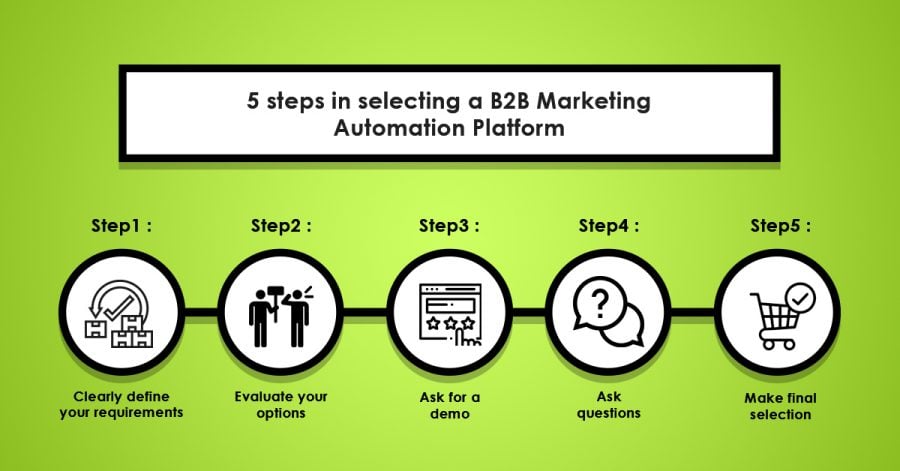
Having established the significance of marketing automation, the next logical step is diving into how it can be woven into a B2B content strategy. Integrating marketing automation tools is not just a matter of picking a platform and running with it; it requires strategic planning and alignment with business objectives.
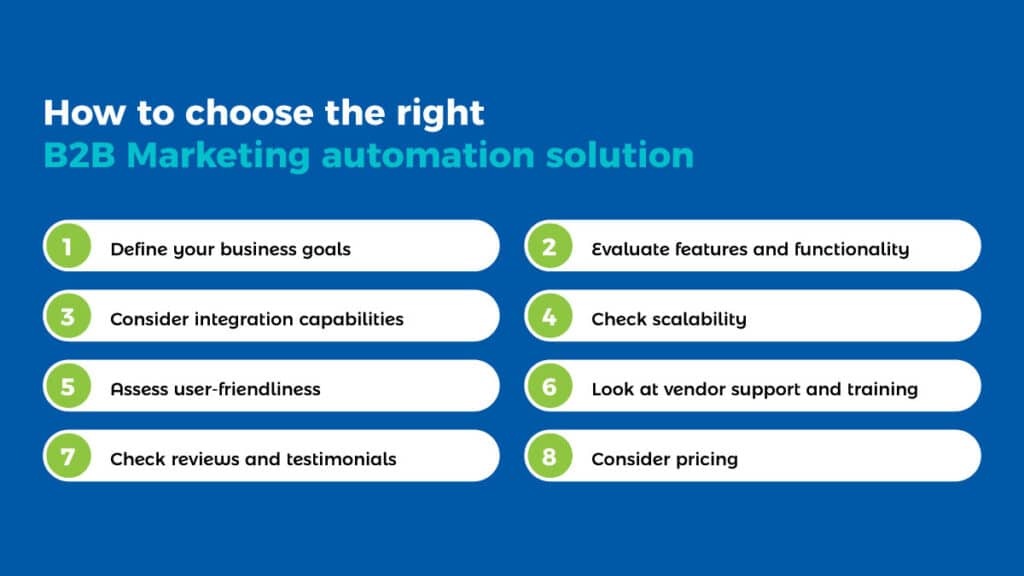
A good starting point is selecting the right tools that complement your existing systems. Here are a few factors to consider when integrating these tools:
- Compatibility: Ensure the automation platform is compatible with your CRM (Customer Relationship Management) and other software.
- User-Friendliness: A tool that is easy to navigate will promote wider adoption among your team.
- Scalability: Choose a solution that can grow as your business expands, accommodating new features and capabilities.
For example, when a mid-sized software company integrated HubSpot for their marketing automation, they linked it to their Salesforce CRM. This partnership ensured a seamless flow of information between sales and marketing teams, allowing for synchronized efforts that significantly improved lead management.
Personalization and Targeting with Marketing Automation
Once the tools are integrated, the real magic happens when B2B companies leverage them for personalization and targeting. Today’s B2B buyers expect customized experiences, and marketing automation can help deliver on this expectation efficiently.
Consider the following strategies:
- Segmentation: Use data to segment your audience into specific groups based on behavior, demographics, or engagement level. This enables you to craft messages tailored to each segment, which can be far more effective.
- Dynamic Content: Automate the delivery of content that adapts to the recipient’s interests and interactions. For instance, a financial services firm might showcase different investment opportunities to a millennial audience versus a baby boomer audience.
- Behavioral Triggers: Set up automated emails or content recommendations based on user behavior—like downloading a whitepaper or clicking on a specific product.
One notable instance involved a manufacturing company that utilized automated follow-up emails. After a potential client downloaded an industry report, they received a tailored message inviting them to a webinar related to their interests. This personalized approach resulted in a 40% higher attendance rate, proving the effectiveness of targeted content.
In summary, by integrating marketing automation tools and effectively personalizing interactions, B2B businesses can elevate their content strategy. This not only enhances customer experiences but also drives engagement and ultimately, conversion rates. Such strategic implementation can make all the difference in fostering lasting relationships with clients and stakeholders in the B2B landscape.
.jpg)
The Role of AI in B2B Content Marketing
AI-Powered Content Creation and Curation
As marketing automation continues to evolve, artificial intelligence (AI) has begun to play a transformative role in B2B content marketing. One of the most exciting applications of AI is in content creation and curation. Businesses can now leverage AI algorithms to assist in generating high-quality content efficiently—a boon for marketing teams strapped for time.
For instance, consider an AI-powered tool like Copy.ai, which can generate blog outlines, ads, or even social media posts based on a few prompts. Here’s how AI enhances content creation and curation:
- Speed: AI can produce content in minutes, allowing marketers to keep up with the rapid pace of market demands.
- Consistency: AI ensures a consistent tone and style across all content, reinforcing brand identity.
- Curation: With AI-driven tools like Feedly, marketers can aggregate and curate relevant content from various sources to share with their audience.
A personal example involves a tech startup I worked with that relied heavily on AI to create data-driven blog posts. By feeding the system with industry-specific keywords and topics, they were able to produce several articles per week, vastly increasing their content output without sacrificing quality.
Leveraging AI for Data Analysis and Insights
Beyond content creation, AI is invaluable for analyzing data and gaining insights that drive strategic decision-making. The ability to sift through vast amounts of data to identify patterns is a significant advantage in today’s data-driven market.
Here’s how AI facilitates data analysis:
- Predictive Analytics: By analyzing past behavior, AI can forecast future trends, helping businesses tailor their strategies accordingly.
- Customer Segmentation: AI can automatically segment audiences based on behavior and demographics, ensuring targeted messaging delivers maximum impact.
- Performance Measurement: Advanced analytics tools can evaluate marketing campaign performance in real time, allowing for quick adjustments and optimization.
For example, a B2B SaaS company I consulted for used AI to analyze customer interactions with their product and marketing materials. The insights drawn from this analysis enabled them to identify which features were most valued by users, guiding them to refine their content and marketing strategy effectively.
In conclusion, the integration of AI in B2B content marketing is revolutionizing the way businesses create, curate, analyze, and optimize their marketing efforts. By harnessing the power of AI, companies can not only improve their content output but also gain critical insights that shape strategic initiatives—ensuring they stay ahead in a competitive landscape.

Measuring Success: Analytics and KPIs in B2B Content Automation
Key Metrics to Track in B2B Content Automation
As marketing automation tools and strategies take center stage in B2B content marketing, measuring success becomes paramount. After all, how can companies determine if their efforts are yielding the desired results without tracking the right metrics? Understanding which key performance indicators (KPIs) to monitor is essential for optimizing content strategies.
Here are several critical metrics to keep an eye on:
- Lead Generation Rates: This metric tracks the number of leads generated through various automated campaigns. Understanding which channels work best can help allocate resources effectively.
- Conversion Rates: Analyze how many leads convert into paying customers after engaging with automated content. A high conversion rate indicates that your content is resonating with the audience.
- Engagement Metrics: Monitor how audiences interact with your content. Metrics such as click-through rates, time spent on page, and social media shares reveal how well your content is performing.
- Return on Investment (ROI): Calculating the ROI from campaigns helps determine if the expenses associated with marketing automation tools and strategies are justifiable.
When I worked with a B2B organization in the fintech sector, they focused on lead generation rates from their automated webinars. Using these metrics, they redesigned their approach to ensure better targeting, resulting in a 50% increase in qualified leads over just a few months.
Using Analytics to Optimize Marketing Automation Strategies
Once the key metrics are identified, the next step is utilizing analytics to inform strategy and optimize efforts continually. Analytics provide actionable insights that can guide marketing decisions and improve future campaigns.
Here are some ways to leverage analytics:
- A/B Testing: Regularly experiment with different content formats, messaging, and calls-to-action to see what resonates best with your audience. Analytics will help identify the winners.
- Content Performance Review: Regularly assess which pieces of content drive the most engagement and conversions. Focus on creating more similar content while refining or retiring underperforming pieces.
- Customer Journey Analysis: Analyze how automated content fits into the overall customer journey. Understanding the touchpoints that lead to conversions can help tailor future strategies.
A great example from my experience was analyzing the customer journey in a SaaS company. By employing analytics, we discovered that certain downloadable resources significantly accelerated the buying process, prompting us to create more similar content—resulting in a cleaner, more effective sales funnel.
In conclusion, effectively measuring success through analytics and KPIs in B2B content automation is crucial. By tracking key metrics and utilizing insights to refine strategies, businesses can continuously enhance their marketing efforts, ensuring they resonate with their target audience and drive successful outcomes.
Challenges and Future Trends in B2B Content Automation
Common Challenges in Implementing Marketing Automation
While the benefits of marketing automation in B2B content strategies are plentiful, businesses often encounter several challenges during implementation. Addressing these hurdles is crucial for a smooth transition and maximizing the system’s potential.
Here are some common challenges:
- Integration Issues: Many companies use multiple software solutions, making it difficult to integrate them efficiently. If tools can’t communicate effectively, it can lead to data silos and inefficiencies.
- Complexity of Technology: Some marketing automation platforms have steep learning curves. If team members are not properly trained, they may struggle to utilize the tools efficiently, leading to underperformance.
- Data Quality: Poor data can severely hinder the effectiveness of marketing efforts. It’s vital to ensure that your CRM and other data sources are clean and well-maintained.
- Content Overload: While automation enables scaling content production, businesses may find it challenging to maintain the quality of content. A flood of automated content could overwhelm audiences, detracting from engagement.
For example, during a project with a healthcare company, we faced difficulties in integrating their CRM with a new marketing automation tool. After investing time and resources, we realized that a lack of proper data mapping was the root cause. It highlighted the importance of thorough planning before diving into implementation.
Future Trends and Innovations in B2B Content Automation
As the field of B2B content automation evolves, several exciting trends are on the horizon that promise to reshape how businesses connect with their audiences.
- Increased Personalization: Moving beyond basic segmentation, future innovations will likely enable hyper-personalized content experiences based on user behavior, interests, and past interactions.
- AI and Machine Learning Enhancements: AI will continue to evolve, enabling more advanced predictive analytics and content recommendations tailored to individual preferences. Businesses can expect improved lead scoring and automated insights.
- Integration of Voice Search Optimization: As voice search continues to rise, there will be a greater need for content strategies that incorporate voice-friendly phrases and formats.
- Augmented Reality (AR) Experiences: Imagine customers being able to interact with products through AR before making a purchase decision. This trend could revolutionize B2B marketing by providing immersive content experiences.
In a previous initiative, we experimented with AI-driven content recommendations, which dynamically tailored resources based on user interests, resulting in a noticeable increase in engagement rates. This showcases how embracing future trends can yield significant benefits.
In summary, while challenges in implementing marketing automation are real, understanding and addressing them leads to successful outcomes. Staying ahead of emerging trends and innovations will empower B2B companies to adapt and thrive in an ever-changing landscape, ensuring their marketing strategies resonate with their target audience effectively.