

Understanding Ki in Content Marketing
Definition and Origins of Ki
Ki, often associated with energy or life force in Japanese culture, can be translated in the content marketing context as a representation of the authenticity and essence behind every piece of material created. The origin of the concept stems from ancient philosophies that emphasize balance and connection. In content marketing, Ki embodies the soul of a brand’s message—it’s about understanding what resonates with an audience and how to present it in a compelling manner.
For instance, think about a simple cup of tea. The act of preparing it with intention not only heightens its flavor but also the experience for the drinker. Similarly, when marketers craft content infused with Ki, they transform their message beyond mere words into an engaging experience.
Ki Principles in Content Creation
To effectively utilize Ki in content creation, marketers should adhere to several core principles:
- Authenticity: Content should reflect genuine values and beliefs.
- Resonance: It ought to connect emotionally with the audience.
- Clarity: Clear and concise messaging eliminates confusion and keeps the audience engaged.
- Value: Providing insightful or useful content enhances the recipient’s experience.
Take the example of a health food brand sharing recipes—by weaving in storytelling around the origins of their ingredients and personal anecdotes, they instill a sense of connection, making their content not just informative but also relatable.
Harnessing Ki for Effective Communication
When marketers harness Ki, they do so through thoughtful communication techniques. This can be achieved by:
- Utilizing storytelling techniques to craft compelling narratives.
- Engaging audiences through interactive content such as polls or quizzes.
- Encouraging feedback and fostering community engagement.
This approach ensures the content not only attracts attention but also fosters long-term relationships with the audience, creating a lasting impact. By embracing Ki, content marketers can elevate their messaging from ordinary to extraordinary, significantly enhancing brand visibility and loyalty.

The Role of Ki in Brand Storytelling
Incorporating Ki into Brand Narratives
As we delve deeper into content marketing through the lens of Ki, it’s essential to understand how this concept plays a pivotal role in brand storytelling. Incorporating Ki into brand narratives isn’t just about crafting a story; it’s about imbuing that story with energy and authenticity that can captivate an audience.
For example, a clothing brand might weave in the process behind their fabrics, highlighting the artisans who craft them. By presenting the narrative as a journey that includes sustainable practices or ethical sourcing, the brand’s message becomes richer and resonates more deeply with consumers who value authenticity.
Key ways to infuse Ki into brand narratives include:
- Storytelling Elements: Use characters, conflict, and resolution to engage the audience.
- Consistency: Maintain a coherent voice that reflects the brand’s mission and values across all platforms.
- Visuals: Pair narratives with powerful imagery or video to amplify the message.
Emotional Connection through Ki-Based Storytelling
Creating emotional connections is fundamental in engaging an audience, and Ki can be a powerful tool in achieving that. When stories evoke emotions, they foster a greater investment in the brand.
Consider a pet food company that shares heartwarming stories of rescue animals finding their forever homes. By centering their narrative around love, companionship, and responsibility, they effectively leverage Ki to resonate with pet owners, transforming a simple marketing message into a heartfelt engagement.
- Relatability: Share personal experiences that reflect common struggles or joys.
- Visual Storytelling: Utilize videos or infographics that highlight emotional journeys.
Case Studies: Brands Leveraging Ki Successfully
Several brands have integrated Ki into their storytelling efforts with remarkable results. For instance:
- Coca-Cola: Their “Share a Coke” campaign personalized the brand experience by encouraging consumers to connect over a shared product, strengthening their emotional connection with the brand.
- Apple: Through their “Think Different” campaign, they celebrated innovators and creators, resonating with audiences who aspire to uniqueness and creativity.
These examples illustrate how brands can leverage Ki to enhance their narratives, fostering a deeper connection with their audience, which eventually leads to loyalty and advocacy. Incorporating Ki into storytelling not only brings authenticity but also enriches the overall communication landscape of the brand.

Ki Techniques for Engaging Content
As we transition from exploring the role of Ki in brand storytelling, it’s crucial to spotlight tangible techniques that can help marketers create engaging content infused with Ki. These techniques elevate the connection between brands and their audiences by fostering authenticity and relatability.
Writing with Ki: Tone and Voice
The written word is a powerful medium, and adapting a unique tone and voice can significantly enhance the impact of content. Writing with Ki means being intentional about how a message is conveyed. Here are a few strategies to consider:
- Authenticity: Embrace conversational language that reflects the brand’s true persona. For example, if a startup focuses on eco-friendly products, their content could adopt a friendly and passionate tone that speaks to environmentally-conscious consumers.
- Vulnerability: Share stories that reflect challenges or lessons learned. This fosters a connection and builds trust, as audiences appreciate the human element behind the brand.
It’s akin to conversing with a good friend; the more genuine the dialogue, the more engaged the listener will be.
Visual Storytelling with Ki
Visuals can communicate emotions and ideas just as powerfully as words. Incorporating Ki in visual storytelling helps make content visually arresting and deeply resonant. Some effective techniques include:
- High-quality Imagery: Ensure images align with the brand’s narrative—show real people using the product or service in their everyday lives.
- Infographics: Break down complex information visually to enhance understanding and retention, making the content more appealing and shareable.
Interactive Content and Community Building
Engaging the audience goes beyond passive consumption; it involves interaction. Interactive content fosters community building, making audiences feel part of the brand journey. Consider trying these methods:
- Polls and Quizzes: Create fun, lighthearted quizzes related to your brand that encourage users to share results.
- User-generated Content: Encourage audiences to share their experiences with your product or service on social media. This not only builds community but also increases brand visibility.
By implementing these Ki techniques, marketers can significantly improve audience engagement, ensuring their content is not only memorable but also meaningful. Ultimately, when content resonates, it creates loyal advocates who champion the brand and its message.
Measuring Success: Ki Analytics in Content Marketing
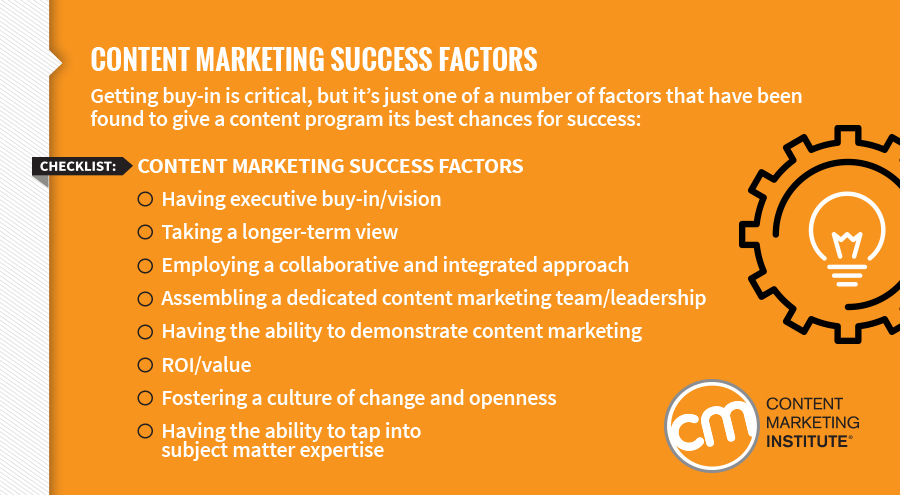
Having established effective techniques for creating engaging content infused with Ki, the next step is assessing the success of these efforts. Understanding the impact of Ki in content marketing is essential for refining strategies and achieving long-term goals.
Key Metrics for Evaluating Ki Impact
To gauge the effectiveness of Ki-driven content, marketers should focus on several key metrics that provide valuable insights. Some important metrics include:
- Engagement Rates: This encompasses likes, shares, comments, and overall interactions with content. High engagement indicates that the message resonates with the audience.
- Conversion Rates: Tracking how many visitors took the intended action, such as signing up for a newsletter or making a purchase, reveals the effectiveness of your messaging.
- Traffic Sources: Analyze where your audience is coming from—such as social media, organic search, or referrals. This helps identify which platforms are driving successful engagement.
For instance, a blog might see a spike in readership from social media posts, indicating a strong connection between the promotional outreach and audience interest.
Tools for Analyzing Ki-driven Campaigns
Leveraging the right tools can significantly streamline the process of analyzing Ki-driven campaigns. Some notable tools include:
- Google Analytics: A fundamental tool for tracking website traffic and user behavior. It offers insights into how audiences are interacting with Ki-infused content.
- Hootsuite or Buffer: Social media management tools that provide analytics on engagement and reach across different platforms.
Using these tools can help marketers collect data efficiently and make informed decisions on content strategies.
A/B Testing and Optimization with Ki
One of the most effective ways to optimize content is through A/B testing. By comparing two variations of the same content, marketers can determine which version resonates more with audiences.
- Headlines: Test different headlines to see which garners more clicks.
- Call-to-Action (CTA): Experiment with various phrasing or placements for CTAs to find out what drives higher conversion rates.
Through consistent A/B testing, brands can refine their messaging strategy, ensuring that Ki is effectively harnessed to connect with audiences. By continually measuring and optimizing content, brands can evolve and maintain their relevance in an ever-changing market landscape.
Cultivating Ki-Centric Content Strategies
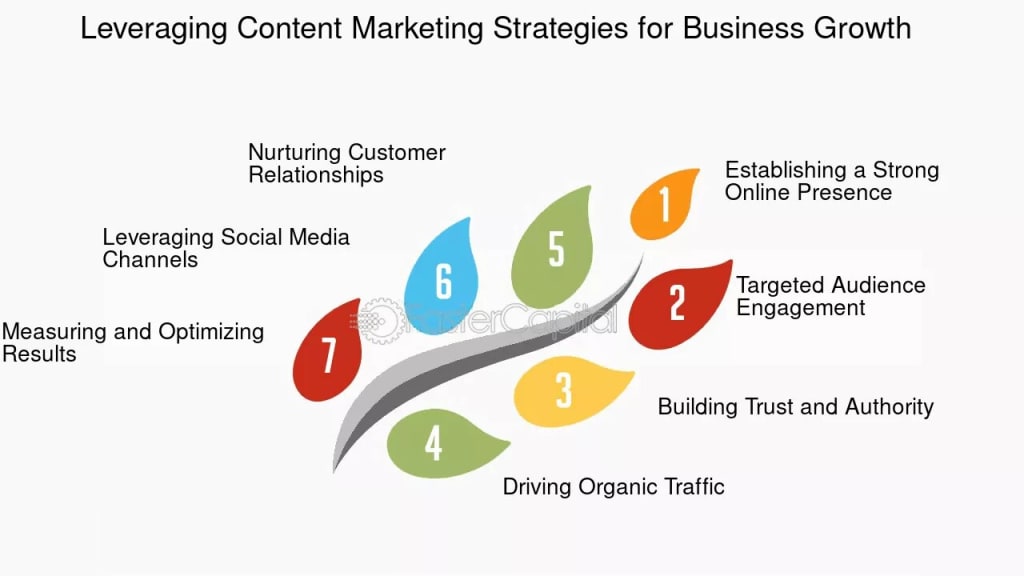
With a strong foundation in measuring and optimizing content through Ki, the focus now shifts to cultivating Ki-centric content strategies. This involves weaving the principles of Ki throughout your marketing efforts, ensuring each piece of content resonates authentically with your audience.
Integrating Ki across Marketing Channels
To maximize the impact of Ki, it’s vital to integrate it across all marketing channels. This means creating a cohesive message that reflects your brand’s authenticity. Consider these approaches:
- Unified Messaging: Ensure that your brand voice and narrative are consistent across channels, be it social media, email newsletters, or your website.
- Cross-Promotion: Use different platforms to reinforce the same message. For instance, promote an engaging blog post on your social media accounts while sending personalized emails that highlight the same topic.
By maintaining a unified approach, you create a recognizable presence that builds trust and relation with your audience, similar to how a favorite musician might maintain their signature sound across various albums.
Building a Ki-Centric Content Calendar
Creating a Ki-centric content calendar can streamline your marketing efforts. Here are a few steps to take:
- Plan Ahead: Schedule content strategically around key events, seasons, or campaign launches. This foresight helps capitalize on trending topics and aligns with audience interests.
- Diversity in Formats: Incorporate different content types—blogs, videos, infographics—to cater to various preferences while maintaining the core Ki message.
A well-structured calendar ensures that your team consistently delivers compelling content without unnecessary stress.
Collaboration and Alignment with Ki in Content Teams
Lastly, collaboration is essential in nurturing Ki within content teams. Encourage open communication and brainstorming sessions to foster creativity and alignment. Here’s how to enhance collaboration:
- Regular Check-Ins: Schedule frequent meetings to discuss project progression and share ideas.
- Feedback Loops: Create a culture where team members feel comfortable giving and receiving constructive feedback, leading to richer content development.
For example, collaborative projects often yield innovative ideas, similar to a successful band harmonizing their distinct sounds into a powerful melody.
By cultivating Ki-centric content strategies, brands can create a harmonious relationship with their audiences. This not only enhances engagement but also fosters loyalty and advocacy, making it an invaluable investment in the long term.
Staying Authentic: Ethics and Ki Integrity in Content Marketing
As brands strive to harness the power of Ki in their content marketing, staying authentic becomes paramount. Applying Ki with integrity not only influences how audiences perceive a brand but also establishes long-term relationships built on trust.
The Pitfalls of Inauthentic Ki Usage
While the allure of quick engagement may tempt some brands to adopt inauthentic strategies, the pitfalls are numerous. Content that lacks sincerity often results in:
- Loss of Credibility: Audiences can easily spot insincerity. When a brand pretends to align with values it doesn’t genuinely hold, it risks reputation and trust.
- Short-term Gains: While clickbait or overly polished content might generate immediate results, long-term engagement suffers as audiences become disillusioned.
For instance, a brand that suddenly claims to champion sustainability without any prior history of responsible practices may come off as opportunistic, leading to backlash and diminished customer loyalty.
Transparency and Trust in Ki-driven Campaigns
Transparency is crucial in cultivating Ki integrity. Brands should strive to openly communicate their values, processes, and the reasoning behind their campaigns. Here are some practices to enhance transparency:
- Behind-the-Scenes Content: Share insights into how products are made or highlight the team involved in content creation. This demystifies the brand and makes it relatable.
- Open Dialogues: Encourage feedback and actively engage with your audience through Q&A sessions or comment responses.
Brands that embrace transparency build strong connections, akin to a beloved author revealing the personal experiences that inspired their stories.
Balancing Ki Practices with Brand Values
Finally, balancing Ki practices with the core values of the brand is essential for sustaining authenticity. This involves regularly revisiting and evaluating how content and campaigns align with established ideals.
- Value Assessment: Conduct regular team discussions to ensure that content strategies reflect the brand’s foundational beliefs.
- Reevaluation: Be open to adjusting strategies when they stray away from your authentic message.
By harmonizing Ki practices with intrinsic values, brands can ensure that their marketing efforts are not only effective but also ethically sound. This commitment lays the groundwork for lasting relationships with consumers, fostering a sense of community and loyalty that serves both parties well in the long run.

Future Trends: Ki Innovation in Content Marketing
As we look ahead, the integration of Ki into content marketing promises exciting innovations that can elevate how brands connect with their audiences. Staying ahead of these trends will not only enhance engagement but also solidify brand loyalty in an increasingly competitive landscape.
AI and Ki: The Future of Content Personalization
Artificial Intelligence (AI) is revolutionizing content marketing, particularly in creating personalized experiences that deeply resonate with individual consumers. By harnessing Ki, marketers can leverage AI to curate content tailored specifically to user preferences.
- Data-Driven Insights: AI algorithms analyze user behavior, allowing brands to deliver timely, relevant content that speaks directly to audience needs.
- Dynamic Content: Tools like chatbots or personalized recommendations can enhance the user experience, making interactions feel more meaningful and connected.
For instance, think about how streaming services use AI to recommend shows. By reflecting audience preferences, these suggestions create a tailored viewing experience, similar to recommending a favorite book based on their previous reads.
AR/VR Experiences Enhanced by Ki
Augmented Reality (AR) and Virtual Reality (VR) are becoming increasingly popular tools in content marketing. These technologies create immersive experiences that allow consumers to engage with brands in unprecedented ways:
- Interactive Storytelling: Brands can use AR/VR to tell stories where users feel a part of the narrative, fostering a personal connection.
- Product Demonstrations: Offering consumers a virtual try-on or interactive experience can bridge the gap between online shopping and in-store engagement.
Imagine trying on shoes virtually before making a purchase. This level of interaction not only enhances the shopping experience but also builds trust through transparency.
Predictive Analytics and Ki-powered Insights
Finally, predictive analytics is an exciting frontier for leveraging Ki in content marketing. By analyzing past data, brands can forecast trends and behaviors, allowing for proactive strategies that resonate with audiences.
- Trend Forecasting: Use insights from consumer behavior to anticipate what will engage your audience next, making your content strategy more dynamic.
- Tailored Campaigns: Implement predictions into campaign planning to optimize engagement opportunities in real-time.
With predictive analytics, brands can stay one step ahead, ensuring their content is not only relevant but also impactful.
As these future trends continue to evolve, embracing Ki in these innovations will help brands forge deeper connections with their audiences, cultivating loyalty and enhancing the overall consumer experience. It’s an exciting journey ahead, and brands that embrace these advancements will undoubtedly stand out in the digital landscape.