

Understanding Content Marketing in Manchester
Evolution of Content Marketing
Content marketing has come a long way since its inception. It began as a mere promotional tool, but over the past two decades, it has evolved into a sophisticated strategy that businesses use to engage their audiences.
Initially, brands relied on traditional marketing platforms, such as print media, TV commercials, and simple online ads. The rise of the internet brought new opportunities, paving the way for content marketing as we know it today. Articles, blogs, social media posts, and videos now dominate the content landscape.
Consider this: back in the early 2000s, a blog post could potentially go viral simply by offering a unique perspective or eye-catching headline. However, today, content marketing requires a deeper understanding of audience preferences and intricate strategies.
Businesses in Manchester, a vibrant hub of creativity and innovation, have embraced this evolution. The local market is now buzzing with brands producing quality content that resonates with their target audience, creating lasting relationships rather than just one-off sales.
Significance of Content Marketing in Manchester
Content marketing plays a crucial role in Manchester’s business ecosystem for several reasons:
- Cultural Hub: Manchester is known for its rich cultural heritage and diverse population. Content marketing allows brands to connect with various demographics, from young professionals to students in vibrant neighborhoods like the Northern Quarter.
- Local Businesses Rising: Startups and small businesses are increasingly using content marketing strategies to stand out in a competitive market. By sharing local stories or addressing community issues, they create relevancy and foster loyalty.
- Industry Variety: The city is home to numerous industries, from tech startups to fashion retailers. Tailoring content to specific industries ensures businesses effectively reach their intended audience.
- Digital Transformation: With the advancement of technology, Manchester’s businesses have shifted focus. Embracing digital tools for content marketing has enabled them to track engagement and understand consumer behavior.
In summary, as content marketing continues to evolve, it remains an essential aspect of business strategy in Manchester, helping brands connect meaningfully with their audience and enhance their market presence.

Developing a Successful Content Marketing Strategy
Identifying Target Audience
To kick off a successful content marketing strategy, identifying your target audience is paramount. After all, how can you create content that truly resonates if you don’t know who you’re talking to?
Imagine you’re a local cafe in Manchester, eagerly crafting the perfect blog post about your specialty coffee. It’s crucial to pinpoint whether your audience consists of bustling professionals seeking a quick caffeine fix or coffee enthusiasts in search of the latest brew techniques. Understanding their preferences, behaviors, and pain points will guide your content creation process.
Here are a few tips for effective audience identification:
- Create Buyer Personas: Define your ideal customer by detailing their demographics, interests, and buying behaviors.
- Use Analytics: Leverage tools like Google Analytics to mine insights about previous visitors to your site.
- Conduct Surveys: Directly engage with your current customers to better understand their needs and preferences.
Setting Clear Objectives
Once you have a clear grasp of your audience, the next step is to set specific objectives. Think of your objectives as the roadmap guiding your content journey.
Consider these examples of clear objectives:
- Increase Brand Awareness: Aim for a 20% increase in organic traffic over six months.
- Generate Leads: Utilize content to capture email addresses, targeting a 30% increase in subscriber count.
- Enhance Engagement: Boost social media interactions by 25% through compelling content that invites a response.
Clearly defined objectives not only provide direction but also make it easier to measure success down the line.
Creating Valuable and Relevant Content
Now that you know who you’re targeting and what you want to achieve, it’s time to create content that is both valuable and relevant. In today’s content-saturated environment, providing genuine value will set you apart.
For instance, if your cafe offers a seasonal drink, consider sharing a blog post that details behind-the-scenes insights into how it’s made or the story of the local supplier you partner with. This not only engages your audience but also adds depth to your brand’s narrative.
A few content creation tips include:
- Focus on Quality Over Quantity: High-quality, informative content is more likely to be shared and appreciated by your audience.
- Stay Consistent: Develop a content calendar to ensure regular and timely postings that align with your audience’s interests.
- Embrace Diverse Formats: Don’t hesitate to mix up your content types—infographics, videos, podcasts—all hold unique engagement potential.
By following these steps—identifying your audience, setting clear objectives, and producing valuable content—you can forge a successful content marketing strategy that engages and captivates your target demographic.

Leveraging Different Content Formats
Importance of Visual Content
As the digital landscape continues to evolve, one thing remains clear: visual content is indispensable. It has the power to capture attention and convey messages more effectively than plain text. Think about scrolling through your social media feed; eye-catching images or infographics almost always stop the thumb from scrolling.
For businesses in Manchester, using visually appealing content offers several advantages:
- Enhanced Engagement: Posts with visuals are more likely to be shared and liked. A striking image or infographic can speak volumes, drawing users in.
- Improved Retention: Studies show that people remember 65% of information paired with relevant visuals compared to just 10% when it’s text-based.
- Brand Identity: Consistent visual styling reinforces brand identity and makes your content instantly recognizable.
It’s essential for brands to invest time in creating high-quality visuals, whether through professional photography, graphic design, or even user-generated content featuring customers interacting with their products.
Incorporating Video Marketing
Video marketing has surged in popularity over recent years, and for good reason. With platforms like TikTok and Instagram Reels capturing audience attention, integrating video into your content strategy is a smart move.
Consider this: a simple video showcasing how to brew the perfect cup of coffee can engage and educate your audience while also highlighting your cafe’s expertise. Tips for successful video marketing include:
- Keep it Short: Attention spans are fleeting, so aim for short, punchy videos that convey your message quickly.
- Use Storytelling: Share customer testimonials, behind-the-scenes glimpses, or even a day-in-the-life of your business to connect emotionally with viewers.
- Optimize for Platforms: Tailor your video content to fit the platform it’s being shared on. For instance, vertical videos work best on mobile-friendly platforms.
Optimizing for SEO
Finally, no content marketing strategy is complete without emphasizing SEO. Without it, even the best content risks going unnoticed. SEO optimization ensures your content is discoverable and ranks higher in search results.
Here are some effective SEO strategies:
- Keyword Research: Identify relevant keywords and incorporate them naturally into your titles, headings, and content.
- Meta Descriptions: Craft compelling meta descriptions to improve click-through rates when your content appears in search results.
- Alt Text for Images: Use descriptive alt text for your images, which can help improve search rankings and make your content more accessible.
By leveraging diverse content formats—embracing the power of visuals, integrating video, and optimizing for SEO—brands can create a compelling content marketing strategy that not only reaches but resonates with their audience. This holistic approach will undoubtedly enhance engagement and increase overall content effectiveness.
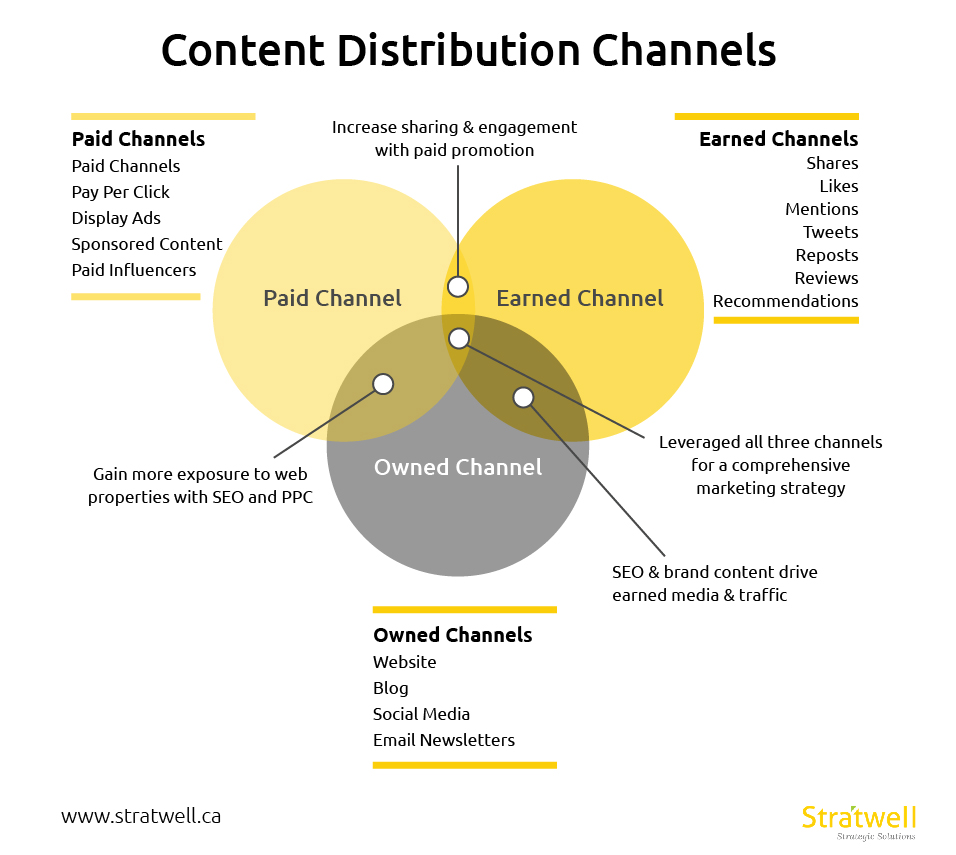
Utilizing Social Media for Content Distribution
Leveraging Social Platforms Effectively
Once you have crafted compelling content, the next step is to distribute it effectively through social media. Each platform offers unique opportunities to engage with your audience, and understanding these nuances can significantly enhance your content’s reach.
For example, Instagram is fantastic for visual content, while Twitter thrives on concise, timely updates. Here are a few tips to leverage these platforms:
- Know Your Audience: Identify which platforms your target audience frequents. Are they scrolling through Instagram, tweeting on Twitter, or staying updated on LinkedIn? Tailoring your content to the right platform is essential.
- Optimize Post Timing: Share your content when your audience is most active. Tools like Buffer or Hootsuite can help schedule posts for optimal engagement.
- Utilize Hashtags: Use relevant hashtags to expand your reach. For instance, a Manchester-based restaurant might use #ManchesterEats or #Foodie to capture local attention.
Engaging with the Audience
Social media is not just a one-way street; it’s about fostering conversations and building relationships. Engaging with your audience can take many forms:
- Responding to Comments: Take the time to reply to comments on your posts. Whether it’s a compliment or a question, showing appreciation and engagement humanizes your brand.
- Creating Polls and Questions: Utilize features like Instagram Stories or Twitter polls to encourage interaction. For example, a local cafe could ask followers to vote on their favorite seasonal drink.
- User-Generated Content: Encourage your customers to share their experiences with your brand and repost their content. This not only builds community but also provides authentic testimonials.
Tracking and Measuring Performance
After distributing and engaging, it’s vital to track and measure the performance of your content. Without insights, it’s challenging to know what resonates with your audience. Here’s how to do this effectively:
- Use Analytics Tools: Platforms like Facebook Insights or Instagram Analytics offer valuable data on post performance, reach, and engagement rates. This information helps refine your strategy.
- Set Key Performance Indicators (KPIs): Define what success looks like for each campaign. It could be the number of shares, comments, or the growth of followers.
- Adjust Strategies Based on Data: If you notice certain content types perform better, adjust your strategy accordingly, focusing on what your audience loves most.
By effectively utilizing social media for content distribution, engaging with your audience, and consistently tracking performance, businesses can significantly enhance their content marketing efforts. This approach not only fosters loyal communities but also propels brands to new heights in the dynamic digital landscape.

Collaborating with Influencers and Partnerships
Identifying Suitable Influencers
As businesses look to expand their outreach, collaborating with influencers has become a potent strategy. But how do brands identify the right influencers to connect with? It goes beyond just follower counts; aligning values and audience demographics is crucial.
For instance, if a local fashion boutique in Manchester aims to target eco-conscious consumers, partnering with an influencer known for promoting sustainable fashion would be ideal. Here are a few steps to identify suitable influencers:
- Research Niche Relevance: Look for influencers whose content aligns with your brand’s niche. Tools like BuzzSumo or Upfluence can help discover potential collaborations.
- Engagement Over Numbers: Focus on influencers with high engagement rates rather than just large followings. Authentic interactions often lead to better results.
- Check Brand Affinity: Analyze their past partnerships. Are they aligned with your brand ethos? A mismatch could spell disaster.
Building Mutually Beneficial Partnerships
Once the right influencers are identified, the next step is to foster mutually beneficial partnerships. It’s essential that both parties feel valued and excited about the collaboration.
Consider this approach: If you run a local bakery, instead of offering a flat payment, think about incorporating the influencer’s feedback into new product development. This makes them feel part of the team and increases their investment in promoting your brand.
Here are some tips for building strong partnerships:
- Open Communication: Regular check-ins and transparent communication ensure that expectations are clear and both sides feel valued.
- Creative Freedom: Allow influencers the creative freedom to present your brand in their own style, as this authenticity resonates more with their audience.
- Offer Value: Provide something of value in return, such as personalized discounts for their followers or exclusive previews of upcoming products.
Amplifying Reach through Collaborations
Finally, once partnerships are established, leveraging these collaborations can amplify your brand’s reach significantly.
For example, if your bakery team up with an influencer for a limited-time pastry, promote it on both your platforms. Here are ways to maximize the impact:
- Cross-Promotion: Feature each other’s content across platforms. This not only diversifies your audience but also enhances credibility.
- Host Events Together: Organize live events or workshops where the influencer can showcase your products. This could foster hands-on engagement with their followers.
- Content Creation: Create collaborative content — like recipe videos for a bakery — that both can share. This not only enriches your content pool but also reaches a wider audience.
By identifying suitable influencers, building strong partnerships, and amplifying reach through collaboration, brands can effectively enhance their visibility and connect with new audiences. This strategy not only cultivates community relationships but also elevates brand awareness in an increasingly competitive marketplace.

Analyzing and Adjusting Content Marketing Efforts
Monitoring Key Metrics
After investing time and resources into a content marketing strategy, the next vital step is to analyze its effectiveness. This begins with monitoring key metrics that provide insight into how well your content resonates with your audience.
Let’s take a cafe in Manchester, for example. If they’re running a content campaign featuring their seasonal menu, they should track metrics such as:
- Website Traffic: Use Google Analytics to see how many visitors are coming from your social media posts or blog articles.
- Engagement Rates: Measure likes, shares, and comments on social media platforms. A post that receives high engagement likely resonates with your audience.
- Conversion Rates: Track how many visitors take desired actions, such as signing up for a newsletter or making a purchase after engaging with content.
- Bounce Rates: Notice if visitors leave your website quickly. A high bounce rate might indicate that the content isn’t meeting user expectations.
Implementing Changes Based on Data
Once the metrics are in, it’s time to make informed decisions based on the data. This step is crucial to optimize your content continuously and address any issues.
For example, if your analytics indicate that blog posts about vegan recipes attract more traffic than others, perhaps it’s time to pivot and focus more on plant-based offerings. Here are a few strategies for effective implementation:
- Identify Trends: Note which types of content perform well and replicate that success. If video content garners more views, consider creating a series of cooking tutorials.
- Adjust Timing and Frequency: If certain posts see more engagement at specific times, adjust your posting schedule accordingly.
- Test Different Formats: Experiment with various content formats based on audience preferences. Maybe your followers prefer infographics over traditional blog posts.
Continuous Optimization for Success
Finally, the path to successful content marketing lies in continuous optimization. This isn’t a one-off task but rather an ongoing process that evolves as your audience’s preferences change.
- Iterate and Evolve: Regularly revisit your content strategy. As trends in your industry shift, your content should pivot accordingly.
- Solicit Feedback: Actively seek feedback from your audience. Comments, surveys, or direct engagements can provide insight into what they want more or less of.
- Stay Updated on Industry Trends: Keep an eye on emerging trends and tools in content marketing. Staying ahead of the curve allows you to implement new strategies that may benefit your brand.
In summary, by diligently monitoring key metrics, implementing data-driven changes, and continuously optimizing content strategies, businesses can foster a successful and adaptable content marketing approach. This not only enhances audience engagement but also drives conversions, ensuring sustained growth and relevance in a dynamic marketplace.