
The Fundamentals of Content Marketing
Defining Content Marketing
Content marketing is more than just a buzzword in today’s digital landscape; it is a strategic approach focused on creating, publishing, and distributing valuable content to attract and engage a clearly defined audience. The ultimate goal? Drive profitable customer action.
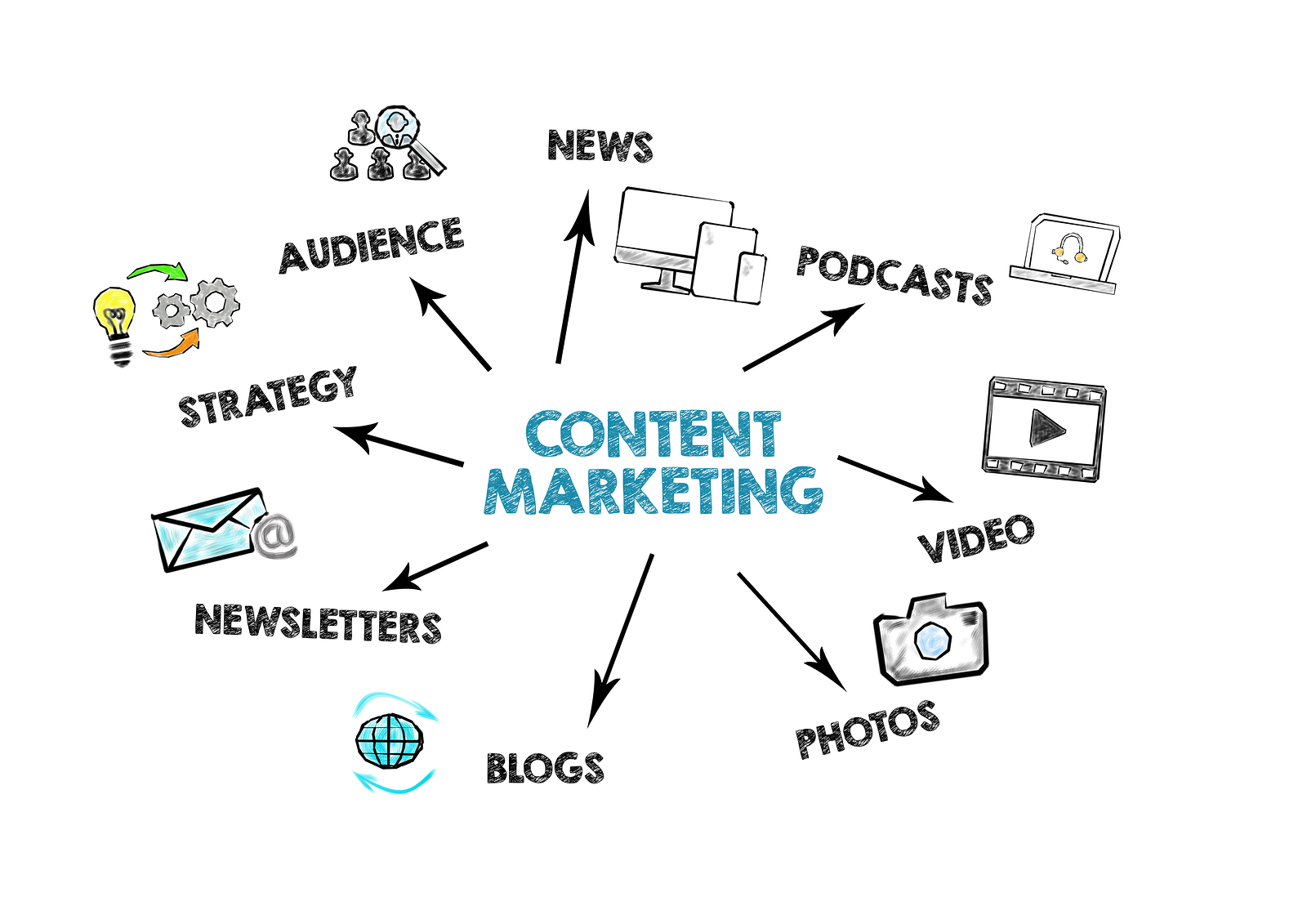
At its core, content marketing encompasses various forms of media, including blog posts, videos, podcasts, infographics, and social media posts. For instance, a local bakery might share recipes, baking tips, and customer stories through an engaging blog, establishing itself as a community favorite while subtly promoting its products.
Benefits of Content Marketing
The benefits of content marketing are both profound and multifaceted. Here are some key advantages:
- Establishing Authority: By consistently delivering high-quality content, brands can position themselves as industry leaders. For example, a financial advisor that regularly shares insightful articles will likely build trust with potential clients.
- Increased Traffic: Compelling content can significantly boost website traffic. Engaging blog posts shared on social media often lead to increased visibility and more visitors arriving at a site.
- Better SEO: Well-crafted content enhances search engine optimization (SEO) efforts by integrating relevant keywords that drive organic traffic.
- Enhanced Customer Engagement: Interactive content, like polls or quizzes, invites direct participation from the audience, making them feel valued and connected to the brand.
- Lead Generation: Content marketing serves as a powerful lead generation tool, providing opportunities for conversion through calls to action within valuable resources.
In essence, embracing content marketing equips brands with the skills to communicate more effectively, foster relationships, and drive business growth in a crowded marketplace.

Understanding the Atlanta Market
Target Audience Analysis
Understanding the Atlanta market begins with thorough target audience analysis. This vibrant city is not just a hub for Southern charm but also a melting pot of cultures, interests, and demographics. Recognizing these nuances can greatly enhance the effectiveness of any content marketing strategy.
Start by asking some key questions:
- Who are your ideal customers in Atlanta?
- What are their needs, preferences, and challenges?
- How do local trends influence their purchasing decisions?
For example, a local clothing brand targeting young professionals might find that social media platforms are their primary engagement channels, while older demographics may prefer email newsletters. Tools like surveys and focus groups can provide valuable insights.
Localizing Your Content Strategy
With a clear understanding of your audience, the next step is to localize your content strategy. This means tailoring your messaging and content to resonate with the Atlanta community specifically. Here are some practical ways to achieve this:
- Incorporate Local Themes: Address local events, festivals, and trends in your content. If it’s the time for the Atlanta Film Festival, consider creating content that ties your brand to this celebratory occasion.
- Use Local lingo: Capture the unique dialect and expressions commonly used in Atlanta to create a relatable voice. This builds a genuine connection.
- Highlight Local Insights: Share success stories or testimonials from Atlanta-based customers to foster trust and credibility within the community.
By localizing the content strategy, brands can establish a deeper connection with their audience, driving engagement and loyalty. Embracing the unique aspects of Atlanta not only enhances relatability but also positions the brand as a true member of the community.
Crafting Compelling Content
Creating Engaging Content
Once businesses understand their target audience and have localized their strategies, the next crucial step is crafting compelling content that resonates. Engaging content isn’t just about the message; it’s about how that message is delivered. Here are some tips to elevate your content:
- Tell a Story: Great storytelling pulls readers in. Whether sharing customer success stories or your brand’s journey, weaving narrative elements makes your content memorable. For instance, a local coffee shop might share the inspiring story of how a customer turned their favorite drink into a successful homegrown café.
- Ask Questions: Foster interaction by posing thought-provoking questions. This approach encourages readers to reflect and engage with your content personally.
- Use Clear and Concise Language: Avoid jargon and complex language. Aim for clarity. Remember, the goal is to communicate effectively, not confuse.
Incorporating Visuals and Multimedia
Visuals and multimedia can take your content to the next level. They break up text, create interest, and enhance understanding. Consider these strategies for effective use:
- Images: A well-chosen image can evoke emotions and set the tone. For a blog post about local events in Atlanta, including vibrant photos from past festivals helps readers visualize the experience.
- Videos: Short video clips can showcase products or provide tutorials. A local fitness studio might create workout videos featuring trainers, offering a glimpse into their classes.
- Infographics: Use infographics to present complex data visually. They are shareable and effective for conveying information quickly.
Combining engaging writing with compelling visuals makes for well-rounded content that captivates and retains audience attention. By integrating both aspects, businesses can significantly enhance the impact of their content marketing efforts.
Leveraging SEO for Content Success
Keyword Research and Optimization
As brands progress in crafting compelling content, leveraging SEO techniques becomes essential for driving organic traffic and enhancing visibility. The first step in this journey is keyword research and optimization. Understanding the terms your target audience uses in their searches allows you to tailor your content effectively.
Here’s how to approach keyword research:
- Identify Target Keywords: Use tools like Google Keyword Planner or SEMrush to discover keywords with high search volumes and low competition. Focus on long-tail keywords, as these often yield better results. For instance, instead of “coffee,” target “best organic coffee shops in Atlanta.”
- Optimize Content: Incorporate these keywords naturally into your content. Place them in headlines, subheadings, and the first 100 words while ensuring the content flows smoothly. Overstuffing keywords can hurt readability and SEO rankings.
- Monitor Performance: Regularly check how your content performs in search rankings and adjust your keyword strategy as needed.
Building Quality Backlinks
Once keyword optimization is in place, the next focus should be on building quality backlinks. Backlinks are links from other websites directing users to your content, and they are vital in boosting credibility and SEO rankings. Here’s how to earn those valuable links:
- Guest Blogging: Write insightful articles for other reputable blogs in your industry. This not only gives you exposure but often allows you to include a link back to your site.
- Create Shareable Content: Infographics and comprehensive guides are more likely to be shared and linked back to. Focus on creating valuable resources that others want to reference.
- Engage with Influencers: Building relationships with influencers in your industry can lead to collaboration opportunities and backlinks to your site.
By effectively implementing keyword research and building quality backlinks, brands can significantly enhance their content’s SEO performance, driving sustained traffic and improving visibility in a crowded digital landscape.

Utilizing Social Media for Content Distribution
Social Media Content Strategies
Having optimized content for search engines is only half the battle—getting that content out into the world is equally important. Social media platforms serve as powerful channels for content distribution, and effective strategies can amplify reach and engagement.
Here are some successful social media content strategies:
- Tailor Content to Each Platform: Different platforms cater to different audiences. For example, Instagram is visually driven, while Twitter is more concise. Adapting your messaging and format ensures maximum engagement. A local Atlanta restaurant could post mouth-watering photos of its dishes on Instagram, while sharing customer reviews and tech-related updates via Twitter.
- Utilize Hashtags: Using relevant hashtags can increase visibility and discoverability. Research trending hashtags in your niche. For instance, a hashtag like #ATLFoodie could attract local patrons to your restaurant’s posts.
- Schedule for Optimal Times: Timing can significantly affect engagement. Use tools like Buffer or Hootsuite to schedule posts during peak hours when your audience is most active.
Engagement and Analytics Tracking
Once the content is live, it’s crucial to monitor engagement and analyze performance. This data-driven approach can inform future strategies and create better outcomes.
- Track Key Metrics: Pay attention to likes, shares, comments, and click-through rates. These metrics not only indicate how well your content resonates but also provide insights into audience preferences.
- Engage with Your Audience: Respond to comments and messages promptly. Building a rapport allows for deeper community connections. For instance, if a follower praises a blog post, thanking them publicly fosters goodwill and encourages others to engage.
- Adjust Based on Insights: Regularly review analytics tools like Facebook Insights or Twitter Analytics to determine what types of content perform best. If videos consistently garner higher engagement, consider increasing video content production.
In summary, by employing targeted social media content strategies and maintaining diligent tracking of engagement metrics, brands can effectively distribute their content and cultivate a thriving online community.
Measuring Success and Continuous Improvement
Key Metrics to Track
After deploying a robust content marketing strategy and utilizing social media for distribution, it’s crucial to measure success to understand what works and what needs adjustment. Tracking key metrics provides invaluable insights that can enhance future campaigns.
Here are some important metrics to keep an eye on:
- Traffic Sources: Where is your traffic coming from? Analyzing whether users find you through organic searches, social media, or referrals helps identify where to focus your efforts.
- Engagement Rates: This includes likes, shares, comments, and time spent on each piece of content. High engagement rates often indicate that your content resonates well with your audience.
- Conversion Rates: Ultimately, the goal of content marketing is to drive action. Track how many visitors take desired actions, such as signing up for newsletters or making a purchase. This metric directly reflects content effectiveness.
- Bounce Rate: A high bounce rate might signal that visitors aren’t finding what they expected. Use this information to refine your content and improve user experience.
A/B Testing and Optimization Techniques
To continuously enhance your content strategies, implementing A/B testing is essential. A/B testing allows brands to compare two variations of content to ascertain which performs better.
Here’s how to effectively implement A/B testing:
- Choose One Variable: Whether it’s a headline, image, or call-to-action button, test only one element at a time to isolate its impact.
- Create a Hypothesis: Before starting, establish a hypothesis about which version will perform better and why. This gives clarity to the testing process.
- Analyze Results: Use analytics tools to track how each version performs against your key metrics. For example, if you’re testing email subject lines, measure open rates and click-through rates to determine the winner.
Continuous improvement relies on these testing insights. Over time, refining content based on this data not only optimizes audience engagement but also fosters brand loyalty. In the ever-evolving landscape of content marketing, measuring success and embracing a culture of testing can propel brands toward ongoing growth and relevance.

Case Studies of Successful Content Marketing Campaigns
Analysis of Top Campaigns
Examining successful content marketing campaigns can provide inspiration and actionable insights for any brand. Let’s dive into some remarkable examples that effectively captured audience attention and achieved impressive results.
One standout campaign is Coca-Cola’s “Share a Coke” initiative. By replacing their iconic logo with the most popular names on bottles, Coca-Cola encouraged their consumers to find personalized bottles and share photos on social media. This not only led to a significant increase in sales, but it also generated tons of user-generated content, amplifying their marketing reach.
Another exemplary campaign is Red Bull’s content ecosystem. They don’t just sell energy drinks; they produce engaging content around extreme sports, lifestyle, and adventure. Their films, blogs, and live events are designed to resonate with their target audience, positioning Red Bull as more than a beverage—it’s a lifestyle brand.
Lessons Learned from Successful Brands
Analyzing these successful campaigns reveals several key lessons for brands aiming to enhance their content marketing strategy:
- Personalization Matters: Coca-Cola’s campaign showcases the power of creating personalized experiences. Tailoring content to your audience’s interests and preferences engages them on a deeper level.
- Think Beyond Your Product: Red Bull exemplifies how brands can position themselves as thought leaders by focusing on values and lifestyles rather than just their offerings.
- Encourage User-Generated Content: Motivate your audience to create and share content. User-generated content not only builds community but also provides social proof.
- Utilize Multiple Platforms: Successful content marketing campaigns leverage various channels for distribution. This cross-platform approach amplifies reach and ensures consistent messaging.
These case studies serve as a reminder that creativity, audience understanding, and adaptability are paramount in launching successful content marketing campaigns. By learning from these successful brands, other businesses can craft their own narratives that resonate and drive engagement in today’s competitive market.