
Introduction
What is Content Marketing?
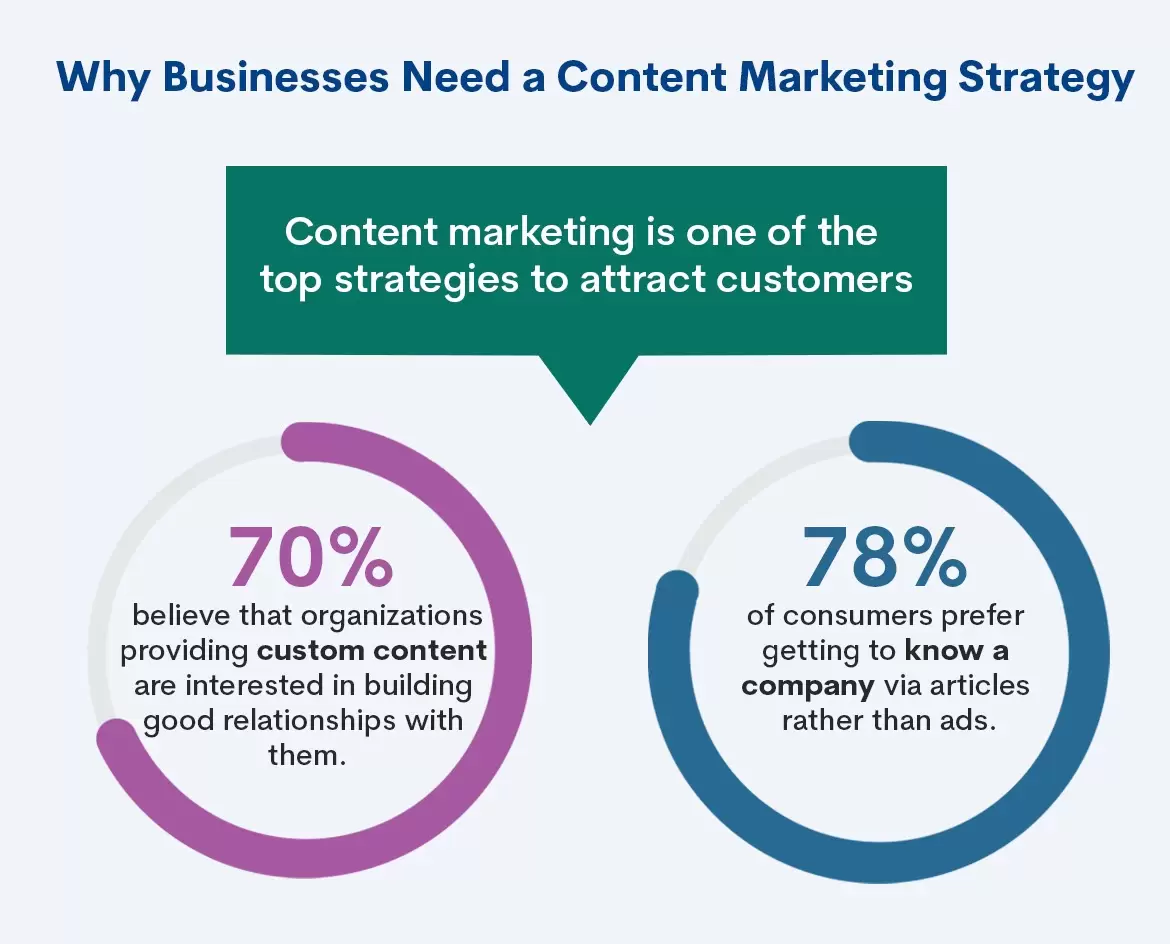
Content marketing is a strategic approach focused on creating, publishing, and distributing valuable content to attract and engage a specific target audience. Unlike traditional marketing, which often interrupts potential customers with ads, content marketing revolves around delivering informative and relevant information that provides solutions to customers’ problems.
For instance, imagine starting a new online bakery. Rather than only promoting your products through advertisements, you might share recipes, baking tips, and behind-the-scenes videos showcasing your baking process. This creates a connection with your audience, showcasing your expertise while keeping them engaged without feeling pressured to purchase.
Importance of Content Marketing for Businesses
The importance of content marketing cannot be overstated. It has become a crucial component for businesses in today’s digital age for several reasons:
- Enhanced Brand Visibility: Well-crafted content enhances search engine visibility, leading to increased website traffic.
- Cost-Effectiveness: Compared to traditional advertising methods, content marketing often yields a higher return on investment (ROI) with lower costs.
- Nurturing Customer Relationships: Consistently sharing relevant content helps build trust with your audience.
For example, a local gym that offers free workout guides and nutrition tips can position itself as a trusted resource. This strategy not only builds credibility but fosters a community around the brand.
As businesses continually strive to adapt to changing market dynamics, the significance of effective content marketing as a means to connect, inform, and convert consumers is more vital than ever. By implementing a solid content marketing strategy, businesses can navigate the competitive landscape and ensure sustained growth.

Benefits of Content Marketing
Improving Brand Awareness
One of the most significant benefits of content marketing is its ability to improve brand awareness. When businesses consistently produce high-quality content, it increases their visibility across various platforms. Think about it: each blog post, social media update, or video has the potential to reach new audiences.
For instance, a local fashion boutique might share style tips on their blog. As readers search for fashion advice, they inadvertently discover the boutique, increasing brand recognition. Some key points to consider include:
- Increased Website Traffic: Quality content drives visits to your site.
- Social Sharing: Engaging content prompts followers to share it, further amplifying reach.
Generating Leads and Sales
Another significant advantage of content marketing lies in its potential to generate leads and boost sales. By providing potential customers with valuable information, businesses can guide them through the buyer’s journey—from awareness to consideration to decision.
For example, a software company might create comprehensive guides on industry trends. Interested readers may sign up for a newsletter or download a free trial, effectively converting them into leads. Here are ways content marketing can support lead generation:
- Calls-to-Action (CTAs): Strategic CTAs in content can prompt readers to take the next step.
- Lead Magnets: Offering free resources in exchange for contact information can build a mailing list.
Building Trust and Credibility
Finally, content marketing helps establish trust and credibility in a brand. When businesses share knowledge and expertise through informative content, customers are more likely to view them as authoritative figures in their field.
A real-world example would be a financial advisor providing insights on investment strategies through webinars or articles. This transparency and willingness to educate fosters trust, encouraging potential clients to seek out their services. Consider these aspects:
- Consistency: Regularly posting valuable content reassures customers of your commitment.
- Audience Engagement: Interacting with comments or questions demonstrates attentiveness to customer needs.
In conclusion, the benefits of content marketing extend beyond just selling products. By improving brand awareness, generating leads, and building trust, businesses create a strong foundation for long-term success.
Types of Content Marketing
Blogging
Blogging is one of the most popular forms of content marketing. By creating informative and engaging blog posts, businesses can establish authority in their industry while also attracting organic traffic through search engines. Imagine a local coffee shop that shares interesting articles about coffee sourcing, brewing techniques, or even health benefits. Each useful article not only showcases their expertise but also draws potential customers to their site. Key benefits of blogging include:
- SEO Benefits: Each new post is another opportunity to rank for keywords.
- Engagement: Blogging encourages comments and discussions, allowing for customer interaction.
Social Media Marketing
Another vital type of content marketing is social media marketing. Social media platforms like Facebook, Instagram, and Twitter enable businesses to reach wider audiences in a more informal and engaging way. A beautiful post showcasing a new product or a behind-the-scenes look at the business can generate buzz and create community interest. Some characteristics of effective social media marketing include:
- Visual Content: Images, videos, and infographics are eye-catching and shareable.
- Timeliness: Posting relevant content aligned with current trends can significantly boost engagement.
For instance, a local restaurant might showcase daily specials on Instagram Stories, enticing customers to stop by.
Email Marketing
Email marketing is another powerful type of content marketing that promotes direct communication with customers. By sending regular newsletters packed with valuable content—like tips, promotions, and exclusive offers—businesses can nurture relationships with their audience. For example, an online retailer might send a monthly email featuring seasonal product recommendations or how-to guides. Here are a few advantages of email marketing:
- Personalization: Tailoring emails to specific segments ensures relevancy.
- Direct Engagement: Emails encourage readers to engage with CTAs, like visiting a website or making a purchase.
In summary, the diverse types of content marketing—blogging, social media marketing, and email marketing—provide businesses with multiple avenues to engage their audience and achieve their marketing goals. By leveraging these tools effectively, companies can create a holistic marketing strategy that resonates with their target market.
Content Marketing Strategies for San Antonio Businesses
Localized Content Creation
For businesses in San Antonio, creating localized content is essential for connecting with the community. By focusing on local events, traditions, and cultural elements, brands can make their messaging more relevant and relatable. Imagine a local restaurant blogging about their participation in San Antonio’s famous Fiesta, showcasing their special menu items. This not only promotes the restaurant but also engages with the local culture. Some strategies for localized content creation include:
- Highlighting Local Events: Write articles or create social media posts about upcoming events in San Antonio.
- Supporting Local Causes: Feature community service initiatives or partnerships with local charities to build goodwill.
Utilizing San Antonio Specific Keywords
Incorporating San Antonio-specific keywords into content is crucial for reaching the local audience. This means using terms and phrases that resonate with the community, increasing the chances of appearing in local search results. For instance, a real estate agency might write about “homes in Alamo Heights” or “San Antonio’s best neighborhoods.” Successful strategies include:
- Keyword Research: Use tools like Google Keyword Planner to identify popular local search terms.
- On-Page SEO: Optimize meta descriptions, headers, and images using these keywords to improve search visibility.
Collaborating with Local Influencers
Collaborating with local influencers can have a substantial impact on content marketing efforts. Influencers already have established connections within the community, making them perfect ambassadors for local brands. For example, a local skincare shop might partner with a San Antonio beauty influencer to promote their products through tutorials and reviews. Consider these collaborative strategies:
- Sponsored Posts: Pay influencers to create content showcasing your products or services.
- Host Local Events: Invite influencers to community events, allowing them to share their experiences with their followers.
By implementing these content marketing strategies—localized content creation, utilizing specific keywords, and collaborating with local influencers—San Antonio businesses can effectively connect with their community, enhance brand visibility, and drive engagement. Building a strong local presence is key to achieving long-term success in this vibrant city.

Measuring Content Marketing Success
Tracking Website Traffic
Measuring the success of content marketing begins with tracking website traffic. Understanding how many visitors are coming to your site, and from where, provides valuable insights into the effectiveness of your strategies. For instance, if a San Antonio business launches a new blog post about local dining trends, tracking traffic can reveal how many people are intrigued enough to click through. You can use tools like Google Analytics to gather this information. Here are some key metrics to focus on:
- Unique Visitors: Counts how many individuals visited your site over a specific period.
- Page Views: Measures how many times a particular post or page was viewed.
- Traffic Sources: Understand whether visitors came from social media, search engines, or direct links.
Analyzing Engagement Metrics
Once you’ve established traffic patterns, the next step is analyzing engagement metrics. These indicators help you understand the quality of the interactions your content generates. High engagement typically signifies that your content resonates well with your audience. Metrics to consider include:
- Comments and Shares: High levels of engagement through comments and shares demonstrate interest and encourage broader reach.
- Time on Page: If readers are spending considerable time on your content, it’s a sign they’re finding value in it.
For example, a local blog post about the best parks in San Antonio that sparks a lively discussion in the comments can reveal strong audience engagement.
Conversion Rate Optimization
The ultimate goal of content marketing is to convert visitors into customers, making conversion rate optimization (CRO) an essential measurement. CRO involves analyzing how well your content drives visitors to take desired actions, like signing up for a newsletter or making a purchase. Techniques for optimizing conversion rates include:
- A/B Testing: Experiment with different headlines, CTAs, or layouts to see which version performs better.
- Clear CTAs: Ensure your calls-to-action are prominent and compelling, guiding users toward the next step.
By focusing on tracking website traffic, analyzing engagement metrics, and optimizing conversion rates, businesses can measure the effectiveness of their content marketing efforts accurately. Understanding these elements not only highlights areas for improvement but also helps to refine strategies to achieve better results over time.
Case Studies: Successful Content Marketing Campaigns in San Antonio
Company A: Increasing Local Customer Base
Let’s take a closer look at Local Eats, a San Antonio-based food delivery service that aimed to increase its customer base through a focused content marketing campaign. They began by creating a local blog that showcased hidden gem restaurants, shared customer testimonials, and provided tips on food pairings.
As a result, Local Eats experienced a substantial increase in local traffic and engagement. Here’s how they achieved their goals:
- Community Involvement: They partnered with local food festivals, writing articles that highlighted their participation and offering exclusive discounts to attendees.
- Social Media Promotions: They actively shared their blog posts on Instagram and Facebook, utilizing stunning visuals of the dishes to attract eyeballs.
Within six months, Local Eats saw a 40% increase in orders and expanded their delivery range based on the demand generated from their content.
Company B: Enhancing Online Visibility
In another instance, we have Bright Sky Solar, a San Antonio solar energy company that wanted to enhance their online visibility. They launched a targeted campaign focused on educational content around the benefits of solar energy, local regulations, and financial incentives available in Texas.
This strategy included:
- Informative Webinars: Offering monthly webinars where experts discussed the advantages of solar power, which not only positioned them as thought leaders but also attracted prospective customers.
- SEO-Optimized Blog Posts: Using keywords like “San Antonio solar rebates” ensured their content showed up in search results, driving organic traffic to their website.
As a result, Bright Sky Solar observed a tripling of their website traffic within three months and a significant uptick in consultation requests, ultimately leading to a successful boost in sales.
These case studies illustrate that by leveraging localized content and focusing on community engagement, San Antonio businesses can successfully implement effective content marketing strategies that drive tangible results and increase brand visibility.
Challenges and Solutions in Content Marketing for San Antonio Businesses
Overcoming Competitive Local Markets
One of the most significant challenges for businesses in San Antonio is navigating the competitive local markets. With numerous companies vying for consumer attention, standing out can feel like a daunting task. However, there are several strategies that can help businesses differentiate themselves:
- Niche Targeting: Instead of appealing to everyone, local businesses should focus on niche markets. For instance, a wellness center might specialize in holistic practices tailored for busy professionals, allowing them to attract a specific audience.
- Quality Over Quantity: It’s better to produce fewer high-quality content pieces than to churn out low-quality posts. Businesses like a local brewery can create unique video series about their brewing process to engage audiences meaningfully.
By honing in on unique selling propositions and creating standout content, businesses can carve out a space for themselves in competitive landscapes.
Addressing Cultural Relevance
Another challenge in San Antonio is addressing cultural relevance in content marketing. With a rich tapestry of cultures, businesses must ensure their content resonates with a diverse audience. Here are some actionable solutions:
- Research the Audience: Understanding local customs, traditions, and values is critical. A local festival supply store, for example, can foster engagement by creating how-to guides related to culturally significant events, such as Dia de los Muertos.
- Inclusive Content Creation: Highlight diverse voices and stories to foster a sense of community. Collaborating with local artists or writers to showcase their work in your content can help build connections.
By addressing these challenges with thoughtful strategies, San Antonio businesses can effectively navigate competitive markets while resonating deeply with the cultural fabric of their community. Ultimately, this approach not only enhances brand loyalty but strengthens relationships with local consumers, paving the way for sustained success in content marketing.

Future Trends in Content Marketing for San Antonio Businesses
Video Marketing
As we look to the future of content marketing in San Antonio, one trend gaining momentum is video marketing. With platforms like YouTube, Instagram, and TikTok exploding in popularity, businesses can leverage video to connect with audiences on a deeper level. For example, a local fitness studio might create short, engaging workout videos that showcase their trainers while providing valuable tips. Some vital points to consider include:
- Authenticity: Consumers are drawn to real experiences. Behind-the-scenes videos or customer testimonials can build trust and authenticity.
- Short-Form Content: Given the limited attention span of online users, bite-sized videos (under a minute) are highly effective for engagement.
Voice Search Optimization
Another significant trend is voice search optimization. With the rise of voice-activated assistants like Siri, Alexa, and Google Assistant, more people are using voice search to find local businesses. Companies in San Antonio need to optimize their content to answer these queries. This involves tailoring content to be more conversational and direct. Here’s how businesses can adapt:
- Use Natural Language: Incorporate phrases that people would say aloud. For instance, rather than just “best tacos,” a user might search for “where can I find the best tacos in San Antonio?”
- FAQ Sections: Adding a FAQ section to websites can help address common voice search queries and improve SEO.
Personalized Content Strategies
Finally, personalized content strategies will be vital for future success. Consumers crave tailored experiences, and businesses that utilize data to create custom content will have a competitive edge. For example, an online retailer in San Antonio could segment their audience based on previous purchases, providing personalized promotions or product recommendations. Key strategies include:
- Data Utilization: Collect and analyze customer data to understand preferences and behaviors.
- Dynamic Content: Implementing dynamic website content that changes based on user demographics can significantly enhance user engagement.
In conclusion, embracing video marketing, optimizing for voice search, and personalizing content strategies will be crucial for San Antonio businesses looking to thrive in the evolving landscape of content marketing. By staying ahead of these trends, companies can effectively engage their audience and drive lasting results.