
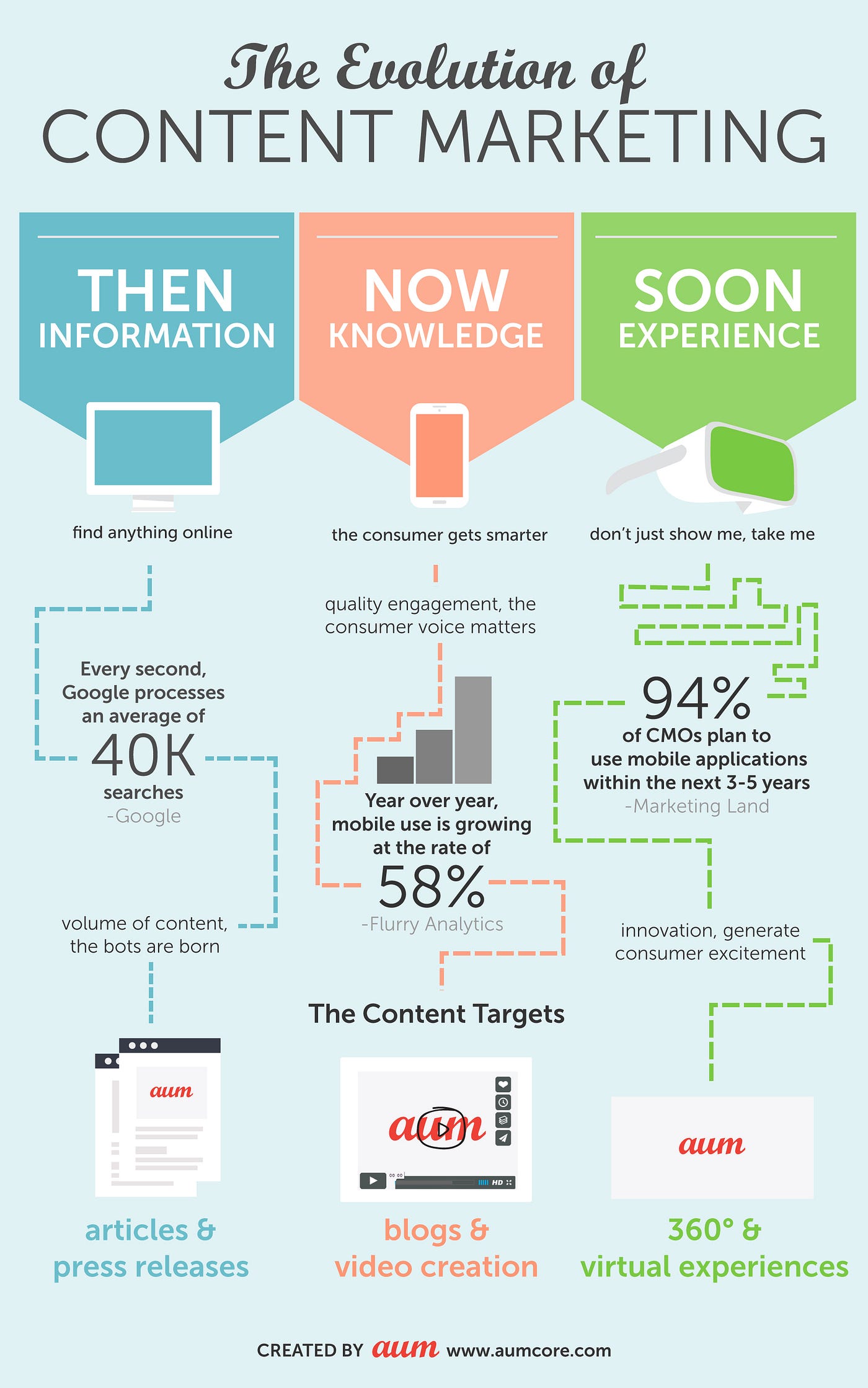
The Evolution of Content Marketing
Historical Overview of Content Marketing
Content marketing has roots that extend far beyond the digital age, weaving through time like an intricate tapestry. The concept of content marketing can trace its lineage back to the 19th century, where brands began to recognize the power of storytelling to engage customers. Take, for instance, the launch of the first-ever custom magazine by John Deere in 1895, known as “The Furrow.” This innovative publication aimed to educate farmers on agricultural techniques while subtly promoting John Deere’s equipment, setting the stage for content marketing as we know it today.
Fast forward to the 20th century, where the proliferation of mass media, including radio, television, and print, opened new avenues for storytelling. Companies like Coca-Cola and Procter & Gamble began crafting campaigns that resonated deeply with consumers’ emotions, further cementing the idea that effective content could captivate audiences and create loyal customers.
Impact of Digitalization on Content Strategies
The advent of the internet in the late 20th century brought about a seismic shift in content marketing strategies, fundamentally altering how brands interact with customers. Digitalization has redefined content marketing in several significant ways:
- Increased Accessibility: Content became more accessible to a wider audience, allowing brands to reach potential customers in manners never thought possible.
- Targeted Marketing: With data analytics, businesses can now tailor their content specifically to audience needs and preferences, unlike the broad strokes of traditional marketing.
- Real-time Engagement: Social media platforms offered instant feedback and interactions, allowing brands to engage with their audience in real-time, fostering a sense of community.
Overall, the digital age not only transformed the methods of content delivery but also shifted the focus from hard selling to building relationships through valuable content—an evolution that is critical for businesses today. As they navigate this changing landscape, brands must continually adapt, innovate, and engage with their audiences to remain relevant.
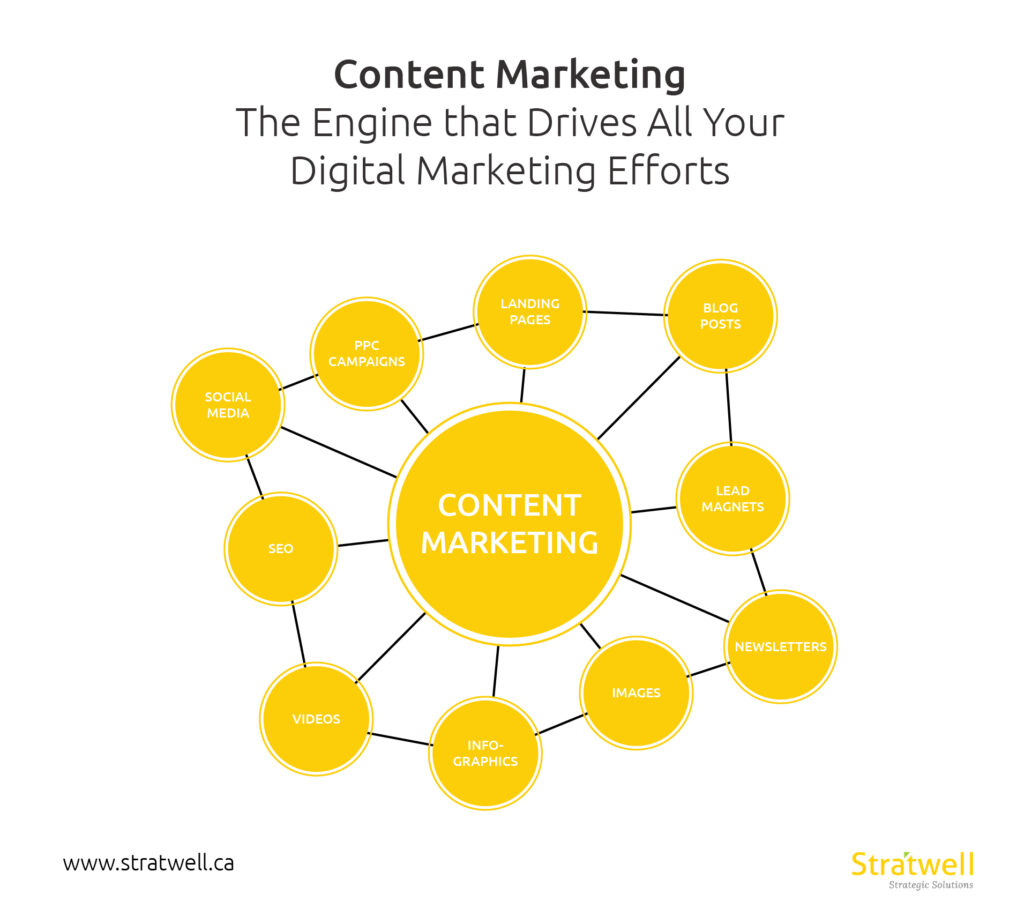
Understanding Content Marketing in the Digital Age
Defining Content Marketing in the Digital Era
As we’ve seen, content marketing has evolved significantly from its early days to adapt to the fast-paced digital landscape. In the digital era, content marketing is no longer just about crafting engaging articles or glossy brochures; it’s a multifaceted approach that integrates various forms of media to connect with audiences across multiple platforms.
In essence, content marketing in the digital age refers to the creation and distribution of valuable, relevant content tailored to attract and retain a clearly defined audience. This goal aims to drive profitable customer action—an essential component for any brand looking to thrive today.
For example, a cosmetic company might produce tutorials on using their products via blog posts, social media snippets, and engaging YouTube videos, catering directly to their audience’s needs while showcasing their product offerings in a non-intrusive way.
Key Components of a Successful Content Marketing Strategy
Creating an effective content marketing strategy involves several key components that work harmoniously to establish a brand’s voice and reach. These components include:
- Target Audience Research: Understanding who your audience is, their preferences, pain points, and interests is crucial. Tools like surveys or analytics can provide insights.
- Content Planning and Creation: Develop a content calendar that outlines topics, formats (blogs, videos, social media posts), and timelines to ensure consistency.
- SEO Optimization: Utilizing search engine optimization strategies to enhance content visibility across digital platforms is paramount. This includes keyword research, meta tags, and backlinks.
- Promotion and Distribution: Identifying channels—social media, email newsletters, or partnerships—to distribute content effectively.
- Measurement and Analytics: Leveraging data to assess engagement levels and content performance enables brands to refine their strategies continually.
These components form the backbone of a successful content marketing strategy, ensuring brands not only attract attention but also foster meaningful relationships with their audience in an increasingly competitive space. By blending these elements effectively, brands can truly harness the power of content marketing in the digital age.

Leveraging Technology for Content Marketing Success
Tools and Technologies for Content Creation and Distribution
As we dive deeper into the digital age, it becomes increasingly clear that leveraging technology is critical for content marketing success. A myriad of tools and technologies are available to help brands streamline content creation and distribution, making the process more efficient and effective.
For instance, platforms like Canva and Adobe Spark allow anyone to create stunning visuals without needing advanced design skills. Here are some notable tools that marketers can consider:
- Content Management Systems (CMS): WordPress and Squarespace simplify the process of creating and managing your website content.
- Social Media Management: Tools like Hootsuite and Buffer enable scheduling posts, monitoring engagement, and analyzing performance across various platforms.
- SEO Tools: Solutions such as Moz and SEMrush assist with keyword research and tracking search engine rankings.
- Email Marketing Platforms: Mailchimp and Constant Contact allow brands to create effective email campaigns while measuring their success.
These tools empower marketers to meet the demands of their audience while optimizing their efforts for maximum reach.
Automation and Personalization in Content Marketing
Automation and personalization are game-changers in the realm of content marketing. By integrating automation tools, businesses can streamline their processes, providing timely and relevant content to their audience without the manual workload.
For example, customer relationship management (CRM) systems like HubSpot allow marketers to automate emails based on user behavior, such as sending a welcoming message to new subscribers or follow-ups on abandoned shopping carts. Additionally, these platforms enable personalized marketing strategies that enhance user experience by:
- Segmentation: Dividing your audience into groups based on demographics, behavior, or preferences helps target messages effectively.
- Dynamic Content: Creating adaptive content that changes based on the viewer ensures that the right message hits the right audience. For example, a user interested in hiking gear may receive content tailored to outdoor adventures.
By incorporating automation and personalization into their content marketing strategies, brands can foster deeper connections with their audience, driving engagement and increasing conversions. Embracing these technological advancements isn’t just an option; it’s an essential step towards success in today’s competitive digital landscape.

Content Optimization for Digital Platforms
SEO Strategies for Content Visibility
To maximize the impact of any content strategy, optimizing it for search engines is essential. Search Engine Optimization (SEO) helps increase the visibility of your content, ensuring it reaches the intended audience effectively. A comprehensive SEO strategy involves several key practices:
- Keyword Research: Identify relevant keywords that align with your audience’s search intent. Tools like Google Keyword Planner or Ahrefs can be incredibly helpful in pinpointing high-traffic keywords.
- On-page Optimization: Incorporate these keywords naturally into your content, headings, and meta descriptions. Ideally, every piece should have a unique title tag and a compelling meta description.
- Quality Content: Focus on creating informative and valuable content that answers questions and solves problems. Google’s algorithms favor content that serves user intent, so prioritize quality.
- Internal Linking: Link to related pages within your site to enhance navigation and engage users longer.
- Mobile Optimization: With a significant percentage of content consumed on mobile devices, ensure your content is accessible and easy to read on smaller screens.
Implementing these strategies not only boosts your content’s visibility but also enhances user experience, which is a key factor for search engine rankings.
Creating Engaging Content for Social Media Platforms
Once your content is optimized for search engines, the next step is to adapt it for social media platforms, where engagement is key. Crafting engaging social media content requires a slightly different approach while maintaining the core message.
- Visual Appeal: Use eye-catching visuals, such as images, videos, or infographics, to draw viewers in. For example, a captivating infographic can summarize complex information in an easily digestible format.
- Concise Messaging: Keep your messages short and to the point. Attention spans on social media are fleeting; aim for clarity and brevity.
- Call-to-Actions: Encourage user interaction by incorporating clear calls-to-action (CTAs). Whether it’s “Share your thoughts in the comments!” or “Click the link for more details,” prompting users helps drive engagement.
- Hashtags and Trends: Utilize relevant hashtags to expand your content’s reach and tap into trending topics to capture additional visibility.
Creating engaging social media content that complements your SEO efforts will not only amplify your reach but also help foster a thriving online community around your brand. Together, these practices ensure your content resonates across various digital platforms, maximizing its potential impact.
Measuring Success: Analytics and Metrics
Importance of Data-driven Decision Making
In today’s fast-paced digital environment, making informed decisions based on data is vital for the success of any content marketing strategy. Data-driven decision-making involves analyzing behavioral patterns and preferences to understand what resonates with your audience.
Imagine running a social media campaign and, based on initial metrics, realizing that video content significantly outperformed static images. This insight could shift your entire focus towards creating more videos, enhancing user engagement. Here’s why data-driven decision-making is crucial:
- Identifying Trends: By analyzing data, you can spot trends that may not be immediately obvious, helping you pivot your strategy effectively.
- Resource Optimization: Understanding which content types yield the best results allows you to allocate your resources—time, budget, and effort—more wisely.
- Improving Targeting: Data can help refine your audience segmentation, ensuring that the right content reaches the right people at the right time.
Ultimately, this analytical approach fosters a more adaptive marketing strategy that evolves with audience preferences and behaviors.
Key Performance Indicators for Assessing Content Marketing ROI
To effectively measure the success of your content marketing efforts, you need to establish clear Key Performance Indicators (KPIs). These metrics provide insights into how well your content is performing and its overall return on investment (ROI). Here are some essential KPIs to track:
- Traffic Sources: Analyze where your visitors are coming from—search engines, social media, or email—to understand the effectiveness of your distribution channels.
- Engagement Metrics: Track likes, shares, comments, and time spent on page to gauge how well your content resonates with your audience.
- Conversion Rates: Monitor how many users take the desired action, such as signing up for a newsletter or purchasing a product, directly as a result of your content.
- Lead Generation: Measure how much your content is contributing to potential customer leads, indicating its effectiveness in driving interest.
- Bounce Rate: A high bounce rate may indicate that users are not finding what they expected, signaling a need for content optimization.
By continually analyzing these KPIs, brands can refine their content strategy, ensuring they leverage their resources effectively and maximize their marketing ROI. Ultimately, measuring success through analytics and metrics paves the way for more informed, strategic decision-making in content marketing.

Storytelling in the Digital Era
Importance of Compelling Narratives in Content
In this age of information overload, capturing an audience’s attention goes beyond presenting facts—it’s about crafting compelling narratives that resonate. Storytelling in content marketing has become essential for brands seeking to differentiate themselves and foster deeper connections with their audience.
Consider how brands like Nike and Apple weave storytelling into their marketing. They don’t just sell products; they share stories of determination, creativity, and innovation, which makes their messages relatable. Compelling narratives help evoke emotions, making content memorable and impactful. Here’s why storytelling is pivotal:
- Engagement: Stories grab attention, keeping viewers invested in the content. A well-told story can lead to higher engagement rates across various platforms.
- Brand Identity: Narratives help convey a brand’s values and mission, allowing consumers to form connections beyond the product itself.
- Improved Retention: Audiences are more likely to remember a story than a list of facts, resulting in better retention of your message.
Ultimately, storytelling transforms mundane information into relatable experiences, helping content stand out in a crowded digital landscape.
Visual Content: Videos, Infographics, and Interactive Media
Visual content plays a significant role in enhancing storytelling, as it complements written narratives with engaging and dynamic elements. In the digital era, integrating visuals can take your content to the next level:
- Videos: Platforms like YouTube and TikTok have made video content more prevalent than ever. Videos provide an immersive experience, allowing brands to tell stories more dynamically through visuals, sounds, and motion. A brand sharing behind-the-scenes footage or customer testimonials can humanize the brand and foster trust.
- Infographics: These are an effective way to condense complex information into easily digestible visuals. An infographic illustrating the steps to achieve a goal can enhance understanding and retention, making it ideal for sharing on social media.
- Interactive Media: Engaging users through polls, quizzes, or interactive presentations can elevate storytelling, as it encourages participation and fosters a sense of community.
Incorporating various forms of visual content strengthens narratives, enhancing audience engagement and making it easier for users to connect with and remember the brand. As storytelling evolves in the digital era, blending compelling narratives with visual enhancements becomes crucial for capturing and maintaining audience interest.

Building a Content Marketing Strategy for the Future
Trends and Predictions in Content Marketing
As the marketing landscape continues to evolve, staying ahead of trends is crucial for building a successful content marketing strategy. Observing shifts in consumer behavior and technology can provide valuable insights into what’s on the horizon. Here are a few notable trends making waves in content marketing:
- Personalization at Scale: Consumers have come to expect tailored experiences. Marketers will increasingly harness data and AI to create personalized content that speaks directly to individual preferences and behaviors.
- Short-form Video Content: Platforms like TikTok and Instagram Reels have popularized bite-sized videos. These snippets can offer quick, impactful messages, making them ideal for capturing attention in today’s fast-paced environment.
- Voice Search Optimization: With the rise of smart speakers and voice-activated devices, content strategies will need to adapt to include voice search optimization. This requires a focus on natural language and question-based content.
- Sustainability and Social Responsibility: Brands prioritizing eco-friendly practices and social responsibility resonate with modern consumers. Incorporating these themes into content can appeal to the values of your audience.
Staying updated on these trends and predicting future movements in content marketing will ensure brands remain relevant and competitive.
Innovation and Adaptation for Long-term Success
To thrive in the ever-changing digital landscape, innovation and adaptation are vital components of a robust content marketing strategy. Brands must embrace flexibility and creativity to navigate new challenges. Here are some strategies for fostering innovation and adaptation:
- A/B Testing: Regularly testing different content formats, headlines, and visuals can unveil what resonates most with your audience. For instance, a company might find that a blog post performs better when paired with a specific infographic style.
- Agile Marketing: Adopting an agile approach allows teams to respond to market changes quickly. This could involve adjusting content calendars based on real-time social media trends or audience feedback.
- Continuous Learning: Stay updated with industry developments by attending webinars, following thought leaders, or subscribing to relevant podcasts. This commitment to learning can inspire fresh ideas and innovative solutions.
- User-Generated Content: Encouraging customers to share their experiences can add authenticity to marketing efforts. This approach not only showcases genuine testimonials but also fosters community engagement.
By integrating these strategies, brands can ensure sustainability and growth in their content marketing endeavors. Adapting to emerging trends and embracing innovation will create a resilient strategy ready to face the challenges of the future.