

Introduction
Understanding the Basics of Content Marketing
Content marketing is an essential strategy that involves creating and distributing valuable, relevant content to attract and engage a specific audience. It is not just about promotion; it’s about storytelling and building a relationship with potential clients. By offering insights, guidance, and informative content, businesses can position themselves as industry leaders.
For accounting professionals, content marketing might look like informative blog posts, insightful videos, or engaging newsletters that provide tax tips, financial planning advice, or updates on accounting regulations. This type of communication not only boosts visibility but also fosters trust and credibility.
Why Content Marketing is Essential for Accounting Professionals
In today’s digital landscape, effective communication is paramount, especially for accounting professionals looking to grow their client base. Content marketing serves several crucial purposes:
- Building Authority: Regularly publishing expert content allows accountants to showcase their knowledge and expertise, instilling trust among current and prospective clients.
- Generation of Leads: Quality content attracts potential clients who are searching for answers online. For example, a guide on tax deductions can redirect readers to an accountant’s website, generating leads.
- Client Education: Accounting principles can be complicated. Through accessible content, accountants can simplify complex concepts, helping clients to navigate their financial journeys confidently.
- Long-term Engagement: Clients appreciate value. Regularly delivered content keeps the audience engaged, prompting them to return for more information, potentially leading to repeat business and referrals.
In conclusion, embracing content marketing can not only enhance visibility but also foster trust and establish long-lasting relationships within the accounting sector. The journey to effective content marketing starts with understanding its value.

Defining Your Audience
Identifying Target Clients for Content
Now that we understand the importance of content marketing for accounting professionals, the next step is defining the right audience. Identifying target clients is crucial as it shapes every aspect of your content strategy.
Start by asking yourself:
- Who benefits most from your services?
- Are they individuals, small businesses, or corporations?
- What are their specific financial pain points?
Creating buyer personas can be a game-changer here. For instance, if you specialize in personal tax services, your target clients might be young professionals who have recently entered the workforce. On the other hand, if you cater to small businesses, your focus might shift to entrepreneurs seeking advice on payroll or bookkeeping.
Tailoring Content to Suit Client Needs
Once the target audience is defined, the next step is tailoring content to meet their specific needs. Tailored content demonstrates empathy and understanding, addressing concerns your clients may have. Here’s how to proceed:
- Conduct Surveys: Ask your clients what topics interest them. This could be as simple as an online questionnaire sent via email, providing valuable insights into their needs.
- Analyze Current Trends: Keep an eye on industry trends to create relevant content. For example, if new tax laws are being discussed, a post explaining these changes and how they affect clients could be invaluable.
- Diversify Content Formats: Not every client prefers reading long articles. Consider creating infographics, videos, or podcasts for varying preferences.
By truly understanding your audience and crafting content that resonates, accounting professionals can position themselves as go-to experts while ensuring their content effectively addresses the needs of their clientele.
Content Creation Tips
Crafting Engaging and Informative Content
With a solid understanding of your audience and their needs, it’s time to focus on content creation. Crafting engaging and informative content is where your expertise truly shines. Remember, the goal is to provide value while keeping your readers interested. Here are some tips to achieve that:
- Tell a Story: Incorporate personal anecdotes or case studies that illustrate key points. For example, sharing a client’s success story about how your tax advice saved them money creates a relatable context.
- Use Clear and Simple Language: Avoid industry jargon unless absolutely necessary. Your content should cater to a broad audience; think about what will resonate with them.
- Break Up Text: Use subheadings, bullets, and lists to make content digestible. A well-structured post keeps readers engaged and encourages them to read till the end.
- Include Visuals: Infographics, charts, or images can enhance understanding and retention. For instance, a chart showing the benefits of various tax deductions can make complex information accessible.
Incorporating Keywords for SEO Optimization
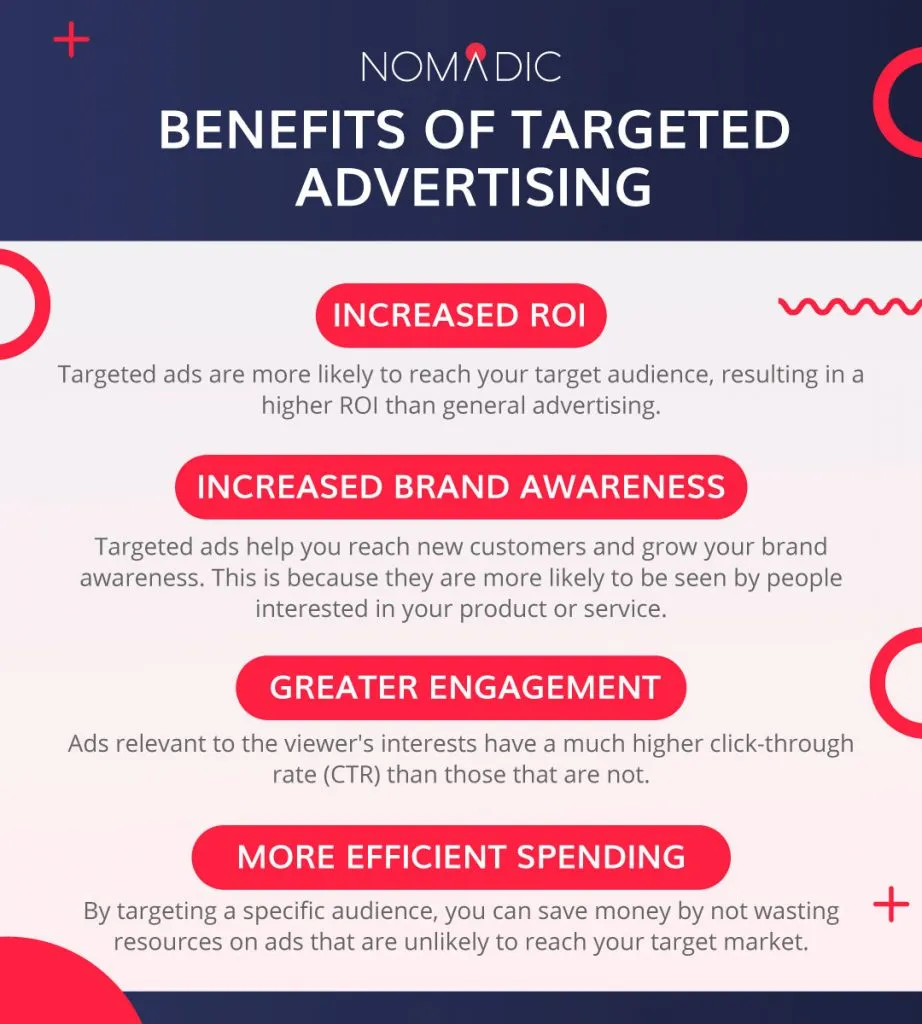
As you craft high-quality content, incorporating relevant keywords becomes crucial for SEO optimization. It helps your content rank higher in search engine results, making it easier for potential clients to find you. Here’s how to seamlessly integrate keywords:
- Research Keywords: Utilize tools like Google Keyword Planner or SEMrush to identify keywords relevant to your niche, such as “tax preparation tips” or “financial planning for small businesses.”
- Strategic Placement: Incorporate keywords naturally into titles, headings, and throughout the content. However, avoid keyword stuffing—your text must still flow naturally.
- Meta Descriptions and Alt Text: Don’t forget to optimize the meta descriptions of your blog posts and use alt text for images. This can significantly improve SEO visibility.
By focusing on engaging content and integrating SEO strategies, accounting professionals can enhance their online presence, attract more potential clients, and solidify their authority in the industry.
Leveraging Social Media
Utilizing Platforms for Content Promotion
With great content in hand, the next step is to share it far and wide. Leveraging social media platforms is an effective way to promote your accounting expertise and connect with your audience. Social media is not just a broadcasting tool; it’s a place to interact and engage with followers. Here’s how to effectively utilize these platforms:
- Choose the Right Platforms: Focus your efforts on platforms where your target audience is most active. LinkedIn is ideal for professionals, while Facebook and Instagram can be great for connecting with small business owners and individuals.
- Share Diverse Content: Mix up your posts with tips, industry news, client testimonials, and snippets from your blog. For instance, a quick video explaining common tax mistakes can grab attention while prompting viewers to visit your website for more in-depth information.
- Utilize Hashtags: Incorporating relevant hashtags can expand the reach of your posts. Use popular hashtags like #AccountingTips, #FinanceFriday, or specific ones related to your niche.
Engaging with Followers Effectively
Promotion is only half the equation; engaging with your followers is equally important. Building relationships fosters trust, and trust can lead to conversion. Here are effective engagement strategies:
- Respond Promptly: Make it a point to reply to comments and questions in a timely manner. A simple acknowledgment can go a long way in building rapport.
- Ask Questions: Encourage interaction by posing questions in your posts. For example, “What’s your biggest financial challenge this year?” This invites conversation and insight into your followers’ needs.
- Host Live Q&A Sessions: Utilize live video options on platforms like Instagram or Facebook to answer tax questions in real time. This not only showcases your expertise but also allows for dynamic engagement.
By effectively utilizing social media platforms and engaging with followers, accounting professionals can create a vibrant online presence. This approach not only promotes their content but also positions them as approachable experts in their field.
Measuring Success and Analyzing Data
Setting Key Performance Indicators (KPIs)
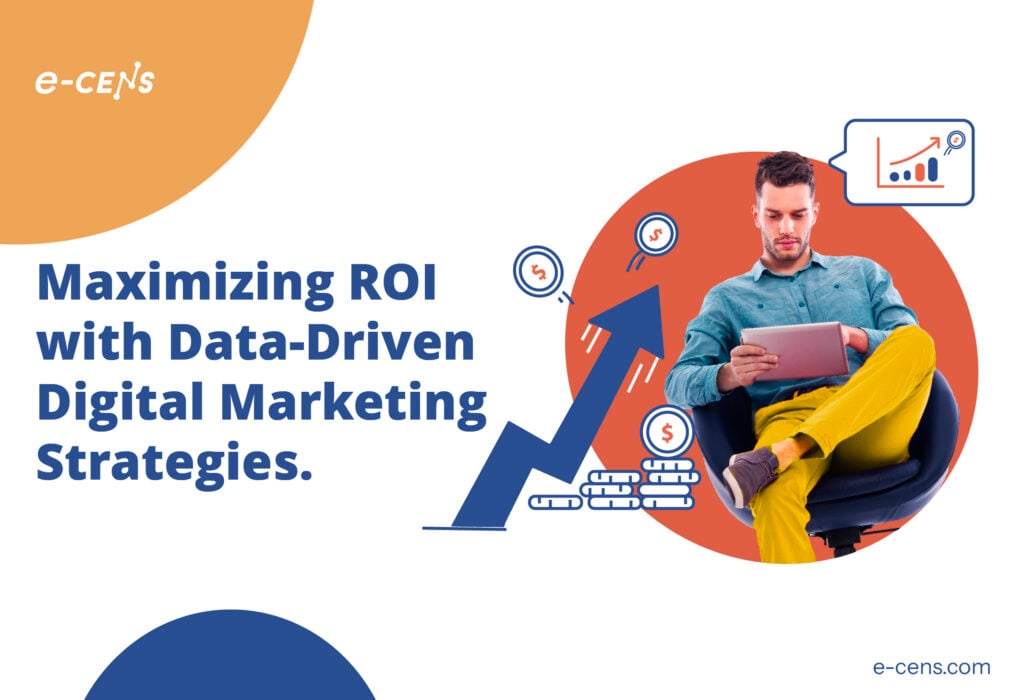
As you actively engage on social media and develop content, measuring success is the next pivotal step. Enter Key Performance Indicators (KPIs). KPIs are measurable values that demonstrate how effectively you’re achieving your goals. For accounting professionals, consider establishing the following KPIs:
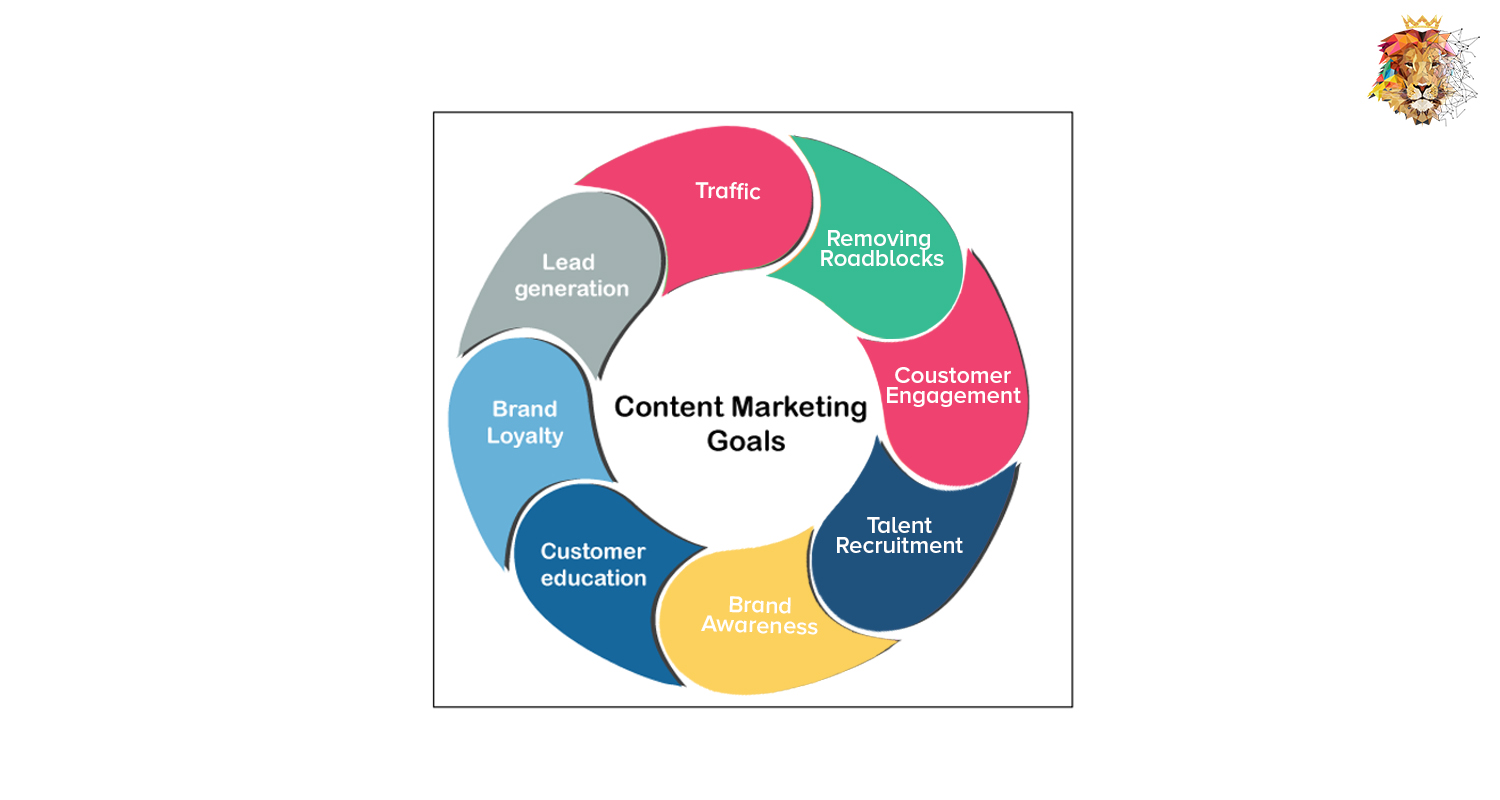
- Website Traffic: Track the number of visitors to your site. A spike after a blog post or social media campaign can indicate effective outreach.
- Engagement Rates: Measure likes, shares, and comments on your social media posts. Higher engagement suggests that your content resonates with your audience.
- Lead Generation: Monitor how many new inquiries or client consultations arise from specific campaigns. This helps assess your content’s effectiveness in driving business.
- Conversion Rate: Look at the percentage of visitors who take a desired action, like signing up for a newsletter or scheduling a consultation. This KPI indicates how well your content converts interested readers into actionable leads.
Interpreting Analytics to Improve ROI
Now that you’ve established your KPIs, it’s essential to interpret the data to improve your return on investment (ROI). Here’s how to approach this task:
- Utilize Analytical Tools: Platforms like Google Analytics, Hootsuite, or Sprout Social can provide in-depth insights into your website and social media performance. For instance, tracking which blog posts draw the most traffic can inform future topics.
- Analyze Trends: Look for patterns over time. If a specific content type yields higher engagement, consider producing more of that content.
- Adjust Your Strategy: Use the insights from your analytics to refine your marketing tactics. If engagement is low on certain platforms, it may be time to focus your efforts elsewhere.
By setting clear KPIs and carefully analyzing your data, accounting professionals can make informed decisions that enhance their marketing efforts. This strategic approach not only increases accountability but also ensures that content truly drives growth, bolstering both effectiveness and ROI.
Outsourcing and Time Management
Delegating Content Tasks Efficiently
As your accounting practice grows and your content strategy expands, the demands on your time also increase. It’s vital to recognize when outsourcing can relieve some of this pressure, allowing you to focus on your core business functions. Delegating content tasks effectively can enhance both the quality and consistency of your output. Here are some tips:
- Identify Core Strengths: Determine which aspects of content creation you enjoy and excel at—be it writing, designing, or video production. Outsource tasks that lie outside your expertise, such as graphic design or SEO optimization, to specialists.
- Choose the Right Partners: Platforms like Upwork or Fiverr offer a plethora of talented freelancers. Take the time to review portfolios and read client feedback to find individuals who align with your vision.
- Set Clear Expectations: When outsourcing, set detailed briefs outlining your goals, deadlines, and style preferences. This ensures everyone is on the same page and reduces the need for revisions.
Maximizing Productivity in Content Creation
In addition to outsourcing, fine-tuning your time management can significantly boost productivity. Here are some strategies to maximize your efficiency:
- Create a Content Calendar: A structured schedule helps you plan and visualize your content strategy. By mapping out topics for weeks or months, you reduce last-minute stress and maintain a consistent posting rhythm.
- Batch Create Content: Consider dedicating specific blocks of time solely for content creation. For example, you might spend one day writing multiple blog posts rather than piecemealing throughout the week.
- Use Automation Tools: Leveraging tools like Buffer or Hootsuite can streamline your social media scheduling, allowing you to set posts in advance. This means you can focus on pressing client work without constantly worrying about daily updates.
By effectively delegating tasks and enhancing your time management strategies, accounting professionals can ensure that their content marketing efforts remain productive and impactful. This proactive approach not only alleviates stress but also allows you to maintain the quality and consistency that will attract and retain clients.

Overcoming Common Challenges
Addressing Writer’s Block and Content Burnout
Even seasoned accounting professionals can face the dreaded writer’s block or experience content burnout. These challenges can stall your content marketing efforts and diminish your enthusiasm. A simple approach can help rekindle creativity:
- Take Breaks: Sometimes stepping away is precisely what you need. A short walk or a few minutes of stretching can refresh your mind and provide new perspectives.
- Seek Inspiration: Explore other content creators’ work for ideas. Reading industry-related articles or viewing engaging videos may ignite your own creativity. For instance, seeing how others simplify complex tax concepts can prompt new angles in your writing.
- Set Manageable Goals: Break down your content creation into smaller tasks. Instead of aiming to write an entire blog in one sitting, set out to draft an outline in the morning and a few paragraphs later in the day. This can help alleviate pressure and make writing feel more achievable.
Dealing with Changes in Algorithm and Trends
The digital landscape is always evolving, and staying ahead of changes in algorithms or trends poses a challenge. Here’s how to navigate this shifting terrain effectively:
- Stay Informed: Join relevant online communities or forums that focus on content marketing and SEO. For example, following industry leaders on LinkedIn or participating in webinars can ensure you’re updated on the latest best practices.
- Experiment and Adapt: When an algorithm change affects your visibility, be willing to try new tactics. For instance, if video content is trending, consider creating short informative snippets about tax tips.
- Analyze Performance Regularly: Use tools like Google Analytics to assess how well your content performs. If you notice a drop in audience engagement, it may be time to pivot your approach.
By implementing strategies to overcome writer’s block and adapt to evolving algorithms, accounting professionals can maintain a vibrant content marketing presence. Tackling these challenges head-on not only enhances creativity but also solidifies resilience in a rapidly changing digital landscape.
Staying Updated and Evolving Strategies
Continuing Education on Content Marketing
As the digital landscape changes, staying updated is crucial for success in content marketing. For accounting professionals, this often means embracing a mindset of continuous education. Here are some effective approaches to keep your knowledge fresh:
- Enroll in Online Courses: Websites like Coursera and Udemy offer affordable courses on content marketing, SEO, and social media strategy. Picking one that focuses on recent trends can provide actionable insights relevant to your practice.
- Attend Industry Webinars and Conferences: Live events, even virtual ones, often feature industry leaders sharing their expertise. These platforms are great for networking and learning about newcomer tactics that may benefit your firm.
- Join Professional Associations: Membership in accounting or marketing organizations can provide access to valuable resources, including workshops, articles, and networking events. Engaging with professionals in the field can lead to new ideas and partnerships.
Adapting Strategies for Long-term Success
While gaining knowledge is essential, adapting strategies based on what you learn is equally important to ensure long-term success. Here’s how to effectively evolve your approach:
- Review and Refine Regularly: Set a schedule for regularly assessing your content marketing strategy, such as quarterly or bi-annually. Look at which tactics yielded the best results and which didn’t meet your expectations.
- Embrace Feedback: Pay attention to client feedback and analytics. If clients prefer video content over written posts, adjust your strategy to include more videos. Encourage client interaction, and use their insights to tailor future content.
- Stay Flexible: The marketing landscape is ever-changing. Be prepared to pivot your strategy quickly in response to new trends or challenges. This adaptability can set you apart from competitors who may be slower to change.
By committing to continuous education and regularly adapting your strategies, accounting professionals can sustain their growth in an increasingly competitive digital environment. This approach not only enhances expertise but also ensures that your content marketing remains relevant and effective in the long run.