
Importance of Brand Awareness in Social Media Marketing
Understanding Brand Awareness
Brand awareness, at its core, refers to how familiar consumers are with a particular brand. It encompasses not just recognition but also understanding the essence of a brand’s products and services. In the age of social media, brand awareness is more important than ever. With millions of brands competing for attention, having a distinct identity helps to stand out in the busy market.
Think of your favorite coffee shop. You can likely identify its logo, the vibe of the store, and even the specific flavors they offer. This recognition means the brand has successfully established itself in your mind. Social media platforms are now the prime real estate for building this familiarity.
Social media serves as both a stage and a tool. Through eye-catching posts, engaging stories, and relatable content, brands can communicate their values and offerings directly to their audience. This interaction encourages a two-way conversation, helping consumers not only recognize but also relate to the brand on a personal level.
Benefits of Strong Brand Awareness
Creating strong brand awareness comes with a host of benefits that can propel a business forward. Here are some key advantages:
- Increased Trust: People are more likely to purchase from a brand they recognize and trust. Being present on social media builds a reputation and fosters trust with potential customers.
- Customer Loyalty: Brands that consistently engage with their audience can cultivate loyalty. Recurring interactions, whether through promotions, comments, or shared experiences, keep the brand top-of-mind.
- Cost-Effective Marketing: With brand awareness established, future marketing efforts can be more efficient. Existing customers are far easier and cheaper to market to than acquiring new ones.
- Improved Visibility: The more familiar people are with a brand, the larger its audience becomes. This visibility on social media can lead to organic growth and referrals as happy customers spread the word.
Ultimately, having strong brand awareness in social media marketing is not just about being seen—it’s about being remembered. By establishing a robust online identity, brands can create lasting connections with their audience, driving both engagement and sales success.
Utilizing Engaging Content to Boost Brand Awareness
Creating Visual Content
As we dive deeper into the importance of brand awareness, one of the most effective strategies to boost it is through engaging content—especially visual content. In today’s fast-paced digital landscape, humans process visuals 60,000 times faster than text. This insight highlights why brands must harness the power of eye-catching images, videos, and graphics.
Imagine scrolling through your social media feed; vibrant colors or dynamic videos effortlessly grab your attention compared to lengthy text posts. Here’s how businesses can capitalize on visual content:
- Infographics: These combine data with visuals, simplifying complex information into digestible pieces, making them shareable and highly engaging.
- Videos: Short video clips tell a story quickly, whether it’s a product demonstration, behind-the-scenes look, or customer testimonials. They help generate emotions and connections.
- Instagram Stories and Reels: These formats allow brands to showcase their personality. They can also provide real-time engagement through polls or Q&A sessions, enhancing personal connections.
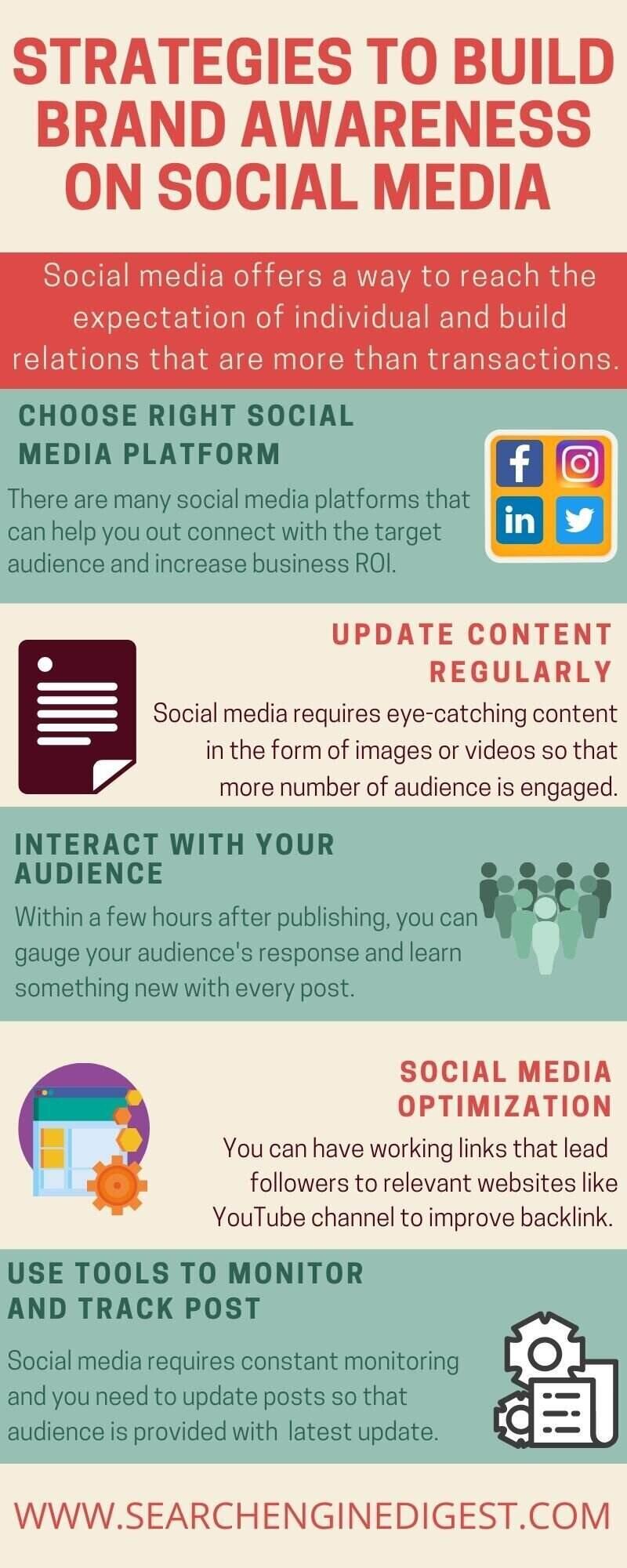
By integrating strong visual elements, brands can capture attention and communicate their message effectively, thereby strengthening brand awareness across social media platforms.
Leveraging User-Generated Content
Another powerful strategy is to leverage user-generated content (UGC). UGC encompasses any content created by fans and customers about a brand, whether it’s reviews, photos, or videos. This emphasizes authenticity and encourages community involvement, allowing brands to showcase real experiences from real customers.
Consider this: when a friend recommends a restaurant, you are more likely to trust their opinion than any advertisement. The same goes for UGC; it carries a weight of credibility. Brands can encourage UGC in several ways:
- Contests and Giveaways: Inviting customers to share their experiences or photos with a brand-related hashtag can yield a treasure trove of authentic content.
- Feature Customer Stories: Highlighting customer reviews or stories on your social platforms builds community and encourages engagement.
- Create a Unique Hashtag: This allows users to showcase their experiences while making it easy for the brand to track and share UGC.
By nurturing and celebrating this organic content, brands not only enhance their visibility but also foster a loyal community, further enriching their brand awareness. Together, these strategies create a vibrant landscape that makes brands memorable and relatable.
Building a Strong Social Media Presence
Consistent Branding Across Platforms
Continuing from the powerful strategies of user-generated content, one of the key aspects of enhancing brand awareness is building a strong and cohesive social media presence. A vital component of this is consistent branding across platforms. When users encounter a brand on different social media channels, they should feel a sense of familiarity and unity in the brand’s voice, imagery, and messaging.
Consider a well-known brand like Nike. Whether you visit their Instagram, Twitter, or Facebook, you’ll notice they maintain the same bold visuals, inspirational quotes, and an empowering tone. This consistency not only makes their content recognizable but also reinforces their core values. Here are some tips for achieving that cohesive brand image across platforms:
- Unified Visual Identity: Use the same logo, color palette, and font styles in all posts. This reinforces brand recognition.
- Brand Voice: Whether the tone is playful, informative, or serious, keeping a consistent voice helps users connect emotionally with the brand.
- Cross-Promotion: Encourage followers from one platform to connect on others, amplifying reach and engagement.
By ensuring that every touchpoint aligns, brands can cultivate a reliable and memorable presence that resonates with audiences across various platforms.
Engaging with Followers
Equally important as branding is the engagement with followers. Social media isn’t just a broadcasting tool; it’s a conversation platform. When brands actively engage with their followers, they create a sense of community and belonging.
Imagine scrolling through your feed and seeing a brand respond to a question you asked, or share a follower’s photo in their stories. It feels personal, doesn’t it? Here are some proven ways to engage followers effectively:
- Prompt Responses: Keep an eye on comments and messages, and respond promptly. This shows followers their opinions matter.
- Ask Questions: Polls and open-ended questions invite followers to share opinions, fostering a two-way dialogue.
- Host Live Sessions: Live Q&A sessions or product demos allow real-time interactions and create excitement.
- Share User Content: When brands highlight follower contributions, it fosters loyalty and encourages others to share their experiences.
Building a strong social media presence requires a blend of consistent branding and genuine engagement. By ensuring that users feel valued and recognized, brands can cultivate loyalty and create deeper connections that enhance brand awareness and support overall business growth.

Leveraging Influencer Partnerships for Brand Awareness
Identifying the Right Influencers
Transitioning from the importance of building a robust social media presence, another powerful way to enhance brand awareness is through leveraging influencer partnerships. The right influencers can bring authenticity, trust, and exposure to your brand. But how do you identify the right influencers who align with your brand values?
Think of an influencer as a bridge connecting your brand to a new audience. They should resonate with your target demographic to ensure the partnership feels genuine.
Here are some key points to consider when identifying influencers:
- Niche Alignment: Look for influencers whose content aligns with your brand’s niche. If you sell fitness products, partnering with a fitness influencer will yield better results than one focused on fashion.
- Engagement Metrics: Check their engagement rates—likes, comments, and shares are more important than raw follower numbers. An influencer with a smaller, engaged audience can often be more effective than a celebrity with millions of followers.
- Authenticity: Evaluate their authenticity by reviewing their content and interactions. Influencers who engage genuinely with their followers often have greater credibility.
- Values and Aesthetics: Ensure the influencer’s values and aesthetics match your brand’s. A misalignment can confuse potential customers and dilute brand messaging.
By taking the time to research and choose the right influencers, brands can create impactful connections that enhance visibility and foster trust.
Collaborating on Campaigns
Once you’ve identified suitable influencers, the fun begins with collaborating on campaigns. This collaboration should reflect both the influencer’s style and your brand message, creating a seamless blend that feels natural to their audience.
Consider co-creating content rather than dictating terms. This makes the partnership feel more authentic. Here are some collaborative strategies you might explore:
- Product Reviews: Provide influencers with products to review. Authentic endorsements can lead to conversions as followers trust their opinions.
- Giveaways and Contests: Collaborating on a giveaway can draw attention not just to the influencer’s audience but also generate excitement among your followers.
- Behind-the-Scenes Features: Have influencers create content showing how they use your product in real life. This relatable content offers consumers a peek into your brand’s authenticity.
- Live Events or Takeovers: Host live events or allow influencers to take over your social media for a day. This activity fosters a dynamic connection that can attract larger audiences.
By thoughtfully identifying the right influencers and collaboratively creating engaging campaigns, brands can significantly boost their awareness in an increasingly crowded digital space. These partnerships not only broaden reach but also build community and trust, making them a vital strategy in any social media marketing arsenal.
Using Paid Advertising Strategies for Brand Awareness
Targeted Ads on Social Media
As we move from the impactful realm of influencer partnerships, let’s explore another effective approach to boost brand awareness through paid advertising strategies. Social media platforms offer powerful tools for targeting ads, allowing brands to reach their desired audience more precisely than ever.
Imagine launching a campaign on Facebook or Instagram, where you can tailor your ads based on demographics, interests, and behaviors. This level of customization ensures that your message reaches potential customers who are already inclined to engage with your brand.
Here are some essential elements to consider when utilizing targeted ads:
- Audience Segmentation: Use data analytics to identify the demographics that are most connected to your brand. This can include age, gender, location, and interests.
- Compelling Visuals: Your ad should include eye-catching visuals or videos. Just think about how an arresting image can stop users from scrolling, making them curious about your brand!
- Clear Messaging: Craft a concise message that communicates your brand’s value proposition. Stress any promotions or unique selling points that may capture attention.
- Call-to-Action (CTA): Encourage users to take immediate action—whether visiting your site, signing up for a newsletter, or following your social channels.
Targeted advertising not only amplifies your reach but also effectively positions your brand in front of a receptive audience, driving higher engagement and brand recognition.
Retargeting Tactics
Following the initial engagement through targeted ads, retargeting tactics play a crucial role in reinforcing brand awareness. Think of retargeting as a gentle reminder for users who have previously interacted with your brand but may not have converted into customers yet.
Imagine you’re browsing a website for shoes but leave without purchasing. Later, you notice ads for those exact shoes on your social media feeds. This strategy maintains your brand’s presence in the user’s mind. Here’s how to implement effective retargeting:
- Website Retargeting: Use cookies to track visitors and serve them ads based on their previous interactions, keeping your products in sight.
- Email List Retargeting: Craft personalized ads for existing customers in your email lists to encourage repeat purchases or cross-sell related products.
- Dynamic Ads: Display ads that automatically show products based on the specific items users viewed, making the offer feel customized and relevant.
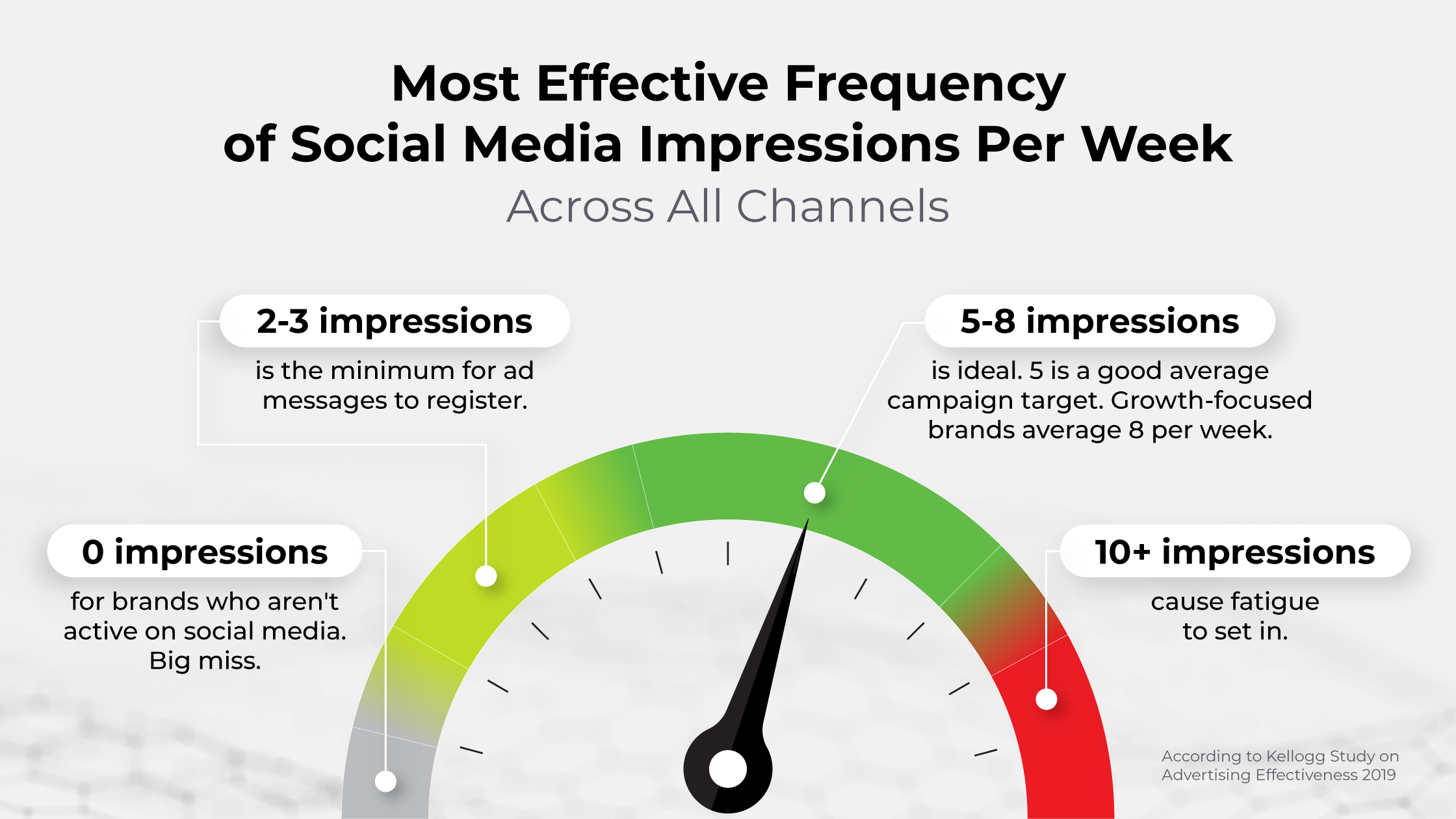
- Frequency Management: Monitor ad frequency to avoid overwhelming users. Balance visibility with ensuring that your messages remain fresh and non-intrusive.
Incorporating both targeted ads and retargeting tactics provides brands with a formidable approach to enhancing brand awareness. By maintaining a persistent presence and ensuring relevant content reaches both new and existing audiences, brands can foster deeper connections and drive conversions effectively.

Measuring and Analyzing Brand Awareness Efforts
Key Metrics to Track
Building brand awareness is only part of the journey; equally important is measuring and analyzing the effectiveness of your efforts. Transitioning from the paid advertising world, metrics provide valuable insight into how well your brand is resonating with your audience. Knowing what to track can help you refine your strategies and achieve better results.
Here are some key metrics to consider:
- Reach: This indicates how many unique users have seen your content. A large reach means more people are becoming aware of your brand.
- Impressions: While reach counts unique views, impressions account for the total number of times your content is displayed. High impressions can suggest good visibility.
- Engagement Rate: This metric includes likes, shares, comments, and other interactions with your content. The higher the engagement, the more invested users are in your brand.
- Website Traffic: Track performance through tools like Google Analytics to see how many visitors come from your social media campaigns. Increased traffic often correlates with heightened brand awareness.
- Brand Mentions: Monitor how often your brand is mentioned across social media and online platforms. This helps gauge how well your brand is being discussed in the public realm.
By regularly tracking these metrics, you can gauge the health of your brand’s awareness efforts and adjust your strategies accordingly.
Using Analytics Tools for Insight
To make sense of all these metrics, utilizing analytics tools is essential. These tools offer a treasure trove of data that can help you understand user behavior and brand performance more clearly.
Consider the following tools and their benefits:
- Google Analytics: This is a must-have tool for tracking website traffic. You can also set up goals to see which channels are converting effectively, giving you insight into which branding strategies work best.
- Social Media Insights: Most platforms, such as Facebook, Instagram, and Twitter, offer native analytics features. These provide information about reach, engagement, and audience demographics, helping you understand which content resonates most.
- Brand Monitoring Tools: Tools like Mention and Brand24 can help track online conversations about your brand. Knowing when and where your brand is discussed can inform future engagement strategies.
- A/B Testing: Using analytics to conduct A/B tests allows you to measure how changes in content or placement affect engagement, helping you optimize your approach.
By embracing these tools and analyzing key metrics, brands can make informed decisions that enhance their overall strategies for increasing brand awareness. It’s not just about how many people see your brand; it’s about understanding the impact your efforts have and continuously evolving for greater success.