

Introduction
Overview of Augustine’s Social Media Mastery
In today’s fast-paced digital landscape, the mastery of social media has become a crucial skill for businesses and individuals alike. One such figure who has adeptly navigated this terrain is Augustine. His approach to social media marketing highlights the importance of strategic engagement, creativity, and audience connection.
Augustine’s methodology embodies the essence of an effective digital presence. He utilizes a combination of organic storytelling and data-driven content strategies to captivate audiences and foster communities. For instance, by sharing authentic experiences and industry insights, he not only attracts followers but also builds trust and loyalty. This makes every post not just a piece of content, but an opportunity to engage meaningfully.
Significance of Digital Engagement
Digital engagement goes beyond merely posting updates; it involves creating conversations and connections. Here’s why it matters:
- Brand Recognition : Regular and meaningful engagement helps to establish and enhance brand identity. The more people interact with content, the more familiar they become with the brand.
- Community Building : Engaging with audiences fosters a sense of community. When individuals feel part of a bigger picture, they are more likely to engage consistently.
- Feedback Loop : Through social media interactions, businesses can gather valuable insights and feedback. This information can be instrumental in shaping products and marketing strategies.
- Cost-Effective Marketing : Unlike traditional advertising methods, social media marketing often provides a more affordable way to reach vast audiences, making it accessible for businesses of all sizes.
In summary, Augustine’s social media mastery not only showcases the nuances of digital engagement but also emphasizes its significance in connecting brands and consumers on a deeper level. Embracing these elements can transform the way businesses interact in the digital realm, yielding long-term benefits.

Understanding Social Media Trends
Importance of Social Media Platforms
Navigating the digital world means understanding the platforms that host vibrant conversations and interactions. Social media platforms serve as the backbone of modern communication, and recognizing their importance can empower brands to reach their goals effectively.
For instance, platforms like Facebook, Instagram, Twitter, and LinkedIn cater to different audiences and types of content. Here are a few key points highlighting their significance:
- Audience Reach : Each platform has a unique user demographic, allowing businesses to tailor their messages effectively. For example, Instagram is predominantly favored by younger audiences who enjoy visual storytelling, whereas LinkedIn attracts professionals seeking career-oriented content.
- Engagement Opportunities : Social media platforms offer a range of tools—stories, polls, live videos—that boost engagement. Utilization of these interactive features can ignite two-way communication and create a sense of community.
- Real-Time Feedback : Brands can instantly gauge audience reactions to their content, enabling rapid adjustments to strategies. This adaptability is crucial in today’s fast-paced market.
Analyzing User Behavior on Social Media
Understanding user behavior on social media is essential for refining strategies and ensuring effective engagement. By analyzing how audiences interact with content, brands can make informed decisions that resonate with their followers.
Consider the following aspects when analyzing user behavior:
- Content Preferences : What type of posts garner the most attention? Are users engaging more with videos, infographics, or written posts? Monitoring these preferences can tailor future content.
- Active Timeframes : Identifying peak times when audiences are most active can significantly enhance reach and engagement. Posting during these windows can provide maximum visibility.
- Sentiment Analysis : Understanding whether the feedback is positive, negative, or neutral helps brands to adjust their messaging and approach accordingly.
By continuously studying user behavior alongside the changing trends on social media platforms, brands can cultivate an adaptive and robust online presence that drives engagement and loyalty.

Building an Effective Social Media Strategy
Identifying Target Audience
To build an effective social media strategy, one of the first steps is to clearly define the target audience. Without knowing who you are speaking to, it’s challenging to create content that resonates.
Identifying your audience involves several layers, including:
- Demographic Analysis : Understanding age, gender, location, and income level can significantly shape your messaging. For instance, a skincare brand targeting millennials may focus on trendy, eco-friendly ingredients.
- Psychographic Profiling : Beyond demographics, consider their interests, values, and lifestyle. For example, if your audience prioritizes sustainability, they might respond positively to messages about eco-friendly practices or products.
- Behavior Tracking : Monitor how your existing followers interact with your content. This includes which posts they engage with the most, and at what times they are most active. Tools like Google Analytics or social media insights can provide these valuable data points.
Knowing your audience is akin to having a map before embarking on a journey; it guides every step you take.
Content Creation and Curation Techniques
Once you have a clear picture of your target audience, the next step is to harness effective content creation and curation techniques. High-quality content is vital for attracting and retaining followers, and it can take various forms.
Consider these strategies:
- Quality Over Quantity : Focus on creating fewer, high-quality posts rather than overwhelming your audience with frequent, mediocre content. A visually stunning infographic or a heartfelt story often resonates more than ten mundane updates.
- Diversified Content Types : Mix up your posts with videos, images, polls, and articles to keep the audience engaged. For example, storytelling through videos can evoke emotions and encourage sharing.
- User-Generated Content : Encourage your followers to share their experiences with your brand. This not only creates authentic content but also fosters a sense of community.
- Regular Updates : Consistency is key. Develop a content calendar that outlines when and where to post. Regularly updating users keeps your brand fresh in their minds.
By identifying your audience and employing strategic content creation and curation techniques, you pave the way for a successful social media strategy that captures attention and drives engagement.
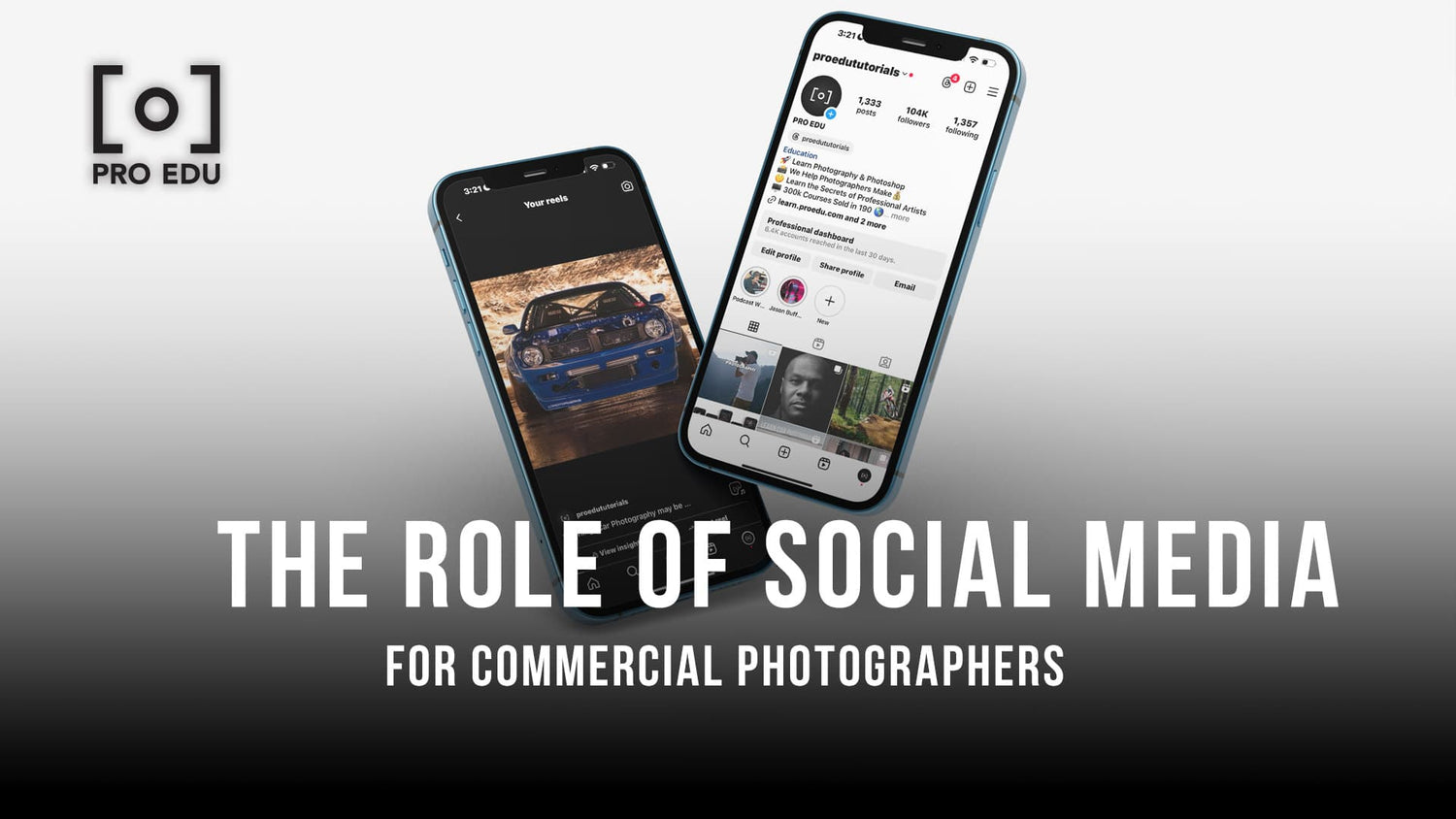
Maximizing Engagement through Visual Content
Importance of Visuals in Social Media
As social media continues to evolve, the significance of visual content cannot be overstated. In an age where attention spans are shorter than ever, compelling visuals can capture interest and convey messages swiftly. It’s no wonder that posts with images receive 650% higher engagement than text-only updates.
Here are some reasons why visuals play a crucial role in social media:
- Immediate Impact : A striking image or video can communicate emotions and ideas in a fraction of a second. For instance, brands like GoPro leverage stunning visuals to connect with adventure seekers instantly.
- Memory Retention : Visuals improve the likelihood of information retention. People remember about 80% of what they see, compared to only 20% of what they read. Incorporating visuals aids in reinforcing your brand message.
- Shareability Factor : Engaging visuals are more likely to be shared. An eye-catching graphic or entertaining video increases the chances of followers sharing your content within their networks, amplifying reach exponentially.
- Brand Personality : Consistent use of visuals can help define and communicate your brand identity. Whether it’s through color schemes, design styles, or imagery, these elements collectively contribute to how your audience perceives you.
Tools for Creating Compelling Visuals
To maximize engagement through visual content, it’s essential to utilize tools that simplify the creation process and enhance quality. Thankfully, there are numerous user-friendly options available:
- Canva : This popular graphic design platform allows users to create stunning visuals with ease, offering templates for social media posts, infographics, and more.
- Adobe Spark : For those seeking to create animated videos or web pages, Adobe Spark offers an intuitive interface that turns ideas into lively content.
- Piktochart : Infographics can convey complex information at a glance, and Piktochart excels at simplifying that process, making data visually digestible.
- Unsplash : For high-quality stock images, Unsplash provides a wide variety of free resources that can be incorporated into your posts.
By recognizing the importance of visuals and effectively utilizing these tools, brands can significantly enhance their social media engagement, foster connections, and ultimately build a loyal following. Visual content is indeed a game-changer, so embracing it is a step towards a successful digital presence.
Leveraging Data Analytics for Social Media Success
Understanding Social Media Metrics
As brands navigate the bustling world of social media, the ability to leverage data analytics becomes indispensable for achieving success. The first step in this journey is understanding social media metrics—key indicators that provide insights into performance and audience behavior.
Here are some vital metrics every brand should monitor:
- Engagement Rate : This measures how users are interacting with your content, including likes, comments, shares, and saves. A higher engagement rate indicates your content resonates well with your audience.
- Reach vs. Impressions : Reach refers to the total number of unique users who have seen your content, while impressions count how many times your content has been displayed, regardless of whether it was clicked or not. Understanding this distinction helps in gauging content visibility.
- Follower Growth Rate : Instead of merely tracking total followers, focusing on the growth rate helps assess the effectiveness of your strategies over time. A consistent increase signals a thriving interest in your brand.
- Click-Through Rate (CTR) : This metric reveals how many users are clicking on links in your posts. A higher CTR showcases effective calls to action and interest in the content you share.
By keeping an eye on these metrics, brands can better understand what’s working and what needs adjustment.
Implementing Data-Driven Decisions
Once you’ve gathered and analyzed relevant metrics, the next step is implementing data-driven decisions. This means using insights gained from analytics to inform your social media strategy.
Here are several strategies to consider:
- Content Optimization : Use data to identify which types of content garner the most engagement. For instance, if video posts perform better than images, prioritize creating more video content.
- Timing Adjustments : Analytics can reveal when your audience is most active. By scheduling posts during peak times, you can enhance visibility and engagement.
- A/B Testing : Experiment with different content formats, captions, or visuals by running A/B tests. Analyzing which variations perform best can indicate the preferences of your audience.
- Audience Segmentation : Dive into demographic data to tailor content for specific segments of your audience. Personalized content often leads to higher engagement and loyalty.
By adopting a data-driven approach, brands can cultivate strategies that not only resonate with their audience but also drive measurable success in the ever-evolving landscape of social media. Making informed decisions ensures that resources are utilized effectively, ultimately paving the way for stronger engagement and community building.

Engaging with Influencers and Collaborations
Benefits of Influencer Marketing
As brands explore avenues to expand their reach and enhance engagement, influencer marketing emerges as a powerful tool. Collaborating with influencers offers several benefits that can elevate a brand’s presence in the crowded digital landscape.
Here’s why influencer marketing is crucial:
- Authenticity : Influencers have built trust with their audiences. Their recommendations often feel personal and authentic, leading to higher conversion rates. For instance, when an influencer shares a skincare routine featuring your product, their followers are more likely to consider it genuine advice.
- Extended Reach : Influencers typically have a dedicated following. Partnering with the right influencer can expose your brand to an audience that aligns with your target market. This expanded visibility can result in increased brand awareness.
- Engagement Boost : Content created in collaboration with influencers tends to generate more engagement. Their followers are often eager to interact with posts that feature familiar personalities, increasing the potential for likes, shares, and comments.
- Cost-Effective Advertising : Compared to traditional ad campaigns, influencer partnerships can offer a great return on investment. Micro-influencers, in particular, often charge less while engaging a highly targeted audience effectively.
Strategies for Successful Collaborations
To make the most of influencer collaborations, it’s essential to approach them with a strategic mindset. Here are several tactics for successful partnerships:
- Identify the Right Influencers : Select influencers whose values align with your brand. Checking their engagement rates and audience demographics ensures a better match. Additionally, working with micro-influencers can yield great results due to their strong connections with followers.
- Set Clear Goals : Define what success looks like for your campaign. Whether it’s increased website traffic, product sales, or social media engagement, having measurable goals enables you to assess the effectiveness of the collaboration.
- Encourage Creative Freedom : While it’s essential to have some guidelines, give influencers the freedom to express your brand authentically. Their unique style can bring a fresh perspective that resonates better with their audience.
- Build Long-Term Relationships : Instead of one-time collaborations, consider forging ongoing partnerships. Long-term relationships can result in authentic brand loyalty among the influencer’s followers.
By engaging effectively with influencers and implementing strategic collaborations, brands can magnify their presence, connect authentically with audiences, and foster a loyal community that champions their message. In an era where trust and relatability are key, influencer marketing is undeniably a valuable asset in social media strategies.

Crisis Management in the Digital Age
Handling Negative Feedback on Social Media
In the intricate landscape of social media, negative feedback can arise unexpectedly, either from a customer complaint, a product failure, or even broader societal issues. Effective management of such situations is essential to maintaining your brand’s integrity and customer trust.
Here’s how to handle negative feedback:
- Respond Promptly : Timeliness is crucial. A prompt acknowledgment shows that you care about the customer’s experience. For instance, responding within an hour can alleviate rising tensions and demonstrate your commitment to resolution.
- Stay Professional : No matter how harsh the criticism, always maintain a calm and professional tone. Engage respectfully, as this reflects positivity not just to the complainant but also to other audience members watching the interaction.
- Offer Solutions : If possible, respond with a solution or ask for more information privately. For example, “We’re sorry to hear about your experience! We would love to resolve this. Can you please send us a direct message?”
- Learn and Adapt : Use negative feedback as a learning opportunity. Analyze patterns in complaints to identify areas needing improvement, and communicate these changes to reassure your audience that you’re taking action.
Creating a Crisis Communication Plan
A proactive approach is to have a crisis communication plan in place. This ensures your brand is prepared to handle potential issues swiftly and efficiently. Here’s how to create such a plan:
- Identify Potential Risks : Assess what could jeopardize your brand (e.g., product recalls, service outages, or public relations issues). Preparing for these scenarios helps in formulating effective responses.
- Establish a Response Team : Designate a team responsible for crisis management. This group should include key stakeholders such as marketing, PR, customer service, and legal representatives.
- Develop Key Messages : Craft pre-approved response templates for common crisis situations. This helps in maintaining consistency in communication while addressing concerns authentically.
- Monitor and Analyze : Implement tools to monitor social media sentiment and track conversations about your brand. This awareness allows for quicker responses and adjustments to your communication strategy based on real-time feedback.
By preparing for negative feedback and creating a comprehensive crisis communication plan, brands can navigate challenging situations with confidence. Proactive measures like these not only help to mitigate damage but also demonstrate to your audience that you value transparency and accountability—key factors in fostering long-lasting relationships.
Future Trends in Social Media Engagement
Emerging Technologies in Social Media
As we look toward the future of social media engagement, it’s essential to stay abreast of emerging technologies that are reshaping user interactions and content delivery. These technologies promise to enhance user experience while providing brands with innovative ways to connect with audiences.
- Artificial Intelligence (AI) : AI is revolutionizing customer service through chatbots that provide instant responses to queries. An example is Sephora’s chatbot, which offers personalized product recommendations based on user preferences, enhancing customer satisfaction.
- Augmented Reality (AR) : AR allows users to experience products in real-time. Brands like IKEA have embraced AR to let customers visualize how furniture will look in their homes. This immersive experience not only engages users but also assists in the purchasing decision.
- Live Streaming : Live video content is gaining traction, as it offers an authentic and engaging way for brands to connect with their audiences. For instance, beauty brands often use live streams to demonstrate products in action, answer questions, and create a sense of immediacy.
- Voice Search Optimization : As voice-activated devices become commonplace, brands will need to optimize their content for voice searches. Adapting strategies to meet this trend can improve visibility and engage an audience that prefers speaking over typing.
Predictions for the Future of Digital Engagement
Looking ahead, several predictions outline the direction of digital engagement in social media:
- Greater Emphasis on Authenticity : Consumers crave genuine connections. Brands that prioritize authentic storytelling and transparent communication will foster deeper relationships with their audience.
- Shift Toward Community-Centric Content : Social media will increasingly focus on building communities. Brands that engage customers in creating content and sharing experiences are likely to see heightened loyalty and engagement.
- Personalization at Scale : As data analytics becomes more sophisticated, brands will create highly personalized experiences tailored to individual user preferences. Customers will expect content that resonates with their unique needs and interests.
- Increased Regulation and Ethical Considerations : As social media platforms face scrutiny regarding privacy and data security, brands must prioritize ethical practices in their marketing strategies to maintain trust.
As emerging technologies and shifting user expectations shape the landscape, brands must remain agile and innovative. By embracing these trends and adapting their strategies, businesses can position themselves for success in the ever-evolving world of social media engagement. The future is bright for those willing to redefine how they connect with their audiences!