

Introduction to Email Marketing
Definition and Importance
Email marketing is the process of sending commercial messages to a group of people through email. It’s an effective way to communicate with customers and promote products or services. Given the constant evolution of digital marketing, email remains a crucial element due to its large reach and direct communication channel.
Importance wise, email marketing enables businesses to build relationships with customers, foster loyalty, and drive conversions. For instance, a small online boutique can send personalized styling recommendations directly to customers, leading to higher engagement levels and encouraging repeat purchases.
Benefits of Email Marketing
The benefits of email marketing extend far beyond reaching customers. Here are a few compelling advantages:
- Cost-Effectiveness: Email marketing is significantly less expensive than traditional marketing methods. With relatively low costs, businesses can achieve high returns on investment.
- Targeted Messaging: Marketers can segment their audience and tailor messages based on demographics, behavior, and preferences.
- Measurable Results: Email platforms offer robust analytics. Marketers can track open rates, click-through rates, and conversions to measure campaign success.
- Automation Opportunities: Automated campaigns can nurture leads automatically, allowing businesses to work efficiently while maintaining customer engagement.
In essence, email marketing is not just a strategy; it’s a vital tool for building connections and driving business growth.
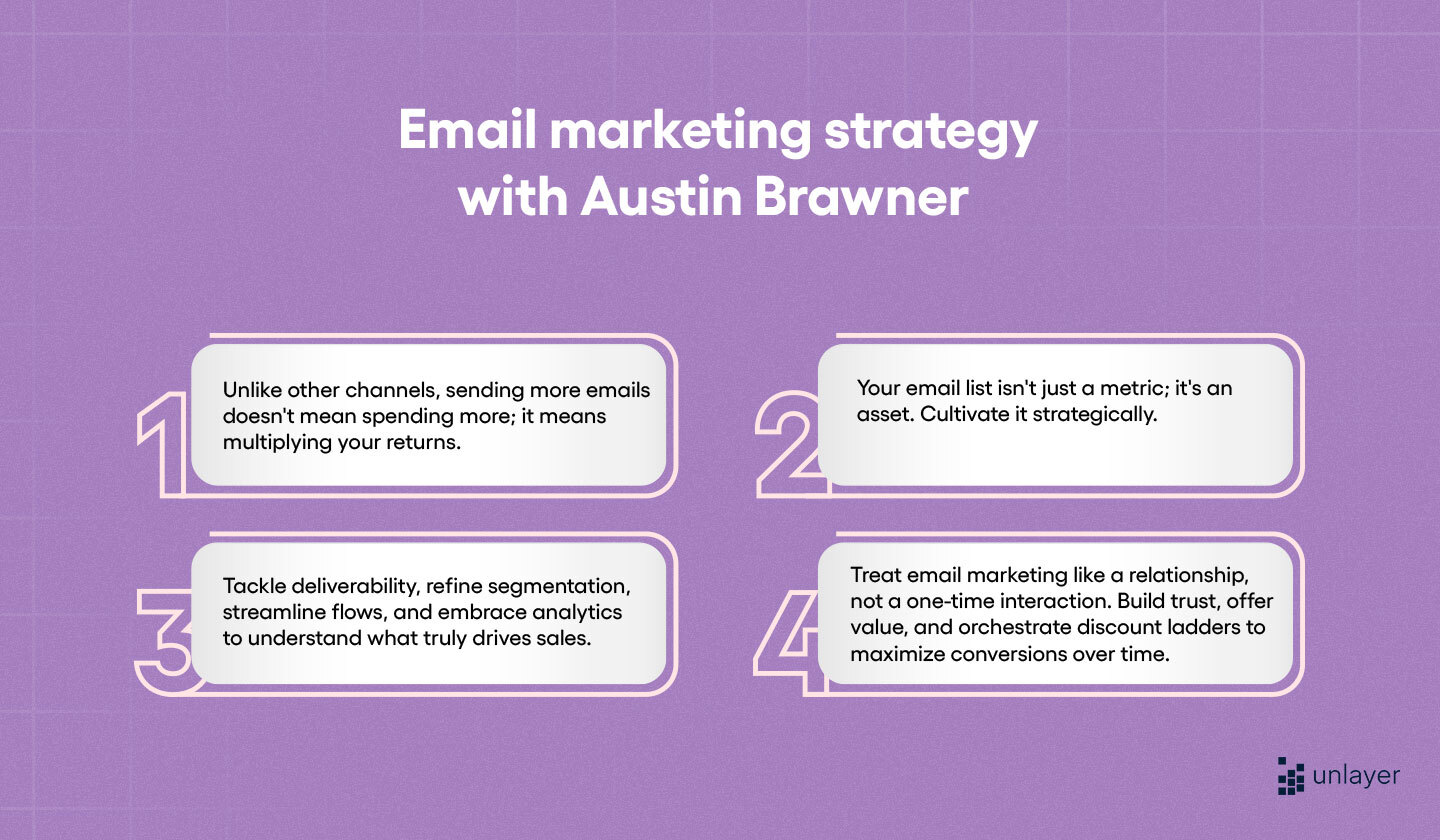
Understanding KBBI Perspective on Email Marketing
Overview of KBBI Framework
The KBBI framework—standing for Knowledge, Behavior, Belief, and Intention—is a valuable model that helps marketers understand consumer engagement. By recognizing how each component influences decision-making, businesses can develop personalized email marketing strategies that resonate more effectively with their audience.
- Knowledge: This refers to the information consumers possess about a product or service, which can be nurtured through educational email campaigns.
- Behavior: Understanding how customers interact with emails can guide marketers in refining their tactics.
- Belief: This involves the perceptions and attitudes consumers hold, which can be influenced through well-crafted messaging that builds trust.
- Intention: Finally, intention outlines what consumers plan to do, which can be swayed through targeted calls to action.
Relevance of KBBI in Email Marketing
Integrating the KBBI framework into email marketing allows for more strategic engagement. For example, consider a health and wellness brand aiming to boost customer engagement. By providing knowledge through informative emails, addressing customers’ beliefs about fitness, and analyzing their behavior with previous campaigns, the brand can tailor its messages effectively.
Utilizing KBBI not only enhances targeting but also promotes customer loyalty. When businesses align their email content with consumer insights, they demonstrate a genuine understanding of their audience’s needs and desires. This connection ultimately leads to higher conversion rates and a more successful email marketing strategy.
History of Email Marketing
Evolution of Email as a Marketing Tool
Email has come a long way since its inception in the 1970s. Originally used as a simple form of communication among computer users, its evolution into a robust marketing tool gained momentum in the 1990s. Businesses began to recognize the enormous potential of email as a channel for reaching customers directly.
- 1996: A pivotal moment occurred when the first mass email marketing campaign was launched by Andrew Cohen, promoting a computer book to 600 recipients.
- Late 1990s: As internet connectivity grew, email marketing rapidly expanded; businesses experimented with newsletters, promotions, and event invitations.
The key evolution was the development of marketing software that allowed for automated email campaigns and segmentation, enabling marketers to reach targeted audiences with relevant messages.
Pioneering Email Marketing Campaigns
Some early email marketing campaigns set the stage for success. One such example is from the online retailer, Amazon. In the early 2000s, Amazon leveraged email to share personalized product recommendations based on user behavior, effectively turning emails into a significant driver of sales.
Another notable campaign came from the online clothing brand, Gap, which utilized email newsletters to announce new arrivals and offer exclusive discounts.
These pioneering efforts not only showcased the effectiveness of email marketing but also set a standard for future campaigns. Marty Coleman once said, “The best way to predict the future is to create it,” and that’s exactly what these trailblazers did, paving the way for modern email marketing. Today, email remains an essential strategy for businesses looking to connect with their customers and drive conversions.
Key Components of Successful Email Marketing
Building an Engaging Email List
A successful email marketing campaign begins with a robust and engaging email list. After all, it’s crucial to reach the right audience. Here are some proven strategies to build an effective list:
- Opt-In Forms: Utilize opt-in forms on your website and social media platforms to invite visitors to subscribe. Consider offering incentives such as a discount or exclusive content to entice sign-ups.
- Lead Magnets: Create valuable resources such as ebooks, templates, or webinars that require an email address for access. This strategy not only grows your list but also attracts quality leads.
- Networking: Attend industry events to collect business cards and invite potential customers to join your email list.
Remember, quality trumps quantity. A smaller, engaged list of subscribers who are genuinely interested in your content will outperform a larger list of uninterested recipients.
Crafting Compelling Email Content
Once you have a solid email list, the next step is crafting compelling content that resonates with your audience. Here are some tips to get started:
- Personalization: Use the subscriber’s name and tailor content based on their preferences and behaviors. Personalized emails significantly increase engagement rates.
- Clear Subject Lines: Your subject line serves as the first impression. Make it catchy, concise, and relevant to entice recipients to open the email.
- Visual Appeal: Incorporate engaging images or infographics to complement your message. Visually appealing emails can capture attention quickly.
- Strong Calls to Action (CTAs): Every email should have a clear goal, whether it’s directing traffic to your website, promoting a sale, or encouraging social sharing. Use bold and concise CTAs.
By focusing on these fundamental components, businesses can enhance their email marketing efforts, create lasting connections with their audience, and drive meaningful results.
Metrics and Analysis in Email Marketing
Importance of Tracking Email Campaign Performance
Tracking the performance of email campaigns is essential for understanding what resonates with your audience and optimizing future efforts. As with any marketing strategy, the key to success lies in analytics. Successful marketers recognize that data-driven decisions help avoid guesswork, allowing them to focus their strategies on what works.
Consider these key metrics to track:
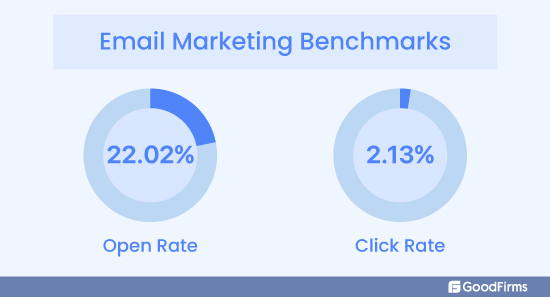
- Open Rate: Indicates the percentage of subscribers who opened the email. A higher open rate often reflects effective subject lines.
- Click-Through Rate (CTR): Measures the percentage of recipients who clicked on links within the email. High CTR indicates compelling content and calls to action.
- Conversion Rate: Tracks how many recipients took the desired action after clicking through, whether it’s making a purchase or signing up for an event.
By regularly monitoring these metrics, marketers can refine their campaigns in real-time and increase effectiveness.
Interpreting Email Marketing Data
Once data starts rolling in, interpreting it accurately can be a game-changer. For example, if you notice a low open rate but a high CTR on specific emails, it may be time to tweak subject lines or improve targeting.
Here’s how to interpret some key insights:
- Segment Performance: Analyzing how different segments respond can unveil pockets of interest within your list. You might find, for example, that younger audiences prefer promotional offers over informative content.
- A/B Testing: Running A/B tests on subject lines or layouts can provide insight into what elements drive engagement. If a particular design garners more attention, consider applying that style to future emails.
By deeply analyzing email marketing data, businesses can unlock valuable insights to enhance engagement, improve customer satisfaction, and drive higher conversion rates. In the ever-evolving world of email marketing, staying data-savvy is crucial for ongoing success.
Best Practices in Email Marketing
Personalization and Segmentation Strategies
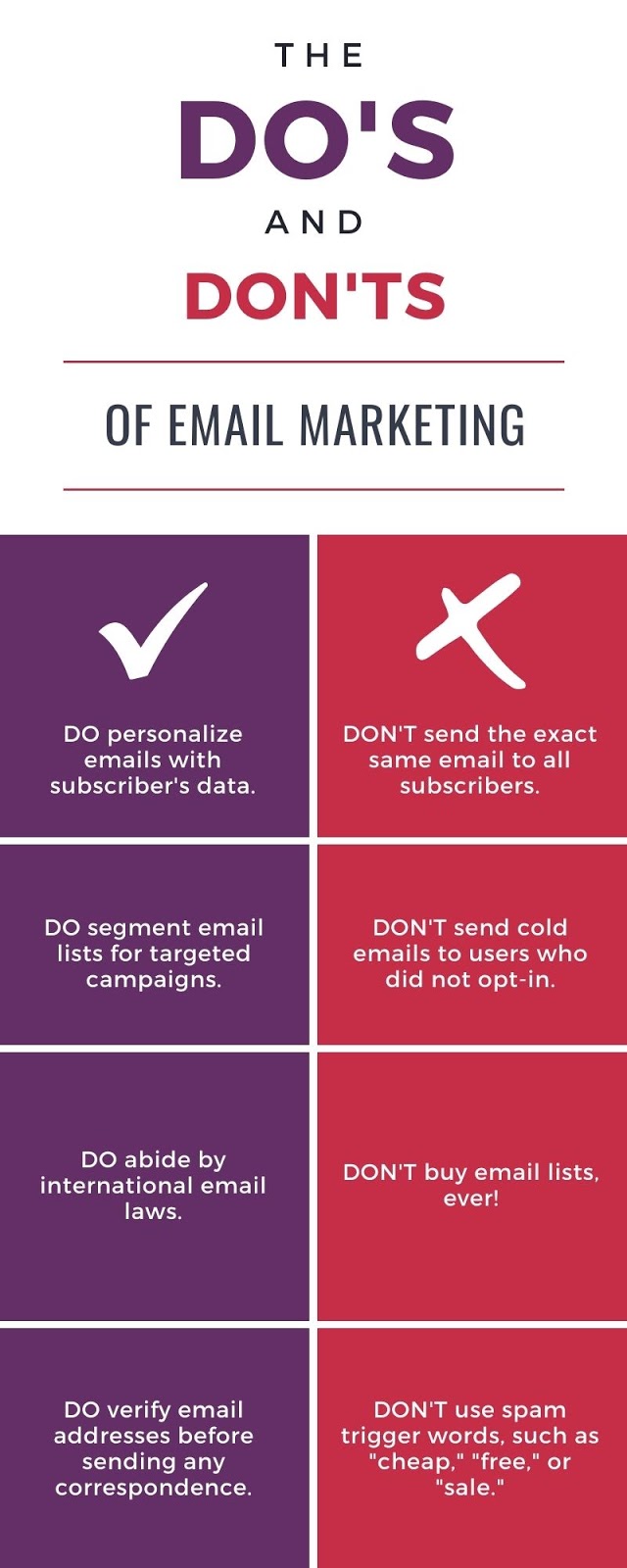
Implementing personalization and segmentation in your email marketing strategy can significantly uplift engagement and conversion rates. Personalization goes beyond simply addressing your subscribers by their names; it’s about providing tailored content that speaks to their interests.
Here are a few effective strategies:
- Segment Your Audience: Divide your email list based on criteria such as demographics, purchase history, or engagement level. For instance, a retail brand could create segments for frequent buyers and one-time visitors, offering exclusive discounts to encourage repeat purchases.
- Dynamic Content: Use dynamic content blocks within emails that change based on the recipient’s preferences or past interactions. For example, an online bookstore might feature new releases in genres that the subscriber has previously bought.
By employing these personalization techniques, marketers can foster deeper connections with their audience, leading to improved customer loyalty.
Optimizing Email Delivery and Timing
When it comes to email marketing, timing is everything. Sending your emails when subscribers are most likely to engage makes all the difference. Here’s how to optimize delivery and timing:
- A/B Testing: Experiment with different send times and days to identify when your audience is most responsive. For example, some audiences might engage more on weekends, while others may prefer weekdays.
- Send Time Optimization Tools: Leverage tools that recommend the best times to send emails based on historical engagement data. These insights can help you plan your campaigns more effectively.
- Consider Time Zones: If you have a global audience, adjust your send times accordingly to ensure your emails land in inboxes when recipients are active.
By focusing on personalization and timing, marketers can maximize the impact of their email campaigns, fostering a more engaging experience for subscribers and driving better results.
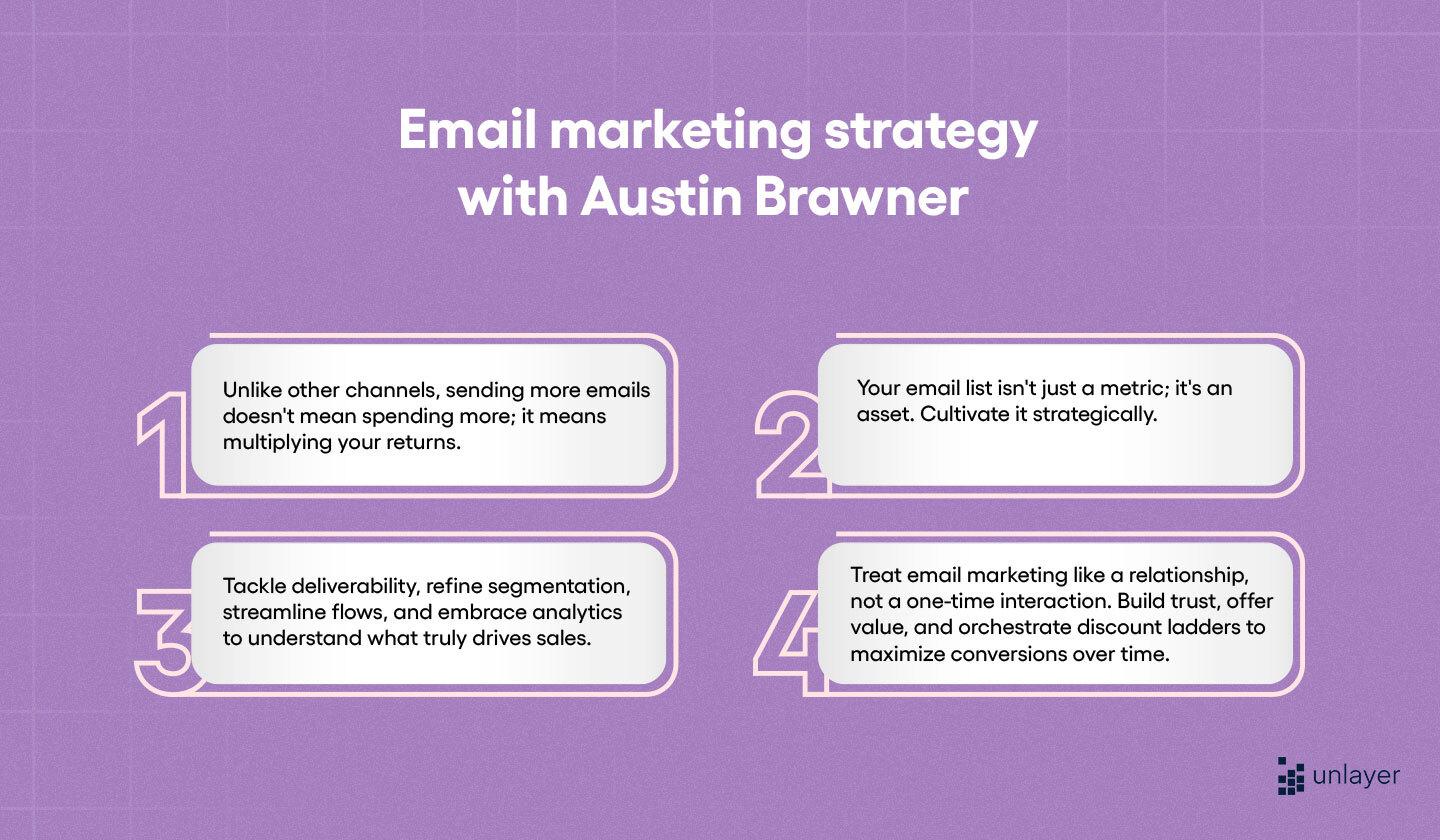
The Role of Email Marketing in Digital Marketing Mix
Complementing Other Marketing Channels
Email marketing holds a pivotal role within the digital marketing mix, primarily because it complements various channels seamlessly. While social media and SEO are excellent for attracting new audiences, email marketing nurtures these leads and drives conversions.
Consider how different channels can work together:
- Content Marketing: If a blog post receives good traction, promote it through an email blast summarizing the key points and linking back to the full article. This synergy encourages more visits and engagement.
- Paid Advertising: Use ads to collect email sign-ups and then channel those leads directly into a nurturing email journey.
Integrating email with these channels creates a cohesive brand experience, reinforcing messages and enhancing overall effectiveness.
Integrating Email Marketing with Social Media
Social media and email marketing can also work hand in hand to enhance audience engagement. For instance, enticing followers with exclusive offers via email can increase newsletter subscriptions and drive traffic.
Here are a few strategies:
- Cross-Promotion: Share snippets of your email campaigns on social media, encouraging followers to subscribe for more in-depth insights or special promotions.
- User-Generated Content: Encourage your social media followers to share their experiences with your products, and then feature this content in your email campaigns. This not only engages users but also strengthens community ties.
By skillfully integrating email marketing with other channels, businesses can create a powerful marketing ecosystem that amplifies reach, enhances engagement, and drives conversions. This holistic approach ensures each channel supports the others, making your digital marketing efforts more effective.

Legal and Ethical Considerations in Email Marketing
Compliance with Anti-Spam Laws
As email marketing continues to flourish, legal and ethical considerations are more crucial than ever. One of the primary regulations marketers should heed is compliance with anti-spam laws, such as the CAN-SPAM Act in the United States and the GDPR in Europe. These laws are designed to protect consumers from unsolicited and intrusive communication.
Here are key compliance factors to keep in mind:
- Obtain Consent: Always get explicit permission from individuals before adding them to your email list. This could be through checkbox options on sign-up forms.
- Clear Identification: Make sure to clearly identify your business in your emails and provide a straightforward way for users to opt-out or unsubscribe from subsequent communications.
- Honest Subject Lines: Avoid misleading subject lines. They should accurately reflect the content of the email to maintain transparency.
By adhering to these regulations, marketers not only avoid legal repercussions but also foster trust with their audience.
Respecting Subscriber Privacy and Preferences
Respecting subscriber privacy is equally essential in building credibility. With growing concerns over data privacy, brands must be transparent about how they collect and use personal information.
Consider these best practices:
- Data Protection: Ensure that any data collected is stored securely and only used for the intended purpose. Regular audits can help maintain compliance.
- Preference Centers: Implement preference centers that allow subscribers to choose what type of content they want to receive and how often. This customization enhances user experience.
- Communicate Changes: If your privacy policy changes, notify your subscribers. This openness reinforces trust and keeps your audience informed.
Overall, by prioritizing compliance and respecting subscriber privacy, businesses can create a responsible and ethical email marketing strategy that not only meets legal standards but also fosters long-lasting relationships with their audience.
Trends and Innovations in Email Marketing
AI and Automation in Email Campaigns
In recent years, artificial intelligence (AI) and automation have transformed email marketing, making campaigns more efficient and personalized than ever. By leveraging AI, marketers can analyze data patterns and consumer behaviors to better understand their audience.
- Automated Workflows: Marketing automation tools enable businesses to create workflows that send targeted emails based on user actions. For instance, if a subscriber abandons their cart, an automated follow-up email nudges them to complete their purchase.
- Predictive Analytics: AI can predict customer behavior, allowing marketers to send emails when subscribers are most likely to engage. This data-driven approach drastically improves open and click-through rates.
Utilizing these technologies not only saves time but also allows brands to deliver hyper-personalized content tailored to individual preferences.
Interactive and Dynamic Email Content
Gone are the days of static email templates. Today, interactive and dynamic content has emerged as a game-changer in capturing audience attention. Interactive elements, such as quizzes, polls, and image carousels, engage recipients actively.
For example, a travel agency might include a destination quiz within an email that suggests personalized vacation ideas based on the recipient’s answers. This engaging approach not only fosters higher interaction but also provides valuable insights into customer preferences.
- Dynamic Content Blocks: By using dynamic content, marketers can tailor specific sections of an email based on user data, ensuring relevant offers and recommendations are front and center.
As trends evolve, staying ahead with AI, automation, and interactive content will position marketers for success, driving engagement and conversion rates while creating memorable experiences that resonate with subscribers.

Case Studies: Successful Email Marketing Campaigns
Analysis of Industry-Leading Email Campaigns
Examining successful email marketing campaigns from industry leaders reveals crucial strategies that can inspire businesses of all sizes. One standout example is Airbnb, whose email campaigns leverage stunning visuals and personalized content. By sending tailored suggestions based on users’ previous searches and preferences, Airbnb not only captures attention but also drives bookings.
Another compelling case is Spotify, which effectively uses data to craft engaging emails. Their “Wrapped” campaign, summarizing users’ listening habits over the year, not only generated excitement but also encouraged users to share their results on social media, amplifying reach and engagement.
- Key Features: Both campaigns used eye-catching design, relevant content, and personalization to foster connections with their audiences.
Lessons Learned from Effective Email Marketing Strategies
From analyzing these successful campaigns, several key lessons emerge:
- Know Your Audience: Personalization is vital. When businesses tailor emails based on user behavior, they create a more engaging experience that resonates with recipients.
- Encourage Sharing: Integrating social sharing options increases the chances of extending the campaign’s reach.
- Analyze and Iterate: Continuous testing and analysis of engagement metrics can provide insights for optimizing future campaigns.
In summary, successful email marketing requires a thoughtful approach to content, design, and engagement tactics. By learning from industry leaders, marketers can enhance their strategies, ultimately creating meaningful interactions that drive results.