
Introduction
Understanding Direct Mailing
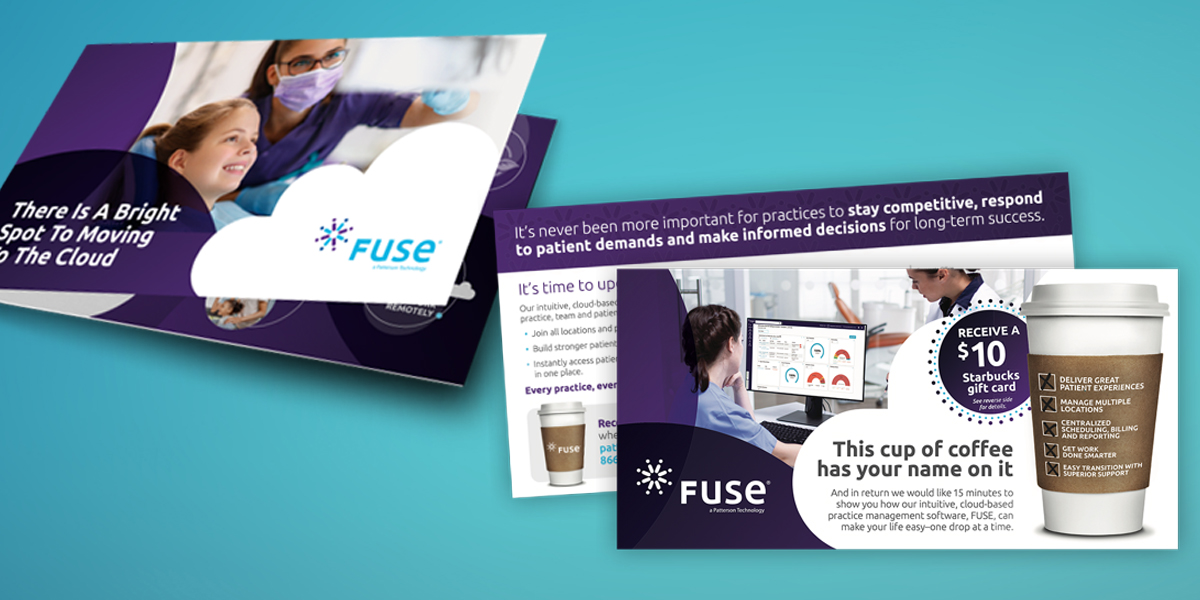
Direct mailing is an enduring marketing strategy that has managed to thrive even amid the digital revolution. At its core, direct mailing involves sending promotional materials, like brochures, postcards, or catalogs, directly to targeted consumers’ physical mailboxes. This method is not only tangible but also personal, creating a unique connection between the brand and potential customers.
Picture this: You’re sipping coffee on a Sunday morning when a beautifully designed postcard catches your eye in your mailbox. You pick it up, intrigued by its vibrant colors and compelling offer, and instantly feel a connection to the brand. That’s the magic of direct mail—it captures attention and invokes curiosity in a way that digital ads often fail to.
Consider the following aspects of direct mailing:
- Tangible Experience: Unlike digital ads, direct mail provides a physical touchpoint.
- Personalization Opportunities: Brands can tailor messages based on customer preferences or behavior.
- Longevity: Direct mail can linger in homes longer than a fleeting social media post.
In the evolving marketing landscape, understanding the foundational elements of direct mailing is vital. Businesses that leverage its unique strengths can create memorable impressions that resonate with their audience long after the mail has been received. The next step is exploring the benefits of this approach.
Benefits of Direct Mailing
Targeted Reach
Transitioning from the understanding of direct mailing, one of its most significant advantages is its ability to deliver targeted reach. Unlike blanket marketing efforts, direct mail allows businesses to focus their resources on specific demographics and customer segments. This targeted approach translates into higher conversion rates and improved return on investment (ROI).
Imagine a local bakery aiming to increase its customer base. Instead of sending brochures to the entire city, the owner can utilize data to identify neighborhoods with higher concentrations of families or food enthusiasts. This is the beauty of targeted mailing—delivering the right message to the right audience.
Consider the following benefits of targeted reach in direct mailing:
- Precision: Businesses can segment their audience based on factors such as age, location, purchasing behavior, and more.
- Cost-Effectiveness: By honing in on specific groups, companies can minimize waste and maximize impact.
- Increased Engagement: Tailored messages resonate more with recipients, leading to improved engagement and response rates.
Additionally, using direct mailing analytics, businesses can assess the effectiveness of their campaigns and refine their strategies further. In essence, targeted reach in direct mailing is not just about numbers; it’s about fostering relationships with consumers who are genuinely interested in the offerings, resulting in a more fruitful marketing endeavor.
Designing Your Direct Mail Campaign
Creating Compelling Content
Following the understanding of the benefits of direct mailing, the next crucial challenge is designing your campaign, particularly creating compelling content. Your message is what transforms a simple mailer into a powerful marketing tool. If it doesn’t resonate with the recipient, your efforts risk being overlooked entirely.
Think about a time you received a mail piece that instantly caught your attention—perhaps it had a vibrant design or a catchy headline that piqued your curiosity. That’s the key! Here are some tips to create compelling content for your direct mail campaign:
- Grab Attention with Bold Headlines: Use bold, impactful headlines to draw readers in. Make sure they reflect the essence of your offer.
- Focus on the Benefits: Clearly communicate what’s in it for them. Instead of just listing features, highlight the benefits they’ll receive.
- Incorporate Visuals: Engaging visuals can effectively convey your message and increase retention. Consider using infographics or vibrant images demonstrating your product.
- Include a Clear Call-to-Action (CTA): Guide your readers on what to do next. Whether it’s visiting a website, calling a number, or bringing in a coupon, make the CTA prominent and irresistible.
By focusing on these elements, businesses can craft direct mail content that captivates and drives action, ultimately enhancing the overall effectiveness of the campaign. In the following section, we will delve into how utilizing data can further enhance this targeting strategy.
Utilizing Data for Effective Targeting
Customer Segmentation
As we shift our focus to utilizing data for effective targeting, one crucial aspect that enhances the success of direct mail campaigns is customer segmentation. By understanding distinct groups within your audience, businesses can tailor their messages, ensuring they resonate with those most likely to respond.
Imagine a fitness studio with a diverse clientele. Instead of sending a generic offer to everyone, the studio can segment its customers into categories such as new members, long-term members, or individuals who’ve shown interest in group classes. This targeted approach allows for more personalized messaging, which can significantly increase engagement.
Consider the following strategies for effective customer segmentation:
- Demographic Segmentation: Age, gender, income level, and occupation can all help hone in on different groups. For instance, promoting yoga classes to an older demographic might require a different appeal than boot camps for young adults.
- Behavioral Segmentation: Analyzing purchase history and engagement levels can reveal insights into customer preferences and tendencies. This helps you craft offers that feel tailored and relevant to each group.
- Geographic Segmentation: Understanding where your customers live can assist in crafting localized campaigns, particularly if you have multiple locations or specific regional promotions.
By leveraging data to refine customer segmentation, brands can ensure their direct mail campaigns speak directly to the recipient’s needs and interests. This leads to higher response rates and a more effective marketing strategy. Up next, we’ll explore how integrating direct mail with digital marketing can further enhance these efforts.
Integrating Direct Mail with Digital Marketing
Personalized Landing Pages
Continuing from the importance of data-driven customer segmentation, integrating direct mail with digital marketing can amplify your campaign’s effectiveness. One powerful way to achieve this is by creating personalized landing pages tailored to the recipients of your direct mail efforts.
When a recipient receives a beautifully designed mailer, they should have a seamless transition to a specific landing page that caters to the offer presented in the mail. This creates a cohesive experience that can significantly increase conversion rates. Consider the following strategies when creating personalized landing pages:
- Align Content with Direct Mail Message: Ensure that the landing page echoes the same tone, design elements, and messaging found in the direct mail piece. This consistency helps build trust and keeps the user engaged.
- Utilize Unique URLs or QR Codes: Including a unique URL or QR code on your mail piece directs recipients to a customized landing page. This special access can make users feel special and part of an exclusive offer.
- Incorporate Personalized Elements: Use data gathered from customer segmentation to personalize the content. For example, highlight offers relevant to their previous purchases or interests.
By enhancing direct mail campaigns with personalized landing pages, businesses can not only foster deeper connections with their audience but also monitor engagement levels effectively. In our next section, we’ll discuss how to measure the success of these direct mail campaigns, focusing on tracking response rates.

Measuring Success of Your Direct Mail Campaigns
Tracking Response Rates
Following the discussion on integrating direct mail with digital marketing, a critical aspect of any campaign’s success lies in measuring its effectiveness. One of the most straightforward and insightful methods for this is tracking response rates. Understanding how many recipients engaged with your campaign can inform future strategies and budget allocations.
When a local boutique sent out a direct mail campaign offering a limited-time discount, they eagerly awaited the responses. Using unique promo codes, they could easily track who used the offer in-store versus online, revealing valuable insights about their audience.
Here are some effective ways to track response rates:
- Unique Promo Codes: Assign specific promo codes to direct mail pieces. This allows you to see exactly how many people redeemed the offer from that campaign.
- Dedicated Phone Numbers: Consider setting up a dedicated phone number for inquiries related to the campaign. This will enable you to gauge interest based on call volume.
- Landing Page Analytics: If you used personalized landing pages, use tools like Google Analytics to monitor traffic, duration of visits, and conversion rates stemming from the mailers.
- Surveys or Feedback Requests: After a customer interaction, follow up with a survey asking how they heard about your offer.
By implementing these tracking strategies, businesses can glean actionable insights that drive more effective future campaigns. In our next section, we will explore the latest trends in direct mail marketing, focusing on the engagement potential of interactive mailers.
Trends in Direct Mail Marketing
Interactive Mailers
As we delve into the exciting trends in direct mail marketing, one standout innovation taking the industry by storm is the rise of interactive mailers. These engaging pieces go beyond traditional postcards and brochures, inviting recipients to participate actively with the brand.
Imagine receiving a mailer that not only promotes a new product but also includes a scratch-off section, a pop-up element, or even a small puzzle. This type of interaction sparks curiosity and makes the experience memorable. A friend of mine mentioned receiving an interactive coupon for a local escape room—it had clues on the mailer that hinted at the room’s theme, prompting her to engage immediately.
Here are some compelling reasons why businesses are embracing interactive mailers:
- Enhanced Engagement: By inviting recipients to interact, brands can keep their offers top of mind and create a sense of fun.
- Increased Response Rates: Interactive elements encourage immediate action, often leading to higher redemption rates of offers.
- Stronger Emotional Connection: When recipients participate, they create a more personal connection with the brand, fostering loyalty.
Moreover, integrating elements like augmented reality can amplify this experience, allowing recipients to view additional content through their smartphones. As businesses continue to adapt to consumer preferences, incorporating interactive mailers could be the key to standing out in an increasingly crowded marketplace. In our next section, we will look into real-world examples with case studies of successful direct mail campaigns, illustrating these strategies in action.
Case Studies: Successful Direct Mail Campaigns
Transitioning from the latest trends in direct mail marketing, it’s essential to illustrate these concepts with real-world examples. Case studies of successful direct mail campaigns reveal how strategic planning and creativity can yield impressive results. Let’s explore a couple of standout campaigns that demonstrate the effectiveness of direct mail.
1. The Dollar Shave Club’s Referral Program
Dollar Shave Club utilized direct mail to boost their referral program significantly. They sent out creatively designed postcards that encouraged existing customers to refer friends, offering both the referrer and the new customer a discount. The mailers were playful and resonated with their modern branding.
- Results: The campaign led to a remarkable increase in new customer sign-ups, with a 50% boost in referrals within a month.
2. Airbnb’s Local Experiences Campaign
Airbnb launched a direct mail campaign aimed at showcasing local experiences in trendy neighborhoods. Each mailer featured personalized recommendations for unique local activities based on past bookings of the recipient.
- Interactive Element: They included QR codes that linked to videos of the experiences, enhancing engagement.
- Results: This campaign drove a notable increase in inquiries for curated stays and experiences, demonstrating the power of personalization in direct mail.
These case studies emphasize that when direct mail is executed thoughtfully and creatively, the results can soar. As we conclude this section, it’s clear that direct mail remains a viable tool for businesses eager to enhance their marketing strategies. Next, we will wrap up with a summary of key takeaways and the enduring importance of direct mail in a digital world.

Conclusion
As we wrap up our exploration of direct mail marketing, it’s evident that this traditional medium still holds a significant place in today’s digital landscape. The insights shared through case studies of successful campaigns further reinforce the idea that when executed with creativity and targeting, direct mail can yield impressive results.
Key Takeaways
- Tangible Connection: Unlike digital ads that often scroll past unnoticed, direct mail creates a physical touchpoint. This tangible form of marketing facilitates a unique connection with consumers, making your brand memorable.
- Targeted Messaging: Utilizing data for customer segmentation enables businesses to personalize their messaging, ensuring relevancy to the recipient.
- Integration with Digital: The effectiveness of direct mail can be amplified when integrated with digital marketing efforts. Personalized landing pages and interactive elements further enhance consumer engagement.
- Measurable Outcomes: Tracking response rates not only informs the future of direct mail campaigns but also helps in optimizing marketing strategies overall.
As businesses navigate an increasingly competitive environment, the importance of a well-rounded marketing approach cannot be overstated. By appreciating the value of direct mail and incorporating innovative strategies, brands have the potential to forge deeper relationships with their customers and drive significant growth. In a world filled with digital noise, direct mail remains a reliable and effective tool to capture attention and inspire action.