
Introduction
Understanding the Importance of SEO for Your Website
Search Engine Optimization (SEO) is not just a buzzword; it’s the lifeblood of any successful online presence. Imagine you’ve spent countless hours designing your website, crafting compelling content, and curating stunning visuals, only to find that it remains buried on page five of search results. Frustrating, isn’t it?
SEO is essential because it determines how visible your site is to potential visitors. A well-optimized website improves your chances of ranking higher on search engines like Google, which in turn leads to increased traffic. Higher traffic means more opportunities for conversions, whether that’s sales, sign-ups, or other desired actions—something every website owner strives for.
Consider this: according to a study by BrightEdge, nearly 53% of all website traffic comes from organic search. This statistic highlights the importance of being found online. When your site is optimized for search engines, it builds credibility and enhances user experience, making it easier for both users and search engines to navigate and understand.
A personal anecdote illustrates this point. A friend once launched a small online bakery but struggled to attract customers. After implementing SEO techniques—like keyword optimization and improving site speed—her traffic increased dramatically. Within months, she not only gained local visibility but also tripled her sales. This transformation underscores how critical SEO is for online success.
Overview of SEO Score Tools
So, how can you measure your SEO effectiveness? Enter the world of SEO score tools. These tools analyze various aspects of your website to give you a score or ranking that reflects its optimization status. Think of it as a report card for your website’s SEO health.
Here’s what you can expect from SEO score tools:
- Comprehensive Analysis: They evaluate on-page elements, such as meta tags, keyword usage, and content quality.
- Technical Insights: Tools assess site speed, mobile-friendliness, and overall user experience.
- Competitor Comparison: Some tools allow you to compare your SEO score against competitors, providing insights into areas for improvement.
- Actionable Recommendations: Most SEO score tools don’t just stop at grading your website; they also offer suggestions on how to boost your score.
Many website owners find these tools invaluable for diagnosing issues and tracking improvements over time. Whether you’re just starting with SEO or looking to refine your strategy, understanding the capabilities of these tools is a crucial step towards enhancing your website’s performance.
In the next section, we’ll dive deeper into how to choose the right SEO score tool, ensuring that you’re equipped with the best resources available to elevate your online presence.
Choosing the Right SEO Score Tool
Key Features to Look for in an SEO Score Tool
Now that you understand the importance of SEO and the available tools to assess your website’s performance, it’s time to explore how to choose the right SEO score tool. The right tool can empower your optimization efforts while providing valuable insights into your website’s strengths and weaknesses.
When evaluating SEO score tools, consider the following key features:
- User-Friendly Interface: A tool with an intuitive interface makes it easy for beginners to dive in without feeling overwhelmed. Tools should ideally provide clear navigation and easily interpretable results.
- Comprehensive Reporting: Look for tools that offer in-depth reports covering various aspects of SEO, such as on-page optimization, backlink analysis, and technical SEO issues. A well-rounded tool gives a holistic view of your site’s performance.
- Real-Time Data Analysis: SEO is an ever-evolving field. A tool that can provide real-time data will keep you informed about changes and updates, allowing for timely adjustments to your strategy.
- Customizable Dashboards: Being able to tailor dashboards or reports to focus on specific metrics relevant to your goals can make monitoring progress much more efficient.
- Integration Capabilities: Consider tools that can integrate with other platforms you use, such as Google Analytics or social media accounts. This feature streamlines tracking different metrics in one place.
- Support and Resources: A tool that offers training materials, customer support, and community forums can help users maximize the tool’s potential, especially those new to SEO.
Choosing a tool that embodies these features can provide you with the necessary insights to enhance your site’s SEO effectively.
Comparison of Top SEO Score Tools
With numerous SEO score tools on the market, narrowing down your options can feel daunting. Here’s a comparative look at some of the leading tools that offer a variety of features to meet different needs:
| Tool Name | Key Features | Pricing | Best For |
|---|---|---|---|
| SEMrush | Comprehensive keyword analysis, site audit functionality, competitor analysis | Starts at $119.95/month | Advanced marketers |
| Ahrefs | Robust backlink analysis, keyword explorer, rank tracking | Starts at $99/month | Backlink-focused SEO |
| Moz Pro | Page optimization insights, keyword tracking, SERP analysis | Starts at $99/month | Beginners and intermediates |
| Ubersuggest | Affordable pricing, keyword suggestions, site audit | Free tier available, Paid options start at $12/month | Small businesses |
| Screaming Frog | In-depth site audits, custom crawls | Free for up to 500 pages | Technical SEO audits |
Each tool offers unique strengths. For instance, SEMrush is often favored by advanced marketers due to its comprehensive metrics, while Ubersuggest serves as a budget-friendly option for small businesses just starting out.
In conclusion, the right SEO score tool can make a real difference in your website’s visibility and performance. Take your time to evaluate your specific needs and choose the one that aligns best with your goals. With the right tools in hand, you’ll be better positioned to improve your SEO strategy moving forward.
Analyzing Your Website’s SEO Performance
Interpreting Your Website’s SEO Score
With a reliable SEO score tool selected and your website assessed, it’s time to dive into interpreting your SEO score. Much like a report card, your SEO score serves as a benchmark, helping you understand how well your site is optimized for search engines.
Most SEO tools analyze several parameters, which culminate in a score typically ranging from 0 to 100. Here’s how to interpret this score:
- Scores 90 and above: This indicates an excellent level of SEO optimization. Your website is well-structured, with great content and technical capabilities. However, continuous monitoring is essential, as SEO is a dynamic discipline.
- Scores between 70 and 89: While your website is performing well, there’s still room for enhancement. Focus on optimizing specific areas that could elevate your score to the next level.
- Scores between 50 and 69: This range suggests that your site has notable deficiencies. Prioritize the issues highlighted by the tool, as addressing these will significantly improve your visibility.
- Scores below 50: A score in this category indicates that substantial work is required. It’s crucial to conduct an in-depth analysis to identify issues and implement effective strategies for improvement.
Interpreting your score isn’t merely about the number; it’s about understanding what’s behind it. For instance, a low score could stem from poor keyword usage, slow site speed, broken links, or even a lack of mobile optimization. Identifying these elements provides a roadmap for improvement.
Identifying Areas for Improvement
Once you have a clear understanding of your SEO score, the next step is identifying specific areas that need attention. A thorough analysis helps pinpoint weaknesses and guides your optimization efforts. Here’s a practical approach:
- On-Page SEO Analysis: Check if all your pages have optimized meta tags, clear headings, and keyword-rich content. Ensure that images have proper alt tags and that internal linking is effective.
- Technical SEO Check: Analyze your website’s speed using tools like Google PageSpeed Insights. Slow load times can significantly impact user experience and search rankings.
- Backlink Profile: Investigate the quality and quantity of backlinks to your site. Having a strong backlink profile from reputable sources enhances your credibility.
- Mobile Optimization: With more users engaging with websites via mobile devices, ensuring your website is mobile-friendly is crucial. Tools can help determine if your site passes mobile usability tests.
- Content Quality Audit: Review your content for relevance and freshness. Content that doesn’t engage users leads to higher bounce rates, which can negatively affect your SEO score.
To illustrate, a personal experience comes to mind: while managing a blog, I realized my bounce rate was exceptionally high. After analyzing my SEO score, I found that several blog posts lacked proper internal links, which contributed to readers leaving my site quickly. By implementing a solid internal linking structure, I saw a noticeable drop in my bounce rate and an increase in page views.
In conclusion, understanding and interpreting your website’s SEO score is vital in identifying areas for improvement. By tackling the weaknesses highlighted in your score analysis, you can enhance your website’s performance, increase organic traffic, and ultimately achieve your online objectives. The journey of SEO is continuous, but with the right approach, the results can be incredibly rewarding.
Implementing SEO Strategies
Best Practices for Optimizing Your Website
With a solid understanding of your website’s SEO score and areas for improvement, the next step is to implement effective SEO strategies. Optimization is not a one-time task; it’s an ongoing process that involves multiple best practices. Here’s a list of essential strategies to consider:
- Keyword Research: Start by identifying relevant keywords that your target audience is searching for. Utilize tools like Google Keyword Planner or Ubersuggest to find high-traffic keywords that align with your content.
- Quality Content Creation: Content is king in the world of SEO. Focus on creating high-quality, engaging, and informative content that addresses the needs of your audience. Incorporate keywords naturally, but avoid keyword stuffing.
- On-Page SEO: Optimize individual pages by ensuring they have compelling titles, meta descriptions, and headers. Each page should contain unique content that includes your focus keywords while maintaining a natural flow.
- Mobile Optimization: With a significant number of users accessing websites through mobile devices, ensure that your site is mobile-friendly. Use responsive design and check loading speeds on mobile devices, as slow sites can lead to higher bounce rates.
- Image Optimization: Images can enhance user experience but may also slow down load times if not optimized. Use appropriate file formats and compress images without sacrificing quality. Don’t forget to include alt texts for accessibility and better indexing.
- Internal Linking: Create a strong internal linking structure to guide users through your website and improve site navigation. This practice not only helps visitors discover more content but also aids search engines in understanding your website’s hierarchy.
I recall when I revamped a small business website and paid special attention to internal linking. After implementing well-placed internal links to related products and services, the time spent on the site increased dramatically, which positively impacted its SEO.
Utilizing SEO Score Tools to Enhance Performance
Implementing SEO strategies is just the beginning; it’s equally crucial to track your progress and make data-driven decisions. This is where SEO score tools shine.
- Monitoring Changes: After implementing your strategies, regularly use your chosen SEO score tool to monitor changes in your website’s performance. Tracking improvements in key metrics such as organic traffic, page views, and bounce rates will help you understand what’s working and what isn’t.
- A/B Testing: Use SEO tools to set up A/B tests for your content and pages. This allows you to compare different versions and determine which performs better in terms of user engagement and SEO metrics.
- Competitor Analysis: Many SEO score tools provide insights into how your website stacks up against competitors. By analyzing their strategies, you can uncover opportunities to outshine them—for instance, by targeting untapped keywords or enhancing content quality.
- Backlink Opportunities: Leverage tools to identify high-quality backlink opportunities. A stronger backlink profile positively influences your site’s authority and, in turn, its SEO ranking.
One practical example I can share is when I utilized an SEO score tool to analyze competitor backlinks. By reaching out to the same reputable sites that linked to my competitors, I managed to secure some valuable backlinks for my content. This significantly boosted my website’s visibility.
In summary, implementing effective SEO strategies combined with utilizing SEO score tools creates a powerful synergy for enhancing your website’s performance. By adhering to best practices, continually assessing your progress, and adapting your approach based on data insights, you can set the stage for ongoing success in the digital landscape. Remember, SEO is a journey, not a destination—continuous refinement is key.
Monitoring and Tracking Progress
Setting SEO Goals and Objectives
Now that your SEO strategies are in motion, monitoring and tracking their effectiveness becomes crucial for long-term success. The first step in this process is to establish clear SEO goals and objectives. Without defined targets, it’s challenging to gauge progress or assess the success of your efforts.
When setting your SEO goals, consider using the SMART criteria—Specific, Measurable, Achievable, Relevant, and Time-bound. Here are some examples to kickstart your goal-setting journey:
- Increase Organic Traffic: Aim for a specific percentage increase in organic traffic within a set timeframe, such as “Increase organic traffic by 30% in the next six months.”
- Improve Keyword Rankings: Set goals to rank on the first page of search engines for specific keywords, like “Rank in the top five results for [keyword] within three months.”
- Enhance User Engagement: Focus on metrics such as average session duration or pages per session, e.g., “Increase average session duration to at least three minutes over the next quarter.”
By having clear goals in place, you create a roadmap for your SEO efforts, providing a framework for measuring success.
A personal anecdote illustrates the value of goal-setting. When I initially launched my blog, I aimed to double my organic traffic within two months. Through focused SEO efforts and regular tracking, I was able to achieve that milestone—and this motivated me to set even more ambitious goals for the future.
Tracking Metrics to Measure Success
Once your goals are established, the next step is to monitor and track the metrics that matter. Efficient tracking allows you to determine if your strategies are effective and where adjustments might be needed.
Here are some key metrics to focus on:
- Organic Traffic: This is the number of visitors that come to your site through organic search results. Tools like Google Analytics can help you evaluate trends over time.
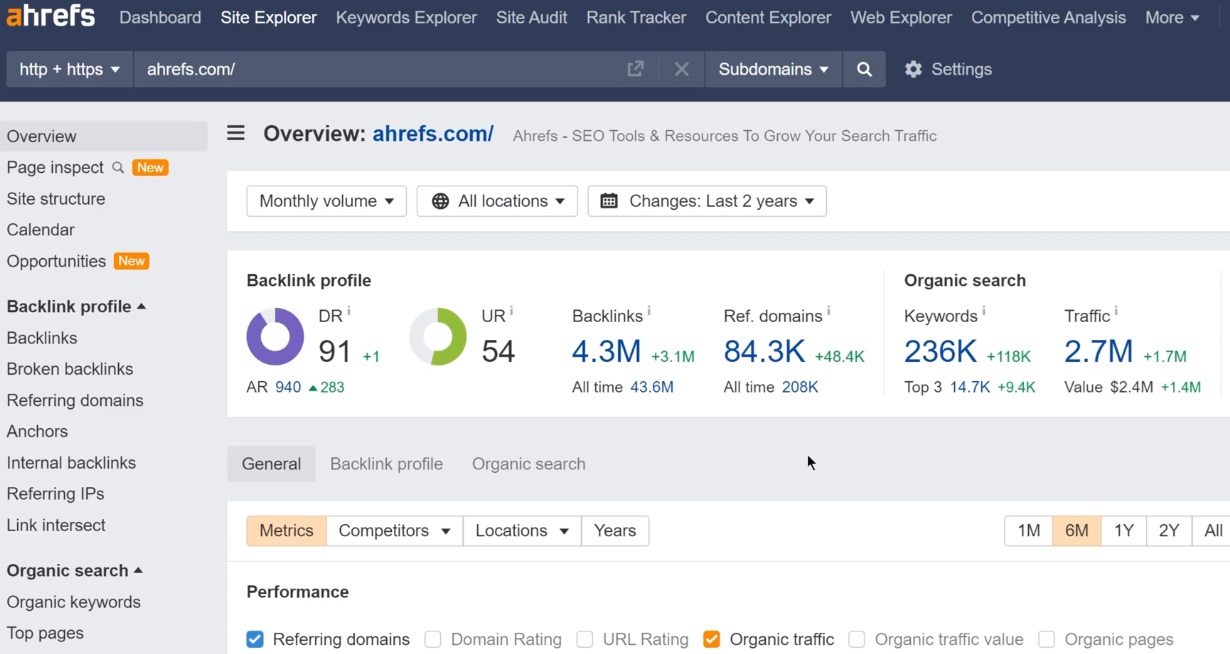
- Keyword Rankings: Regularly check how your target keywords are performing. Tools like SEMrush or Ahrefs enable you to track changes in rankings and identify opportunities for optimization.
- Bounce Rate: A high bounce rate may indicate that visitors are not finding what they’re looking for. Aim for a bounce rate of 40% to 60% for a healthy range, and investigate pages with higher rates.
- Conversion Rate: This measures the percentage of visitors who complete a desired action, like signing up or making a purchase. Understanding your conversion rates helps you assess the effectiveness of your content and calls to action.
- Backlinks: Monitoring the number and quality of backlinks can show how your authority is perceived over time. Identifying new backlinks can also offer insights into successful outreach efforts.
- Page Load Speed: This is crucial for user experience and impacts SEO rankings. Tools like Google PageSpeed Insights can help you keep track of load speeds and identify areas for improvement.
As you track these metrics, consider creating a monthly or quarterly report to visualize progress. This practice helps you assess whether you are on track to achieve your SEO goals and can illuminate areas needing additional attention.
In conclusion, monitoring and tracking your SEO progress through well-defined goals and key metrics is vital in achieving sustainable growth. By regularly evaluating performance, you can adapt your strategies, continue to improve, and ultimately pave the way for a successful online presence. SEO is a constantly evolving landscape, and your ability to pivot and respond to data will set you apart from the competition.