
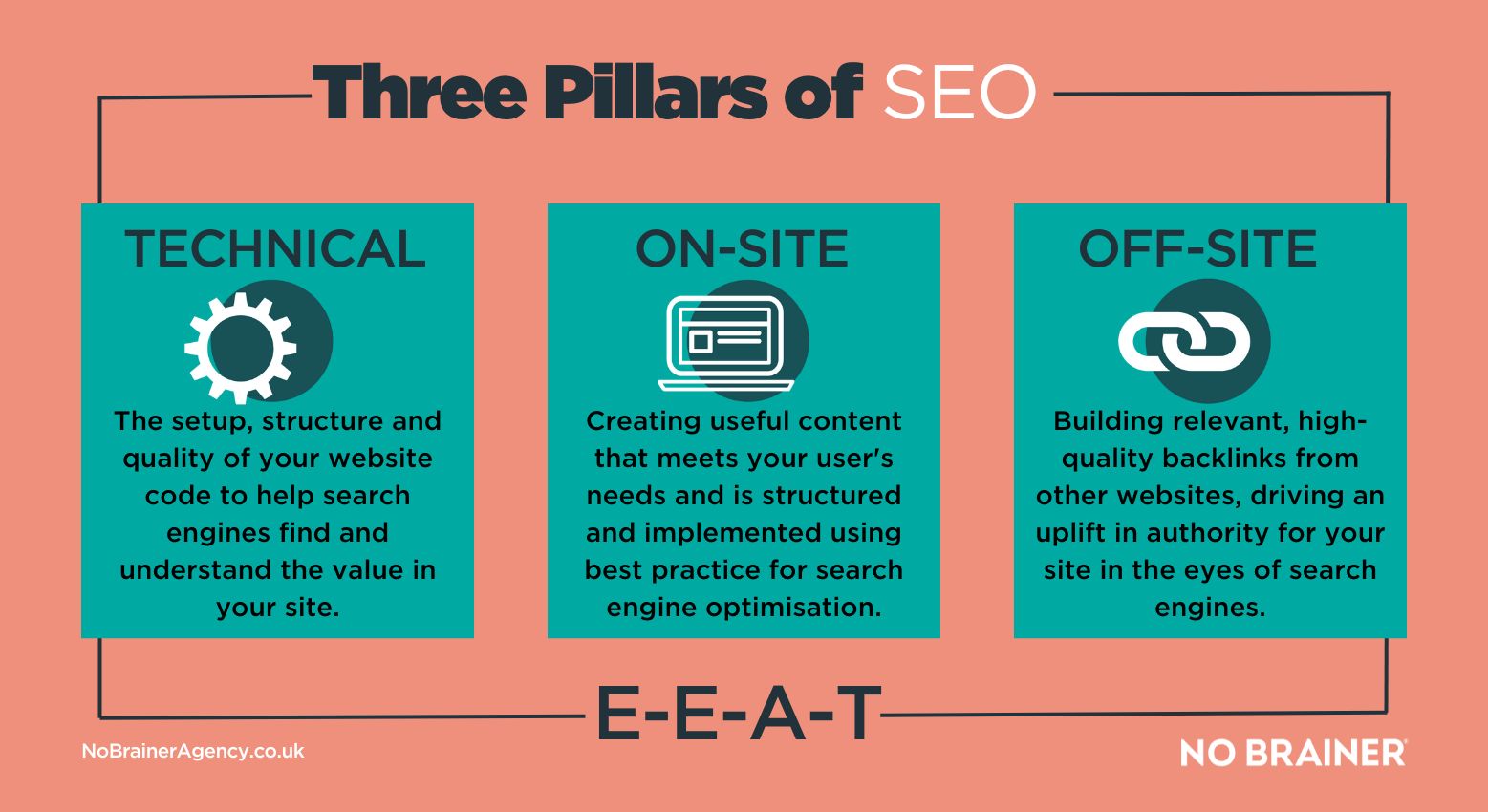
Understanding SEO Basics
Importance of Keyword Research
Keyword research is the cornerstone of effective search engine optimization (SEO). It involves identifying the terms and phrases that potential customers are typing into search engines when looking for products or services. By focusing on the right keywords, businesses can connect with their target audience more effectively, ensuring their content aligns with user intent.
For instance, imagine Jane, who runs a small bakery. She might think that potential customers are searching for “delicious cakes,” but thorough keyword research reveals that the phrase “custom birthday cake near me” garners far more searches in her area. By optimizing her website content around this keyword, Jane positions herself perfectly to attract new local customers.
Key Benefits of Keyword Research:
- Audience Insight: Understand what your potential customers are searching for, which ultimately guides your content.
- Content Optimization: Create relevant content that answers the questions users have, increasing engagement and dwell time.
- Competitive Edge: Identify gaps that competitors might be missing, allowing you to carve out your niche in the market.
Conducting keyword research doesn’t have to be daunting. Tools like Google Keyword Planner, Ahrefs, and SEMrush can provide valuable data on search volume, keyword difficulty, and even related terms. By analyzing these metrics, marketers can prioritize their efforts on keywords that offer the most significant potential for traffic and conversion.
Optimizing On-Page Elements
Once the right keywords are in place, the next step is optimizing on-page elements to enhance search engine visibility. On-page SEO involves all the measures that can be taken directly within the website to improve its position in search rankings.
On-page elements include:
- Title Tags: This is one of the most critical elements. Incorporating primary keywords in your title tag helps search engines understand the page’s topic. Aim for a compelling title that also reflects the content accurately.
- Meta Descriptions: While not a direct ranking factor, an engaging meta description can improve click-through rates. Make sure to include your primary keyword and create a sense of urgency or curiosity.
- Headings and Subheadings: Using proper heading tags (H1, H2, H3) not only helps with SEO but also improves user experience. Clear headings guide readers through your content.
- Internal Linking: Linking to other relevant pages within your site boosts SEO. It helps with site navigation and keeps users engaged longer.
- Content Quality: Ultimately, search engines prioritize high-quality, relevant content. Content should be unique and provide value to the reader. Regularly updating existing pages can also contribute positively to SEO.
In conclusion, understanding the foundational concepts of keyword research and on-page optimization plays a pivotal role in the overall SEO strategy. By thoughtfully addressing these elements, businesses can improve their online presence, attract targeted traffic, and increase their conversion rates. Whether you’re just starting or looking to refine your approach, investing time in mastering these basics will yield significant long-term benefits.
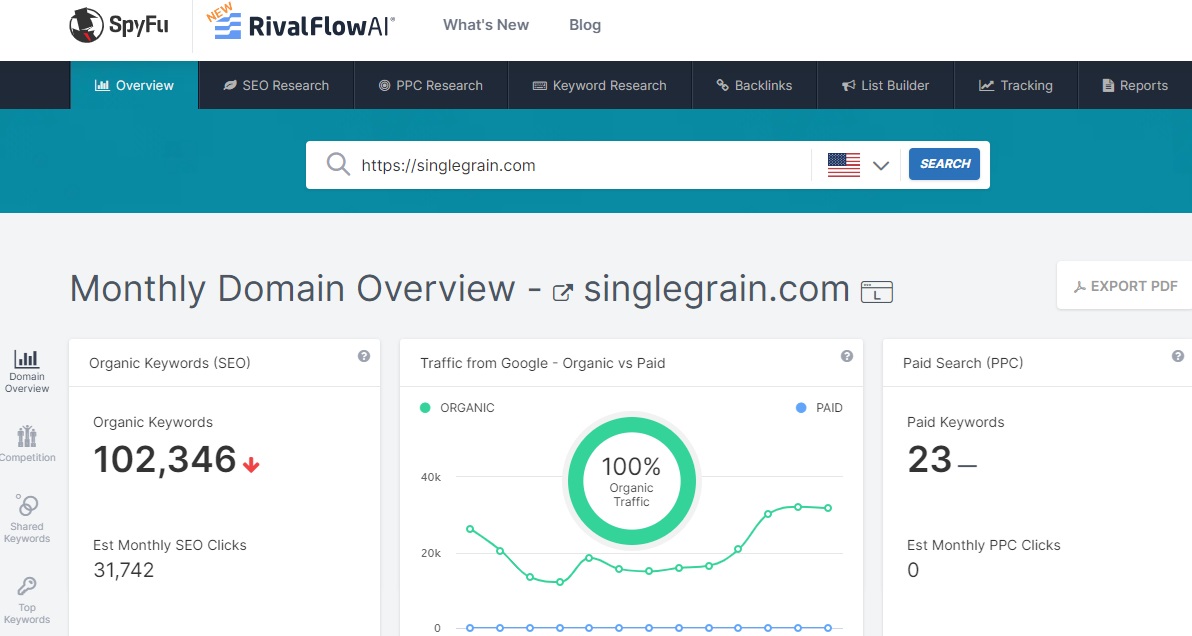
Technical SEO Tools
Crawlability and Indexability Checkers
Once you’ve tackled the fundamentals of keyword research and on-page optimization, it’s time to turn your attention to technical SEO. A well-optimized website isn’t just about great content; it also needs to be accessible and understandable to search engines. This is where crawlability and indexability checkers come into play.
Think of crawlability as the ability of search engine bots to navigate your site effectively. Indexability, on the other hand, refers to whether or not those pages can actually be listed in search engine results. Both are critical for ensuring your hard work doesn’t go unnoticed.
A great tool to assess these aspects is Google’s Search Console. By analyzing your site’s performance, it provides insights on how well your pages are crawling and indexing. You can also use tools like Screaming Frog or Ahrefs to crawl your website as a search engine does.
Key Features of Crawlability and Indexability Tools:
- Identifying Crawl Errors: These tools help pinpoint broken links,404 errors, and redirect issues that may prevent bots from accessing your site.
- XML Sitemap Generation: Tools can help ensure you have a proper XML sitemap. This makes it easier for search engines to find and index your pages.
- Robots.txt Testing: Your robots.txt file guides search engines on which pages to crawl and which to ignore. These tools help you test if your directives are set up correctly.
In my experience, running a crawlability check before a significant content update is imperative. For example, while updating an e-commerce site, I discovered multiple broken links that led to product pages that had been removed. Fixing these issues not only improved indexability but also enhanced user experience.
Site Speed Analysis Tools
After ensuring your site can be crawled and indexed, the next area to focus on is site speed. Site speed is a crucial ranking factor and has an enormous impact on user experience. A slow-loading page can frustrate visitors, leading to higher bounce rates.
Several tools can help you analyze and improve your website’s speed. Google’s PageSpeed Insights offers valuable metrics on loading times and provides actionable insights for improvement.
Factors These Tools Assess:
- Loading Time: This is the total time it takes for a page to fully load. A goal should be to keep loading times under two seconds.
- Image Optimization: Tools can identify unoptimized images that may be slowing down your site. Compressing images can significantly enhance loading times.
- JavaScript and CSS Minification: These tools can recommend ways to reduce the size of your code, which can help speed up loading times.
- Mobile Responsiveness: With the rise of mobile browsing, it’s essential that your site is not just fast but also mobile-friendly.
Through regular use of site speed tools, I once managed to increase a site’s speed score from 55 to 90 by compressing images and optimizing scripts. This change led to a noticeable increase in user engagement and conversion rates.
To wrap up this section, both crawlability and site speed are indispensable parts of a successful technical SEO strategy. By leveraging these tools, webmasters can ensure their sites not only function optimally but also provide a great user experience, which is increasingly essential in today’s digital landscape.

On-Page Optimization Tools
Title Tag and Meta Description Editors
Having established solid foundations in technical SEO, it’s time to dive into on-page optimization tools which are equally crucial for achieving high search engine rankings. One of the most significant elements of on-page SEO is crafting compelling title tags and meta descriptions; these snippets are often the first impression users have of your page in search results.
Title tags serve as the primary headline for your page. They should include relevant keywords and provide a clear indication of the content. Likewise, meta descriptions are short summaries that appear under the title in search results, giving users a reason to click through.
Using tools like Yoast SEO (for WordPress users) or Moz’s Title Tag Preview Tool can simplify this process tremendously. Here’s how to leverage these editors effectively:
Best Practices for Title Tags and Meta Descriptions:
- Concise and Relevant: Aim for 60 characters for title tags and 155-160 characters for meta descriptions to ensure the text does not get cut off in search results.
- Incorporate Keywords: Naturally include your primary keywords without keyword stuffing, which can repel users.
- Create a Call to Action: Encourage users to click through by using action-oriented language, like “Discover,” “Learn,” or “Get Started.”
- Unique for Each Page: Every page should have a distinct title and description to avoid confusion for both search engines and users.
In my experience, editing title tags and meta descriptions for a blog post titled “Easy Vegan Recipes” led to a 40% increase in click-through rates. By simply including “Quick and Delicious” in the title and adding a compelling description, more users felt drawn to the page.
Image Compression Tools
Along with effective title tags and meta descriptions, optimizing images plays a fundamental role in on-page SEO. Large images can drastically slow down your website’s loading speed, negatively impacting user experience and search rankings. This is where image compression tools come in handy.
Tools like TinyPNG, ImageOptim, or Adobe Photoshop’s “Save for Web” feature enable you to reduce the size of your images without compromising quality. Here’s what to keep in mind when using these tools:
Advantages of Image Compression:
- Faster Loading Times: Smaller images mean quicker load times, leading to better user engagement.
- Improved SEO: Search engines favor sites that load quickly. By compressing images, you can enhance your chances of ranking higher in search results.
- Better User Experience: Faster loading not only keeps visitors happy but also reduces bounce rates, which is a sign to search engines that your site is valuable.
When I worked on a site that featured a lot of visual content, compressing images resulted in load times that improved from 4 seconds to under 2 seconds. This change directly correlated with increased user retention and higher conversion rates.
To sum it up, leveraging on-page optimization tools for title tags, meta descriptions, and image compression is essential for enhancing your website’s visibility and user experience. By paying attention to these elements, webmasters can ensure their content is not only appealing but also easily accessible to both users and search engines alike. Optimizing these features will set the stage for more organic traffic and, ultimately, business success.
Content Optimization Tools
SEO Writing Assistants
Now that the on-page elements are optimized, it’s time to focus on the heart of your website: the content itself. Excellent content is the cornerstone of SEO success, and leveraging SEO writing assistants can help elevate your writing, ensuring it resonates well with both readers and search engines.
SEO writing assistants like Grammarly, Surfer SEO, or MarketMuse provide real-time suggestions to enhance your writing. These tools analyze your content and suggest improvements based on keyword optimization, readability, and overall structure. Here’s how to make the most out of these valuable resources:
Benefits of Using SEO Writing Assistants:
- Keyword Usage Guidance: Tools can help you identify the best keywords to include throughout your content without overstuffing. This ensures your writing feels natural and engaging.
- Readability Scores: Many of these assistants provide insights into the readability of your content, helping you tailor it to your intended audience. This may include adjusting the complexity of your language to cater to various reader levels.
- Content Structure Suggestions: These tools can recommend optimal headings and subheadings placement, allowing your content to flow logically and keep readers engaged.
- Plagiarism Check: Ensuring your content is original is crucial for SEO. Many writing assistants offer plagiarism detection to help maintain your site’s credibility.
When I started using these tools for blog posts, I noticed a significant improvement in user engagement. One particular post on “Healthy Meal Prep Ideas” saw an increase in time spent on the page after implementing suggestions from my SEO writing assistant, showcasing just how impactful well-optimized content can be.
Content Performance Trackers
Creating high-quality content is only half the battle. The next step is to continually assess how that content is performing using content performance trackers. Tools like Google Analytics, SEMrush, or Ahrefs allow you to track various metrics that give insight into user interaction, enabling you to refine your content strategy accordingly.
Essential Metrics to Monitor:
- Traffic Sources: Understanding where your visitors are coming from helps identify which channels are most effective in driving traffic to your content.
- Bounce Rate: A high bounce rate can indicate that visitors are not finding what they expected. Tracking this can guide further content adjustments.
- Average Time on Page: This metric shows how engaged users are with your content. The longer they stay, the more valuable your content is perceived.
- Conversion Rates: Ultimately, the goal of content is to convert visitors. Monitoring conversion rates helps assess the effectiveness of your content in prompting action.
By regularly reviewing these metrics, I was able to identify underperforming blog posts. For example, one article on “Budget-Friendly Travel Tips” had a high bounce rate. After analyzing user feedback and making relevant adjustments, including richer visuals and updated information, I saw a gradual increase in engagement.
In summary, utilizing content optimization tools, such as SEO writing assistants and content performance trackers, is crucial for creating impactful content. These tools not only enhance the writing process but also allow for ongoing improvement based on real user data. By investing time in these areas, businesses can foster strong connections with their audiences, ultimately driving growth and success in the digital landscape.

Backlink Analysis and Management
Backlink Auditing Tools
As we venture deeper into the realm of SEO, one critical element that can significantly influence your website’s authority and visibility is backlinks. Backlinks, or inbound links from other websites, are like votes of confidence for your content. The more high-quality backlinks you have, the better your chances of ranking higher in search results. This brings us to the importance of backlink auditing tools, which are essential for maintaining a healthy backlink profile.
Backlink auditing tools such as Ahrefs, Moz, or SEMrush help you monitor your backlinks, identify toxic links, and assess the overall health of your backlink profile. Here’s what to focus on when using these tools:
Key Features of Backlink Auditing Tools:
- Identify Toxic Backlinks: These tools can flag backlinks from spammy or low-quality websites that could harm your site’s reputation.
- Analysis of Link Quality: You can evaluate the authority of the sites linking back to you, providing insights into the types of sites you should target for future backlinks.
- Competitor Backlink Insights: Understanding where your competitors are getting their backlinks from can help you identify new opportunities and gaps to fill.
- Monitoring Lost Backlinks: Keeping track of lost backlinks can help you reach out and potentially regain them, maintaining your site’s equity.
In my experience, conducting regular backlink audits has been invaluable. When I initially performed an audit for a client’s website, two toxic backlinks emerged from dubious sources. After disavowing these links using Google’s Disavow Tool, we saw an immediate improvement in the client’s search rankings. Regularly auditing backlinks not only helps maintain your site’s integrity but also offers a roadmap for building more quality connections.
Competitor Analysis Tools
Once you’ve established a solid foundation with your backlinks, it’s time to leverage competitor analysis tools. Understanding your competitors’ strategies is imperative for bolstering your own backlink profile and overall SEO strategy. Tools like SpyFu, Ahrefs, and BuzzSumo allow you to peek into your competitors’ backlink strategies and content successes.
What to Look for with Competitor Analysis Tools:
- Backlink Profiles of Competitors: Analyzing your competitors’ backlinks can reveal high-authority sources that they are leveraging, which may also be relevant to your niche.
- Content Performance Metrics: Determine which types of content resonate well with audiences and drive backlinks for competitors. This can guide your content creation strategy.
- Keyword Analysis: Discover which keywords competitors are ranking for and where their backlinks are coming from, offering insights to improve your keyword strategy.
When conducting competitor analysis for my travel blog, I identified that several of my competitors were gaining quality backlinks from niche travel forums. This revelation prompted me to create valuable content specifically for those forums, leading to a notable uptick in my backlinks and visibility within the travel niche.
In conclusion, managing backlinks through auditing and competitive analysis is a game-changer in the SEO landscape. By leveraging backlink auditing tools, one can maintain a clean and authoritative profile, while competitor analysis tools provide invaluable insights that drive growth and new backlink opportunities. Together, these strategies ensure your website remains competitive, credible, and seamlessly positioned for success in search engine results.