
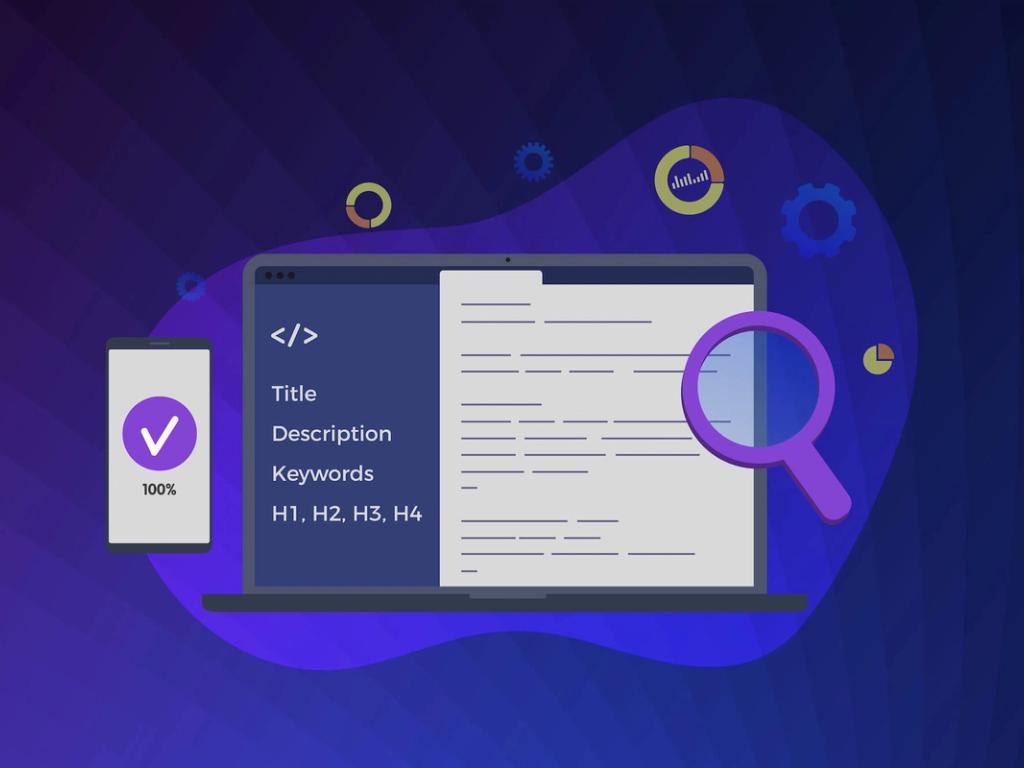
Importance of SEO Tool Checkers
As businesses aim to thrive in the digital landscape, the importance of SEO tool checkers cannot be overstated. With increasing competition online, these tools play a crucial role in measuring and optimizing a website’s performance.
Enhancing Website Ranking
One of the primary benefits of utilizing SEO tool checkers is their ability to enhance website ranking. When a website ranks higher in search engine results, it generally receives more traffic, which can lead to higher conversions and revenue. Here are a few ways SEO tools contribute to better rankings:
- Identifying Keywords: SEO checkers help identify high-value keywords that are relevant to your business. By integrating these keywords into website content, meta descriptions, and titles, it becomes easier to attract relevant traffic.
- On-Page SEO Analysis: These tools analyze the elements on a website’s pages—like titles, headings, and internal linking—ensuring they align with best SEO practices. For instance, a comprehensive audit might reveal that a page lacks important meta tags or that images are missing alt text, which can hinder ranking.
- Content Optimization: SEO tool checkers provide suggestions for content improvements, helping businesses create meaningful, engaging, and keyword-rich articles that resonate with users and search engines alike.
It’s fascinating to see how small tweaks can lead to significant boosts in visibility. For instance, a small e-commerce site restructured their product page titles with the help of an SEO tool, resulting in a 30% increase in organic traffic within a few months.
Improving Online Visibility
Alongside enhancing website ranking, SEO tool checkers are essential for improving online visibility. This translates into not merely being found by customers but also making a lasting impression. Here’s how they accomplish this:
- Performance Monitoring: By tracking key performance indicators such as bounce rate, session duration, and traffic sources, businesses gain insight into user behavior. Understanding how visitors interact with the site can inform adjustments that boost effectiveness.
- Competitor Analysis: Many SEO tools offer features that allow users to spy on competitors. Knowing what keywords competitors rank for, what content drives their traffic, or where their backlinks come from equips businesses with invaluable information.
- Social Media Integration: As social media becomes increasingly relevant for exposure, checking how well a website integrates with social platforms is vital. Some SEO tools can measure social signals and their impact on site traffic.
In practice, for a local bakery utilizing an SEO tool, analyzing competitor strategies might reveal that competitors are engaging more effectively on platforms like Instagram. This knowledge can lead the bakery to ramp up its social media presence and create visually appealing content that drives web traffic.
In summary, with the ever-changing nature of digital marketing, employing SEO tool checkers can significantly enhance both website rankings and overall online visibility. They are not just optional but essential tools for those wishing to succeed in today’s competitive landscape.

Choosing the Right SEO Tool Checkers
After understanding the importance of SEO tool checkers in enhancing website performance and visibility, the next step is to carefully select the right tools tailored to your specific needs. Choosing appropriate SEO tools can seem overwhelming, given the numerous options available. However, by considering key factors, the selection process can become much easier and effective.
Considerations for Selection
When it comes to selecting the right SEO tool checkers, a few essential considerations should guide your decision:
- Purpose and Functionality: Determine what you need from an SEO tool. Do you require keyword analysis, backlink tracking, site audits, or competitor analysis? Identifying your primary requirements will help narrow your options.
- User-Friendliness: For those who may not be tech-savvy, a tool’s ease of use is vital. Look for tools with intuitive interfaces and well-organized features. A steep learning curve might discourage consistent usage.
- Cost: Budget is always a critical factor. While some tools offer robust features, others may provide sufficient functionality at a lower cost. It might be worthwhile to explore free trials before committing to a subscription.
- Customer Support: Quality customer support can save you time and stress. Opt for tools that offer responsive customer service, tutorials, and sufficient documentation to assist you as needed.
A personal experience comes to mind: when choosing a tool for a small online store, thorough comparisons based on these criteria led to selecting a user-friendly tool that offered affordable pricing without compromising on essential features.
Popular SEO Tool Checkers
With many options available in the market, here are a few popular SEO tool checkers that have earned trust among marketers and business owners:
- SEMrush: Widely known for its comprehensive features, SEMrush covers keyword research, site audits, and competitor analysis. Its user-friendly interface and robust reporting capabilities make it a favorite among many.
- Ahrefs: Notable for its backlink analysis tools, Ahrefs also provides keyword tracking, content discovery, and competitive analysis. Its extensive link database is particularly beneficial for businesses looking to enhance their backlink profiles.
- Moz: Moz offers a suite of SEO tools and conducts extensive research on search engine algorithms. Its user interface is appealing, especially for beginners, along with informative resources about SEO practices.
- Google Search Console: As a free tool from Google, it provides essential data directly from the search engine itself. While it may not offer all the features of premium tools, it’s invaluable for monitoring site performance.
- Ubersuggest: This tool has gained popularity for its straightforward functionality in keyword research and website analysis. It’s particularly advantageous for smaller businesses operating on a budget.
When selecting an SEO tool, it’s crucial to align your choice with your business goals and budget. A well-chosen SEO tool checker can provide the foundational insights needed for smarter marketing decisions and strategies moving forward.

Key Features to Look for in SEO Tool Checkers
Having discovered how to select the right SEO tool checkers, the next step is to understand the key features that make an SEO tool effective. Two of the most crucial functionalities include keyword analysis and backlink monitoring. These features are foundational to any successful SEO strategy and can greatly influence your website’s performance.
Keyword Analysis
Keyword analysis is arguably one of the most vital components of SEO. It involves researching and evaluating search terms that potential customers might use to find your business online. Here are some essential aspects of keyword analysis that every SEO tool should offer:
- Keyword Suggestions: The best tools provide comprehensive keyword suggestions based on your niche. For instance, a travel blog may receive suggestions related to trips, travel tips, and destinations that potential readers often search for.
- Search Volume: Knowing the average number of searches for a keyword each month can inform your content strategies. A keyword with a high search volume but low competition can be ideal for targeting.
- Keyword Difficulty Score: Understanding how difficult it is to rank for specific keywords helps you set realistic goals. A tool that highlights keyword difficulty empowers you to choose terms that align with your website’s authority.
- SERP Analysis: Analyzing the Search Engine Results Pages (SERP) for specific keywords provides insight into who your competitors are and what type of content ranks well.
One personal anecdote comes to mind: A friend managing a local gym used keyword analysis to discover that many people searched for “affordable gym memberships” in their area. By targeting this keyword in blog posts and social media campaigns, the gym successfully attracted new clients, leading to a noticeable uptick in memberships.
Backlink Monitoring
Backlinks are another critical aspect of SEO that can significantly affect a website’s authority and ranking. Monitoring backlinks is essential for businesses that want to improve their search engine position. Here are some key features to look for in backlink monitoring:
- Backlink Profile Overview: A good SEO tool should provide a detailed overview of your backlinks, including the total number, quality, and sources. This insight can help identify strong linking domains that provide valuable authority to your site.
- Anchor Text Distribution: Understanding what anchor texts are used for your backlinks can help optimize your linking strategy. Tools that analyze anchor text distribution reveal whether you are using a diverse range or relying too heavily on one type.
- Competitor Backlink Comparison: Evaluating competitors’ backlinks is a great strategy for uncovering opportunities. For instance, if a competitor earns links from popular blogs, you may explore ways to get featured on the same platforms.
- Broken Link Check: Identifying broken backlinks allows you to reach out to sites for updates or even provide alternative content. This proactive approach can help maintain backlink integrity and strengthen relationships with other websites.
In conclusion, while choosing an SEO tool checker, paying attention to features such as keyword analysis and backlink monitoring is vital. These functionalities form the backbone of a robust SEO strategy, enabling businesses to not only improve their search rankings but also stay ahead of the competition. The right tools can offer invaluable insights, leading to enhanced visibility and, ultimately, greater success in the digital realm.

Utilizing SEO Tool Checkers for Competitor Analysis
Having explored key features in SEO tool checkers, it’s essential to consider how these tools serve a strategic role in competitor analysis. By examining what competitors are doing, businesses can sharpen their own digital marketing efforts, keeping pace with industry trends and identifying potential opportunities. Two significant aspects of competitor analysis using SEO tool checkers are identifying competitor strategies and benchmarking performance.
Identifying Competitor Strategies
Understanding your competitors’ strategies is crucial for gaining insight into the landscape of your industry. Here are some effective ways to leverage SEO tool checkers for this purpose:
- Keyword Tracking: By examining the keywords that competitors rank for, businesses can identify which terms drive traffic to their sites. If a competitor consistently ranks for specific terms, it means they’ve likely optimized their content around those keywords.
- Content Analysis: Many SEO tools can analyze the type of content competitors produce. Are they using blog posts, infographics, or videos? By understanding the content formats and topics they prioritize, businesses can find gaps in their own content strategy.
- Backlink Sources: Discovering where competitors are gaining their backlinks can reveal opportunities for outreach. For example, if a competitor has successfully collaborated with influential bloggers, you might consider reaching out to those same publishers.
I remember working with a local coffee shop needing a marketing boost. We utilized an SEO tool to analyze their competitors, discovering that one rival heavily invested in blog content about local partnerships and eco-friendly practices. This insight prompted the coffee shop to create similar content, fostering community engagement and attracting a loyal customer base.
Benchmarking Performance
Benchmarking performance against competitors is another powerful aspect of competitor analysis. Here’s how to effectively use SEO tools for this purpose:
- Traffic Comparison: Most SEO tool checkers provide estimates of website traffic for competitors. By comparing your site’s traffic to that of your competitors, you can gauge how your SEO efforts stack up in the marketplace.
- Domain Authority (DA) & Page Authority (PA): These metrics give an indication of the strength of a website. Tracking these over time can help businesses understand if they are closing the gap with competitors or if more effort is needed to improve authority.
- SERP Positioning: Monitoring how your website ranks for the same keywords as competitors allows you to identify shifts in positioning. If you notice competitors climbing higher for keywords you also target, it may indicate that their SEO strategies are proving effective.
- Content Performance Metrics: Evaluating how well competitor content performs—like shares, comments, and backlinks—provides insight into what resonates with audiences. It can inspire new content ideas or improvements in existing strategies.
By benchmarking against competitors, businesses can adapt their strategies, refining their SEO efforts to ensure they keep pace or lead in their industry. This continual analysis fosters an adaptive approach to marketing strategies, ultimately leading to enhanced performance.
In summary, utilizing SEO tool checkers for competitor analysis is not just about tracking what others do; it’s about learning, adapting, and growing in an evolving digital landscape. By identifying competitor strategies and benchmarking performance, businesses can make informed decisions that drive their success forward.
Measuring Success with SEO Tool Checkers
After analyzing competitors and adapting strategies, the final step in optimizing an online presence is measuring success. SEO tool checkers play a pivotal role in this phase, allowing businesses to track key performance metrics and monitor progress over time. Understanding how well your strategies are working not only justifies your efforts but also highlights areas for improvement.
Tracking Key Metrics
One of the critical functions of SEO tool checkers is their ability to track key metrics that gauge the effectiveness of your SEO strategies. Some primary metrics to consider include:
- Organic Traffic: Tracking the amount of traffic coming to your site from search engines is fundamental. An increase in organic traffic often indicates that your optimization efforts are yielding positive results.
- Keyword Rankings: Keeping an eye on how well your targeted keywords rank is crucial. Consistent monitoring can reveal shifts in rankings, helping identify which keywords are performing well or failing to gain traction.
- Bounce Rate: A high bounce rate may signal that visitors are not finding what they expected on your site. Understanding this can prompt you to refine content or enhance user experience.
- Click-Through Rate (CTR): This metric shows the percentage of people who click on your site after seeing it in search results. A low CTR could indicate that your meta titles and descriptions are not compelling enough and may need reworking.
One memorable instance involved a local non-profit organization that utilized an SEO tool to track its organic traffic growth. After implementing targeted content about community service, they saw a 50% increase in visitors over six months, which significantly boosted their event registrations and donations.
Monitoring Progress Over Time
In addition to tracking key metrics, monitoring progress over time is essential for understanding the efficacy of SEO efforts. Here’s how SEO tool checkers can facilitate this process:
- Historical Data Analysis: Most SEO tools allow users to view historical performance data. This can help you identify patterns in traffic and rankings, helping you understand seasonal trends or the long-term impact of your strategies.
- Monthly Reports: Regularly generating reports can create a consistent overview of progress. These reports can summarize traffic changes, ranking shifts, and overall growth, providing a clear picture of where you stand.
- Setting Benchmarks: Utilize the initial data collected to set achievable benchmarks. Comparing current performance against past metrics serves as a powerful motivator and accountability measure.
- Attribution Tracking: Understanding where your traffic comes from—inbound links, organic searches, or social media—can give you insights into which strategies are most effective. This can guide future investments of time and resources.
By continually measuring success and adjusting strategies accordingly, businesses can stay adaptive in a constantly changing digital environment. This is what differentiates those who thrive online from those who struggle to keep up.
In conclusion, measuring success with SEO tool checkers is not merely about numbers; it’s about crafting a narrative of your business’s online journey. Tracking key metrics and effectively monitoring progress over time facilitates informed decision-making, propelling growth, engagement, and ultimately, achieving desired business outcomes.