
Introduction to SEO Ranking Factors
Understanding the Basics
When delving into the world of digital marketing, one quickly realizes that effective SEO (Search Engine Optimization) is an integral component for any website hoping to thrive online. Understanding the basic building blocks of SEO ranking factors is essential for anyone looking to expand their website’s reach. Essentially, SEO ranking factors are the criteria that search engines like Google use to determine how websites rank in search results.
At its core, SEO can be boiled down to both on-page and off-page factors. On-page factors encompass elements you can control directly on your website, such as quality content and meta tags. On the other hand, off-page factors involve external elements, such as backlinks and social signals, which indicate the website’s authority and relevance in its niche.
One example can be drawn from a personal experience—when first starting a blog, it seemed daunting to understand why, despite producing engaging content, traffic numbers remained low. After researching SEO ranking factors, it became clear that factors like keyword optimization and loading speed were critical in determining search rankings. Adjusting these elements led to notable improvements in traffic within weeks.
Importance of SEO for Websites
The importance of SEO cannot be overstated in today’s digital landscape. With millions of new websites launched every day, users are bombarded with options, making it crucial for your website to stand out. Here’s why SEO is vital:
- Increased Visibility : SEO helps get your website in front of potential customers. Advertisers may throw money at ads, but the organic traffic derived from high search engine placements often proves more cost-effective in the long run.
- Enhanced User Experience : SEO is not just about pleasing search engines; it also focuses on delivering a better experience for users. Factors like page loading speed and mobile optimization significantly improve how visitors interact with your website.
- Sustained Growth : Good SEO practices contribute to sustained growth, compared to paying for transient traffic through ads. While ads might generate immediate results, effective SEO builds a foundation for enduring online presence.
- Credibility and Trust : A high-ranking website is often perceived as more credible. Businesses that invest time and resources into optimizing their sites typically instill more confidence in their audiences.
- Cost-Effectiveness : Unlike paid advertising, the organic attempts driven by SEO can yield long-lasting results with minimal ongoing investment.
In summary, understanding SEO ranking factors is crucial for any website aiming for online success. By focusing on both on-page and off-page strategies, and acknowledging the importance of SEO, website owners can pave their way to improved visibility and user engagement. As we venture deeper into the specifics of SEO, the key tactics become apparent—placing emphasis on how each factor contributes to a robust SEO strategy sets the stage for future growth.
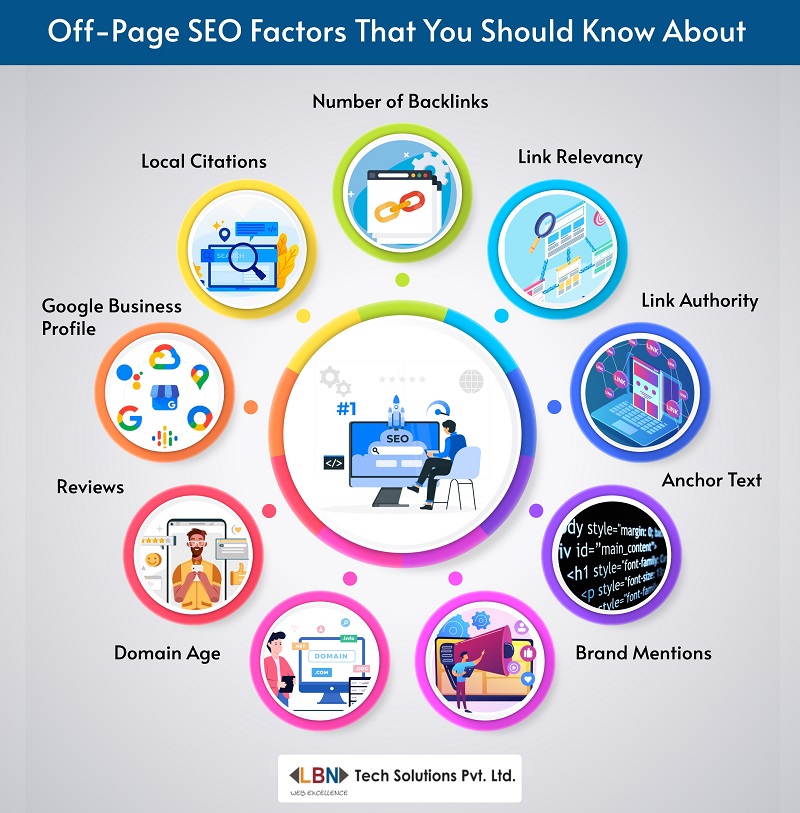
On-Page SEO Factors
Optimizing Keywords
As we dive deeper into the intricacies of SEO, one of the foundational elements is keyword optimization. Keywords are essentially the phrases and terminology that users type into search engines when looking for information. Optimizing these keywords effectively can make the difference between being buried under a mountain of search results or landing on the coveted first page.
In my journey of building a blog, I learned the importance of keyword research the hard way. Initially, I wrote content that I thought was relevant, but it failed to resonate with search intent. Once I started utilizing tools like Google Keyword Planner and SEMrush, I could identify high-traffic, low-competition keywords that aligned with my content. Here’s how to approach keyword optimization:
- Conduct Thorough Keyword Research : Use tools to find keywords relevant to your niche that your target audience is searching for. The aim is to balance search volume with competition.
- Strategic Placement : Once identified, incorporate keywords naturally into your content, including:
- Title tags
- Meta descriptions
- Headers (H1, H2, H3)
- The body of the article
- Image alt tags
- Long-Tail Keywords : These are specific phrases that generally have lower competition but can lead to high-converting traffic. For instance, instead of targeting “shoes,” consider “best running shoes for flat feet.”
- Monitor Keyword Performance : Use tools such as Google Analytics to see which keywords are driving traffic to your site. This way, you can adjust your strategy as needed.
By optimizing keywords, a website can significantly increase its chances of being noticed by search engines, making it a vital on-page SEO factor.
Improving Website Loading Speed
Another paramount aspect of on-page SEO is website loading speed. In an era where instant gratification prevails, website visitors expect pages to load quickly. According to studies, a delay of just a few seconds can lead to significant bounce rates, where users leave the site before it even fully loads.
Reflecting on my personal experience, I once faced this exact challenge. A tool I used to check my website’s performance revealed that my pages were slow to load due to large image files and unnecessary plugins. Here are some strategies to enhance loading speed:
- Optimize Images : Use formats such as PNG or WebP for better compression and speed. Also, tools like TinyPNG can assist in reducing image sizes without sacrificing quality.
- Minimize HTTP Requests : Limit the number of elements on your page to reduce loading times. Consider merging CSS and JavaScript files.
- Leverage Browser Caching : This allows your server to save certain files for returning visitors, making subsequent page loads faster.
- Use a Content Delivery Network (CDN) : A CDN stores copies of your website across various geographical locations, ensuring faster loading times for users who are further away from your server.
- Regularly Audit Your Site : Utilize Google PageSpeed Insights or GTmetrix to identify potential speed issues and rectify them proactively.
By focusing on these on-page SEO factors—keyword optimization and improving loading speed—webmasters can create a more user-friendly experience, enhance visibility, and encourage return visits. As we continue to explore other critical aspects of SEO, these foundational strategies will help solidify a strong online presence.
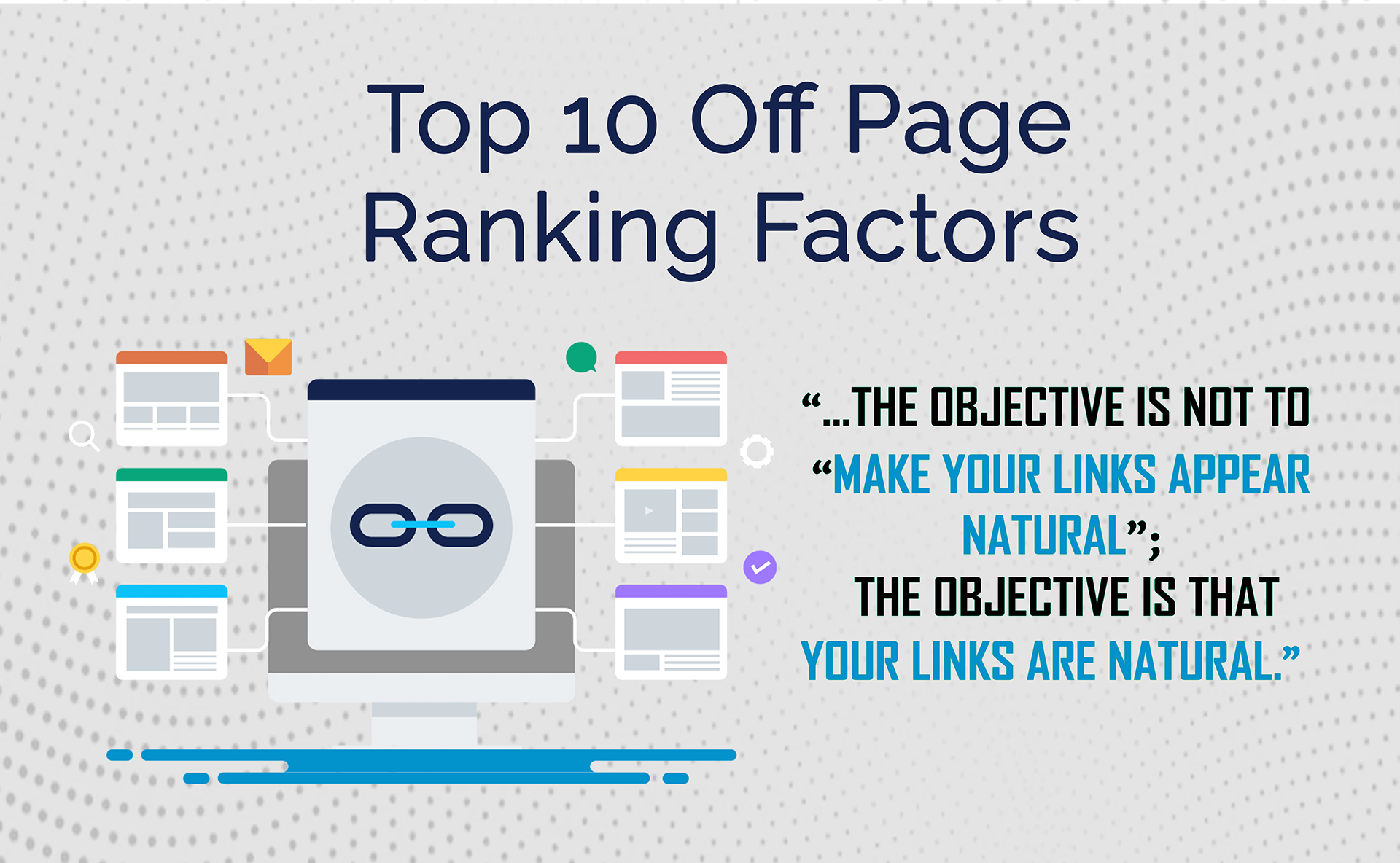
Off-Page SEO Factors
Building Quality Backlinks
As we shift our focus to off-page SEO factors, one of the most critical elements to consider is building quality backlinks. These links act as votes of confidence from other websites, indicating to search engines that your content is credible and valuable. Essentially, backlinks can significantly influence your ranking in search results.
Reflecting on my own experiences, I remember the time I published a comprehensive guide on a specific topic. Initially, I thought my content was great, but traffic was slow. After implementing a focused strategy to build backlinks, things began to change. Here’s how you can effectively build backlinks:
- Create High-Quality Content : It all starts here. Content that offers real value—whether through unique insights, research, or actionable advice—is more likely to be shared and linked back to.
- Guest Blogging : Writing articles for reputable websites in your niche can be a great way to earn backlinks. Focus on sites that have a strong domain authority and a relevant audience.
- Utilize Online Directories : Submitting your site to trusted online directories can help in acquiring backlinks. Ensure these directories are relevant and reputable.
- Engage in Community Forums : Participating in discussions on platforms like Reddit or Quora can provide opportunities to link back to your content, especially if you’re offering solutions to users’ questions.
- Analyze Competitor Backlinks : Tools like Ahrefs can show you where competitors are getting their links. By studying these sources, you may uncover new backlink opportunities.
- Networking : Build relationships with other bloggers and influencers in your niche. A simple “thank you” for mentioning your work can eventually lead to further collaborative opportunities.
Building quality backlinks requires time and effort, but these strategic connections can lead to significant boosts in your website’s authority and visibility.
Social Media Engagement for SEO
Another vital off-page SEO factor is social media engagement. While social signals may not directly impact rankings, they play a crucial role in driving traffic and enhancing visibility. Social media platforms extend your reach, allowing more users to interact with your content, which can ultimately lead to increased backlinks and organic traffic.
In my own experience, sharing posts across various social media channels first started as a way to promote my content. However, I quickly learned that engagement is what makes the difference. Here’s how to capitalize on social media for SEO:
- Share Valuable Content : Regularly sharing your blog posts, videos, or infographics can keep your audience engaged. Make sure the shared content is compelling and of high quality.
- Engage with Your Audience : Respond to comments and messages. Engaging with followers can foster community, leading to higher shares and visibility.
- Leverage Hashtags : Using relevant hashtags can help users discover your content when searching for specific topics, expanding your reach.
- Join Relevant Groups and Communities : Platforms like Facebook and LinkedIn have groups where discussions relevant to your niche take place. Sharing your insights here can encourage others to visit your site.
- Create Shareable Content : Produce engaging content that’s easy to share, like infographics or videos, which can quickly spread across social media platforms.
- Collaborate with Influencers : Partnering with social media influencers can expose your content to a larger audience, increasing shares and traffic.
By harnessing the power of both quality backlinks and social media engagement, website owners can significantly bolster their off-page SEO efforts. This holistic approach not only helps in achieving better search rankings but also fosters an engaged community around your brand. As we continue exploring the technical aspects of SEO, these off-page strategies will serve as valuable tools in an effective SEO toolkit.
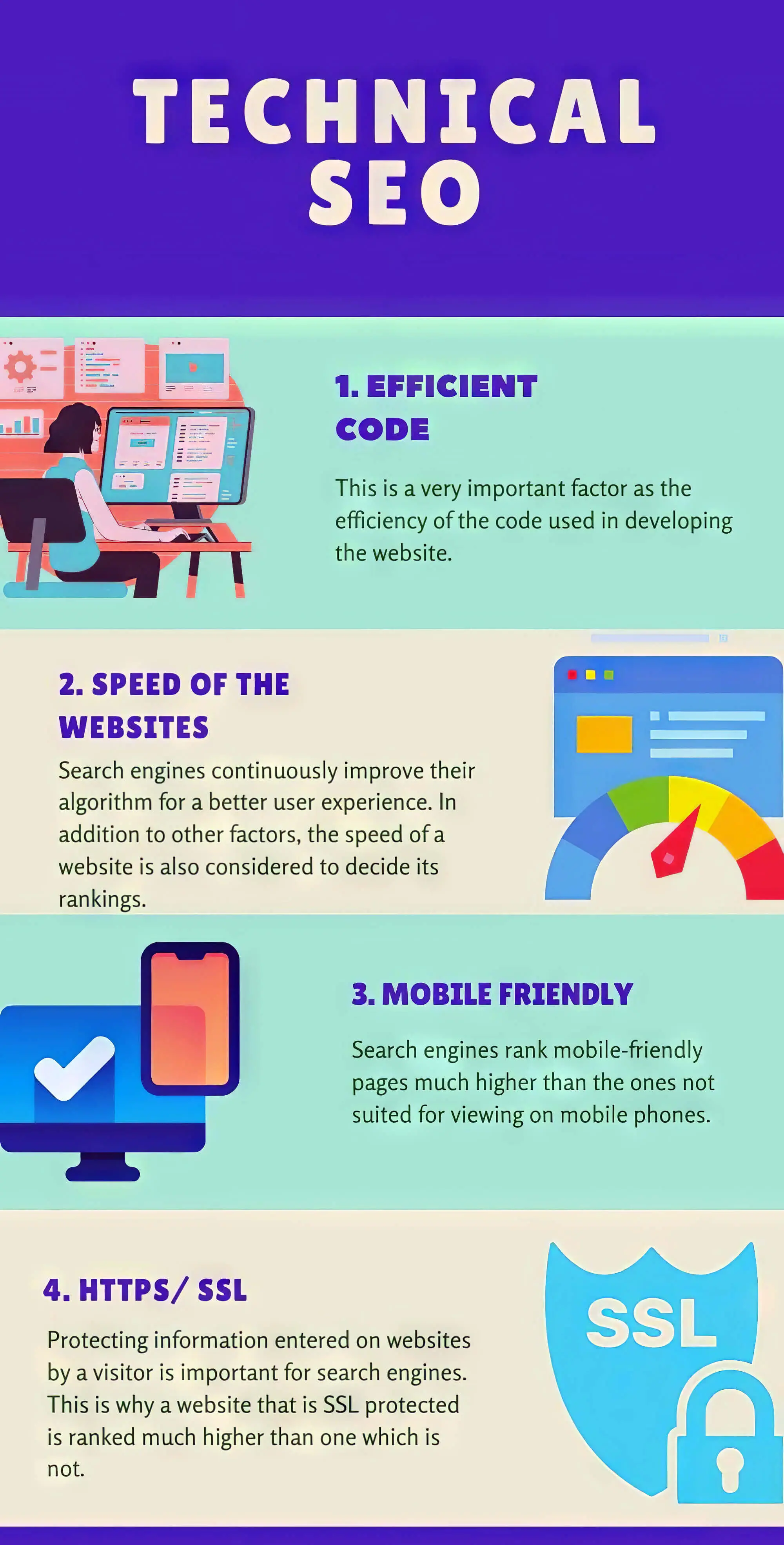
Technical SEO Considerations
Mobile-Friendliness
Transitioning from off-page SEO factors, let’s explore the critical technical SEO considerations that can significantly influence your website’s performance in search engine rankings. One of the foremost aspects in today’s digital landscape is mobile-friendliness. With a growing number of users browsing the web through their smartphones and tablets, ensuring your website is optimized for mobile devices is not just optional; it’s essential.
Reflecting on my own website development, I learned the importance of responsive design through feedback from my audience. Initially, desktop versions looked great, but many users reported difficulty navigating on their phones. That’s when I prioritized mobile optimization, resulting in improved user experience and lower bounce rates. Here’s how to achieve a mobile-friendly website:
- Responsive Design : Use a responsive design that adjusts smoothly to fit screens of all sizes. This ensures all users receive an optimal viewing experience regardless of their device.
- Optimize Images : Large images can slow down mobile loading times. Use appropriately sized images and formats like WebP to ensure faster loading on mobile networks.
- Simplify Navigation : Mobile users benefit from simpler navigation menus that are easy to tap. Avoid complex dropdowns that may not translate well on smaller screens.
- Minimize Pop-Ups : While they can be useful, excessive pop-ups can frustrate mobile users. Use them sparingly to prevent disrupting the browsing experience.
- Test Mobile Usability : Utilize tools like Google’s Mobile-Friendly Test to assess how well your site performs on mobile devices and identify areas for improvement.
By prioritizing mobile-friendliness, you not only enhance user experience but also align with Google’s mobile-first indexing, which ranks mobile versions of content over desktop.
Website Security and SSL Certificates
Another critical technical SEO consideration is website security, particularly concerning SSL (Secure Sockets Layer) certificates. An SSL certificate encrypts the data transmitted between your website and its visitors, ensuring their information remains secure. As cyber threats continue to rise, the importance of website security cannot be overstated.
My own experience with security became particularly clear when I received a notice from my hosting provider about potential vulnerabilities. This pushed me to implement SSL and strengthen my site’s security measures, leading to increased trust from users. Here’s why SSL is integral to your website:
- Improved Trust and Credibility : Websites with SSL certificates show “https://” in their URLs, reassuring visitors that their data is secure. This trust is crucial, especially for eCommerce sites handling sensitive information.
- Enhanced SEO Performance : Google considers HTTPS a ranking factor. Implementing SSL can improve your search rankings and visibility, giving you an edge over competitors without it.
- Protection Against Threats : SSL serves as a protective layer against threats, including man-in-the-middle attacks. This fortification helps safeguard both your data and that of your users.
- Compliance with Data Protection Laws : Many regions have regulations that require user data to be handled securely. SSL helps ensure compliance with these important laws, protecting both your users and your business.
- User Engagement : A secure site encourages users to interact more confidently, leading to better engagement metrics, which can also positively impact your SEO.
In summary, focusing on technical SEO considerations such as mobile-friendliness and website security prepares your site for sustained success in search rankings. By embracing these strategies, you’ll create a more robust online presence that meets the evolving needs of users, setting the stage for future growth. As we continue to navigate the world of SEO, these technical elements will solidify your site’s foundation for lasting visibility.

Content Quality and Relevance
Creating High-Quality Content
Having established the importance of technical SEO considerations, we now turn our focus to content quality and relevance—two pivotal factors for achieving and maintaining strong search engine rankings. Creating high-quality content serves not only to satisfy search engine algorithms but also to engage and inform your audience, which is ultimately the goal of any website.
When I first started blogging, my priority was quantity over quality, believing that regular updates would boost my visibility. However, after hearing feedback from my readers and analyzing my engagement metrics, it became clear that deeper, more insightful content held far more value. Here are some key strategies for creating high-quality content:
- In-Depth Research : High-quality content often starts with thorough research. Provide accurate, factual information backed by credible sources. This builds trust with readers and helps improve your site’s authority.
- Unique Perspectives : Share your unique insights or experiences on a topic. Readers cherish original content that offers different angles or deeper analyses than what’s typically available.
- Clear and Concise Writing : Aim for clarity in your content. Use simple language and break complex ideas down into digestible chunks. Bullet points, lists, and headers can enhance readability.
- Engaging Formats : Vary your content formats based on your audience. From articles and blogs to videos, infographics, and podcasts, using varied formats can keep your audience engaged.
- Consistent Updates : Regularly refreshing old content can enhance its relevance and freshness. Update statistics, links, and information that may have changed since the original publishing.
By committing to creating high-quality content, you’re not just boosting your SEO efforts; you’re also fostering lasting relationships with your audience, encouraging them to return for more valuable insights.
Optimizing for User Intent
In the realm of content quality, another crucial aspect to consider is optimizing for user intent. User intent refers to the primary goal a user has when they enter a query into a search engine. Understanding and catering to this intent can dramatically enhance your content’s effectiveness.
Reflecting on my blogging journey, I recall a time when I shifted my focus to understanding user intent. Instead of writing broadly on a topic, I began crafting content aimed at specific queries that reflected what users were genuinely looking for. Here’s how to assess and optimize for user intent:
- Identifying Search Intent Categories : Understand that user intent can generally be categorized into three types:
- Informational : Users seek to learn something (e.g., “What is SEO?”).
- Navigational : Users are trying to reach a specific website (e.g., “Facebook login”).
- Transactional : Users intend to make a purchase (e.g., “buy shoes online”).
- Keyword Research : Use keyword tools to discover what phrases users are entering related to your topic. Analyzing these keywords helps align your content with user goals.
- Tailor Content Accordingly : Once you identify intent, create content that directly addresses it. If someone is looking for a guide, provide detailed steps and resources. If they want to make a purchase, include product recommendations.
- Engage with User Feedback : Encourage feedback through comments or surveys. User interaction can give you direct insights into what they are looking for and how well your content meets those needs.
- Utilize Meta Tags and Descriptions : Ensure your title tags, meta descriptions, and headers reflect your content’s alignment with user intent, helping search engines understand your page’s relevance.
By optimizing content for user intent, you not only enhance the user experience but also signal to search engines that your content aligns with what users are looking for. As we wrap up our discussion on content quality and relevance, these strategies will help create a thriving content ecosystem that resonates with both your audience and search engines alike, setting the stage for sustained success in the digital realm.