
Introduction
Importance of SEO Testing
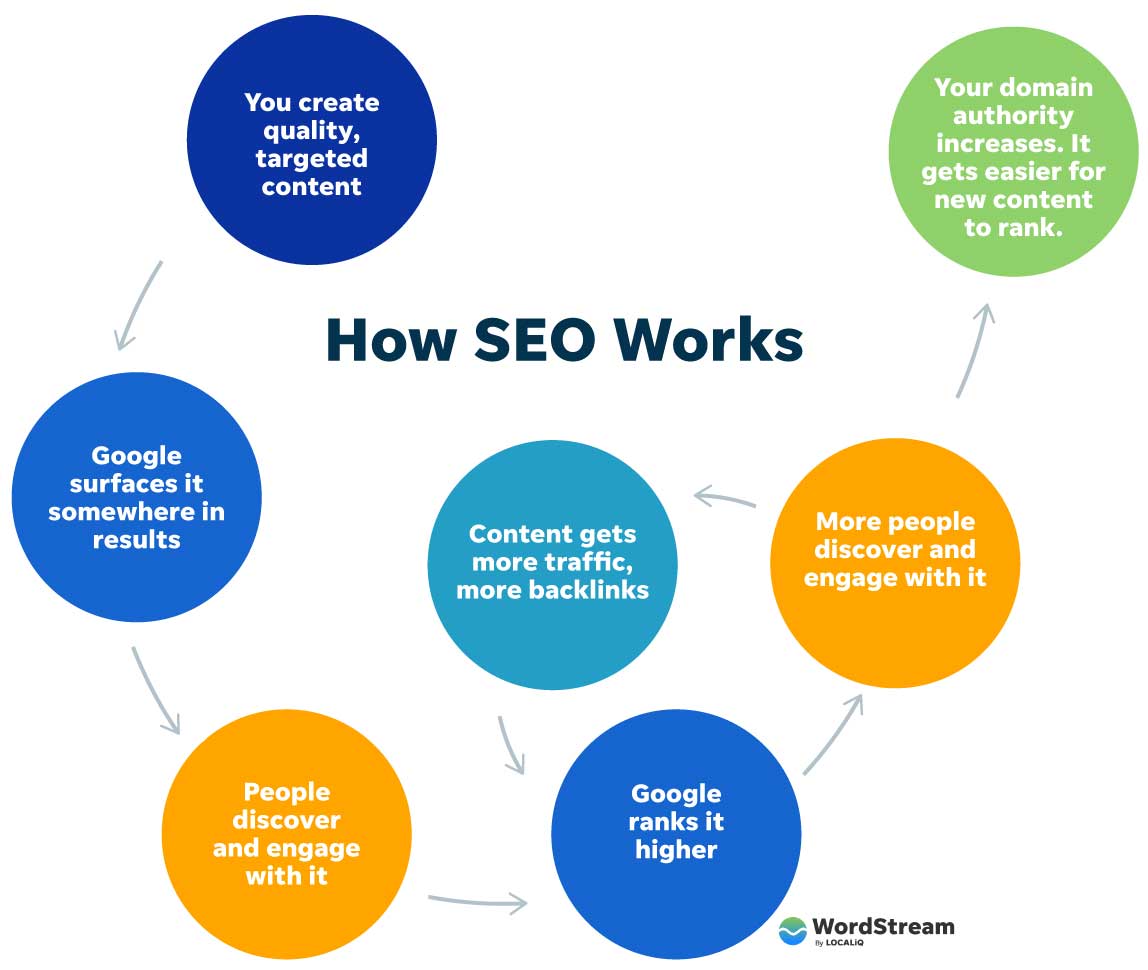
In the ever-evolving digital landscape, SEO testing has emerged as a critical practice for businesses looking to thrive online. It plays a fundamental role in understanding how search engines interpret the content and structure of a website. By identifying which elements contribute to higher search engine rankings, businesses can make informed decisions to enhance their strategies.
For instance, a small local bakery recently revamped their SEO strategy after conducting comprehensive SEO tests. By evaluating keyword effectiveness and page speed, they were able to pinpoint what attracted more visitors to their site. The results? A delightful 50% increase in online orders!
Benefits of Maximizing Online Presence
Maximizing online presence is not just about visibility; it significantly impacts a business’s bottom line. Here are some key benefits:
- Increased Traffic : A strong online presence leads to more visitors on your website.
- Brand Authority : High search rankings enhance trust and credibility with potential customers.
- Higher Conversion Rates : Optimizing the user experience contributes to a better conversion rate, turning visitors into paying customers.
In the digital realm, harnessing the power of SEO testing is no longer optional; it is a necessary strategy for anyone looking to succeed online.

Understanding SEO Testing
Basic Concepts
To effectively leverage SEO testing, it’s crucial to grasp some basic concepts. At its core, SEO testing involves analyzing various elements of your website to determine how well they perform in search engine results.
Here are some fundamental aspects to consider:
- Keywords : These are the terms potential customers enter into search engines. Identifying the right keywords is essential for content relevance.
- Meta Tags : These provide search engines with information about your content. Optimized meta titles and descriptions can significantly improve click-through rates.
- User Experience (UX) : Search engines prioritize websites that offer excellent UX. This includes intuitive navigation, fast loading times, and mobile-friendliness.
Best Practices
When diving into SEO testing, certain best practices can lead you toward success.
A personal experience comes to mind: a friend who runs an e-commerce store saw a marked improvement in sales after benchmarking their loading speed against competitors. Here are some recommended best practices for effective SEO testing:
- Regular Audits : Continuously monitor your SEO performance. Tools like Google Analytics can provide invaluable insights.
- A/B Testing : Experiment with different headlines, layouts, and calls-to-action to see what resonates best with your audience.
- Focus on Content Quality : Ensure that your content is valuable and relevant to your audience.
By understanding these basic concepts and adhering to best practices, you can enhance your SEO testing efforts and improve your overall online presence.

Key Elements to Test
Keywords and Meta Tags
Continuing the journey into effective SEO testing, one cannot overlook the importance of keywords and meta tags. Keywords are the lifeblood of your online visibility; they represent the search terms that potential customers use.
For example, a fitness blogger I know significantly boosted their traffic by targeting specific long-tail keywords, such as “beginner yoga poses.” In addition to keywords, meta tags serve as a brief description that appears in search results. Here are some essential tips to maximize their effectiveness:
- Relevance : Ensure your keywords accurately reflect your content.
- Length : Keep meta titles under 60 characters and descriptions under 160 characters for optimal display.
- Uniqueness : Each page should have a unique title and description to avoid confusion for search engines.
Website Speed and Performance
Another crucial element in SEO testing is your website’s speed and overall performance. A slow-loading website can deter visitors, leading to a higher bounce rate.
For instance, a friend’s online store saw a drop in sales when their site took over five seconds to load. To avoid such pitfalls, consider these strategies for optimization:
- Image Compression : Use tools like TinyPNG to reduce image sizes without sacrificing quality.
- Minimize HTTP Requests : Limit the number of items loaded on each page to enhance speed.
- Utilize Caching : Implement browser caching to improve load times for returning visitors.
By focusing on these key elements of SEO testing, businesses can enhance their online presence and improve user engagement.

Tools for SEO Testing
Google Search Console
As we delve deeper into the world of SEO testing, leveraging the right tools becomes essential. One of the most powerful and widely-used resources is Google Search Console. This free tool offers valuable insights directly from Google, allowing website owners to:
- Monitor Performance : Track which queries bring traffic to your site and how well your pages rank.
- Identify Issues : Get alerts on critical issues like crawl errors or mobile usability problems.
- Submit Sitemaps : Ensure that Google knows about your pages by submitting your sitemap directly.
A friend who runs a tech blog found that Google Search Console helped him notice a drop in performance between two updates. By addressing the identified issues, he quickly regained his ranking.
SEMrush and Moz
In addition to Google Search Console, platforms like SEMrush and Moz offer comprehensive features tailored for in-depth SEO testing. Both tools have unique strengths and capabilities that help optimize websites effectively.
- SEMrush : This tool is renowned for its competitive analysis features. It allows you to dissect competitors’ strategies, revealing their keywords, backlinks, and even ad campaigns. By analyzing this data, users can fine-tune their approaches.
- Moz : Moz focuses on improving SEO visibility through its robust metric tracking and keyword research capabilities. Its “Domain Authority” score is particularly useful for understanding your website’s standing in relation to competitors.
Integrating tools such as Google Search Console, SEMrush, and Moz into your SEO testing routine can offer valuable insights and sharpen your overall strategy, leading to enhanced site performance.
On-Page SEO Testing
Content Optimization
Building on the tools discussed, let’s explore the realm of on-page SEO testing, which plays a pivotal role in determining how well your content performs in search engines. One of the most critical elements of this process is content optimization. Creating high-quality, engaging content is essential, but it’s just as vital to ensure it’s optimized for SEO.
When I helped a local restaurant improve its website, we focused on optimizing their menu descriptions. We incorporated rich, descriptive keywords like “organic,” “locally sourced,” and “handcrafted” throughout the content, which resonated well with their audience. Here are key factors to consider for effective content optimization:
- Keyword Density : Aim for a natural integration of keywords within the content, typically between 1-2%.
- Headers and Subheaders : Use appropriate headers (H1, H2, etc.) to structure the content, making it easier for readers and search engines alike.
- Internal and External Links : Include links to relevant, authoritative sources as well as other pages on your site to enhance credibility and navigation.
URL Structure Analysis
Another vital aspect of on-page SEO testing is URL structure. A well-structured URL not only helps with SEO but also improves user experience. For example, a travel blog I once consulted had long, complex URLs that confused visitors.
By simplifying them to be more descriptive and concise, such as “www.travelsite.com/europe/italy/rome”, we saw an increase in clicks. Consider these best practices for effective URL structure:
- Descriptive URLs : Use keywords in URLs to provide a clear context of what the page is about.
- Short and Simple : Aim for a concise URL that is easy to read and remember.
- Hyphens Over Underscores : Use hyphens to separate words in URLs as search engines interpret them more effectively.
By focusing on content optimization and URL structure, you can significantly enhance your on-page SEO, setting a solid foundation for improved search engine ranking and user engagement.

Off-Page SEO Testing
Backlink Quality Check
Transitioning from on-page strategies, it’s essential to explore off-page SEO testing, which focuses primarily on how your website interacts with the wider internet. A key component of this is conducting a backlink quality check. Backlinks are like votes of confidence from other websites, helping to boost your domain authority and search engine rankings.
For instance, a friend managing a blog on sustainable living experienced a drop in traffic after a significant algorithm update. By conducting a backlink audit using tools like Ahrefs, we discovered several low-quality links pointing to her site. By disavowing these links and shifting focus to high-quality, relevant backlinks, her site restored its credibility. Here are some important aspects to consider for a successful backlink audit:
- Relevance : Ensure backlinks come from sites within your niche.
- Authority : Prioritize links from established, reputable websites.
- Diversity : Aim for a healthy mix of backlinks from various sources.
Competitor Analysis
Conducting thorough competitor analysis is another essential aspect of off-page SEO testing. By examining what other players in your niche are doing, you can identify gaps and opportunities in your own strategy.
For example, a small online retailer I worked with noticed that their competitors consistently ranked higher due to aggressive link-building strategies and active social media promotion. By analyzing their backlink profiles and content strategy, we pinpointed strategies that had worked well for them and adapted them to fit our client’s needs. Here are some steps for effective competitor analysis:
- Identify Key Competitors : Use tools like SEMrush to find out who ranks for your targeted keywords.
- Analyze Backlink Profiles : Review where competitors are getting their backlinks, identifying high-quality opportunities.
- Content Gaps : Look for topics they cover that you don’t, and explore how you can create superior content on those subjects.
By conducting thorough backlink quality checks and competitor analysis, businesses can make informed decisions that enhance their off-page SEO efforts, leading to improved visibility and credibility in their niche.

Mobile-Friendly Testing
Responsive Design Evaluation
As we shift focus to mobile-friendly testing, it’s crucial to understand that an increasing share of online traffic comes from mobile devices. Ensuring your site is optimized for mobile viewing isn’t just a preference anymore; it’s a necessity. One of the primary aspects of mobile optimization is responsive design evaluation.
When a fellow entrepreneur in the fashion industry revamped her website, we ensured that it was fully responsive across all devices. This meant that users had a seamless experience, whether they were on phones, tablets, or desktops. Key elements to consider for effective responsive design include:
- Fluid Grids : Use relative units like percentages for layout elements, ensuring they resize comfortably on different screens.
- Media Queries : Apply CSS techniques to adjust styles based on device characteristics, like width, height, or resolution.
- Flexible Images : Optimize images to scale perfectly across devices without sacrificing quality.
Mobile Page Speed Testing
Along with responsive design, mobile page speed testing is equally vital. Users expect fast-loading pages, and if your site lags, they are likely to bounce to a competitor’s site.
For example, a local nonprofit I assisted noticed that their mobile site was sluggish and failed to engage visitors. By testing their mobile page speed using tools like Google’s PageSpeed Insights, we discovered specific improvements to implement, such as:
- Image Optimization : Reducing image sizes to ensure quick load times.
- Minifying Code : Removing unnecessary characters from CSS and JavaScript to streamline loading.
- Leveraging Browser Caching : Encouraging the use of cached resources for returning users to save load time.
By prioritizing both responsive design evaluation and mobile page speed testing, businesses can enhance the mobile experience, resulting in better user engagement and increased conversions.

Local SEO Testing
Google My Business Optimization
As we dive into local SEO testing, one cannot overlook the pivotal role of Google My Business (GMB) optimization. This free tool allows businesses to manage their online presence across Google, making it essential for local visibility.
A small coffee shop I frequented saw a dramatic increase in foot traffic after we optimized their GMB profile. We ensured their listing included:
- Accurate Information : Updated hours of operation, phone numbers, and website links to avoid customer confusion.
- High-Quality Images : Attractive photos of their offerings and interior that showcased their ambiance.
- Regular Posts : Including updates about new menu items or events that keep the audience engaged.
By taking some time to enhance their GMB profile, they not only improved visibility but also established a deeper connection with their community.
Local Citations Audit
Another essential aspect of local SEO testing is conducting a local citations audit. Citations are online mentions of your business’s name, address, and phone number (NAP). Inconsistent citations can hurt your local rankings, so it’s crucial to ensure accuracy.
For instance, a friend who runs a landscaping business noticed that discrepancies in his NAP across directories led to confused customers. By performing a thorough audit with tools like Moz Local, we uncovered:
- Inconsistent Listings : Different addresses or phone numbers listed on various sites.
- Missing Citations : Opportunities where his business hadn’t been claimed on relevant directories.
- Duplicate Listings : Incorrect duplicates that diluted his search visibility.
By addressing these issues, he was able to enhance his local SEO and improve customer trust. Incorporating both GMB optimization and local citations audits into your local SEO strategy is essential for boosting visibility and attracting local customers.

E-commerce SEO Testing
Product Page Optimization
As we transition into e-commerce SEO testing, one of the most critical areas to focus on is product page optimization. A well-optimized product page can dramatically increase visibility and conversion rates.
For example, I once helped a local artisan jewelry store enhance their product pages. By focusing on a few key elements, we were able to make significant improvements:
- High-Quality Images : We included multiple angles and a zoom feature, allowing customers to see intricate details of the pieces.
- Detailed Descriptions : Crafting unique, engaging descriptions that featured relevant keywords helped improve search rankings and informed customers about the product benefits.
- Customer Reviews : Encouraging reviews not only built trust but also contributed fresh content to the product page, favoring search engine performance.
These changes led to a noticeable increase in both traffic and sales for the store.
User Experience Testing
Complementing product page optimization, user experience (UX) testing is vital in the e-commerce landscape. A seamless shopping experience can be the deciding factor for many online buyers.
When I worked with a startup e-commerce site, we discovered through user testing that customers struggled to navigate their mobile site. Here’s what we focused on:
- Simplified Navigation : We reorganized the menu and categories, making it much easier for users to find what they were looking for.
- Streamlined Checkout Process : Reducing the number of steps in the checkout process decreased cart abandonment rates significantly.
- Responsive Design : Ensuring the site was fully functional across all devices improved the overall user experience.
By prioritizing both product page optimization and user experience testing, e-commerce businesses can enhance their online presence, leading to higher engagement and increased sales.
SEO Testing Metrics
Organic Traffic Analysis
As we wrap up our discussion on essential SEO strategies, it’s critical to highlight the importance of SEO testing metrics. One of the primary metrics to evaluate is organic traffic analysis. This involves tracking the number of visitors arriving at your site through unpaid search results.
For a small online bakery that I advised, we implemented specific techniques to boost their organic visibility. By utilizing Google Analytics, we tracked organic traffic before and after our optimization efforts. Here’s what we focused on:
- Keyword Performance : Understanding which keywords were driving traffic helped identify high-performing content and areas needing improvement.
- Landing Page Analysis : Monitoring which landing pages attracted the most visitors allowed us to refine our content strategy.
- Traffic Sources : Evaluating organic traffic compared to other sources, like paid ads, provided insights into the effectiveness of our SEO efforts.
This analysis revealed a 40% increase in organic traffic within three months, greatly benefiting the business.
Conversion Rate Monitoring
In tandem with organic traffic, conversion rate monitoring is another crucial metric for assessing SEO performance. This measures the percentage of visitors completing a desired action on your site, like making a purchase or signing up for a newsletter.
For an e-commerce client, we closely monitored the conversion rates post-optimization. Here’s how we approached it:
- A/B Testing : Experimenting with different call-to-action buttons, colors, and placements led us to discover which designs converted better.
- User Behavior Analysis : Using heatmaps helped visualize how users interacted with the site, allowing us to identify roadblocks in the conversion process.
- Goal Setting : Defining clear conversion goals in Google Analytics allowed us to track the impact of SEO improvements.
This diligent monitoring revealed significant insights, leading to a 25% increase in conversion rates. By focusing on organic traffic analysis and conversion rate monitoring, businesses can sharpen their SEO strategies for maximum impact and success.