
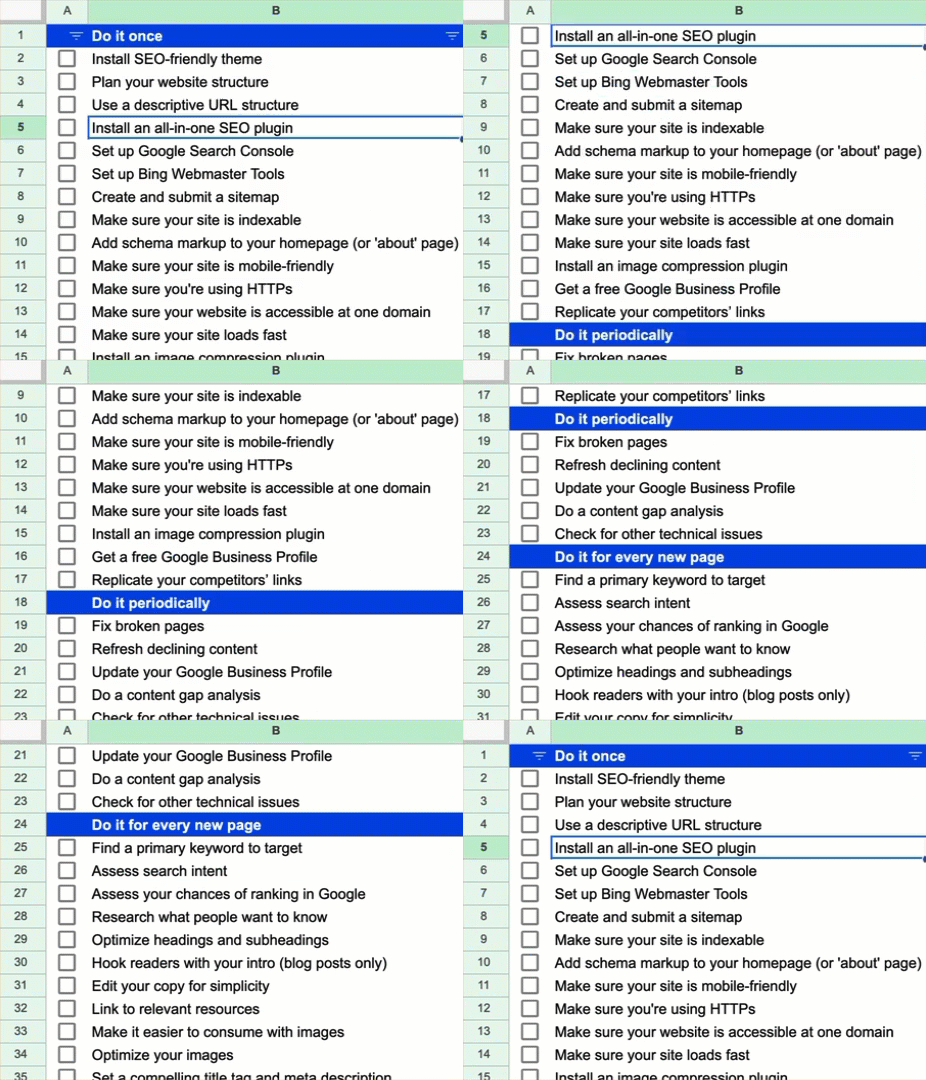
Introduction
Importance of SEO for Websites
In today’s digital landscape, the importance of Search Engine Optimization (SEO) for <a href="https://redaezzat.me/seo/10-proven-strategies-to-skyrocket-your-websites-seo-on-google/”>websites cannot be overstated. SEO is the cornerstone of online visibility; without it, even the most beautifully designed websites could languish in obscurity. Consider this: if your site isn’t optimized for search engines, you’re missing out on a vast audience—potential customers searching for exactly what you offer.
Imagine a local bakery trying to grow its customer base. If they don’t appear in search results when someone types “best pastries near me,” they might as well be invisible. SEO is about ensuring your website shows up in these crucial searches, positioning it as a reputable source of information and services.
A strong SEO strategy not only promotes visibility but also builds credibility. When search engines like Google rank a site high, users naturally perceive it as more trustworthy. Your website becomes the first impression visitors have of your brand, making SEO vital in establishing a positive image.
Benefits of Conducting an SEO Check
Conducting regular SEO checks can significantly enhance your website’s performance. Here are some compelling benefits that underline the importance of this practice:
- Identifying Issues : Regular SEO audits help identify technical issues, such as broken links or slow loading pages, that can negatively impact user experience and search rankings.
- Understanding Competition : An SEO check provides insights into competitor strategies, helping businesses adapt and refine their own tactics to stay ahead in the marketplace.
- Enhancing Content Strategy : Evaluating current content against SEO metrics reveals what resonates with audiences. Businesses can leverage this information to create more targeted and engaging content moving forward.
- Improving Conversion Rates : Optimizing SEO translates to increased traffic, and with an effective strategy, this influx of visitors can lead to higher conversion rates. The more relevant your content, the more likely visitors are to become customers.
- Building User Engagement : An SEO check not only focuses on keywords but also emphasizes user experience. A site that is easy to navigate and offers valuable content tends to keep users engaged longer.
Additionally, employing robust tools for these SEO checks can enhance your understanding of your site’s performance.
It’s like tuning a car; just like a well-tuned engine runs smoother and more efficiently, a website that undergoes regular SEO checks performs better in attracting traffic and generating leads. Neglecting SEO can lead to a fractured online presence.
In conclusion, understanding the importance of SEO for websites and the benefits of conducting an SEO check sets the foundation for a successful online strategy. The digital landscape continues to evolve, and those who prioritize SEO will find themselves ahead of the curve. By taking proactive steps to optimize their websites, businesses can ensure they not only survive but thrive in the competitive online market.

Understanding SEO
Basics of Search Engine Optimization
Diving deeper into the world of SEO, it’s essential to grasp the basics of Search Engine Optimization and how it impacts your website’s performance. At its core, SEO is about improving your site’s visibility in search engines, which in turn drives more organic traffic.
Think of search engines like Google as a library. When someone searches for information, they want the most relevant books (or websites, in this case) to be easily accessible. SEO is the process of organizing and optimizing your content to ensure it ranks higher in search results, similar to how a well-organized library makes it easier for readers to find what they’re looking for.
To get started with SEO, consider the following fundamental components:
- Keyword Research : This involves identifying the terms and phrases potential customers use when searching for products or services similar to yours. Tools like Google Keyword Planner can help discover valuable keywords.
- On-Page SEO : This refers to optimizing individual pages on your website, including aspects like title tags, meta descriptions, headers, and keyword placement within the content.
- Off-Page SEO : This involves strategies conducted outside of your website, such as building backlinks from reputable sites, which can significantly enhance your site’s authority.
Understanding these basics is critical because they lay the groundwork for more advanced SEO strategies that can elevate your website’s visibility.
Key Factors Affecting Website Ranking
Now that we have a grasp of SEO fundamentals, let’s look at the key factors affecting website rankings. It’s important to remember that search engines use complex algorithms to determine which sites rank higher, but some consistent factors have emerged over the years:
- Content Quality : Quality content is king in the realm of SEO. Sites that provide valuable, informative, and engaging content tend to rank higher because they meet user needs. For instance, a blog that offers thorough guides on cooking techniques is likely to attract more visitors than one that provides only surface-level recipes.
- User Experience (UX) : Search engines prioritize websites that provide a great user experience. Factors like page load speed, mobile-friendliness, and easy navigation all contribute to how users interact with your site. If visitors have a positive experience, they’re more likely to stay longer, reducing bounce rates and potentially improving rankings.
- Backlinks : Backlinks—links from other websites to your site—serve as votes of confidence in your content. The more high-quality backlinks you have, the more authority search engines attribute to your site. Think of it as a sign of credibility from the broader online community.
- Technical SEO : This consists of optimizing the backend of your website. Factors such as site structure, secure connections (HTTPS), and XML sitemaps fall under this umbrella. A well-structured site not only improves user experience but also aids search engines in crawling your pages effectively.
- Social Signals : While not a direct ranking factor, social media engagement can influence SEO. Content that is shared widely can drive traffic and increase visibility, indirectly benefiting search rankings.
In summary, understanding the basic tenets of SEO and recognizing the key factors that influence website rankings empowers businesses to craft and implement effective strategies for enhancing online presence. As the digital landscape continues to evolve, staying informed about these factors helps ensure that your website remains competitive and visible.

Conducting an SEO Audit
Tools for Analyzing Website Performance
Building on our understanding of SEO, conducting an SEO audit is a crucial step for every website aiming to improve its search engine ranking. Just like a health check-up offers insights into physical wellness, an SEO audit evaluates your website’s digital health. Fortunately, there are numerous tools available to help analyze website performance and spot areas needing improvement.
- Google Analytics : This powerhouse of a tool provides insights into website traffic, user behavior, and conversion rates. It helps identify which pages attract the most visitors and where users drop off, allowing businesses to tweak their strategy effectively.
- SEMrush : A versatile tool that offers comprehensive SEO analysis, including keyword research, site audits, and competitor analysis. It’s particularly useful for identifying keyword gaps and tracking backlinks.
- Ahrefs : Known for its backlink analysis capabilities, Ahrefs provides insights into competitor links and overall site health. It also includes tools for content analysis and identifying keyword opportunities.
- Moz Pro : With its user-friendly interface, Moz Pro helps evaluate website performance while providing suggestions for improving search visibility, including domain authority and page optimization scores.
- Screaming Frog : This nifty tool crawls your website as search engines do, identifying technical issues such as broken links, missing meta tags, and duplicate content. It’s particularly valuable for conducting thorough on-page audits.
Using these tools can significantly enhance your understanding of your website’s strengths and weaknesses, guiding you towards effective corrective measures.
Evaluating On-Page and Off-Page SEO
Once the analysis is underway, the next step is to evaluate both on-page and off-page SEO, two critical components of an effective SEO strategy.
On-Page SEO focuses on elements within your webpage, enhancing its relevance to target keywords. Here are some areas to evaluate:
- Content Quality : Is the content original, informative, and valuable? Does it answer the user’s search intent? Regularly updating content ensures it remains relevant and engaging.
- Title Tags and Meta Descriptions : These are often the first things users see in search results. Crafting compelling titles and descriptions can significantly improve click-through rates, so they should include relevant keywords and accurately describe the page content.
- Header Tags : Proper use of H1, H2, and H3 tags helps organize content effectively, making it easier for users and search engines to understand the structure and main topics.
- Internal Linking : This involves linking to other relevant pages within the website, enhancing navigation and keeping users engaged. It helps distribute page authority throughout your site.
On the flip side, Off-Page SEO comprises actions taken outside the website to impact rankings within search engine results. Key factors include:
- Backlinks : Evaluate your backlink profile; the quality and quantity of inbound links significantly affect your authority. Aim for links from reputable sites that are relevant to your niche.
- Brand Mentions : Even unlinked mentions of your brand on other sites play a role in building authority. Tracking these can provide insights into your brand’s online presence.
- Social Media Engagement : While not a direct ranking factor, social signals can increase visibility and traffic. Examine how your content is shared and discussed across platforms.
By systematically conducting an SEO audit focusing on both on-page and off-page aspects, businesses can develop a clear road map for improving site performance and ultimately achieving greater visibility in search engine results. The insights garnered from this process can lead to actionable strategies that enhance the user experience and boost rankings—ultimately driving more traffic and conversions.

Implementing SEO Strategies
Optimizing Keywords and Meta Tags
Armed with insights from your SEO audit, it’s time to roll up your sleeves and start implementing effective SEO strategies. One of the most critical components of SEO is optimizing keywords and meta tags. This step is not merely about cramming content full of keywords; it’s about using them strategically to enhance visibility while providing value to your readers.
First and foremost, it’s essential to conduct thorough keyword research to identify the terms your target audience is searching for. Here’s how you can go about it:
- Long-Tail Keywords : These are longer phrases that are highly specific and usually less competitive. For instance, instead of just targeting “shoes,” consider “best running shoes for flat feet.” Long-tail keywords often lead to higher conversion rates as they capture a clear intent.
- Placement : Once you’ve identified your keywords, you need to incorporate them naturally throughout your content. Key placements include:
- Title tags
- Meta descriptions
- Header tags (H1, H2)
- Body content
- Alt text for images
Speaking of meta tags, they play a vital role in how search engines and users interact with your content. Title tags should be compelling and concise, ideally between 50-60 characters. Meta descriptions, while not a direct ranking factor, significantly impact click-through rates. Aim for a length of 150-160 characters, summarizing your page’s content and enticing users to click. An example could be: “Discover the ultimate guide to choosing the best running shoes for all terrains.”
These optimizations lay the groundwork for enhancing your site’s overall visibility in search engine results.
Improving Website Content and User Experience
Once your keywords and meta tags are optimized, it’s crucial to address the quality of your website content and the overall user experience (UX). The two go hand in hand; if users find your content engaging and your site easy to navigate, they are more likely to stay longer and convert.
- Value-Driven Content : Always prioritize creating content that answers your audience’s questions or solves their problems. For instance, if you have a blog about healthy eating, consider presenting well-researched articles, infographics, or videos that provide actionable tips or recipes.
- Readability : Content should be easy to read and understand. Using short paragraphs, bullet points, and subheadings ensures that users can scan through quickly. Tools like Hemingway Editor can help assess readability levels, suggesting changes to streamline your writing.
- Mobile Optimization : With many users accessing websites on mobile devices, ensuring that your site is mobile-responsive is non-negotiable. Test how your site looks and functions on various screen sizes to guarantee a seamless experience.
- Page Speed : A fast-loading site is crucial not just for user experience, but also for SEO rankings. Tools like Google PageSpeed Insights can help diagnose speed issues. Common solutions include optimizing images and minimizing JavaScript.
- Engagement Features : Add elements like comment sections, share buttons, or FAQs to encourage interaction. Engaged users are more likely to return, building a loyal audience.
In conclusion, implementing SEO strategies focused on optimizing keywords, meta tags, and enhancing both content and user experience creates a robust foundation for improving search visibility. By keeping your audience’s needs front and center, you not only satisfy search engines but also establish a meaningful connection with your visitors, driving more organic traffic and potential conversions. This holistic approach to SEO ensures that your website remains not just a static entity, but a dynamic space that grows and evolves with user needs and trends.
Monitoring SEO Progress
Tracking Website Traffic and Keywords Ranking
Now that you’ve implemented your SEO strategies, the next crucial step involves monitoring your progress. Just like you wouldn’t drive a car without checking the fuel gauge, you shouldn’t overlook the metrics that indicate how your SEO efforts are performing. Tracking website traffic and keyword rankings offers tangible insights into the effectiveness of your strategies and informs future adjustments.
To keep tabs on your traffic, Google Analytics is your best friend. This powerful tool provides a wealth of data on user behavior, traffic sources, and demographics. Consider these key metrics to evaluate:
- Organic Traffic : The number of visitors coming to your site through search engines. A steady increase indicates that your SEO efforts are paying off.
- Bounce Rate : This measures the percentage of visitors who leave your site after viewing only one page. A high bounce rate may suggest that your content isn’t engaging or relevant to users.
- Session Duration : The average length of time visitors spend on your site. Longer session durations usually point to valuable, engaging content.
For tracking keyword rankings, tools like SEMrush, Ahrefs, or Moz can provide detailed reports on how well your target keywords are performing. You should regularly check:
- Keyword Position : Where your website stands for specific keywords in search results.
- Click-Through Rate (CTR) : The percentage of users who click on your link after seeing it in search results. A low CTR may indicate that your titles or meta descriptions need refinement.
By continuously monitoring these metrics, website owners can identify trends and adjust their strategies accordingly to ensure ongoing success.
Analyzing Performance Metrics and Making Adjustments
The key to effective SEO isn’t just tracking metrics; it’s analyzing them meticulously and making informed adjustments based on your findings. Over time, data may reveal patterns worth exploring.
- Data Analysis : Dive deep into your traffic sources. If organic searches are your main source, double down on producing high-quality content that targets similar keywords. Conversely, if you’re gaining traction through social media, consider investing more resources in that avenue.
- Regular Reporting : Create weekly or monthly reports that summarize key metrics. This could include:
- Total organic visits
- Most popular landing pages
- Keyword changes
- Engagement metrics (like time on site and bounce rate)
This periodic overview will help you pinpoint what’s working and what isn’t, allowing for strategic adjustments.
- A/B Testing : Experiment with different elements such as titles, meta descriptions, and page layouts to see what resonates best with your audience. Tools like Google Optimize can assist in running A/B tests efficiently.
- Flexibility : The digital landscape continually evolves, with new trends and algorithm changes impacting search behavior. Being adaptable and open to change is key. For instance, if video content is trending in your niche, consider creating engaging video resources to complement your existing content.
In summary, monitoring SEO progress through diligent tracking of website traffic and keyword rankings, paired with thorough analysis of performance metrics, can transform your strategies. This proactive approach ensures that your SEO efforts are not only effective but continuously evolving. By staying informed and responsive to data, businesses can maintain a competitive edge, boost their online visibility, and ultimately drive sustainable growth.