

Understanding SEO Fundamentals
Importance of SEO for Website Optimization
Website optimization is crucial for businesses looking to thrive in a digital landscape overflowing with competition. One cannot understate the importance of Search Engine Optimization (SEO) within this sphere. Effective SEO ensures that your website is visible to your target audience, improving traffic, engagement, and ultimately conversions.
For instance, consider a small local bakery that has an online presence. Without SEO, their beautiful website may as well be hidden in the cookie jar, unreachable to those searching for fresh pastries in their area. By implementing strong SEO strategies, that bakery can appear on the first page of search results, attracting new customers who might never have discovered them otherwise.
Engaging in SEO presents several benefits:
- Increased Visibility : Appearing on the first page of search results boosts your site’s credibility and draws more visitors.
- Higher Conversion Rates : Targeted traffic means that visitors are more likely to take action, whether that’s making a purchase, signing up for a newsletter, or contacting your business.
- Cost-Effectiveness : Compared to traditional advertising, SEO can yield a higher return on investment by driving organic traffic.
Key SEO Concepts to Know
To effectively optimize a website, one must grasp key SEO concepts, including:
- Keywords : The phrases individuals use to search for information. Identifying the right keywords helps align your content with user intent.
- On-Page SEO : Involves optimizing individual pages on your website for better rankings. This includes content, meta tags, and internal links.
- Off-Page SEO : Pertains to factors outside your site that influence ranking, such as backlinks and social media presence.
- Technical SEO : Focuses on improving website architecture, ensuring search engine crawlers can access and index your pages efficiently.
By understanding and implementing these fundamental concepts, businesses can develop a robust SEO strategy that sets the stage for sustained online success.
Assessing Your Website’s Current State
Conducting a Website SEO Audit
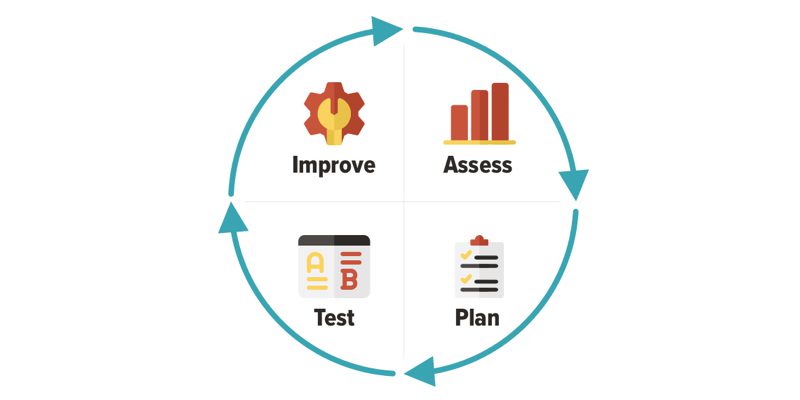
After grasping the fundamentals of SEO, the next vital step is to assess your website’s current state. A thorough website SEO audit provides insights into areas for improvement and serves as the foundation for your optimization efforts. Think of it as a health check-up for your site.
To conduct an effective SEO audit, consider the following key steps:
- Crawl Your Website : Use tools like Screaming Frog or SEMrush to generate a comprehensive report of your existing pages, broken links, and redirects.
- Check Page Speed : Page loading time directly affects user experience and rankings. Tools such as Google PageSpeed Insights can help identify slow-loading pages.
- Review Mobile Responsiveness : With an increasing number of users accessing websites via mobile devices, ensuring your site is mobile-friendly is crucial.
By regularly conducting an SEO audit, you can maintain optimal performance and stay ahead of competitors.
Analyzing On-Page and Off-Page SEO Factors
Once you have insights from the audit, the next step involves analyzing both on-page and off-page SEO factors.
On-Page SEO Factors include:
- Content Quality : Evaluate if your content is relevant, engaging, and optimized for target keywords. Quality content encourages longer page visits and reduces bounce rates.
- Meta Tags : Check if you have unique and compelling title tags and meta descriptions for each page, as these influence click-through rates.
Off-Page SEO Factors include:
- Backlink Profile : Analyze the quantity and quality of backlinks pointing to your site. High-quality backlinks signal authority and relevance to search engines.
- Social Media Signals : Look at your social media presence and how often your content is shared. Strong social engagement can enhance your overall SEO efforts.
By paying attention to both on-page and off-page factors, businesses can create a balanced and effective SEO strategy, driving more traffic and improving visibility. Remember, a thorough assessment isn’t just a one-time task; it’s an ongoing process to adapt to changes in search engine algorithms and market dynamics.
Keyword Research and Analysis
Identifying Relevant Keywords for Your Niche
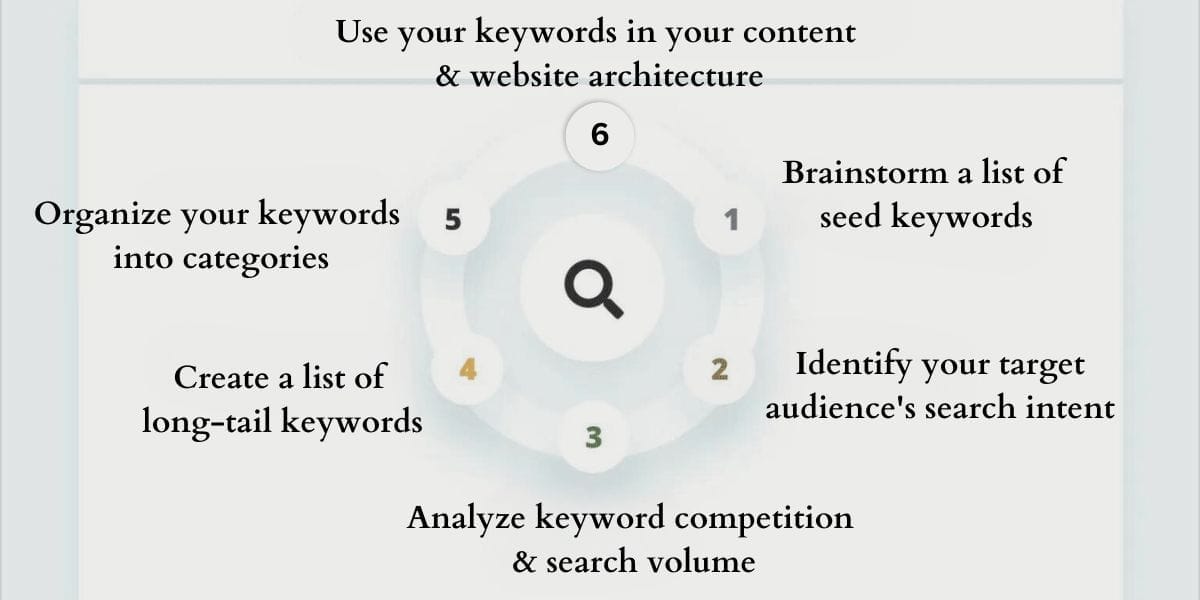
Now that you’ve assessed your website’s current state, it’s time to dive into keyword research—arguably one of the most crucial components of SEO. Identifying relevant keywords for your niche involves recognizing the terms and phrases your target audience is actively searching for.
Imagine a gardening blog seeking to attract more readers. Instead of focusing solely on a broad term like “gardening,” the author could explore specific long-tail keywords such as “best indoor plants for beginners” or “organic pest control tips.” These specific phrases not only have lower competition but also target a defined audience ready to engage.
When identifying keywords, consider the following strategies:
- Brainstorm Initial Ideas : Think about your audience’s needs and questions. What do they want to know? What solutions are they searching for?
- Analyze Competitors : Examine what keywords competitors are ranking for using tools like Ahrefs or SEMrush, which can provide valuable insights into gaps you can fill.
Using Keyword Research Tools Effectively
Armed with a list of potential keywords, it’s time to leverage keyword research tools to refine your selections. Using these tools effectively can save time and ensure you’re targeting the right keywords.
Some popular tools include:
- Google Keyword Planner : A free option that helps discover new keywords and provides data on search volumes and competition.
- Ubersuggest : Offers keyword suggestions and associated data, including trends and keyword difficulty.
- Answer The Public : Excellent for finding questions and popular phrases related to your keywords.
When utilizing these tools:
- Focus on Search Volume : Aim for keywords with a balanced search volume—not too high, to avoid fierce competition, and not too low, to ensure audience interest.
- Consider Keyword Difficulty : A keyword ranking higher in difficulty might not be worth targeting if your website is relatively new.
By carefully identifying and analyzing relevant keywords, you can tailor your content more effectively to meet the needs of your audience, enhancing your website’s overall performance in search engine results.

On-Page Optimization Strategies
Optimizing Meta Tags and Descriptions
With a solid keyword strategy in place, the next step in enhancing your website’s SEO involves on-page optimization, starting with optimizing your meta tags and descriptions. These elements serve as the first impression your webpage makes on search engine users.
Meta tags, specifically the title tag and meta description, are crucial for informing both search engines and potential visitors about your page’s content. They are what users see in search results, so crafting them effectively can significantly influence click-through rates.
To optimize these tags:
- Create Unique Title Tags : Aim for around 60 characters and include your primary keyword near the beginning.
- Write Compelling Meta Descriptions : Keep these between 150-160 characters and briefly summarize the page’s content while enticing users to click. For example, instead of a generic description, you might say, “Discover practical tips for optimizing your website’s SEO and boosting your online visibility!”
Properly utilized, optimized meta tags can enhance your site’s visibility and improve user engagement from the outset.
Improving Content Quality and Structure
Once your tags are in order, the next focus should be on improving the quality and structure of your site’s content. Quality content not only positions you as an authority in your niche but also engages visitors and reduces bounce rates.
Consider these strategies to improve content quality and structure:
- Use Headings and Subheadings : Break your content into manageable sections using H2 and H3 tags. This not only improves readability but also makes it easier for search engines to understand your content hierarchy.
- Incorporate Keywords Naturally : Include relevant keywords throughout your content without keyword stuffing. Aim for a natural flow where the keywords feel integrated.
- Enhance Visual Elements : Use images, infographics, and videos where applicable to enrich your content and keep visitors engaged.
By placing emphasis on both your meta tags and content quality, you equip your website to better meet the needs of users and search engine algorithms alike. This results in a more robust chance of achieving higher rankings and attracting the right audience.

Off-Page Optimization Techniques
Building High-Quality Backlinks
With your on-page optimization strategies set, it’s essential to transition to off-page SEO techniques, particularly focusing on building high-quality backlinks. Backlinks are like endorsements from other websites, signaling to search engines that your content is reputable and valuable.
Just think about a scenario where a well-known gardening website links to your blog post about indoor plant care. This not only drives traffic to your site but also boosts your credibility in the eyes of search engines.
To effectively build high-quality backlinks, consider these strategies:
- Guest Blogging : Collaborate with industry-related websites and offer to write guest posts. In exchange, you can include a link back to your site.
- Creating Shareable Content : Produce high-value content like infographics, how-to guides, or comprehensive research pieces that others in your niche would want to link to.
- Engaging in Online Communities : Participate in forums and social media groups related to your niche. Providing value and sharing your insights can lead to organic backlinks.
Remember, quality is more important than quantity. A few backlinks from authoritative sites hold far more weight than numerous links from low-quality websites.
Leveraging Social Media for SEO Benefits
While backlinks play a crucial role in off-page SEO, leveraging social media can also provide significant benefits. Social media platforms serve as a megaphone for your brand, amplifying your content and encouraging shares and engagement.
To get the most out of social media for SEO, consider the following tactics:
- Promote Your Content : Share your blog posts, videos, and infographics across various platforms like Facebook, Twitter, and LinkedIn to reach a broader audience.
- Engage With Your Audience : Respond to comments and messages, and actively participate in conversations. Building relationships encourages shares and drives traffic back to your site.
- Utilize Hashtags Effectively : Research popular hashtags relevant to your niche to increase visibility on platforms like Instagram and Twitter.
By investing time in building high-quality backlinks and leveraging social media effectively, you can enhance your site’s authority and visibility, culminating in improved search engine rankings and better user engagement. Ultimately, these off-page optimization techniques complement your on-page efforts, creating a well-rounded SEO strategy.

Local SEO Tactics for Geotargeted Traffic
Optimizing Google My Business Listing
Transitioning from broader SEO strategies, let’s narrow our focus to local SEO tactics that directly drive geotargeted traffic to your website. One of the most effective ways to enhance your local visibility is by optimizing your Google My Business (GMB) listing.
Imagine owning a quaint coffee shop in your city. When someone searches for “coffee near me,” a well-optimized GMB listing can help your business appear in local search results. Here’s how to optimize your listing effectively:
- Complete Your Profile : Fill out all relevant information, including your business name, address, phone number, and website. Ensure these details are consistent with your other online platforms.
- Add Quality Images : Use high-quality photos of your business, offerings, and team. Listings with images tend to attract more clicks and engagement.
- Utilize Posts and Updates : Regularly share updates, promotions, or special events through GMB posts to keep customers informed and engaged.
- Encourage Customer Reviews : Actively request and respond to reviews. Positive reviews not only enhance your credibility but also improve your ranking in local searches.
Implementing Local Citations for SEO
In addition to optimizing your GMB listing, implementing local citations can further boost your local SEO efforts. Local citations are online mentions of your business that include your business name, address, and phone number (NAP).
Here’s why they matter:
- Consistency Matters : Ensure that your NAP information is the same across all citations. Inconsistent information can confuse customers and hurt your search rankings.
- Use Relevant Directories : List your business on reputable local directories like Yelp, Yellow Pages, and industry-specific sites. Local newspapers and community boards also offer valuable citation opportunities.
- Leverage Niche-Specific Platforms : If you’re in a specialized industry, explore niche-specific directories that cater to your business sector. For example, a dentist should consider platforms like Healthgrades or Zocdoc.
By taking these steps to optimize your Google My Business listing and implementing local citations, you can enhance your visibility in local search results. This not only attracts more geotargeted traffic but also fosters community engagement and connection to potential customers. As local search continues to grow, these tactics will be essential for businesses aiming to stand out in their area.
Mobile Optimization Best Practices
Ensuring Mobile-Friendly Website Design
As we dive deeper into modern SEO practices, it becomes increasingly clear that mobile optimization is no longer a luxury—it’s a necessity. With more users accessing websites via smartphones and tablets, ensuring a mobile-friendly design is paramount.
Picture this: You’re scrolling through your smartphone, trying to order a pizza. You click on a website that looks great on a desktop but is cluttered and hard to navigate on your phone. Frustrating, right? That’s why your website design should seamlessly adapt to different screen sizes. Here’s how to achieve that:
- Responsive Design : Use a responsive web design that adjusts layout and content based on the user’s device. This ensures a consistent experience across all platforms.
- Simplified Navigation : Make it easy for mobile users to find what they need. Use dropdown menus and clear buttons to enhance the navigation experience.
- Readable Text : Optimize font sizes and spacing so that all text is legible without zooming. Aim for at least 16px for body text to enhance readability.
Improving Page Loading Speed for Mobile Users
In addition to a mobile-friendly design, improving page loading speed is critical for keeping users engaged. Slow loading times can lead to high bounce rates and lost conversions.
Consider this: Research shows that nearly 40% of users abandon a website that takes longer than three seconds to load. Here are some strategies to enhance your site’s speed for mobile users:
- Optimize Images : Compress images without sacrificing quality. Use formats like WebP, which provide better compression rates.
- Minimize HTTP Requests : Limit the number of elements on your page that require HTTP requests, such as images, scripts, and stylesheets.
- Use Caching : Implement browser caching to store frequently accessed content locally on users’ devices. Tools like WP Super Cache can help with this for WordPress sites.
By focusing on creating a mobile-friendly design and improving load speed, you significantly enhance user experience. This, in turn, boosts your search engine rankings, as Google prioritizes mobile-friendly sites in its results. Remember, a well-optimized mobile experience can lead to higher engagement, reduced bounce rates, and increased conversions—essential components of a successful online presence.