

Overview of Content Marketing in the UAE
Importance of Content Marketing
In the rapidly evolving landscape of the UAE, content marketing has emerged as a fundamental pillar for brand success. Companies are recognizing that consumers are not just looking for products but engaging experiences and valuable information.
Imagine walking into a store physically or virtually. If the store only showcases products but doesn’t tell you their story or demonstrate their benefits, would you be interested? Likely not. This analogy captures the essence of content marketing – it narrates the brand’s journey while adding value to the customer’s experience.
Here are a few reasons why content marketing holds immense importance in the UAE:
- Increased Brand Awareness : Quality content helps in establishing a strong online presence, making brands more recognizable among target audiences.
- Trust and Credibility : Consistent, informative content builds trust with consumers, positioning the brand as an authority within its niche.
- Enhanced Customer Engagement : Engaging content encourages conversation and connection, particularly essential in the diverse cultural landscape of the UAE.
Trends in Content Marketing
Content marketing in the UAE is dynamic, with several trends shaping its future direction. Staying ahead of these trends is vital for brands looking to captivate their audiences effectively.
- Personalization : Tailoring content to meet the unique preferences of individual consumers is increasingly popular. Brands are utilizing data analytics to create personalized content that resonates with their audience.
- Video Content : The demand for video content is skyrocketing. Brands are leveraging platforms like Instagram and YouTube to share engaging videos that tell their story, promote products, and educate consumers.
- Influencer Collaborations : With the rise of social media, influencer marketing is becoming a crucial strategy. Collaborating with local influencers allows brands to tap into established trust and reach a wider audience.
- User-Generated Content : Encouraging customers to share their experiences and products through reviews or social media posts adds authenticity. Brands that harness this trend not only build community but also gain valuable social proof.
By understanding the importance and evolving trends of content marketing in the UAE, businesses can craft strategies that resonate with their audience and thrive in this competitive market.

Understanding the UAE Market
When venturing into the UAE market, it’s crucial for brands to have a nuanced understanding of the cultural landscape and consumer behavior. Doing so can make the difference between marketing success and missed opportunities.
Cultural Factors to Consider
The UAE is a melting pot of cultures, with a diverse population consisting of Emiratis and expatriates from all over the world. This diversity greatly influences consumer preferences and expectations. Here are key cultural factors to keep in mind:
- Respect for Traditions : The UAE has deep-rooted traditions and values. Brands that honor and incorporate elements of local culture into their marketing strategies tend to resonate better with Emirati consumers.
- Language Nuances : While English is widely spoken, Arabic remains the official language. Using Arabic in content can foster a stronger connection with customers and reflect cultural respect.
- Religious Sensitivity : Islam is the predominant religion, and brands must ensure that their marketing materials are respectful of Islamic values and norms, especially during holy months like Ramadan.
- Family-Oriented Culture : UAE consumers value family ties, making campaigns that emphasize family togetherness highly relatable and emotionally impactful.
Buying Behavior of UAE Consumers
Understanding the buying behavior of UAE consumers is equally important. With a unique blend of modernity and tradition, consumer preferences differ greatly from one demographic to another.
- Quality Over Price : UAE consumers often prioritize quality, brand reputation, and unique experiences over price. For example, when purchasing electronics, they are likely to favor premium brands known for durability and customer service.
- Digital Savvy : With a high penetration of internet and smartphone usage, UAE consumers frequently shop online. Brands that incorporate user-friendly digital experiences, coupled with engaging content, are more likely to attract these tech-savvy shoppers.
- Social Influence : As mentioned earlier, influencer marketing has gained traction in the UAE. Many consumers are influenced by social media personalities, making them more likely to purchase products endorsed by their favorite influencers.
- Impulse Buying : UAE consumers are known for their appetite for impulse buying, especially during sales events. Brands can capitalize on this by creating urgency through limited-time offers and promotional campaigns.
By grasping these cultural factors and insights into buying behavior, brands can tailor their content marketing strategies to connect authentically with the UAE audience and drive successful consumer interactions.

Crafting a Successful Content Marketing Strategy
Having a deep understanding of the UAE market is only the beginning. To truly excel, brands must craft a content marketing strategy that aligns with their business goals and addresses their audience’s needs. This can be achieved through setting clear objectives and identifying the right target audience.
Setting Clear Objectives
First things first — clear objectives are essential for a successful content marketing strategy. A good starting point is ensuring that these objectives align with your broader business goals. Here’s how to go about it:
- SMART Goals : Create objectives that are Specific, Measurable, Achievable, Relevant, and Time-bound. For instance, a goal could be “Increase website traffic by 30% over the next six months through blog content.”
- Brand Awareness vs. Conversion : Decide what you want to achieve. Is it brand awareness, lead generation, or customer retention? Each objective will dictate different content types and distribution methods.
- Content Types : Identify the content formats that will help achieve your objectives. Whether it’s informative blog posts, engaging videos, or captivating infographics, choose what aligns best with your goals.
A compelling anecdote illustrates this point: Once, a local fashion brand in the UAE aimed to boost its online sales during Ramadan. By setting a clear objective of increasing e-commerce sales by 40% during this season, the brand tailored its content around gift ideas and special promotions, achieving remarkable results.
Identifying Target Audience
After defining your objectives, the next crucial step is identifying your target audience. Knowing who to speak to allows for more personalized and impactful content.
- Demographic and Psychographic Analysis : Start with the basics — what is the age, gender, income level, and location of your audience? But don’t stop there. Understand their interests, values, and pain points.
- Creating Buyer Personas : Develop detailed personas that represent your ideal customers. Include insights like where they spend their time online, their favorite products, and what drives their purchasing decisions.
- Segmentation : Consider segmenting your audience based on cultural backgrounds, interests, or purchasing behaviors. Tailoring content for different segments ensures that it resonates on a personal level.
By setting clear objectives and identifying your target audience diligently, brands can create a focused and effective content marketing strategy that not only engages the UAE market but also drives meaningful results.

Creating Engaging Content for the UAE Audience
With a solid content marketing strategy in place, the next step is creating content that truly resonates with the UAE audience. For brands to capture attention and foster engagement, it’s essential to utilize localized content and emphasize visual storytelling.
Utilizing Localized Content
Localized content is about more than just translating text into Arabic; it’s about understanding the culture, values, and preferences of your target audience. Here are some strategies for crafting localized content:
- Cultural Relevance : Use local references, traditions, and celebrations in your content. For example, during Ramadan, brands can focus on themes of family and generosity, appealing to the community spirit prevalent during this holy month.
- Language Nuances : While English is widely understood, adding Arabic phrases or slang can enhance relatability. A simple Arabic greeting at the beginning of a blog post can create an inviting tone.
- Tailored Campaigns : Launch campaigns that specifically address local interests or events, like the Dubai Shopping Festival. This helps your brand feel more connected to the community.
A notable example is a beverage company that successfully launched a new flavor inspired by traditional Arabian spices. The localized campaign not only highlighted the product’s connection to cultural tastes but also featured local influencers, leading to increased authenticity and sales.
Emphasizing Visual Content
In today’s digital age, visual content is king. It grabs attention, conveys messages quickly, and can evoke emotions much more effectively than text alone. Here’s how brands can leverage visual content:
- Use High-Quality Imagery : Invest in stunning visuals that reflect the beauty and richness of the UAE. Showcasing local landscapes, food, and culture not only captures attention but also fosters a connection with the audience.
- Infographics : With the UAE’s tech-savvy audience, infographics can simplify complex information, making it digestible and shareable. They are particularly effective in industry-specific content, like market trends or consumer behavior.
- Video Content : Short, engaging videos that tell a story or illustrate a product’s use can be powerful. Consider behind-the-scenes looks at local events or customer testimonials that resonate with the UAE audience’s values.
By employing localized content and visually appealing formats, brands can create engaging content that speaks to the heart of the UAE audience. This approach not only boosts engagement but also cultivates strong brand loyalty over time.

Leveraging Social Media for Content Distribution
Now that you have captivating content targeted at the UAE audience, the next crucial step is spreading the word. Social media is the perfect platform for content distribution, providing vast reach and an interactive environment. It is essential to know which platforms are most popular in the UAE and the best practices for effective social media marketing.
Popular Social Media Platforms in the UAE
The social media landscape in the UAE is diverse, with multiple platforms competing for attention. Here are some of the most popular platforms:
- Instagram : Renowned for its visual-centric content, Instagram is highly popular among younger demographics in the UAE. Brands can share stunning visuals, behind-the-scenes content, and engaging stories that resonate with their audience.
- Facebook : With a broad user base, Facebook remains relevant for community engagement and sharing longer content. It’s an ideal platform for event promotions and customer interaction through groups and pages.
- Twitter : For real-time updates and customer engagement, Twitter is invaluable. Brands can share quick insights, announcements, and connect with customers instantly.
- LinkedIn : Particularly relevant for B2B brands, LinkedIn is essential for establishing thought leadership and sharing industry insights.
- TikTok : As a rising star, especially among Gen Z, TikTok is perfect for creative, short-form videos that can go viral. It allows brands to showcase their personality and connect in a novel way.
Best Practices for Social Media Marketing
To make the most of social media as a content distribution channel, consider these best practices:
- Consistency is Key : Regular posting keeps your audience engaged and informed. Create a content calendar to plan your posts in advance and ensure consistency.
- Engage with Your Audience : Social media is not a one-way street. Respond to comments, messages, and mentions to foster community and build relationships. Personal interactions go a long way.
- Utilize Hashtags and Trends : Using relevant hashtags can amplify your reach. Participating in trending topics or challenges, particularly on Instagram and Twitter, can enhance visibility.
- Monitor Analytics : Understanding which types of posts perform best helps to streamline future content. Tools like Facebook Insights and Instagram Analytics offer valuable data to inform your strategy.
- Collaborate with Influencers : Partnering with local influencers can significantly boost brand visibility. They often have established trust with their audiences and can create authentic connections with potential customers.
Incorporating these practices while leveraging popular social media platforms can enhance content distribution, broaden reach, and ultimately drive brand success in the vibrant UAE market.
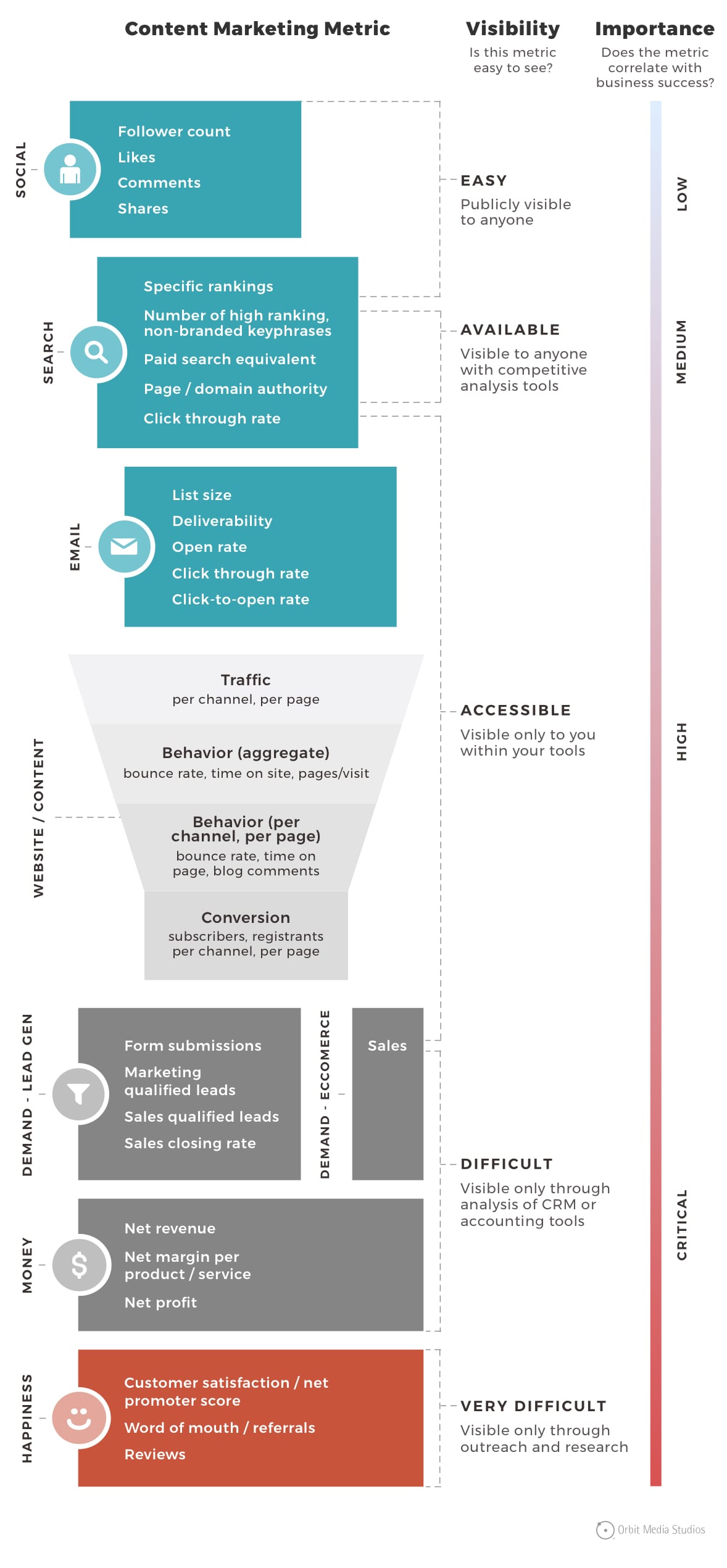
Measuring and Analyzing Content Marketing Performance
With your content strategically distributed across social media and other channels, it’s time to pivot toward measurement and analysis. Understanding how your content is performing is vital to refining your strategy and achieving your overall objectives. This involves tracking key metrics and using relevant tools to analyze performance effectively.
Key Metrics to Track
When measuring content marketing performance, focusing on the right metrics helps provide clarity on what’s working and what isn’t. Here are some key metrics to consider:
- Traffic Metrics : Evaluate total visits, unique visits, and page views. These figures offer insights into how well your content is attracting visitors.
- Engagement Metrics : Metrics like average time spent on a page, bounce rate, and pages per session reflect audience engagement levels. A lower bounce rate indicates that visitors find your content valuable and are exploring further.
- Conversion Rates : Tracking how well your content drives desired actions (e.g., sign-ups, purchases) can illustrate ROI. For example, a landing page for new product launches should produce higher conversion rates when optimized well.
- Social Shares : The number of times your content is shared across social media platforms signifies its resonance with the audience. Higher shares not only increase visibility but also suggest that your content is engaging and relevant.
- Customer Feedback : Collecting customer feedback through surveys and reviews can provide qualitative insights into how your content is perceived and where improvements can be made.
A memorable anecdote to illustrate the importance of metrics is a local beauty brand that discovered through analytics that its tutorial videos had a significantly higher engagement rate than static posts. This insight allowed them to pivot their content strategy to focus more on video tutorials, resulting in a surge in followers and engagement.
Tools for Analyzing Content Performance
To successfully track these metrics, various tools are available that can assist in measuring content performance effectively:
- Google Analytics : A must-have for tracking website traffic, user behavior, and conversion tracking. It offers rich insights into visitors and their interactions with your content.
- Social Media Analytics : Each social platform has its own analytics tools, such as Facebook Insights and Twitter Analytics, which offer valuable data on engagement, reach, and audience demographics.
- HubSpot : A comprehensive marketing tool that provides insights on blog performance, social media metrics, and overall content strategy effectiveness.
- SEMrush : Ideal for tracking SEO metrics, it helps in analyzing how well your content ranks for targeted keywords and its visibility across search engines.
By regularly measuring performance through these metrics and tools, brands can adjust their content marketing strategies and ensure they stay relevant and effective in engaging their target audiences in the UAE. This ongoing analysis fosters continuous improvement, ultimately leading to greater brand growth and success.