

Introduction to External Content Marketing
Understanding the Basics
External content marketing refers to the practice of creating and distributing content outside a brand’s owned channels, such as blogs, social media, and websites. This includes guest posts on other websites, articles in industry publications, podcasts, webinars, and more. The primary goal is to reach a broader audience, build authority in the industry, and drive traffic back to a brand’s primary platforms.
Imagine you’ve created a great blog post on your company’s website about the latest trends in digital marketing. While that content is valuable, it only reaches a limited audience—primarily those already familiar with your brand. With external content marketing, you can leverage high-traffic platforms to showcase your expert insights, attract new readers, and convert them into loyal followers.
By stepping outside your digital borders, you create opportunities to engage with potential customers who may not yet know about your brand. Think of it as casting a wider net in a sea filled with potential customers.
Benefits of External Content Marketing
External content marketing provides numerous benefits that can significantly enhance a brand’s visibility and credibility. Here are some key advantages:
- Increased Brand Awareness : By sharing content on established platforms, brands can get noticed by a larger audience. This exposure is crucial for businesses looking to expand their reach.
- Enhanced Authority and Credibility : When you create valuable content on reputable platforms, it positions you as an authority in your field. For instance, a guest post on a well-known industry blog can lend credibility that may not come from self-published content.
- Improved SEO : Quality backlinks from external sources significantly boost SEO rankings. The more reputable websites link back to your content, the higher your site climbs in search engine results.
- Targeted Audience Engagement : You get to engage directly with your target audience where they already spend their time online. This boosts your chances of creating meaningful conversations and connections.
- Lead Generation : Compelling content can act as a magnet for potential customers. Relevant calls-to-action in your external content can convert readers into leads.
For instance, a company specializing in eco-friendly products might publish informative articles on sustainability on platforms focused on environmental issues. By doing this, they not only reach a relevant audience but also associate their brand with topics that matter to their potential customers.
In summary, external content marketing is a powerful tool that allows brands to cultivate relationships outside their immediate ecosystem, opening avenues for engagement and increasing their market presence. It goes beyond merely promoting a product; it’s about fostering relationships and building a community around shared interests and values.

Crafting Compelling Content for External Platforms
Choosing the Right Platforms
Choosing the right platforms for external content marketing is crucial to maximizing the impact of your efforts. Think of it as selecting the right stage for your performance; the venue can make all the difference in how your message resonates with the audience.
Start by identifying your target audience. What platforms do they frequent? Common options include:
- Industry Blogs : These are niche-specific and attract audiences interested in particular topics. For instance, a company in tech might seek out well-established tech blogs.
- Social Media : Platforms like LinkedIn for B2B, or Instagram for lifestyle brands, can increase brand visibility immensely. Tailor your content based on the platform’s unique style and audience.
- Online Magazines : Many industries have digital magazines featuring trending topics. Contributing articles here can position your brand at the forefront of industry discussions.
- Podcasts and Webinars : Tapping into existing audio and visual platforms can grasp audience attention while allowing for deeper engagement.
In evaluating these platforms, consider their reach, audience demographics, and engagement levels—how active they are and how your content aligns with their objectives. When I started my content marketing endeavor, I leaned too heavily on social platforms that didn’t cater to my audience. Once I switched my focus to industry-specific blogs and forums, I saw a significant increase in engagement.
Creating Engaging Content
Once you’ve identified your platforms, the next step is creating engaging content tailored to each medium. Here are some strategies to ensure your content captivates and retains audience attention:
- Know Your Audience : What challenges do they face? What questions do they ask? Tailoring your content to address these points makes it more relevant and engaging.
- Tell a Story : People connect with stories far better than with dry facts. Incorporate personal anecdotes or real-world examples to make your content relatable. For instance, if you’re writing about a marketing trend, share a success story from your own experiences.
- Utilize Visual Elements : Break up text with images, infographics, or videos. Visual content can significantly increase retention and engagement rates. According to studies, posts that include visuals receive 94% more views than those without.
- Call to Action : Don’t forget to include a clear call to action! Whether it’s prompting your audience to visit your website, download resources, or follow your social media channels, direct them on what to do next.
- Optimize for Mobile : As more users access content via mobile devices, ensure that your content is easily readable on smaller screens. Keep paragraphs short, use bullet points, and ensure images are appropriately sized.
By focusing on these elements, brands can create not only compelling but also practical content that resonates with audiences. The goal is to not just inform but to entertain and inspire. Investing time in crafting engaging content can lead to powerful connections, further establishing your brand in the external marketplace.
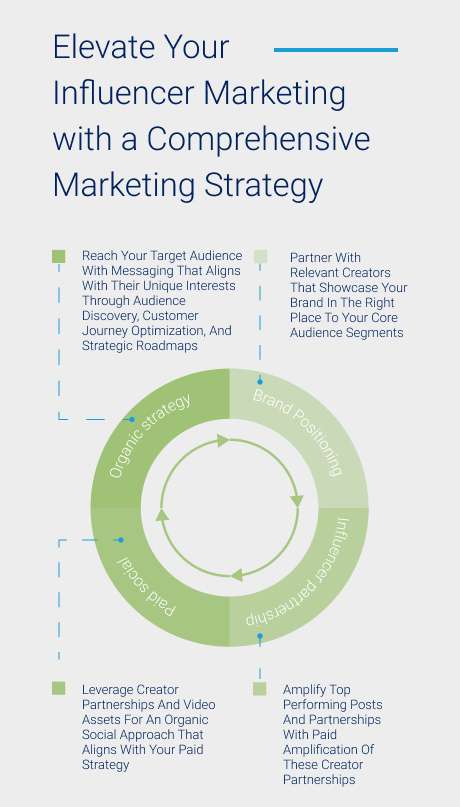
Leveraging Influencer Partnerships for Brand Exposure
Identifying Relevant Influencers
Once you have established your content strategy, it’s time to tap into the power of influencer partnerships to amplify your brand’s reach. Influencers—individuals who have established credibility and a loyal following in a particular niche—can serve as effective conduits for your message. But how do you identify the right influencers for your brand?
Start by assessing your target audience. Understanding who you want to reach will help you find influencers that align with your values and that resonate with your potential customers. Then consider the following:
- Niche Relevance : Look for influencers who specialize in your industry or niche. For example, if you’re in the health and wellness sector, partnering with a fitness expert or nutritionist can give your brand credibility.
- Engagement Rates : An influencer’s follower count is important, but engagement rates—likes, comments, shares—are even more telling. A smaller but highly engaged audience often results in more genuine connections than a massive but disinterested following.
- Content Style : Review their past content to see if their style and tone match your brand’s voice. This alignment is essential for authenticity; audiences can spot inauthentic partnerships from a mile away.
- Reputation and Ethics : Be diligent in researching an influencer’s reputation. Negative publicity can tarnish your brand by association. Choose influencers with positive engagement and a strong ethical stance.
When I first sought out influencers for my product launch, I made the mistake of only looking at follower counts, which led to a partnership with someone whose audience didn’t resonate well with my brand. Lesson learned: quality trumps quantity.
Collaborating for Mutual Benefit
Once you’ve identified suitable influencers, the focus shifts to establishing fruitful collaborations. The key to a successful partnership is ensuring that both parties benefit from the relationship. Here are some strategies to consider:
- Define Clear Goals : Establish what you want from the partnership and communicate these expectations upfront. Do you aim to increase brand awareness, drive traffic, or boost sales? The more transparent you are, the more focused the collaboration will be.
- Creative Freedom : Allow influencers the creative space to produce content that feels authentic to them. Provide guidelines but encourage their input, as they understand their audience best. For instance, if you’re promoting a new product, let them decide how to present it, whether through a video review or an Instagram story.
- Cross-Promotion : Utilize your platforms to promote content created by the influencer while they share your brand with their audience. This reciprocal relationship boosts visibility for both parties and fosters a sense of community.
- Track Performance : Setting up metrics to evaluate the success of your influencer partnerships is essential. This could include engagement rates, reach, or sales generated through a unique promo code. Analyzing these insights allows for adjustments in future collaborations to optimize results.
By focusing on mutual benefit, partnerships with influencers can go beyond one-off promotions, creating sustained relationships that resonate with both their followers and your potential customers. Working together, brands and influencers can enhance trust, drive engagement, and ultimately elevate the brand’s presence in the marketplace.

Maximizing SEO Strategies for External Content
Implementing Keyword Research
Once you’ve built solid partnerships with influencers and crafted engaging content, it’s essential to focus on maximizing SEO strategies to bolster your visibility across external platforms. Effective keyword research is the cornerstone of any successful SEO strategy. Think of it as learning the language your audience speaks—words that they type into search engines when seeking information.
To begin your keyword research, consider these steps:
- Identify Core Topics : Start by listing fundamental topics related to your brand, products, or services. This could include anything from “sustainable fashion” to “digital marketing strategies.”
- Utilize SEO Tools : Tools like Google Keyword Planner, Ahrefs, or SEMrush can help uncover keywords relevant to your topics. These tools provide insights into search volume, competition, and trends, helping you find the best keywords to target.
- Analyze Competitors : Investigate what keywords competitors are ranking for. This will not only give you ideas but also help you identify gaps in the market that you can fill with long-tail keywords—specific phrases that are less commonly searched but highly relevant.
- Consider Intent : Understand the intent behind specific keywords. Are users seeking information, looking to make a purchase, or searching for a review? Tailoring your content to meet these intents can significantly enhance engagement.
During my initial foray into content marketing, I overlooked the importance of keyword research, which led to posts that, while informative, didn’t attract many readers. Once I embraced in-depth keyword research, I noticed a substantial uptick in organic traffic.
Optimizing Content for Search Engines
After pinpointing the right keywords, the next step is optimizing your content to ensure it ranks well on search engines. Here are some practical strategies to consider:
- Incorporate Keywords Strategically : Naturally weave your primary keywords into critical areas of your content, including the title, headings, introduction, and conclusion. However, avoid “keyword stuffing,” which can lead to penalties from search engines. Aim for a natural flow.
- Create Compelling Meta Descriptions : Write clear and concise meta descriptions featuring your target keywords. These snippets appear in search results and can influence click-through rates. An engaging meta description can entice users to visit your content over competitors’.
- Use Descriptive Alt Text for Images : Search engines can’t interpret images, so it’s vital to provide descriptive alt text that includes relevant keywords. This practice can enhance your content’s visibility in image searches.
- Focus on Readability and Structure : Break your content into easily digestible sections using subheadings, bullet points, and short paragraphs. Not only does this approach improve user experience, but it also signals to search engines that your content is accessible.
- Internal and External Linking : Don’t forget to link to other relevant pages on your website (internal links) and authoritative external sources. This practice enhances credibility and helps search engines understand your content’s context better.
By implementing these SEO strategies, brands can significantly improve their visibility in external content marketing. As search engines evolve, staying updated with current SEO trends is essential to maintain a competitive edge. With thoughtful keyword research and optimization, brands can enhance discoverability, attract the right audience, and ultimately drive meaningful traffic back to their primary platforms.
Measuring Success and ROI of External Content Marketing
Tracking Key Metrics
Now that your external content marketing initiatives are up and running, it’s time to focus on measuring success and determining the return on investment (ROI) for your efforts. Understanding how to track key metrics is crucial for evaluating the value of your campaigns and refining your strategies moving forward.
Start by identifying the metrics that align with your marketing goals. Here are some essential metrics to consider:
- Website Traffic : Use tools like Google Analytics to track how much traffic is directed to your website from your external content. Pay attention to referral sources to see which platforms drive the most visitors.
- Engagement Rates : Look at likes, shares, and comments on your content across external platforms. High engagement indicates that your content resonates with your audience, which may lead to deeper brand relationships.
- Conversion Rates : Measure how many of those visitors take action—whether it’s signing up for a newsletter, downloading a resource, or completing a purchase. This metric can help gauge how effective your content is at driving business outcomes.
- Click-Through Rate (CTR) : Analyze how many users clicked on links within your content compared to how many viewed it. A high CTR indicates that your calls-to-action (CTAs) are appealing to readers.
For example, when I ran a campaign promoting an eBook through guest posts on industry blogs, I tracked the traffic generated from each post to my landing page. This allowed me to identify which posts converted best and helped inform future content creation.
Evaluating the Performance of Campaigns
After tracking your key metrics, the next step is to evaluate the performance of your campaigns in detail. This analysis will help you understand what works and what doesn’t, allowing you to make data-driven decisions.
- Comparative Analysis : Compare the performance of different pieces of content. Which external content generated the most traffic and conversions? Understanding these patterns can help you replicate successful strategies in future campaigns.
- Feedback Loops : Encourage feedback from your audience. Asking readers what they liked or what they’d like to see more of can provide valuable insights that inform your content strategy.
- Cost Analysis : Calculate the overall spend on your external content marketing initiatives, including production costs, platform fees, and influencer payments. Then, compare this figure against the revenue generated from conversions linked to those campaigns to determine ROI.
- Content Lifecycle : Consider the performance over time. Some content may have a slow start but gain traction as it ages. Evaluating long-term performance gives a better picture of the actual value of your content.
- Adjustment Strategies : Use your findings to adjust future campaigns. If certain topics, formats, or platforms yielded better results, focus more efforts there. Constantly tweaking your approach based on performance evaluation leads to ongoing improvement.
By diligently tracking key metrics and evaluating campaign performance, brands can make informed adjustments to enhance their external content marketing strategy. This analytical approach not only aids in maximizing ROI but also helps foster a culture of continuous learning and adaptation. Ultimately, a well-measured campaign can lead to increased visibility, more robust audience engagement, and stronger brand loyalty.