
Introduction
Importance of Prioritizing Content
In today’s digital landscape, where information overload is the norm, prioritizing content is not just a best practice; it is essential for success. For businesses and marketers, creating valuable and relevant content can be the difference between capturing an audience‘s attention or being lost in a sea of competing information.
Consider a recent campaign where a small online retailer focused on producing high-quality, informative blogs about their products. This approach not only educated their customers but also helped establish their brand as an authority in their niche. As a result, the retailer saw a significant increase in organic traffic, demonstrating the importance of content in driving engagement and conversions.
At its core, effective content marketing meets the needs of the audience, providing solutions and insights that resonate with them. By focusing on producing content that is valuable and engaging, businesses can foster deeper connections with their audience. In turn, this trust and credibility lead to higher conversion rates, as consumers are more likely to choose brands they recognize and rely on for quality information.
Overview of Conversion Strategies
However, crafting compelling content is only half the battle. To truly convert visitors into customers, a well-rounded conversion strategy must be in place. Here are key strategies to consider:
- Define Your Target Audience : Understanding who your audience is will help tailor your content to their specific needs and pain points. Creating personas can be incredibly beneficial for this purpose.
- Use Effective Calls-to-Action (CTAs) : Strategically placed CTAs encourage users to take the next step, whether it’s signing up for a newsletter, making a purchase, or following on social media. Research suggests that clear, actionable CTAs can significantly boost conversion rates.
- Leverage Social Proof : Testimonials, reviews, and case studies build trust and credibility. Showcasing social proof in content increases the likelihood that potential customers will engage with your brand.
- Optimize Content for SEO : Optimizing content with relevant keywords ensures it reaches a wider audience through search engines. Implementing SEO best practices allows brands to improve visibility and capture interested users effortlessly.
- Monitor and Adjust Based on Analytics : Utilizing data analytics can provide insights into what content performs best. By assessing metrics like bounce rates and conversion statistics, brands can refine their strategies for continual improvement.
By understanding the importance of prioritizing content and implementing these conversion strategies, businesses can create a robust foundation for their marketing efforts. The alignment of engaging content with effective conversion practices not only enhances user experience but ultimately drives sustained business growth in a competitive environment.
Understanding Content Marketing
Benefits of Content-First Approach
Transitioning from a diverse array of conversion strategies, it becomes increasingly clear that a content-first approach can be a game-changer for businesses. This methodology prioritizes the creation of high-quality content as the foundation for all marketing activities, leading to numerous benefits:
- Increased Brand Awareness : By consistently producing valuable content, businesses can enhance their visibility in search engine results and social media platforms. For instance, a tech startup focusing on educational content related to coding can establish itself as a go-to resource for aspiring developers.
- Enhanced Customer Engagement : Content that resonates with the audience encourages interaction. Think of a lifestyle brand that publishes how-to guides and customer stories; these engaging pieces create conversations that deepen relationships with their community.
- Improved SEO Performance : Quality content is vital for SEO. The more relevant and comprehensive the content, the higher it is likely to rank in search results. For example, a detailed blog post about healthy eating may attract organic traffic and foster community discussions in the comments, further boosting its reach.
- Long-Term Cost Effectiveness : Unlike traditional advertising that may provide short-lived results, quality content generates ongoing traffic and leads over time. A well-developed article or video can continue drawing in new customers well after its initial publication.
In short, the content-first approach leads to a synergistic effect where content directly contributes to business growth and sustainability.
Creating Engaging and Valuable Content
Now that the benefits of a content-first approach are clear, the next step is understanding how to create engaging and valuable content that captures audience interest. Here are several effective strategies:
- Know Your Audience : Conduct research to understand your target customers’ preferences, pain points, and interests. Creating detailed buyer personas can guide your content creation process.
- Utilize Various Formats : Different formats appeal to different audiences. Consider mixing articles, infographics, videos, and podcasts to cater to varying preferences. For example, an eCommerce site may use tutorials in video format to provide product demonstrations.
- Focus on Storytelling : People love stories. By framing your content within a narrative, it becomes more relatable and memorable. A personal anecdote about overcoming a challenge can enrich a blog post and resonate with readers on a deeper level.
- Provide Actionable Insights : Content that offers practical advice or solutions is always valuable. For instance, a finance blog that provides budgeting tips or financial planning strategies enables readers to apply knowledge directly to their lives.
- Encourage User-Generated Content : Inviting customers to share their stories or experiences creates a sense of community and strengthens brand loyalty. Highlighting customer reviews or testimonials in your content not only engages your audience but also builds credibility.
In conclusion, understanding and employing a content-first approach allows businesses to harness the power of engaging and valuable content. By focusing on audience needs and creating diverse, actionable content, brands can foster meaningful connections that ultimately enhance customer loyalty and drive conversions.
Building Trust Through Content
Establishing Credibility with Your Audience
As we transition into the realm of trust, it’s essential to recognize that establishing credibility with an audience is paramount in today’s saturated market. Trust is built over time through consistent and authentic communication. Here’s how businesses can achieve this through content:
- Showcase Expertise : Providing authoritative insights or expert opinions in your content enhances credibility. For example, a financial advisor who shares market analysis or investment tips not only educates their audience but also positions themselves as a trusted resource.
- Maintain Transparency : Honesty is crucial in business interactions. When brands are transparent about their processes, values, and even product failures, they earn respect from their audience. A clothing company that openly discusses their sourcing and manufacturing practices demonstrates integrity and builds trust.
- Engage in Conversations : Actively engaging with your audience through comments, forums, or social media enhances credibility. Responding to inquiries, addressing concerns, or even acknowledging mistakes shows that a brand values its customers and their feedback.
- Leverage Testimonials and Case Studies : Highlighting positive experiences from past customers can speak volumes. Sharing case studies provides tangible proof of the effectiveness of products or services. For instance, a software company could illustrate how its tool helped a client save time and resources, further solidifying trust.
By implementing these strategies, businesses can create a trustworthy brand image that resonates with their audience, encouraging engagement and loyalty.
Utilizing Storytelling in Marketing
Moving beyond the foundation of credibility lies the powerful tool of storytelling in marketing. Stories create emotional connections that foster lasting relationships, making it vital for brands to incorporate storytelling into their content strategies. Here’s how this can be done effectively:
- Craft Relatable Narratives : When brands share stories that reflect their audience’s experiences, they create a sense of belonging. For example, a skincare brand might share a customer’s journey with sensitive skin and how their products provided a solution, making the brand more relatable.
- Develop Brand Narratives : A compelling brand story can differentiate a company in a crowded market. Sharing the origins of a business, including challenges faced and the mission behind it, helps consumers connect on a personal level. For instance, a small coffee shop could convey its commitment to sustainable sourcing and community support through its inception story.
- Utilize the Hero’s Journey : This classic storytelling structure positions the customer as the hero, making them the focus of the narrative. A company selling fitness equipment might share success stories of customers achieving their health goals, showcasing the equipment as a vital tool in their journeys.
- Visual Storytelling : Incorporating images, videos, or infographics can enhance the impact of storytelling. Visual content can simplify complex ideas and make stories more engaging, such as a documentary-style video that chronicles a nonprofit’s work in the community.
In conclusion, building trust through content is vital for any business aiming for long-term success. By establishing credibility with the audience and effectively utilizing storytelling, brands can foster deeper connections, encourage customer loyalty, and ultimately enhance their impact in the competitive marketplace. Emphasizing genuine communication and narrative techniques allows for authentic engagement with customers, turning them into advocates for the brand.
Optimizing Content for Conversions
Incorporating Call-to-Actions
As we continue our journey through the world of content marketing, one of the most critical aspects to focus on is optimizing content for conversions. A compelling piece of content won’t do much good if it doesn’t lead your audience towards taking action. This is where incorporating effective Call-to-Actions (CTAs) comes into play.
What Makes a Great CTA?
- Clarity : Your audience should instantly understand what you want them to do. Phrases like “Download Now” or “Subscribe Today” leave no room for confusion.
- Urgency : Creating a sense of urgency encourages immediate action. Phrases like “Limited Time Offer” or “Join Now for Exclusive Access” can prompt users to act quickly.
- Visibility : Position your CTAs strategically within your content. They should stand out visually but still fit seamlessly within the piece. Placing CTAs at the beginning, middle, or end of your content can capture both immediate and lingering interests.
- Value Proposition : Clearly convey what users will gain from taking action. For example, a blog post offering a free eBook should highlight, “Learn the Top 10 Strategies for Boosting Your Productivity Instantly!”
- Experimentation : Don’t be afraid to test different CTAs to see what resonates best with your audience. A/B testing different phrases or placements can yield insights that lead to improved conversion rates.
Incorporating effective CTAs can dramatically uplift the effectiveness of your content, guiding readers smoothly into the next stage of their customer journey.
Using Data Analytics for Content Performance
After establishing strong CTAs, the next crucial step in optimizing content for conversions is leveraging data analytics. Understanding how your content performs allows you to make informed decisions that enhance engagement and conversion rates.
Key Metrics to Track:
- Traffic Sources : By analyzing where your visitors are coming from, you can identify which channels drive the most traffic and adjust your marketing strategies accordingly. If most visitors come from social media, it may warrant more focus on those platforms.
- Bounce Rates : High bounce rates may indicate that your content isn’t connecting with your audience. Analyzing your pages with high bounce rates can help pinpoint what changes are needed to improve engagement.
- Conversion Rates : This is the ultimate measure of your content’s effectiveness. Tracking how many users take the desired action after interacting with your content helps evaluate its success.
- User Behavior Analytics : Tools like heatmaps or session recordings shed light on how users interact with your content. This data helps in refining layout, design, and content placement for improved user experience.
- Feedback and Surveys : Gathering direct feedback from your audience can offer insights that analytics alone cannot provide. Consider using short surveys after key pieces of content to gauge user satisfaction and areas for improvement.
By actively monitoring and analyzing content performance, brands can continuously fine-tune their strategies to optimize both engagement and conversions.
In summary, optimizing content for conversions hinges on effectively incorporating CTAs and utilizing data analytics. By creating persuasive calls to action that guide audience behavior and by monitoring performance metrics, businesses can ensure they’re not just producing content but are also driving meaningful results. This proactive approach turns casual visitors into loyal customers, ultimately leading to sustained growth in an ever-competitive digital landscape.
Balancing Content and Conversion Goals
Strategies for Aligning Content and Sales Funnel
In the quest for effective content marketing, striking a balance between engaging content and conversion goals is essential. It’s not just about creating great content; it’s about ensuring that this content directs audiences through the sales funnel seamlessly. Here’s how to align your content strategy with your sales funnel stages:
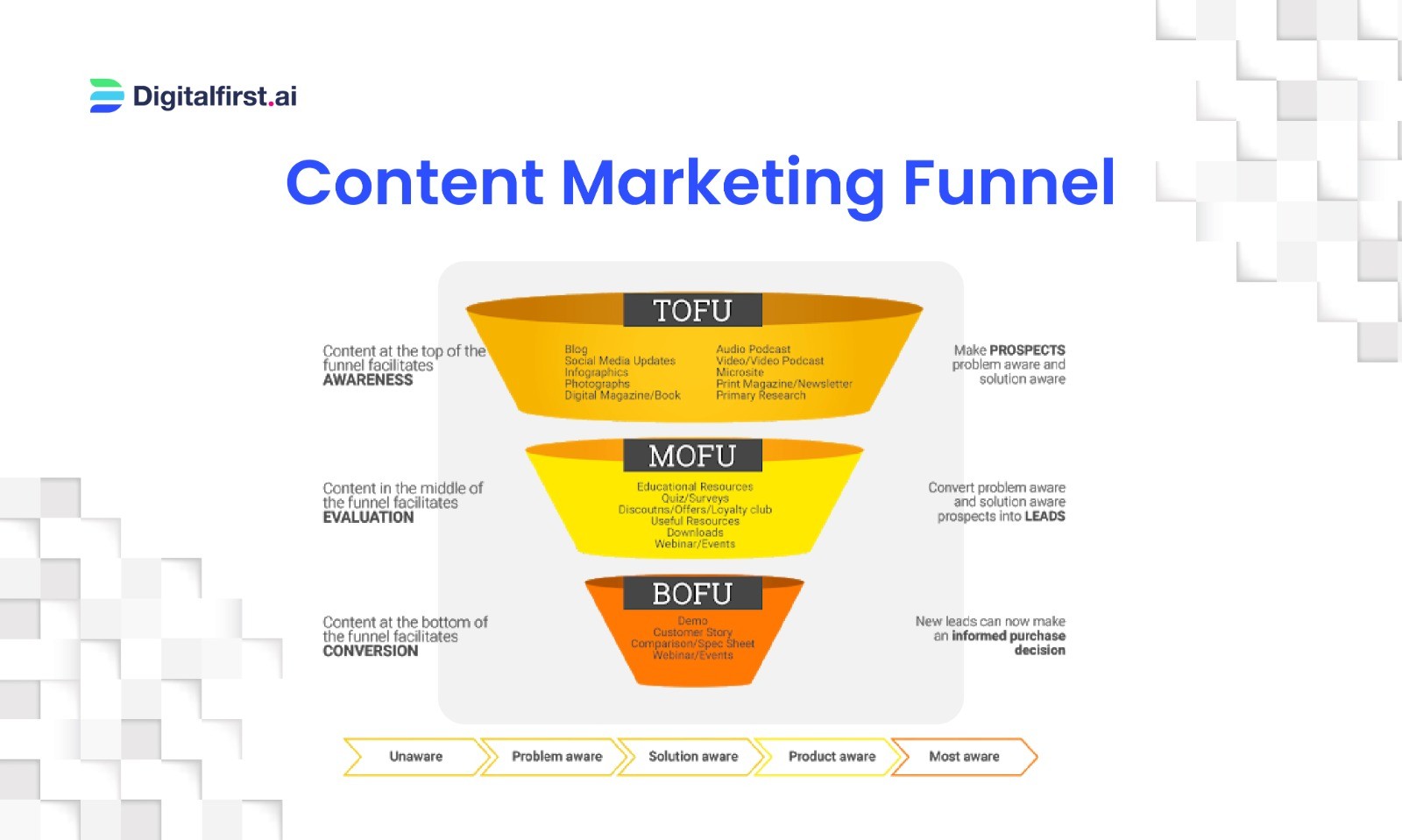
- Awareness Stage : In the top of the funnel, focus on educating your audience. Content types such as blog posts, infographics, and videos that provide insights into common industry problems help attract potential customers. For instance, a company selling kitchen appliances could write a blog post titled “10 Essential Tools for Every Home Chef,” making a connection before introducing its products.
- Consideration Stage : As prospects move toward the middle of the funnel, create content that positions your offerings as solutions. This could include comparison guides, case studies, and webinars that showcase the benefits of your products. A SaaS company may produce a detailed comparison chart of software features to help prospects make informed decisions.
- Decision Stage : At the bottom of the funnel, focus on high-converting content types that include free trials, product demos, or special offers. Emphasizing testimonials and success stories can significantly influence decision-making. For example, providing a downloadable case study demonstrating positive outcomes will reassure your audience of their choice.
- Feedback Loops : Regularly analyze content effectiveness at each funnel stage. Gathering data on what content drives conversions allows marketers to adjust their strategies for maximum effectiveness. A/B testing various content formats can highlight which approaches resonate best with your audience.
By carefully considering the sales funnel, businesses can ensure their content not only informs and engages but also drives conversions effectively.
Maintaining Consistency Across Marketing Channels
While aligning content with the sales funnel is critical, maintaining consistency across all marketing channels is equally vital. Brand consistency strengthens recognition and builds trust, so it’s essential that messages stay uniform whether they’re on a website, social media, or email campaigns. Here are some ways to maintain consistency:
- Unified Messaging : Develop a core message that resonates across all platforms. For example, if a business positions itself as eco-friendly, all content should reflect this commitment, from product descriptions to social media campaigns.
- Visual Consistency : Use consistent branding, including logos, colors, and typography, across all marketing materials. This helps deepen brand recognition. For instance, if a tech company uses a specific shade of blue across its website, social media, and ads, customers will begin to recognize that color as synonymous with the brand.
- Content Tone and Voice : Keep a consistent tone and voice in your communications. Whether your brand is friendly and conversational or professional and authoritative, maintaining the same voice helps create a cohesive experience. Think about a financial institution using a trustworthy and reassuring tone in its email newsletters versus a youth-oriented brand adopting a more casual style.
- Cross-Promotion of Content : Share content across different channels to drive consistency and maximize reach. For example, promoting a blog post on social media or featuring it in email newsletters ensures that audiences encounter the same messages regardless of the platform.
In conclusion, balancing content and conversion goals requires a strategic approach that aligns with the sales funnel while ensuring consistency across marketing channels. By crafting targeted content for each stage of the funnel and maintaining a uniform brand presence, businesses can effectively guide prospects toward conversion while fostering trust and recognition. This holistic approach fosters long-term customer relationships and drives sustained growth in a competitive landscape.