

Introduction to Social Media Marketing
Importance of Social Media in Marketing
Social media has revolutionized the marketing landscape in ways that traditional media simply cannot match. The ability to connect and engage with audiences in real time means that businesses can now build relationships rather than just push products. For instance, imagine a coffee shop owner who shares daily photos of their signature brews on Instagram. Not only does this visually entice customers, but it also invites them to share their experiences, creating a loyal community.
Here are some key reasons why social media is crucial for marketing:
- Widespread Reach : Billions of users around the globe engage on platforms like Facebook, Twitter, and Instagram, providing a vast audience for brands.
- Cost-Effectiveness : Running social media campaigns can be significantly cheaper than traditional advertising methods.
- Data-Driven Insights : Platforms provide businesses with valuable analytics to track engagement, demographics, and conversion rates, pivotal for strategic adjustments.
Overview of Social Media Platforms
Each social media platform caters to different demographics and content types. Understanding these nuances can help tailor marketing efforts. Here’s a brief overview:
- Facebook : Great for community engagement and customer service.
- Instagram : A visual platform ideal for showcasing products and lifestyle branding.
- Twitter : Effective for real-time communication and public relations.
- LinkedIn : Best for B2B marketing and professional networking.
By leveraging the right platform for the target audience, brands can maximize their marketing effectiveness and foster a vibrant presence online.

Understanding Your Target Audience
Consumer Behavior Analysis
To craft effective marketing strategies, diving deep into consumer behavior is essential. Understanding what drives your audience’s choices and how they interact with brands allows businesses to tailor their messages effectively.
Consider a local gym that analyzed member feedback and social media interactions. They discovered that members were motivated by community support and fitness challenges. Armed with this insight, they launched a series of social media challenges that encouraged participation and highlighted member success stories, resulting in increased engagement and sign-ups.
Key elements to analyze include:
- Purchase Patterns : What triggers customers to buy? Seasonal promotions or personal recommendations?
- Interaction Preferences : Do users prefer chatbots for quick replies or personalized customer service?
- Content Engagement : Which posts resonate more—videos, images, or articles?
Identifying Target Demographics
Once you grasp consumer behavior, identifying your target demographics becomes the next step. This involves segmenting your audience to create focused marketing campaigns. The following are critical demographics to consider:
- Age Group : Different age groups have varying interests and social media usage patterns.
- Location : Localizing content can significantly enhance relevance.
- Gender : Understanding gender preferences helps tailor communication styles.
- Interests : Identifying specific interests allows for more engaging content creation.
Utilizing tools like surveys and social media analytics can help pinpoint these demographics, ultimately leading to more impactful and personalized marketing efforts.

Creating a Strong Presence on Social Media
Branding and Consistency
Establishing a strong presence on social media starts with effective branding and consistency. Your brand is more than just a logo; it encompasses your voice, values, and visual elements. For example, a small clothing brand might choose vibrant colors and playful language to appeal to a younger audience, while a financial consulting firm might adopt a more professional tone with muted colors.
Here are some key components to consider for branding:
- Visual Identity : Use consistent logos, colors, and typography across all platforms.
- Brand Voice : Maintain a consistent tone whether it’s friendly, authoritative, or humorous.
- Messaging : Clearly articulate your mission and values in every post.
Consistency not only builds recognition but also trust among your audience.
Content Strategy Development
Once your brand is established, the next step is developing a robust content strategy. This involves planning the type of content that aligns with your brand goals and resonates with your target audience.
Start by considering the following:
- Content Types : Mix it up with images, videos, blogs, and infographics to keep your audience engaged.
- Posting Frequency : Regularly updating your platforms keeps your audience engaged—aim for a consistent schedule.
- Value-Driven Content : Share insights, tips, or entertaining posts that provide value rather than simply pushing products.
For example, a travel agency could share stunning travel photos alongside tips for budget travel. This not only showcases expertise but also engages the audience, encouraging shares and interactions. By consistently providing valuable content that aligns with your brand, you create a loyal community eager to engage with your message.
Engagement and Interaction Strategies
Building a Community
Creating a strong presence on social media goes hand-in-hand with fostering community engagement. A successful brand isn’t just a company—it’s a community where customers feel connected and valued. Consider a local bakery that goes beyond sharing delicious photos of pastries. They might invite customers to share their own baking stories and experiences or hold contests where followers can submit their favorite dessert recipes. This not only encourages interaction but also builds a loyal following.
To build a genuine community, consider these strategies:
- Encourage User-Generated Content : Ask your audience to share their experiences with your products. This not only fosters engagement but provides authentic content for your brand.
- Host Live Events : Webinars, Q&A sessions, or even virtual meet-and-greets can enhance connections with followers.
- Create Exclusive Groups : Platforms like Facebook offer group functions where members can interact, share ideas, and ask questions, thereby enhancing community spirit.
Responding to Comments and Messages
Engaging with your audience is vital, and that means actively responding to comments and messages. Imagine posting a picture of a new product, and customers begin commenting with questions and feedback. Ignoring these comments can lead to a missed opportunity for connection.
Here are key practices for effective engagement:
- Timely Responses : Aim to reply within 24 hours to show appreciation for their engagement.
- Personalize Interactions : Use the commenter’s name and tailor responses to their questions to create a personal touch.
- Monitor Feedback : Regularly check for reviews or mentions of your brand across platforms, addressing concerns and thanking users for positive feedback.
By nurturing these interactions, brands can turn casual followers into loyal advocates, ultimately solidifying a robust brand community.

Utilizing Paid Advertising on Social Media
Types of Ads
As engagement and interaction strategies elevate a brand’s presence, complementing these efforts with paid advertising on social media can significantly amplify reach and impact. There are various types of ads suitable for different objectives and audiences. For instance, a vibrant local festival may choose to run event promotion ads, while an e-commerce store might focus on product catalog ads. Here are a few popular ad types to consider:
- Image Ads : Simple yet effective, these ads feature eye-catching visuals to grab attention.
- Video Ads : Perfect for storytelling or showcasing products in action, video ads can create emotional connections.
- Carousel Ads : Allowing you to display multiple images or videos within a single ad, carousel ads are excellent for showing off product variations or features.
- Stories Ads : With their full-screen experience on platforms like Instagram and Facebook, story ads offer a quick, engaging way to capture user attention.
Setting Budgets and Goals
Once the ad types are determined, the next step is setting budgets and goals. Establishing clear objectives guides your advertising efforts. For example, a nonprofit organization aiming to increase event attendance may set goals around ticket sales, while a retail brand might focus on driving traffic to its online store.
Here are some tips for effective budgeting:
- Determine Advertising Budget : Start with a monthly budget that aligns with your overall marketing spend.
- Allocate Resources by Platform : Not all social media platforms yield the same results; adjust your budget based on past performance.
- Set Measurable Goals : Use Key Performance Indicators (KPIs) such as click-through rates, conversions, and engagement metrics to evaluate success.
By understanding the various types of ads and strategically planning budgets and goals, businesses can maximize the impact of their paid advertising efforts on social media.
Analyzing and Measuring Success
Key Performance Indicators (KPIs)
As brands invest time and resources into social media marketing, analyzing and measuring success becomes crucial. One of the most effective ways to evaluate performance is through Key Performance Indicators (KPIs). These measurable values help businesses understand how well their social media strategies are performing against set objectives.
For example, a nonprofit organization might use KPIs to track engagement during a fundraising campaign. Here are some common KPIs to consider:
- Engagement Rate : Measures likes, shares, comments, and overall interaction related to your content.
- Reach and Impressions : Indicates how many people have seen your posts and how often they appeared in feeds.
- Conversion Rate : Tracks the percentage of users taking specific actions, such as signing up or completing a purchase.
- Follower Growth : Understanding how quickly your audience is expanding can help indicate the effectiveness of your campaigns.
Tools for Tracking Analytics
To stay on top of these KPIs, leveraging analytics tools is essential. Various platforms offer features that simplify data tracking and reporting, providing valuable insights into campaign performance.
Some popular tools include:
- Google Analytics : A powerful tool for tracking website traffic and user behaviors originating from social media.
- Facebook Insights : This feature provides in-depth performance analytics specific to Facebook pages.
- Hootsuite : A comprehensive social media management tool that allows you to track engagement across multiple platforms in one dashboard.
Using these tools not only helps in measuring success but also highlights areas for improvement. By effectively analyzing KPIs and utilizing reliable analytics tools, brands can continuously refine their strategies, ensuring ongoing growth and success in their social media marketing efforts.
Collaborations and Partnerships
Influencer Marketing
As brands continue to strategize their social media marketing efforts, collaborations and partnerships can amplify their reach and authenticity. One effective approach is influencer marketing. This method involves partnering with individuals who have a substantial social media following and credibility in your industry.
Imagine a health food brand collaborating with a fitness influencer who shares recipes and workout tips. By showcasing the brand’s products in an organic way, the influencer introduces the brand to their dedicated audience. Here are a few reasons why influencer marketing is powerful:
- Trust and Authenticity : Followers often view influencers as relatable figures, making their endorsement more impactful than traditional advertisements.
- Targeted Reach : Brands can access specific audience segments that align with their target demographics.
- Content Creation : Influencers can create appealing, high-quality content that resonates with their followers, easing the burden on brands to generate fresh ideas.
Cross-Promotions
In addition to influencer marketing, cross-promotions are another dynamic way to engage with a broader audience. This tactic involves collaborating with other brands to promote each other’s products or services.
For example, a vegan dessert company may partner with a plant-based ingredient supplier for a joint campaign, sharing recipes and product highlights. Effective cross-promotion strategies include:
- Shared Giveaways : Host contests that encourage followers from both brands to engage, broadening reach and increasing followers.
- Co-Created Content : Work on joint blog posts or social media takeovers that provide value to both audiences.
- Shared Events : Organize an event where both brands can showcase their products to a combined customer base.
By embracing collaborations like influencer marketing and cross-promotions, brands can create synergistic opportunities that expand their reach, enhance credibility, and ultimately drive customer engagement.

Staying Updated with Social Media Trends
Following Industry Leaders
In the fast-paced world of social media marketing, staying updated with trends is vital for maintaining a competitive edge. One effective way to do this is by following industry leaders and influencers. These individuals often set the tone for emerging trends and can provide valuable insights into best practices.
For instance, by following marketing experts on platforms like LinkedIn or Twitter, brands can gain access to articles, case studies, and tips that could inform their strategies. Additionally, many industry leaders host webinars or Q&A sessions where they share their latest insights and answer questions from followers. Here are some tips for leveraging industry leaders:
- Engage Actively : Comment on their posts, sharing your thoughts and asking questions. This can help you gain visibility in their networks.
- Join Relevant Groups : Participate in industry-specific groups on platforms like Facebook or LinkedIn to exchange ideas and stay informed.
- Subscribe to Newsletters : Many thought leaders offer newsletters that highlight the latest trends and resources.
Adaptation to Algorithm Changes
Alongside following industry leaders, understanding algorithm changes is crucial for optimizing social media strategies. Social media platforms frequently update their algorithms, impacting how content is distributed and viewed. For example, Instagram may adjust its ranking system, favoring authentic engagement over merely likes or followers.
Here are some strategies for adapting to these changes:
- Diversify Content : Experiment with various formats like reels, stories, or live videos, as these often receive better visibility.
- Engagement Focus : Prioritize creating content that encourages genuine audience interaction, such as polls or questions.
- Review Analytics Regularly : Monitoring performance metrics can help identify which types of content resonate most with your audience and adapt accordingly.
By staying attuned to industry leaders and being flexible in response to algorithm changes, brands can ensure they remain relevant and effective in the ever-evolving landscape of social media marketing.
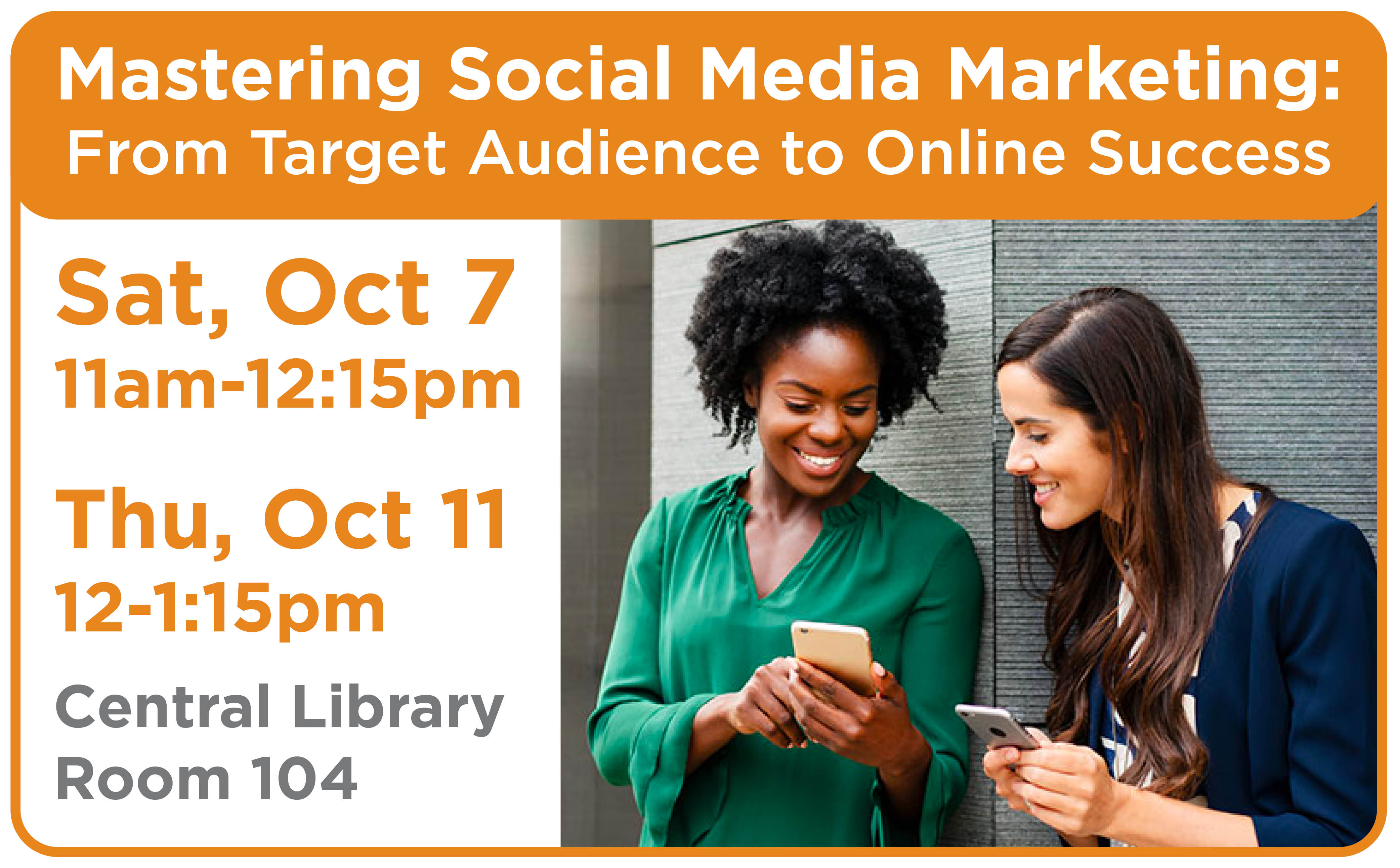
Workshop: Hands-On Social Media Marketing
Practical Exercises
As brands navigate the complex world of social media marketing, hands-on experience is invaluable. Workshops that focus on practical exercises enable participants to apply theoretical knowledge in real-world scenarios, enhancing their skills and confidence. For instance, a workshop might kick off with an exercise where attendees create a mock social media campaign for a fictitious brand. Participants could:
- Develop Content Calendars : Planning posts in advance helps simulate the consistency needed for successful engagements.
- Design Ad Mockups : Using tools like Canva, participants can create visuals that align with branding strategies discussed earlier.
- Role-play Engagement Scenarios : By simulating responses to customer inquiries or comments, participants can practice handling real-life social media interactions.
These practical activities not only allow attendees to explore their creativity but also encourage collaboration and idea exchange among peers.
Feedback and Improvement Opportunities
Following the practical exercises, a feedback session is critical. Constructive criticism from peers and facilitators helps participants identify strengths and areas needing improvement. For example, a group might review each other’s ad designs and discuss what elements effectively grab attention or where they could enhance clarity.
Key components of feedback and improvement opportunities include:
- Peer Reviews : Participants can provide insights based on their varied experiences, enriching the learning process.
- Suggested Resources : Facilitators can share articles, videos, and tools for further exploration of strategies that worked well during the exercises.
- Action Plans : Encourage participants to create personalized improvement plans based on the feedback received, ensuring ongoing growth after the workshop.
By engaging in practical exercises and emphasizing feedback, a hands-on workshop can significantly enrich participants’ understanding and application of social media marketing techniques.