
Introduction
Overview of Social Media Marketing
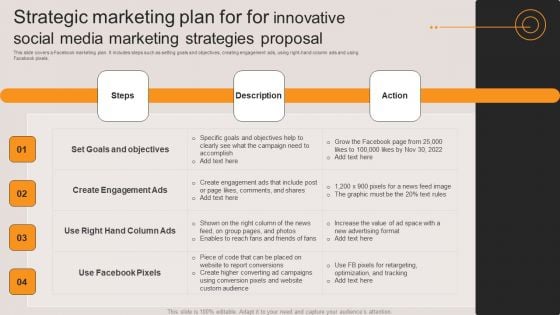
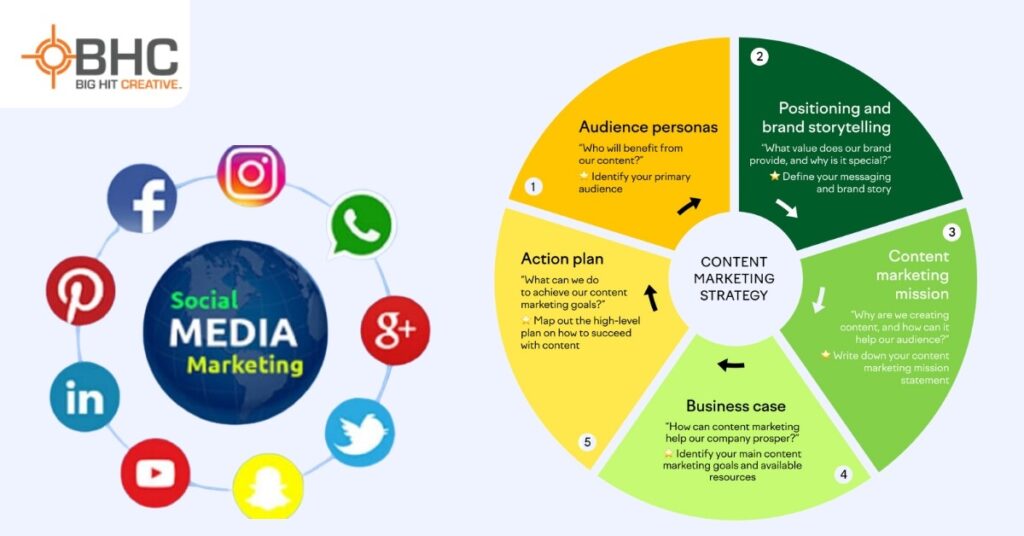
Social media marketing has emerged as an essential aspect of modern business strategy. It encompasses all efforts to promote products and services on various social media platforms, aiming to connect with target audiences through engaging content. As a business owner, one cannot overlook the vast potential of platforms like Facebook, Instagram, Twitter, and LinkedIn.
For example, consider a local café that began sharing delectable images of its menu items on Instagram. This simple action dramatically boosted foot traffic and helped create a community of loyal customers.
In essence, social media marketing allows businesses to:
- Reach wider audiences
- Foster customer relationships
- Increase brand awareness
Importance of Innovative Strategies
In a constantly evolving digital landscape, relying on traditional marketing strategies is no longer sufficient. Innovative strategies are crucial for capturing attention and ensuring sustainability in today’s competitive market.
Businesses must think outside the box to stand out. This could mean:
- Using interactive polls and quizzes
- Engaging storytelling through video content
- Implementing user-generated content campaigns
By incorporating fresh approaches, brands can not only elevate their visibility but also retain consumer interest. For instance, a small online boutique might run a weekly Instagram Live session showcasing new arrivals, engaging viewers with real-time interactions.
Ultimately, the key to success in social media marketing lies in innovation and adaptability.
Understanding the Asheville, NC Market
Demographics and Trends
To craft a successful social media marketing strategy, understanding the local market is paramount, particularly in a vibrant community like Asheville, NC. The city is known for its eclectic blend of artsy culture, outdoor activities, and sustainable living.
Asheville’s demographics reveal a multifaceted audience:
- Age Groups : A mix of young adults (25-34) and families (35-54) with increasing interest from retirees looking for a peaceful yet active lifestyle.
- Interests : Strong preferences for local art, craft breweries, outdoor recreation, and organic foods.
For example, a local artisan shop might thrive by showcasing handmade crafts that appeal to both young adults seeking unique gifts and families interested in supporting local businesses. Observing these trends can guide powerful marketing efforts that resonate with the community’s values.
Competitor Analysis
Analyzing competitors in Asheville helps identify gaps and opportunities within the market. Businesses that excel often share common attributes. Here are some points to consider:
- Engagement : Competitors that actively engage with customers through interactive posts tend to have higher followership.
- Content Variety : Offering diverse content, from behind-the-scenes clips to customer testimonials, keeps audiences entertained and informed.
For instance, a nearby coffee shop may host weekly events featuring local musicians, drawing crowds and fostering a sense of community while establishing their brand as a cultural hub. This strategic positioning allows businesses to not only compete but also thrive in Asheville’s dynamic market landscape.

Leveraging Visual Content
The Power of Storytelling
In today’s digital age, visual content is more powerful than ever, especially when intertwined with storytelling. By sharing relatable stories, brands can connect emotionally with their audience, creating memorable experiences.
Imagine a local brewery in Asheville sharing the story behind its craft beer. They could spotlight a passionate brewer, discussing their inspiration, the challenges faced, and the joy of creating the perfect brew. This type of narrative not only showcases the product but also humanizes the brand, fostering stronger connections with customers.
To effectively leverage storytelling, consider these elements:
- Relatability : Tap into common emotions or experiences.
- Authenticity : Share genuine stories that reflect real journeys or encounters.
- Visual Elements : Use images that evoke feelings, such as vibrant photos or heartfelt videos.
Creating Engaging Videos
Video content has become a cornerstone of successful marketing strategies, and for good reason. Statistics show that video can increase engagement significantly compared to static posts. Engaging videos draw viewers in and keep them interested for longer.
A practical approach for a local business could be:
- Behind-the-Scenes Videos : Show how products are made or highlight daily operations.
- Customer Testimonials : Capture the experience of satisfied customers sharing their opinions on products or services.
- Live Demos : Showcase products in action to provide consumers with a real feel for what they are purchasing.
For instance, a mountain gear shop could create short videos demonstrating outdoor gear in use during a rock-climbing expedition. This not only shows the product but also inspires viewers to embark on their own adventures. With the right visual storytelling and engaging video content, brands can significantly elevate their presence and engage authentically with their audience.
Building an Authentic Brand Presence
Connecting with the Local Community
To cultivate a strong and authentic brand presence, businesses must first establish meaningful connections with their local community. In a place like Asheville, where community spirit thrives, brands can benefit immensely by engaging with residents and local initiatives.
For example, consider a local restaurant that frequently partners with nearby farms for fresh ingredients. By showcasing these partnerships on social media and inviting local farmers to collaborate on special events, they not only highlight their commitment to sustainability but also foster goodwill among their patrons.
To enhance community connection, here are some strategies:
- Participate in Local Events : Whether it’s sponsorships or booths at farmer’s markets, being present at community gatherings amplifies visibility.
- Collaborate with Other Local Businesses : Building alliances with nearby shops can lead to cross-promotional opportunities that benefit everyone.
- Support Local Causes : Donating a portion of profits to local charities can showcase a dedication to community well-being.
User-generated Content
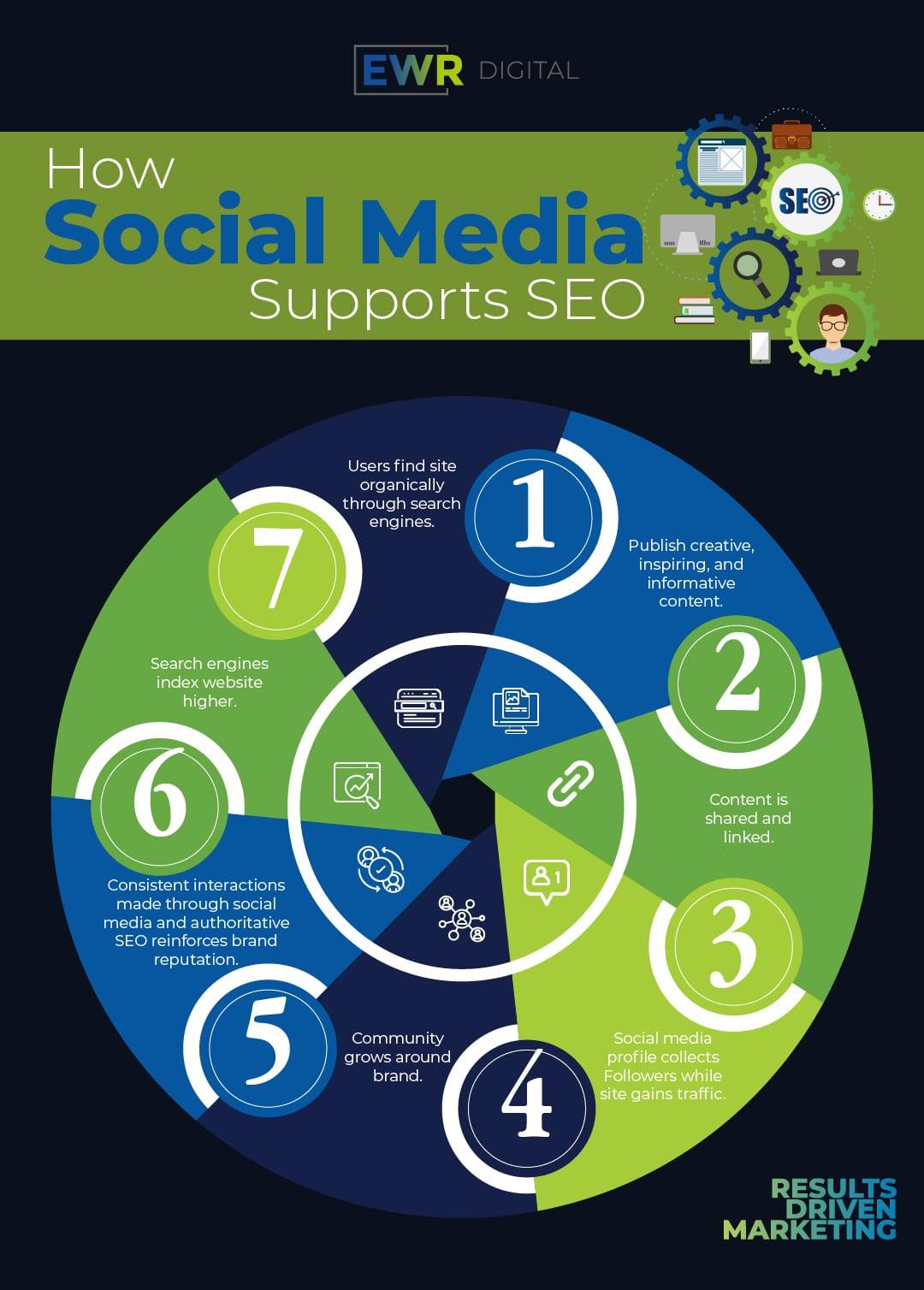
User-generated content (UGC) is another powerful tool for building an authentic brand presence. By encouraging customers to share their experiences, businesses can create a wealth of authentic content that resonates deeply with potential customers.
For example, a local coffee shop might run a campaign inviting patrons to post photos of their favorite cups of coffee with a specific hashtag. This not only increases engagement but also provides the café with genuine testimonials and vibrant images that can be shared across platforms.
Tips for maximizing UGC include:
- Create a Branded Hashtag : Encourage customers to use your hashtag to easily find and share content.
- Feature Customers : Regularly highlight user-generated posts on your social media, creating a sense of community.
- Run Contests : Incentivize sharing by offering prizes for the best post featuring your product.
By integrating community connection and user-generated content, brands can foster a more authentic presence that truly resonates with their audience.

Utilizing Data Analytics
Tracking and Measuring Performance
After successfully building an authentic brand presence, the next step is to utilize data analytics to track and measure performance. This aspect of social media marketing is essential for understanding what’s working and what needs adjustment.
Analytics tools, such as Google Analytics, Facebook Insights, and Instagram Insights, provide valuable insights into audience behavior. For instance, a local art gallery could analyze which posts garnered the most engagement—was it images of new art pieces or behind-the-scenes content?
To effectively track and measure performance, consider these strategies:
- Set Clear Goals : Determine what success looks like—likes, shares, comments, or website traffic.
- Regularly Review Analytics : Schedule monthly or quarterly check-ins to see how strategies are performing.
- Adjust Content Based on Data : Use insights to refine your content strategy. If video content drives more engagement, consider increasing video posts.
Targeting the Right Audience
Once brands understand their performance metrics, they can focus on targeting the right audience. This ensures marketing efforts are more effective and yield better results.
For example, a local outdoor gear store can use demographic data to find that most of their customers are young adults who enjoy hiking. With this knowledge, the store can tailor its marketing campaigns to highlight products pertinent to these interests, such as gear for day hikes or weekend camping trips.
To effectively target the right audience, implement these techniques:
- Utilize Audience Insights : Analyze your current customer base to gain insight into their preferences and behaviors.
- Create Customer Segments : Group your audience based on demographics, interests, and behavior for personalized marketing.
- Test Different Audiences : Experiment with various audience segments in advertising campaigns to identify which groups respond best.
By leveraging data analytics in both tracking performance and refining audience targeting, businesses can create more impactful marketing strategies that resonate with their target market.
Collaborating with Local Influencers
Identifying Key Influencers
As businesses aim to expand their reach and bolster engagement, collaborating with local influencers can be a game-changer. Influencers already have established credibility and a loyal following, which makes them valuable allies in authentically showcasing products or services.
To start, businesses need to identify the right influencers who align with their brand values and target audience. For example, an eco-friendly clothing store in Asheville can look for influencers who are passionate about sustainability and have a genuine connection to the community. Here’s how to find key influencers:
- Use Social Media Platforms : Search relevant hashtags (#AshevilleFoodie, #AVLStyle) to discover local voices active in your niche.
- Engagement Metrics : Look for influencers with high engagement rates rather than just follower counts. Quality of interaction often trumps quantity.
- Check Authenticity : Evaluate potential influencers’ content for authenticity and alignment with your brand values.
Developing Partnerships
Once key influencers have been identified, the next step is developing mutually beneficial partnerships. Authentic collaboration can enhance brand visibility while providing influencers with engaging content to share with their audience.
For instance, the eco-friendly clothing store could invite an influencer to host a pop-up event at their location, featuring locally sourced refreshments and a fashion show. Here are a few tips for developing successful partnerships:
- Be Clear About Expectations : Set clear goals and expectations, such as the number of posts or stories to be shared.
- Offer Value : Provide influencers with exclusive products, discounts, or experiences to share with their followers.
- Foster Relationships : Nurture ongoing relationships beyond a single campaign. Regular check-ins and engagement on their content can lead to long-term partnerships.
By collaborating strategically with local influencers, businesses can enhance their credibility, reach new audiences, and create authentic connections within their community.

Live Streaming and Interactive Campaigns
Hosting Live Events
In an age where digital interactions often overshadow face-to-face encounters, hosting live streaming events offers a unique opportunity for brands to connect meaningfully with their audience. This format not only allows businesses to showcase their products but also fosters genuine interaction and immediate feedback.
Consider a local bakery in Asheville that hosts weekly live baking sessions on Instagram. During these events, the owner demonstrates how to create popular pastries while answering questions in real time. This interactive experience provides value to viewers and encourages them to visit the bakery to try the creations for themselves.
To host successful live events, keep these tips in mind:
- Choose the Right Platform : Select platforms where your audience is most active, such as Facebook Live or Instagram Live.
- Promote Ahead of Time : Use social media and email newsletters to announce the event, generating excitement and anticipation.
- Engage with Viewers : Encourage comments and questions during the live stream to foster interaction and make viewers feel valued.
Engaging with Followers
To truly make the most out of live streaming, engaging with followers during and after the event is essential. This creates a sense of community and connection that builds brand loyalty.
For instance, during a live event, the bakery could invite users to share their own baking attempts using a branded hashtag. This not only promotes user-generated content but also encourages participation.
Here are some effective engagement strategies:
- Incorporate Polls and Q&A Sessions : Allow followers to ask questions or vote on upcoming products or flavors.
- Follow Up Post-Event : After the live stream, share highlights and encourage viewers to engage with any available content, such as recipes or tips shared during the session.
- Create a Feedback Loop : Invite viewers to share their experiences and suggestions, so they feel like an integral part of the brand’s journey.
By embracing live streaming and ensuring meaningful engagement, businesses can create memorable experiences that resonate with their followers and enhance brand loyalty.
Leveraging Emerging Platforms
TikTok and Snapchat Marketing
In the fast-paced world of social media, emerging platforms like TikTok and Snapchat offer exciting opportunities for brands to connect with younger audiences. These platforms allow for creative content that often goes viral, making them invaluable for businesses looking to expand their reach.
For instance, a local smoothie shop in Asheville could create fun, engaging TikTok videos showcasing vibrant smoothie recipes or quirky challenges, such as “Create Your Smoothie Challenge” where customers blend unusual ingredients. By using trending sounds and hashtags, the shop can tap into a larger audience that enjoys fun and dynamic content.
To effectively market on these platforms, consider:
- Short, Catchy Content : Keep videos quick and impactful to grab attention immediately.
- Trendy Hashtags : Leverage trending challenges or hashtags to increase visibility.
- Authenticity : Showcase your brand’s personality and story—that’s what resonates most with users.
Incorporating Augmented Reality
Another revolutionary way to engage audiences is through Augmented Reality (AR). Incorporating AR into marketing strategies can lead to unique experiences that capture attention and enhance brand interaction.
For example, a local jewelry store could implement an AR feature on its website or social media that allows users to virtually try on pieces. This immersive experience not only boosts engagement but also simplifies the purchasing decision for customers.
To effectively incorporate AR, keep these points in mind:
- User Experience : Ensure the AR interface is user-friendly and intuitive.
- Promotional Campaigns : Use AR features in conjunction with promotions or events to maximize excitement.
- Feedback Collection : Encourage users to share their AR experiences, creating a sense of community and interaction.
By leveraging platforms like TikTok and Snapchat and embracing Augmented Reality, brands can attract new audiences and keep existing customers engaged through innovative and interactive marketing strategies.
Integrating E-commerce Strategies
Direct Selling on Social Media
As businesses continue to explore innovative ways to reach consumers, integrating e-commerce strategies into social media is essential. Direct selling on platforms like Instagram and Facebook allows brands to connect instantly with potential buyers, making the purchasing process seamless and engaging.
For example, a local artisanal cheese shop might host a live tasting event on Instagram, showcasing their range of cheeses. Viewers can ask questions in real time and easily purchase their favorites directly through links provided during the event. This not only drives immediate sales but fosters a sense of community and connection with the audience.
To effectively leverage direct selling, consider the following tips:
- Utilize Live Streaming : Host engaging live events where products can be demonstrated and sold instantly.
- Offer Exclusive Promotions : Create ‘social-only’ promotions to encourage purchasing decisions during the event.
- Engage with Your Audience : Respond to comments and questions in real-time to encourage direct interaction.
Implementing Shoppable Posts
In addition to direct selling, shoppable posts provide a fantastic way for brands to market products on social media platforms. These posts allow users to click directly on product images to view prices and make purchases without leaving the app.
Imagine a local boutique. By tagging products in their Instagram photos, customers can easily shop the looks they love right from their feed. An example could be a stylish fall outfit: followers can click on each item within the post to purchase seamlessly.
To implement effective shoppable posts:
- High-Quality Images : Use visually appealing images to make the products truly stand out.
- Strategic Tagging : Tag products in lifestyle images to provide context and inspire viewers.
- Consistency is Key : Keep posting regularly and update product availability to maintain customer interest.
By integrating e-commerce strategies like direct selling and shoppable posts, businesses can enhance their online presence, streamline the purchasing process, and ultimately drive sales through social media platforms.

Beyond Social Media: Email and SMS Marketing
Building a Holistic Marketing Strategy
While social media plays a significant role in modern marketing, incorporating email and SMS marketing strategies can create a more comprehensive marketing approach. A holistic marketing strategy ensures that brands reach their audience through multiple touchpoints, boosting engagement and conversion rates.
For example, an Asheville-based outdoor store could use social media to promote a new line of hiking gear, while simultaneously sending an email newsletter detailing the benefits of the products and offering an exclusive discount. This multi-faceted approach keeps customers informed and engaged across different channels.
To build an effective holistic marketing strategy, consider these key components:
- Consistency Across Channels : Maintain a unified brand voice and messaging across social media, email, and SMS.
- Integrated Campaigns : Run simultaneous campaigns that complement each other, like a social media push leading to an email follow-up.
- Data-Driven Insights : Use analytics from all channels to refine strategies based on what resonates with your audience.
Personalizing Communication Channels
Personalization is the cornerstone of successful email and SMS marketing. Tailoring messages to individual customer preferences not only enhances user experience but also increases conversion rates.
For instance, a local coffee shop could analyze purchase history and send personalized SMS messages offering a discount on a customer’s favorite beverage. Alternatively, an email could be sent out on their birthday with a special offer, making the customer feel valued.
To effectively personalize communication channels:
- Segment Your Audience : Group customers based on behaviors, preferences, or demographics to tailor messaging.
- Craft Targeted Content : Use personalized subject lines and content that speaks directly to the interests of different segments.
- Invite Feedback : Encourage responses through polls or surveys to better understand customer preferences and improve future communications.
By integrating email and SMS marketing into a holistic strategy and personalizing the messaging, businesses can create deeper connections with their audience, leading to stronger customer loyalty and increased sales.