

Introduction
Importance of Social Media Marketing
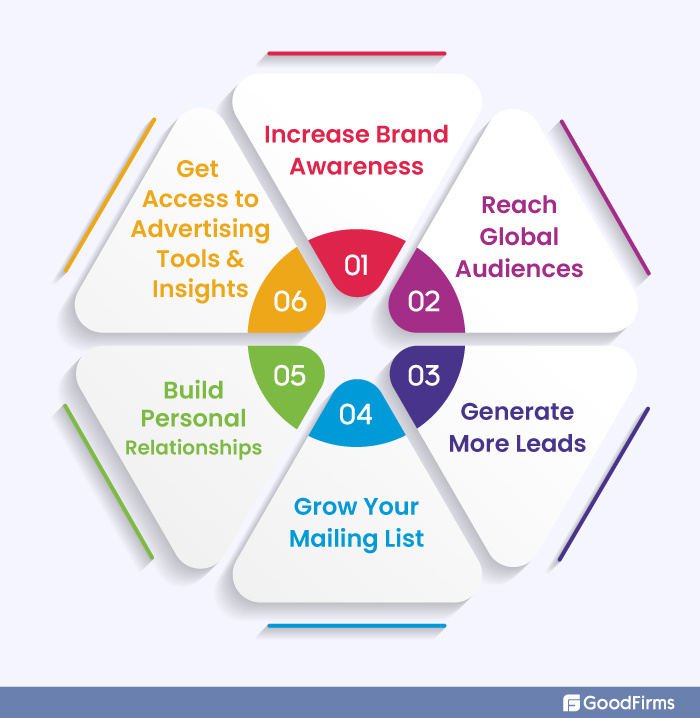
In today’s digital age, social media marketing has become an indispensable tool for businesses aiming to boost their online presence. It’s not just about posting pretty pictures; it’s about creating meaningful connections with potential customers.
- Brand Awareness : Social media allows brands to reach millions in a matter of moments, enhancing visibility and engagement.
- Customer Interaction : Brands can communicate directly with their audience, building loyal relationships.
- Targeted Advertising : Platforms like Facebook and Instagram allow businesses to target specific demographics, optimizing their marketing spend.
By leveraging these tools, businesses not only expand their reach but also foster community.
Overview of Orlando, FL
Orlando, Florida, is more than just a tourist hotspot; it’s a growing hub for commercial activity. Known for its world-renowned theme parks and vibrant nightlife, Orlando offers a unique playground for businesses aiming to tap into a diverse demographic.
With an influx of visitors and a thriving local population, companies in Orlando can greatly benefit from effective social media marketing strategies. The key is to balance local marketing with global reach:
- Population Diversity : Catering to a multicultural audience can provide unique selling opportunities.
- Local Events : Tying marketing efforts to local festivities can enhance engagement.
By understanding both the importance of social media marketing and the unique characteristics of Orlando, businesses can tailor their strategies to create impactful connections.

Understanding Your Target Audience
Analyzing Demographics
Once a business recognizes the importance of social media marketing, the next step is understanding its target audience. Analyzing demographics is crucial. Knowing who you’re speaking to guides every aspect of your marketing strategy.
Consider basic demographic factors such as:
- Age : Tailoring content for various age groups can increase engagement.
- Gender : Certain products may appeal more to one gender than another.
- Location : Understanding local preferences can improve marketing effectiveness, especially in a vibrant city like Orlando.
For instance, a local café may find that younger audiences are more active on Instagram, while professionals may prefer LinkedIn. This insight helps businesses customize their content for maximum impact.
Identifying Consumer Behavior
Understanding consumer behavior takes this analysis a step further. Observing how your audience interacts with your brand—what they like, share, or even comment on—can provide invaluable insight into their preferences.
Key aspects of consumer behavior include:
- Buying Patterns : When do customers purchase your products? Are they more active during holidays?
- Content Engagement : What type of posts get the most interaction? Videos, blog posts, or images?
By actively monitoring these behaviors, businesses can refine their strategies and boost engagement. For example, if a particular campaign resonates, doubling down on that type of content could lead to increased sales and loyalty. Understanding your audience isn’t just useful; it’s essential for effective social media marketing!
Crafting Engaging Content
Visuals and Multimedia
Now that businesses have a solid grasp on their target audience, the next step is to craft engaging content that truly captures attention. The use of visuals and multimedia is essential in today’s digital landscape.
Imagine scrolling through your social media feed; a vibrant image or a captivating video inevitably grabs your attention more than text alone. Consider incorporating:
- High-Quality Images : Clear and striking visuals can elevate your brand’s perceived value.
- Videos : Short, engaging videos are becoming increasingly popular, especially on platforms like Instagram and TikTok.
- Infographics : These combine visuals and information effectively, making complex data more digestible.
For example, a local fitness studio might post a short video demonstrating a workout routine, engaging both existing and potential clients in a fun way.
Call-to-Actions Strategies
Equally important are strategically placed Call-to-Actions (CTAs). Think of CTAs as friendly nudges that encourage your audience to engage further with your brand.
Here are some effective CTA strategies:
- Use Action Words : Verbs like “Join,” “Discover,” or “Get Started” can motivate action.
- Create Urgency : Phrases such as “Limited Time Offer” can push consumers to make quick decisions.
- Incorporate Links : Direct users to your website or a landing page for easy navigation.
By combining compelling visuals with strong CTAs, businesses can significantly enhance engagement and drive results. For instance, a beautiful photo of a dessert paired with “Order Yours Today!” can lead to immediate purchases. Crafting engaging content is not just about creativity; it’s about making connections that convert!
Choosing the Right Social Media Platforms
Overview of Popular Platforms
With engaging content in place, the next logical step is to choose the right social media platforms to amplify your message. Not all platforms are created equal, and each has its unique strengths suited for different audiences.
Here’s a brief overview of some popular platforms:
- Facebook : Great for community engagement and detailed targeting, ideal for businesses looking to build a local presence in Orlando.
- Instagram : Visually driven and perfect for brands with stunning visuals, particularly useful for fashion, food, and lifestyle businesses.
- Twitter : Designed for real-time interaction, excellent for brands wanting to stay active in conversations and trends.
- LinkedIn : The go-to platform for B2B businesses, where professional networking and showcasing expertise can drive leads.
For example, a local restaurant in Orlando might thrive on Instagram with appetizing food photography, while a tech firm may find greater success on LinkedIn.
Tailoring Your Approach
Once the right platforms are chosen, tailoring your approach is essential for each channel.
Consider these strategies:
- Content Style : Adjust the tone and format based on the platform. For instance, Instagram thrives on high-quality visuals, while Twitter suits concise, snappy updates.
- Audience Engagement : Monitor how users interact on each platform. Facebook users might engage more through comments, while Instagram users may prefer liking or sharing.
By customizing your content and interaction style to fit the platform, businesses can enhance their outreach and create a more impactful online presence. Ultimately, the key is to experiment and analyze what resonates best with your audience across various platforms.
Implementing Paid Advertising
Facebook Ads
After establishing a strong social media presence tailored to the right platforms, businesses can supercharge their marketing efforts through paid advertising. Facebook Ads is a powerful tool that allows brands to reach highly specific audiences, making it ideal for targeting potential customers in Orlando and beyond.
When creating Facebook Ads, consider these elements:
- Audience Targeting : Utilize Facebook’s extensive targeting capabilities. You can segment by age, location, interests, and even behaviors to reach your ideal customer.
- Compelling Visuals : Since Facebook is a highly visual platform, incorporate eye-catching images or videos that align with your brand message.
- Engaging Copy : Write concise ad copy that highlights the value of your offerings. Phrases like “Discover Our Exclusive Offer!” can pique interest and drive clicks.
For example, a local boutique might create an ad showcasing a new clothing line with a special promotion, driving foot traffic and online sales.
Instagram Sponsored Posts
Instagram sponsorships are another avenue that businesses should not overlook. Since Instagram is visually driven, sponsored posts can effectively engage users while showcasing products or services innovatively.
Here’s how to make the most of Instagram Sponsored Posts:
- Aesthetic Appeal : Invest in high-quality photos and videos, as the visual nature of Instagram dictates that aesthetics are paramount.
- Stories Format : Use Instagram Stories to create temporary, attention-grabbing ads that encourage users to swipe up to learn more or shop.
- Influencer Collaborations : Partnering with local influencers can enhance authenticity and reach. When a trusted figure promotes your brand, it typically leads to higher engagement.
By utilizing Facebook Ads and Instagram Sponsored Posts strategically, brands can effectively navigate the digital marketplace, ensuring they stay relevant and visible in a competitive landscape. Redirecting resources to targeted paid advertising can yield impressive returns on investment, driving immediate engagement and long-term customer loyalty.
Building Relationships with Influencers
Finding Local Influencers
With the foundations of paid advertising laid down, it’s time to explore the power of influencer marketing. Building relationships with influencers can significantly amplify a brand’s reach, especially in a vibrant market like Orlando. Finding local influencers who resonate with your target audience is key.
Here’s how to identify suitable influencers:
- Social Media Platforms : Use platforms like Instagram and TikTok to find local personalities who align with your brand values.
- Engagement Metrics : Look beyond follower counts. Analyze engagement rates—comments, likes, and shares—to gauge their influence effectively.
- Niche Relevance : Identify influencers in your niche. For a restaurant, collaborating with food bloggers or local lifestyle influencers can yield the best results.
For example, a new café in Orlando could partner with a well-known food influencer to attract new clients through authentic reviews and stunning photos.
Collaborating for Success
Once you’ve found the right influencers, collaboration is the next critical step. A successful partnership combines creativity and mutual benefit.
Consider these collaboration tactics:
- Sponsored Posts : Provide influencers with product samples for genuine reviews posted to their audience.
- Event Hosting : Invite influencers to special events, enabling them to create buzz while enjoying exclusive experiences.
- Content Creation : Work with influencers to generate co-branded content that appeals to both audiences.
A practical example: An influencer could host a live cooking session at a local restaurant, showcasing dishes while engaging with their followers. This not only highlights the restaurant but also creates a fun, interactive experience that draws attention.
By prioritizing local influencers and crafting strategic collaborations, businesses can harness authentic interactions that enhance visibility and credibility within their community. Building these relationships can truly transform a brand’s marketing strategy!
Utilizing Analytics for Optimization
Tracking Key Metrics
As businesses dive deeper into influencer marketing, the importance of utilizing analytics cannot be overstated. To truly understand the impact of your campaigns, it is essential to track key metrics consistently.
Here are some critical metrics to monitor:
- Engagement Rate : Measure likes, comments, and shares on posts to understand what resonates with your audience.
- Reach and Impressions : Evaluate how many people see your content and how frequently. This helps gauge brand visibility.
- Website Traffic : Use referral tracking to see how much traffic influencers bring to your site. Tools like Google Analytics can provide insights on visitors coming from specific social media platforms.
For instance, if a local influencer’s post about a new product generates a significant spike in website visits, it might indicate a successful campaign worth repeating.
Making Data-Driven Decisions
Once key metrics are in hand, it’s vital to make data-driven decisions that refine future strategies.
Consider these approaches:
- A/B Testing : Experiment with different types of content using A/B tests to see which performs better. This could involve testing visuals, headlines, or even posting times.
- Adjusting Strategies : If analytics reveal low engagement on certain platforms, it may be time to rethink your approach or shift resources elsewhere.
- Learning from Trends : Identify patterns in data, such as peak engagement times, to optimize posting schedules effectively.
For example, if data shows that posts with user-generated content lead to higher engagement, businesses might incorporate more customer stories in their content strategy.
By diligently tracking metrics and using insights to inform decisions, businesses can optimize their marketing efforts, ensuring they not only reach their audience but connect with them meaningfully. Analytics isn’t just about numbers—it’s about storytelling that resonates!

Engaging with Your Audience
Responding to Comments and Messages
With an optimized marketing strategy in place, businesses must not overlook the importance of engaging with their audience. Responding to comments and messages creates a two-way conversation that fosters a community around your brand. It shows your audience that you value their input and are attentive to their needs.
Here are some best practices for effective engagement:
- Timeliness : Try to respond quickly to comments and messages. A prompt reply shows you’re active and appreciate their interaction.
- Personalization : Tailor your responses. Using names or acknowledging specific comments can make engagements feel more sincere.
- Encourage Dialogue : Ask follow-up questions to keep the conversation flowing. For instance, if someone comments on a product, you might ask what inspired their choice.
For instance, if a customer shares their experience at your local restaurant, responding with appreciation can encourage them to return and share even more.
Hosting Live Q&A Sessions
Another engaging way to connect with your audience is hosting live Q&A sessions. These interactive events allow customers to engage directly and ask questions in real-time, creating a sense of community.
Consider these tips for a successful live event:
- Promote Ahead of Time : Announce your Q&A in advance across all platforms to build anticipation.
- Choose Relevant Topics : Address subjects your audience is curious about, such as product launches, tips, or industry trends.
- Be Approachable : Maintain a friendly demeanor during the session. Encourage participants to ask any questions, ensuring everyone feels welcome.
For example, a health store might host a live session about nutrition tips and new products, enhancing relationships while showcasing expertise. Live Q&A sessions can not only boost engagement but also establish trust, showing your audience that you’re accessible and ready to provide value. Engaging with customers effectively can turn casual followers into loyal advocates!

Incorporating User-Generated Content
Encouraging Customer Reviews
As businesses continue to engage with their audience, incorporating user-generated content (UGC) becomes essential. UGC not only enhances authenticity but also builds trust among potential customers. One of the most effective ways to gather this content is by encouraging customer reviews.
Here’s how you can stimulate reviews:
- Follow-Up Emails : After a purchase, send a friendly email thanking customers and inviting them to share their experience. A simple request can lead to valuable feedback.
- Incentives : Consider offering discounts or exclusive deals for customers who leave reviews. This encourages participation and shows appreciation.
- Highlight Reviews : Feature positive reviews on your website and social media. This not only acknowledges customers but also inspires others to share their experiences.
For example, a local beauty shop might share a customer’s glowing review about a new product, encouraging others to try it and share their thoughts.
Running User-Generated Campaigns
Taking it a step further, running user-generated campaigns can significantly engage your audience while sourcing authentic content. These campaigns invite customers to create and share content related to your brand, generating enthusiasm and visibility.
Consider these strategies:
- Photo Contests : Organize a contest where customers submit photos using your products with a specific hashtag. This can create a buzz and encourage sharing.
- Themed Campaigns : Launch campaigns around a theme, such as holidays or seasons, and ask customers to post their experiences. For instance, a local café could invite customers to share their favorite seasonal drink.
Running campaigns not only provides a wealth of authentic content for your brand but also creates community around your products. Engaging customers in this way fosters a sense of belonging, making them more likely to promote your brand organically. Ultimately, incorporating UGC can significantly enhance brand loyalty and drive customer engagement!
Collaborating with Local Businesses
Cross-Promotional Opportunities
As businesses look to enhance their marketing strategies, collaborating with local businesses opens the door to numerous cross-promotional opportunities. By partnering with complementary brands, companies can increase visibility and tap into new customer bases without breaking the bank.
Here are some effective cross-promotion ideas:
- Co-Hosted Events : Organize events that bring together both businesses for mutual exposure. For example, a local bakery and florist could host a themed event, featuring pastries and floral arrangements, attracting customers for both.
- Social Media Shoutouts : Create a routine where each business highlights the other on their social media channels. This mutual promotion fosters community spirit while introducing each brand’s audience to the other.
- Bundled Offers : Design exclusive packages combining products or services from both businesses. A gym could partner with a nutrition shop to offer discount packages on fitness classes and healthy meal options.
For instance, imagine a local coffee shop and a bookstore offering a “Book and Brew” deal, enticing customers to enjoy both products.
Coordinated Marketing Efforts
Building on these cross-promotional strategies, coordinating marketing efforts can further maximize reach and impact. By uniting forces, businesses not only share resources but also create a cohesive message that resonates with both audiences.
Consider these coordinated efforts:
- Joint Advertising Campaigns : Pool together for advertising expenses and create eye-catching campaigns. This approach can include everything from flyers to online ads, which effectively target both customer bases.
- Collaborative Content : Produce blog posts, videos, or podcasts that showcase both brands’ expertise. For example, a local fitness studio could collaborate with a health supplement store to create informative content about workout nutrition.
- Shared Loyalty Programs : Launch a loyalty program rewarding customers who engage with both businesses. Points could be earned by shopping at either location, enticing customers to explore new options.
By fostering these collaborative relationships, local businesses can boost their marketing efforts while building a supportive community. Ultimately, cooperation can lead to shared success—enhancing brand presence and increasing customer loyalty across the board!