
Understanding the Basics of Social Media Marketing
Definition and Importance of Social Media Marketing
Social media marketing (SMM) is the practice of promoting products or services through various social media platforms. It involves engaging with current and potential customers in a conversational and interactive manner while building a brand’s online presence.
Why is SMM so crucial in today’s digital landscape? The answer is simple – the majority of consumers are active on social media. According to recent data, over 4.5 billion people use social media globally. This staggering number creates a treasure trove of opportunities for businesses to reach their target audience.
Personal experience also validates this point. A small local coffee shop, for instance, utilized Instagram to share aesthetic images of its drinks and freshly baked pastries. Within months, their engagement skyrocketed, leading to increased foot traffic and sales. This tangible result highlights how effective social media marketing can be when executed properly.
But beyond just reaching consumers, SMM fosters brand loyalty and enhances customer service. When a brand actively engages with its audience through comments, messages, and posts, it demonstrates that it values customer opinion and feedback, cultivating a loyal community around the brand.
Key Social Media Platforms for Businesses
Identifying the right platforms for your target audience is vital to maximizing the effectiveness of your social media marketing efforts. Here are some key players in the social media landscape:
- Facebook : With nearly 3 billion users, Facebook remains a giant in the social media world. It’s suitable for businesses aiming to reach a diverse demographic. The platform’s robust ad targeting capabilities allow businesses to tailor their campaigns effectively.
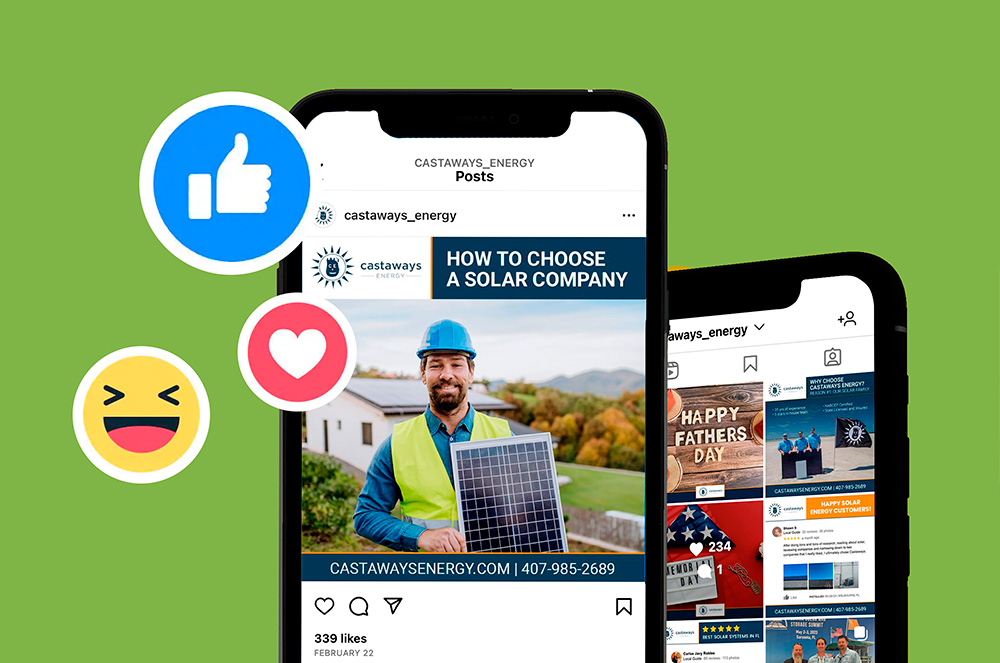
- Instagram : A visually-driven platform ideal for brands that sell products, especially in fashion, food, and travel. Instagram appeals to younger audiences, making it a perfect choice for businesses wanting to connect with millennials and Gen Z.
- Twitter : Known for its real-time engagement, Twitter is excellent for sharing news, updates, and customer interactions. It’s popular among businesses focusing on customer service and brand transparency.
- LinkedIn : As a professional networking site, LinkedIn is essential for B2B companies looking to connect with industry professionals and generate leads. It allows businesses to showcase expertise through articles and posts.
- TikTok : Rapidly gaining popularity, TikTok is perfect for creatively promoting products via short video content. It’s an excellent platform for brands wanting to engage the younger, trendier demographic.
In conclusion, understanding social media marketing and its importance is foundational for businesses today. Choosing the right platforms is equally crucial, as it determines how effectively a company can reach and engage its audience. The digital landscape is ever-evolving, and staying ahead of the curve in social media can set the stage for success.
Setting Clear Marketing Goals
Establishing Objectives and KPIs
As the foundation for any successful social media marketing strategy, setting clear marketing goals is indispensable. Goals provide direction and serve as benchmarks for measuring success. They ensure that a business’s efforts align with its broader vision and helps to drive meaningful engagement.
When establishing these objectives, it’s beneficial to make them SMART – Specific, Measurable, Achievable, Relevant, and Time-bound. Let’s break that down a bit:
- Specific : Instead of saying “increase sales,” state a specific target like “increase sales by 20%.”
- Measurable : Implement key performance indicators (KPIs) to gauge your progress. For example, you could track engagement rates or the number of conversions.
- Achievable : Ensure your goals are realistic. Aiming for a 300% growth in six months may set you up for failure.
- Relevant : Align your goals with your business objectives. If brand awareness is your priority, social media reach should be part of your goal.
- Time-bound : Set a deadline. Whether it’s a monthly campaign or an annual overview, timelines help create urgency.
For example, a local boutique might set a goal to increase its Instagram followers by 1,000 within three months, while also aiming to raise website traffic by 30%. These specific objectives not only guide content creation but also provide a yardstick for measuring success through KPIs like follower growth and referral traffic.
Target Audience Identification
Once clear goals are established, the next pivotal step is identifying the target audience. Understanding who your audience is and what they like will dictate the entire marketing strategy.
Here are a few steps to effectively identify and understand your target audience:
- Create Customer Personas : Develop detailed profiles that represent your ideal customers. Include demographics such as age, gender, location, interests, and pain points. For instance, if you own a fitness brand, your personas may include fitness enthusiasts aged 18-30 who frequent social media for workout tips.
- Utilize Analytics : Leverage tools like Google Analytics and social media insights to gather data about your existing audience. These tools can reveal crucial information, such as which demographics engage most with your content.
- Survey Your Customers : Consider sending out surveys or questionnaires to gather direct feedback. Questions might include what content they enjoy, their preferred platforms, and what motivates them to engage.
- Monitor Competitors : Analyze your competitors to uncover their target demographics and content strategies. This can provide invaluable insights into audience expectations and preferences.
- Engage with Your Audience : Actively interact with your audience through comments and messages. Understanding their concerns and interests can refine your targeting and enhance your engagement strategies.
In essence, clearly defining marketing objectives paired with a precise understanding of the target audience lays the groundwork for a successful social media strategy. These elements not only guide content creation but also illuminate the path to achieving meaningful interactions and measurable results. As businesses navigate the competitive social media landscape, these foundational aspects become indispensable for guiding their marketing journey.
Creating a Strong Social Media Strategy
Content Planning and Curation
With clear marketing goals and a well-defined target audience, the next step in developing an effective social media strategy is content planning and curation. This stage is essential because the type and quality of content shared can significantly impact audience engagement and overall brand perception.
To kick off your content planning, consider the following steps:
- Define Your Content Pillars : Establish core themes that resonate with your audience. These pillars should align with your brand and marketing objectives. For instance, a wellness brand might focus on content related to nutrition tips, workout tutorials, and mental health resources.
- Create a Content Calendar : A content calendar serves as a roadmap for your posts. It helps in organizing when and where to share each piece of content. A well-planned calendar can include various formats like images, videos, blog links, and stories, ensuring diverse content throughout the week or month.
Week Monday Wednesday Friday 1 Instagram Post Blog Update Facebook Live 2 Video Tutorial Poll on Stories IGTV Q&A 3 Infographic Customer Feature Announcement Post - Curate Quality Content : Besides creating original content, consider curating relevant posts from other creators or brands. This not only provides value to your audience but also positions your brand as a knowledgeable source within your industry. Just remember to credit sources appropriately!
- Utilize Visuals : Eye-catching images, infographics, and videos tend to perform better on social media than plain text. Investing time in creating high-quality visuals can make a significant difference in engagement rates.
A local restaurant, for example, could showcase seasonal dishes by sharing beautifully shot images and behind-the-scenes footage of its kitchen, drawing customers in via social media.
Implementing Engagement Tactics
Once the content is planned and curated, the next crucial element is implementing engagement tactics. Effective engagement transforms a passive audience into an active community, which is essential for long-term success in social media marketing.
Here are some practical strategies to enhance engagement:
- Ask Questions : Encourage interaction by posing questions in your posts. This could be as simple as “What’s your favorite dish in the menu?” or “How do you keep your fitness goals on track?” Asking questions invites your audience to comment, creating conversation and boosting visibility.
- Utilize Hashtags Wisely : Research relevant hashtags that your audience follows. This not only increases the reach of your posts but can also encourage user-generated content when people see and engage with their favorite topics or trends.
- Host Contests and Giveaways : These are fantastic ways to generate excitement and interaction. Asking users to follow your page, share a post, or tag friends in exchange for a chance to win a prize can increase both followers and engagement rates.
- Go Live : Live videos create urgency and offer real-time engagement opportunities. Brands can host Q&A sessions, tutorials, or even behind-the-scenes glimpses, encouraging spontaneous interactions with the audience.
- Respond Promptly : Regularly monitor comments and messages. Quick responses show that you value your audience’s input, fostering a more personal connection with them.
In conclusion, creating a strong social media strategy hinges on meticulous content planning and proactive engagement tactics. By prioritizing these elements, businesses can cultivate a vibrant and interactive community that not only supports their marketing goals but also strengthens their brand’s online presence in an increasingly competitive digital world.

Utilizing Paid Advertising for Maximum Reach
Facebook Ads and Instagram Promotions
As businesses look to amplify their social media strategies, embracing paid advertising becomes vital for maximizing reach. Platforms like Facebook and Instagram not only have billions of active users but also sophisticated ad systems that allow companies to target very specific audiences with carefully crafted messages.
Facebook Ads : Facebook Ads offer marketers a powerful way to connect with their desired demographic. From targeting based on interests, geography, and even past behaviors, the options are plentiful. Here’s how to make the most of Facebook Ads:
- Define Objectives : Before diving into ads, it’s essential to clarify your goals. Are you aiming to increase brand awareness, generate leads, or boost sales? Each objective requires a different approach to ad design and targeting.
- Utilize Eye-catching Visuals : Ad images and videos should be visually appealing and immediately convey your brand message. A vibrant image or short, engaging video can dramatically increase click-through rates.
- Test Different Formats : Facebook offers various ad formats, including carousels, slideshows, stories, and video ads. Experiment with multiple formats to see which resonates best with your audience.
Instagram Promotions : Given that Instagram is a visual-first platform, using it for promotions can drive significant engagement. Here are some key tactics:
- Leverage Instagram Stories : Consider promoting posts through Instagram Stories, which allow brands to reach users who may not follow them. Stories have the added benefit of being temporary, creating a sense of urgency.
- Use Shopping Tags : If applicable, utilize shoppable posts to allow users to buy directly from your images. This feature can streamline the shopping experience and increase conversion rates.
- Create Engaging Captions : Effective engagement on Instagram often hinges on well-crafted captions. Ask questions or encourage users to share their experiences related to your post.
From experience, when a local boutique began promoting its seasonal sales through targeted Facebook ads and Instagram promotions, they saw a notable increase in foot traffic and online orders. The measurable success attributed to precise audience targeting and engaging visuals cemented the importance of paid advertising.
Best Practices for Boosting Posts
While paid advertising can significantly extend your reach, boosting posts effectively requires adhering to best practices to maximize impact. Here are ways to ensure your boosted posts truly resonate:
- Identify High-Performing Content : Rather than boosting random posts, analyze which content performed well organically. Focus on posts with higher engagement rates—they are likely to yield even better results with added reach.
- Set a Clear Budget : Define how much you’re willing to spend on each boosted post. Start small to gauge effectiveness, and adjust accordingly based on performance insights.
- Select the Right Audience : Don’t simply target everyone. Use Facebook and Instagram’s targeting options to reach specific demographics, such as age, location, and interests. Tailored audiences lead to higher engagement and conversion rates.
- Monitor and Adjust : After boosting a post, regularly check its performance metrics. Are people clicking through? Is engagement high? Use these insights to adjust your strategy and improve future boosts.
- Experiment with Timing : Test different days and hours for boosting posts. Some audiences respond better during weekdays, while others might engage more on weekends.
In conclusion, leveraging paid advertising through Facebook and Instagram, alongside implementing best practices for boosting posts, can significantly enhance a brand’s reach and engagement. As social media continues to evolve, these strategies will become increasingly essential for businesses looking to remain competitive and visible in a crowded digital landscape.

Analyzing and Optimizing Campaign Performance
Monitoring Metrics and Analytics Tools
Once businesses have launched their paid advertising campaigns, the next critical step is analyzing and optimizing campaign performance. Monitoring metrics is essential for understanding what works and what doesn’t, allowing marketers to make informed decisions.
To begin with, several key performance indicators (KPIs) should be regularly tracked:
- Engagement Rate : This includes likes, shares, comments, and clicks on posts. A high engagement rate indicates that the audience resonates with the content.
- Click-Through Rate (CTR) : This metric tells how many users clicked on your ad after seeing it. A low CTR might suggest that the ad needs more engaging visuals or better targeting.
- Conversion Rate : Ultimately, tracking how many users complete a desired action—like making a purchase or signing up for a newsletter—is crucial. This metric measures the effectiveness of your advertising strategy.
To analyze these metrics efficiently, leveraging analytics tools is invaluable. Platforms like Google Analytics and Facebook Insights provide detailed reports and visualizations that help businesses understand user behavior. For instance, Google Analytics can track how users navigate from social media to a website, allowing businesses to pinpoint successful traffic sources and areas for improvement.
From a personal experience perspective, a nonprofit organization I supported used Facebook Insights to track engagement on their campaign for donations. By analyzing metrics weekly, they identified that posts featuring stories of beneficiaries achieved significantly better engagement than generic promotional posts. This insight allowed them to refine their content strategy effectively.
A/B Testing Strategies for Improved Results
Another powerful method for optimizing campaign performance is through A/B testing strategies. This technique involves creating two versions of a campaign element—like an ad, landing page, or email—and comparing their performance to determine which one drives better results.
Here are some steps to effectively implement A/B testing:
- Define Your Goal : What do you want to achieve with the test? Whether it’s increasing the CTR or conversion rate, having a clear objective will better guide your test parameters.
- Identify the Variable : Choose a single element to test, such as the call-to-action (CTA), image, or headline. For example, if testing ad formats, one version could use an image ad, while the other uses a video ad.
- Split Your Audience : Randomly divide your audience to ensure each group is exposed to only one version of your ad. This minimizes external factors and provides a clearer picture of performance.
- Analyze Results : After collecting sufficient data, look at the performance metrics to see which version performed better. Make sure you allow enough time for the test to gather reliable results.
- Implement Findings : Once the winner is decided, use the insights from the test to refine your overall strategy and apply successful elements to future campaigns.
For instance, a retail brand I once advised tested two different ad headlines: “30% Off Spring Sale!” versus “Exclusive Spring Discounts Inside!” They found that the latter resonated more with audiences, leading to a higher CTR. This simple adjustment significantly improved their overall campaign performance.
In conclusion, analyzing and optimizing campaign performance through diligent monitoring of metrics and effective A/B testing strategies is crucial for any social media marketing initiative. By understanding performance and making data-driven decisions, businesses can fine-tune their strategies to maximize reach, engagement, and ultimately conversions in a competitive landscape.