
Introduction to Social Media Marketing
Understanding the Basics
Social media marketing has become a cornerstone of business success in today’s digital age. At its core, this marketing strategy leverages various social media platforms to connect with your target audience. Many businesses, from small startups to well-established corporations, have recognized the necessity of a solid online presence.
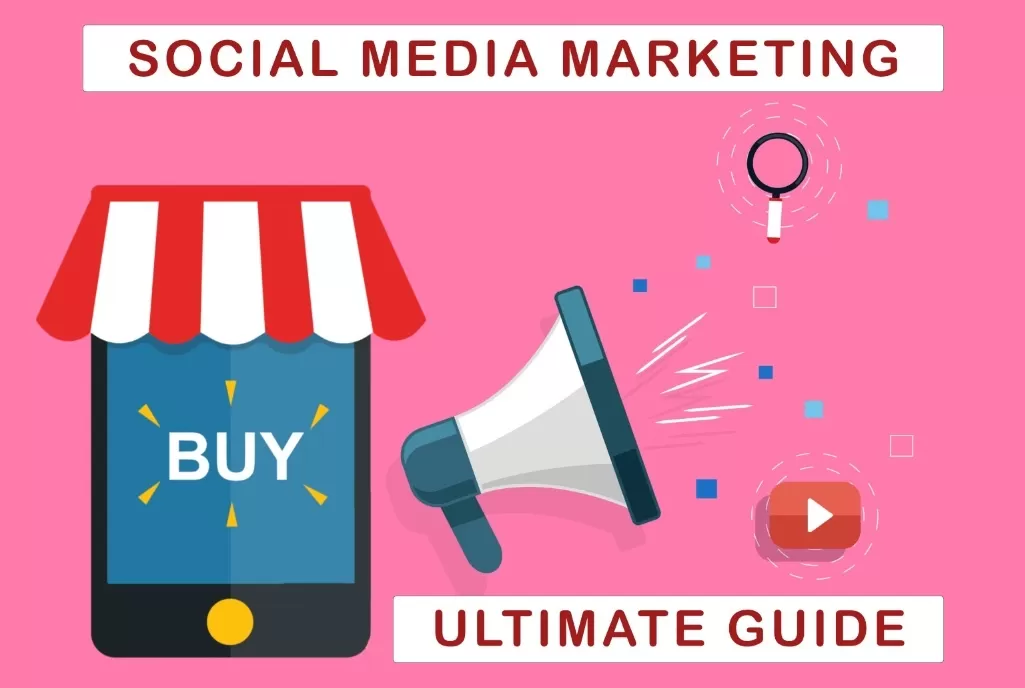
Think of social media as a marketplace bustling with conversations and engagement. Just like a physical store attractively displays its products, businesses must curate their online profiles to garner attention.
Key elements of social media marketing include:
- Content creation : Engaging posts, eye-catching visuals, and compelling videos.
- Channel selection : Choosing the right platforms based on audience preferences.
- Audience interaction : Actively responding to comments and messages, creating a community.
This foundational understanding sets the stage for effective marketing strategies.
Importance of Social Media Marketing
The significance of social media marketing cannot be overstated. It offers unique opportunities for businesses to increase visibility and engagement. For instance, I once encountered a small local bakery that utilized Instagram to showcase its delicious creations. With regular posts and engaging stories, they built a loyal following and significantly boosted their in-store sales.
Here are some vital reasons why social media marketing is crucial for any business:
- Wider Reach : Social media platforms allow businesses to reach global audiences, essential for brand awareness.
- Cost-effective Advertising : Compared to traditional advertising, social media offers budget-friendly options, enabling even startups to promote their services.
- Enhanced customer insights : Businesses can track engagement metrics to understand their audience’s preferences better.
- Building Relationships : Regular interaction fosters customer loyalty and encourages community building around the brand.
In a nutshell, understanding the basics and importance of social media marketing lays the necessary groundwork for a successful online strategy. As businesses dive deeper into this realm, they uncover the myriad opportunities it offers to connect and grow with their customers.
Setting Up Your Social Media Strategy
Defining Your Goals
Having developed a foundational understanding of social media marketing, the next step is setting up a robust social media strategy. The first crucial milestone in this process is defining your goals. Just like a road trip without a destination, navigating the social media landscape can lead to inefficiency and confusion if clear objectives aren’t established.
When setting your goals, consider applying the SMART criteria—Specific, Measurable, Achievable, Relevant, and Time-bound. For example, instead of vaguely stating, “I want more followers,” specify, “I will increase my followers by 20% in three months.”
Here are some common goals businesses often pursue:
- Brand Awareness : Increasing visibility among potential customers.
- Lead Generation : Attracting new contacts through valuable content.
- Customer Engagement : Building relationships through authentic interactions.
- Sales Increase : Driving conversions through optimized campaigns.
Identifying Your Target Audience
Once your goals are clear, the focus shifts to identifying your target audience. Knowing who you’re talking to is essential for effective communication. An excellent way to visualize this is through buyer personas, which are fictional representations of your ideal customers based on market research and real data.
To identify your target audience, consider these guiding questions:
- Demographics : What is the age, gender, location, and income level of your ideal customers?
- Interests : What hobbies and interests do they have that align with your product or service?
- Pain Points : What problems are they facing that your business can solve?
For instance, a fitness brand might target millennial women interested in wellness and healthy living, while a B2B software solution may focus on IT managers in medium-sized businesses.
Once you’ve defined your audience, you can tailor your content and messaging to resonate deeply with them. This strategic approach ensures that your social media efforts align with your business objectives while effectively reaching the people who matter most. Ultimately, this will pave the way for a rewarding customer journey and sustainable growth.

Choosing the Right Social Media Platforms
Overview of Popular Platforms
Now that you have established clear goals and identified your target audience, the next step is to choose the right social media platforms. Each platform serves unique purposes and caters to different demographics, and understanding their attributes will guide your selection process.
Here’s a quick overview of some popular platforms:
- Facebook : With over 2.8 billion users, it’s an ideal platform for reaching a broad audience. It offers diverse content types, from text to video and event promotion.
- Instagram : Visual in nature, Instagram is perfect for brands that thrive on aesthetics, like fashion, food, or travel. The platform heavily emphasizes photography and videos, making it essential for visually driven content.
- Twitter : Known for its real-time updates, Twitter is excellent for brands that want to share news, engage in conversations, or conduct customer service. The character limit encourages concise messaging.
- LinkedIn : This platform is the go-to for B2B businesses. It allows for professional networking and sharing industry-related content, thereby positioning brands as thought leaders.
- TikTok : Rapidly gaining popularity, especially among younger audiences, TikTok focuses on short, fun, engaging videos. It’s perfect for brands that can creatively showcase their products or relate to pop culture.
Selecting Platforms for Your Business
With a grasp on the popular platforms, the next challenge is selecting the ones that align with your business goals and target audience. Here are some practical tips to help you decide:
- Research Audience Demographics : Use insights to match your target audience with the right platforms. For instance, if you’re targeting Gen Z, TikTok and Instagram would be ideal choices.
- Analyze Competitors : Look at where your competitors are active. Which platforms yield them success? This could offer valuable hints about where to invest your efforts.
- Consider Content Types : Reflect on the kind of content you excel at creating. If you produce high-quality photos, Instagram might be your best bet. If thought leadership articles are your forte, LinkedIn is a strong contender.
- Test and Adjust : Start by focusing on a few key platforms. Monitor your performance, and don’t hesitate to pivot if certain platforms aren’t yielding results.
Choosing the right social media platforms is crucial for optimizing your social media strategy. With a thoughtful approach, you can engage effectively with your audience, enhance brand visibility, and meet your business objectives.
Creating Engaging Content
Types of Content to Share
With the social media platforms in place, it’s time to focus on creating engaging content—arguably the heart of any successful social media strategy. Different types of content serve various purposes and can engage your audience in unique ways.
Here are some effective content types to consider:
- Images and Graphics : Eye-catching visuals can communicate messages faster than words. Think of vibrant infographics or compelling photographs that resonate with your brand identity.
- Videos : Video content is rapidly becoming dominant on social media. Short clips, tutorials, live streams, or behind-the-scenes footage can foster connection and build authenticity.
- Blog Posts : Sharing valuable blog posts can position your brand as an authority in your industry. Summarizing key points in social media posts can drive traffic back to your site.
- User-Generated Content : Encouraging your audience to share their own content related to your brand can create a sense of community. For example, hosting a photo contest can elicit stunning visuals from customers.
- Polls and Quizzes : These are great for engagement. Simple polls can spark conversations while providing insights into your audience’s preferences.
Tips for Successful Content Creation
Creating engaging content is not just about what you share, but how you share it. Here are some practical tips to elevate your content creation efforts:
- Know Your Audience : Craft your content around the interests, needs, and pain points of your target audience. Ask yourself, “What value can I provide?”
- Be Authentic : Genuine content tends to resonate more with audiences. Share your brand’s story, mission, and core values; authenticity builds trust.
- Use a Consistent Voice : Maintain a consistent tone and style that reflects your brand’s personality. Whether it’s playful, professional, or casual, keep it uniform across all platforms.
- Optimize for Each Platform : Tailor your content style for different platforms. What works on Instagram may not necessarily work on LinkedIn. Adapt your messaging accordingly.
- Experiment and Analyze : Don’t shy away from trying new formats or styles. Monitor engagement metrics to gauge what resonates best with your audience and refine your strategy based on results.
By incorporating diverse content types and following these tips, businesses can create a dynamic and engaging social media presence. Engaging content not only captivates but also encourages interaction, helping to build lasting relationships with your audience.

Building a Strong Online Presence
Engaging with Your Audience
As your content strategy takes shape, the next step is to focus on building a strong online presence. Engagement with your audience is vital—it’s not just about broadcasting your message, but about fostering meaningful interactions that resonate with your followers.
Engagement can take many forms:
- Responding to Comments : Take the time to reply to comments on your posts. A simple ‘thank you’ or a thoughtful response can turn a one-way conversation into a dialogue.
- Asking Questions : Encourage audience participation by asking open-ended questions. This can elicit valuable feedback and insights, while also showing that you value their opinions.
- Running Contests and Giveaways : These activities can spark excitement and reward your followers. For example, I once participated in a local coffee shop’s giveaway where followers were encouraged to share their favorite coffee recipes, resulting in increased engagement and new customer arrivals.
- Hosting Live Q&A Sessions : Live streaming can create real-time connections with your audience. This format is perfect for addressing queries and showcasing your expertise.
Ultimately, the goal is to create a community around your brand that fosters loyalty and trust.
Utilizing Social Media Tools for Efficiency
As you engage with your audience, it’s essential to streamline your efforts using social media tools. These tools can vastly improve your efficiency and allow you to focus on crafting meaningful interactions.
Here are some popular tools to consider:
- Scheduling Tools : Platforms like Hootsuite, Buffer, or Later allow you to schedule your posts in advance. This means you can plan a week’s worth of content in one sitting, maintaining a consistent posting schedule.
- Analytics Tools : Understanding how your content performs is crucial. Tools like Google Analytics and native social media insights can provide valuable data on audience engagement, helping inform your content strategy.
- Design Tools : Create visually appealing posts effortlessly with platforms like Canva or Adobe Spark. These tools offer templates that simplify the design process, enabling creative content creation without heavy graphic design skills.
- Customer Service Tools : Consider using chatbots or customer relationship management software like Zendesk to handle inquiries efficiently, ensuring that you remain responsive even during peak times.
By engaging actively with your audience and utilizing social media tools for efficiency, businesses can build a robust online presence. This dual approach not only fosters a vibrant community but also streamlines efforts to maximize outreach, ultimately driving success in the digital landscape.
Measuring and Analyzing Results
Key Metrics to Track
With an established online presence and active engagement with your audience, it’s time to focus on measuring and analyzing results. Understanding the impact of your social media efforts is essential for continued success and growth. Tracking key metrics provides insight into what’s working and what isn’t, allowing you to refine your strategy.
Here are some crucial metrics to keep an eye on:
- Engagement Rate : This includes likes, shares, comments, and any form of interaction with your content. A higher engagement rate indicates that your audience finds your content valuable.
- Reach and Impressions : Reach refers to how many users saw your content, while impressions count the total number of times your content was displayed. These metrics reveal how effectively your posts are being circulating.
- Click-Through Rate (CTR) : If your goal involves driving traffic to your website, CTR measures the percentage of users who clicked on your link compared to how many saw your post. A higher CTR suggests persuasive content.
- Follower Growth Rate : Tracking how quickly your follower count increases can provide insights into your brand’s popularity and audience appeal.
For instance, a friend of mine managing a local gym used analytics to pinpoint that workout video content generated the most engagement. By focusing on this content type, they significantly boosted their follower count and community interactions.
Adjusting Your Strategy for Optimal Results
Once you have gathered valuable data, the next logical step is to adjust your strategy based on your findings. This iterative process helps ensure that your social media efforts remain relevant and effective. Here are some practical steps to consider:
- Identify Underperforming Content : If certain posts or content types consistently fall flat, analyze why they might not be resonating with your audience. Consider adjusting the format, tone, or timing of your posts.
- Innovate and Experiment : Don’t be afraid to try new content forms or tactics. If a trend emerges in your industry, seize the opportunity to showcase your brand’s relevance.
- Refine Audience Targeting : As you gather more data, refine your understanding of your target audience. Use demographic data to tailor content even more specifically to their preferences.
- Stay Updated on Trends : Social media is fast-paced. Regularly revisit your metrics and be willing to shift your strategy to align with new trends or changes in audience behavior.
By consistently measuring key metrics and adjusting your strategy accordingly, businesses can optimize their social media presence. This focus on continuous improvement enables brands to engage effectively, drive results, and cultivate lasting relationships with their audience, ultimately leading to sustained success.