

Introduction to Relationship Emails in Email Marketing
Building lasting relationships with customers is at the heart of effective email marketing. It’s more than just hitting the “send” button; it’s about crafting messages that resonate and foster trust.
Importance of Relationship Building
Establishing a strong connection with your audience is crucial for any business. When brands forge meaningful relationships, they not only increase engagement but also enhance customer loyalty. For instance, think about that favorite brand that always seems to know what you need. Perhaps it’s a local café that sends you a birthday discount or a clothing retailer that remembers your past purchases. These gestures create a sense of belonging, making customers feel valued and understood.
Some key aspects of relationship building include:
- Trust : Customers prefer brands they can trust, which is cultivated through consistent and honest communication.
- Personal Connection : Tailoring messages to customer preferences makes interactions feel more personal, fostering stronger bonds.
Benefits of Engaging Relationship Emails
When crafted effectively, relationship emails can yield significant benefits:
- Higher Open Rates : Engaging content that resonates with the reader encourages them to open emails more frequently.
- Increased Conversions : Personalized emails have been shown to boost conversion rates, as recipients are more likely to respond to tailored offers.
- Improved Customer Retention : By nurturing relationships through regular communication, brands can retain customers longer, reducing churn.
In conclusion, investing time and effort into relationship emails is not just good practice; it’s essential for building a loyal customer base. Brands that prioritize these relationships will undoubtedly reap the rewards in engagement and sales.
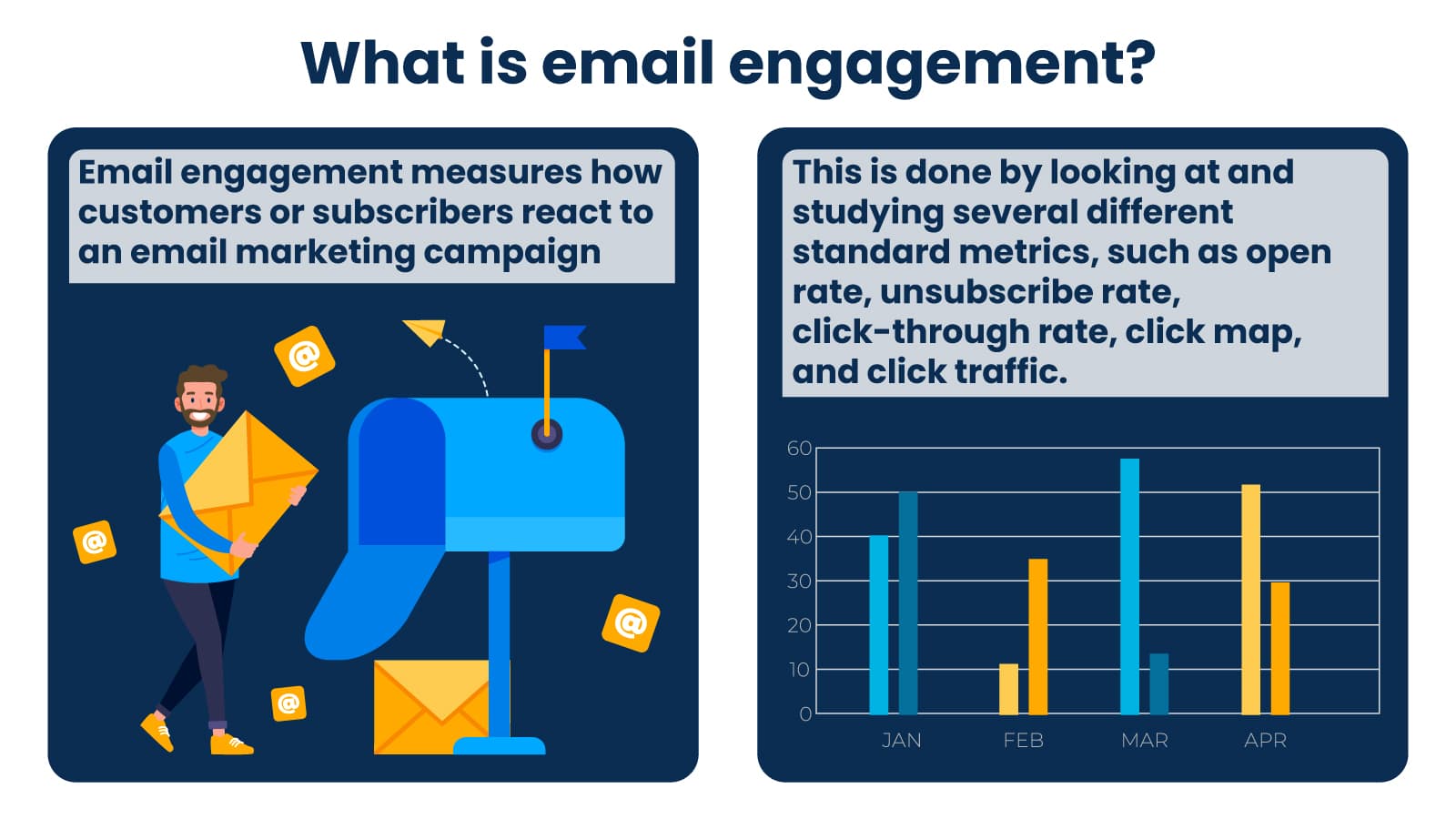
Understanding Your Audience for Effective Engagement
To create impactful relationship emails, understanding your audience is vital. Knowing who they are, what they like, and how they behave allows for targeted communication that resonates. Let’s dive into two key aspects: segmentation strategies and personalization techniques.
Segmentation Strategies
Segmentation involves dividing your audience into smaller groups based on specific criteria. This approach allows for tailored messaging that speaks directly to each segment’s interests or needs. Here are some effective segmentation strategies:
- Demographics : Age, gender, income level, and location can help tailor content. For instance, a local store might send different promotions to urban millennials versus suburban families.
- Behavioral Data : Analyzing how subscribers interact with your emails can reveal patterns. You might find segments that respond well to sales versus those motivated by educational content.
- Purchase History : Understanding past purchases lets you recommend complementary products, creating a personalized shopping experience.
Personalization Techniques
Once you’ve segmented your audience, personalization is the next step. Personalization goes beyond just addressing the recipient by name; it’s about making them feel recognized as individuals. Here are some techniques to consider:
- Tailored Content : Send content that aligns with previous interactions. If a customer frequently buys skincare products, consider sending them the latest skincare tips or related new products.
- Dynamic Content : Use dynamic content blocks that change based on user data. This ensures that different segments see different offers or messages in the same email layout.
- Timing and Frequency : Pay attention to when users engage with your emails and adjust your sending strategy to meet their preferences. A simple tweak like this can lead to higher open rates.
By utilizing segmentation strategies and personalization techniques, brands can foster deeper engagement. This approach not only enhances the customer experience but also strengthens the overall relationship with the audience.

Crafting Compelling Subject Lines for Higher Open Rates
Now that you understand your audience and how to segment and personalize content, it’s time to focus on one of the most crucial components of email marketing: the subject line. A captivating subject line can make all the difference in whether your email gets opened or ignored.
The Art of the Subject Line
A well-crafted subject line not only grabs attention but also sets the tone for what’s inside the email. Think of it as a first impression—it needs to be intriguing enough to make readers want to learn more. Here are a few tips to create compelling subject lines:
- Keep it Short and Sweet : Aim for 6-10 words or 50 characters to ensure the subject line isn’t cut off, especially on mobile devices. For example, “Exclusive Offer Just for You!” can spark curiosity without being too lengthy.
- Use Actionable Language : Words that prompt action, like “Discover,” “Join,” or “Unlock,” can encourage readers to click through. “Join Our Summer Sale Now!” yields a sense of urgency and excitement.
- Create a Sense of Urgency : Phrases like “Limited Time Only” or “Don’t Miss Out” can prompt quick responses. For instance, I once received an email with the subject line, “Last Chance for 50% Off—Today Only!” and couldn’t resist checking it out.
- Personalization : Whenever possible, customize your subject lines with the recipient’s name or specific interests. Simple changes like “Sarah, Your Favorite Items Are On Sale!” can increase open rates significantly.
By putting thought into your subject lines, you can significantly improve your email open rates, leading to better engagement and ultimately more conversions. It’s a small change that can result in substantial impact!
Designing Visuals and Layouts to Enhance Engagement
After crafting compelling subject lines, the next step is to focus on the design and layout of your emails. The right visuals and structure can turn an ordinary email into a captivating experience that encourages interaction and engagement.
Best Practices for Email Design
Email design isn’t just about aesthetics; it’s about creating an intuitive experience for the reader. Here are some best practices to consider:
- Mobile Responsiveness : As a significant portion of users check emails on mobile devices, ensure your design looks great on all screen sizes. Use responsive templates that adapt layouts accordingly.
- Clear Hierarchy : Organize content using headers, subheaders, and easily scannable sections. For instance, place your most vital information at the top and use bullet points for quick readability.
- Consistent Branding : Maintain your brand’s color scheme and fonts to foster recognition. With every email, you should feel like you’re experiencing the same brand identity, whether it’s a promotional message or a newsletter.
- Cohesive Imagery : Use high-quality images that complement your message. Visuals should enhance your content rather than distract from it.
Using Interactive Elements
Incorporating interactive elements can significantly boost engagement. Here’s how:
- Buttons and Links : Instead of plain text, use buttons for calls to action. “Shop Now” or “Learn More” buttons are visually appealing and create clearer pathways for users.
- Surveys and Polls : Engaging readers by including surveys or polls invites them to share their opinions, making them feel valued. For example, a clothing retailer might ask, “What’s your favorite summer style?” and let customers vote.
- GIFs and Animated Elements : These can add a playful touch to your emails and draw attention before they scroll down. Just be cautious not to overuse them, as it might overwhelm the reader.
By focusing on these design principles and incorporating interactive elements, your emails will not only look appealing but also encourage recipients to engage more actively. Building an aesthetically pleasing and interactive email experience is a surefire way to enhance audience connection!
Implementing Call-to-Actions to Drive Conversions
As you design visually appealing emails, the next vital aspect to consider is how to effectively drive conversions through strong calls-to-action (CTAs). Crafting a compelling CTA can be the difference between a reader simply perusing your email and taking the desired action.
The Power of a Strong CTA
A well-placed and thoughtfully worded CTA can motivate your readers to follow through on what you want them to do—be it clicking a link, making a purchase, or signing up for an event. Here are some best practices for creating effective CTAs:
- Be Specific : Instead of a vague “Click Here,” use clear, action-oriented language. Phrases like “Get Your 20% Off Now” or “Join Our Community Today” inform readers exactly what to expect when they click.
- Create Urgency : Incorporating language that suggests time sensitivity can compel action. For example, “Limited Stock Available—Act Fast!” can encourage readers to make a quicker decision.
- Design Matters : Use contrasting colors for your buttons that stand out against the email background. This helps draw attention to the CTA and signals its importance.
Placement and Visibility
Where you place your CTA is just as crucial as what it says. Here are some strategic tips:
- Above the Fold : Ensure the primary CTA appears early in your email, so readers don’t have to scroll to find it.
- Multiple CTAs : Depending on the length of your email, including multiple CTAs can guide readers through different actions without overwhelming them.
- Test Different Variations : Experiment with text, color, and placement for your CTAs. A/B testing can reveal which variations resonate best with your audience.
Incorporating effective CTAs throughout your email not only enhances user experience but also drives conversions. By clearly guiding your audience on what to do next, you’ll increase the likelihood of turning casual readers into engaged customers.
Analyzing Data and Metrics to Optimize Engagement Rates
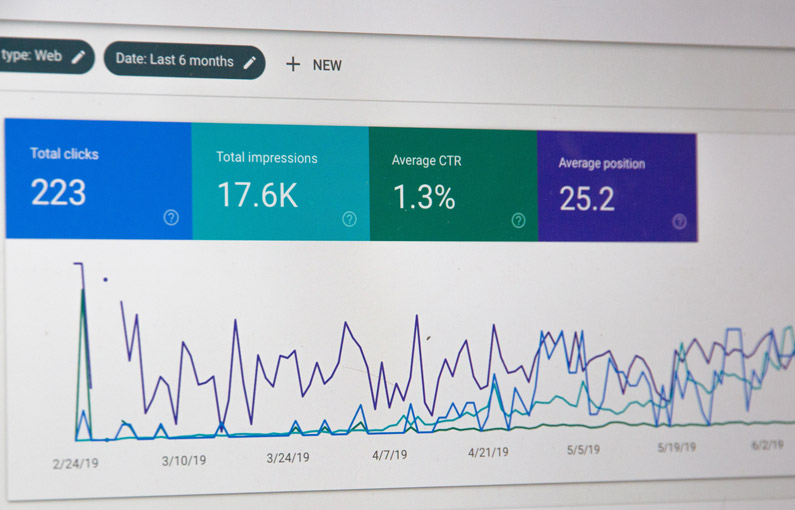
Once you’ve crafted compelling emails and incorporated strong calls to action, the next step is to dive into the data. Analyzing metrics is essential for understanding how your audience interacts with your emails and what improvements can be made to enhance engagement rates.
Key Metrics to Monitor
Focusing on the right metrics enables businesses to pinpoint both successes and areas for improvement. Here are a few key metrics worth tracking:
- Open Rates : This metric indicates how many recipients opened your email. A low open rate may suggest that your subject lines need refining or that your audience isn’t as relevant as you thought.
- Click-Through Rates (CTR) : Tracking how many users clicked on your call-to-action links provides insight into the effectiveness of your content and layout.
- Conversion Rates : Ultimately, the conversion rate indicates how many readers took the desired action after clicking through from the email. This metric is crucial for measuring ROI.
Making Data-Driven Decisions
Once you gather and analyze this data, it’s time to make informed decisions:
- A/B Testing : Conduct tests on different subject lines, CTAs, or email designs to see which variations perform best. For example, I once tested two different subject lines and discovered that one delivered an open rate nearly 20% higher than the other!
- Adjust Frequency : Analyze engagement over time to determine if you’re sending emails too frequently or infrequently. Finding that sweet spot can drastically improve engagement.
- Feedback Loops : Regularly gather feedback from your audience to understand their preferences and needs. Surveying readers about content they enjoy or want to see more of can provide invaluable insights.
By meticulously analyzing data and metrics, marketers can optimize emails for better engagement and conversions. This continuous cycle of measurement and adjustment will ensure that email campaigns remain relevant and effective in a rapidly evolving digital landscape.
.jpg)
Leveraging Automation for Personalized Communication
As you refine your email campaigns based on data analysis, one powerful tool to enhance your outreach is automation. By leveraging automation, businesses can communicate with their audience more effectively, offering personalized experiences at scale.
The Benefits of Email Automation
Setting up automated email sequences can save valuable time while ensuring that your communications remain relevant and timely. Here are some notable benefits:
- Consistency : Automated emails ensure that your audience receives timely follow-ups and communications without manual intervention, increasing your reliability as a brand.
- Targeted Messaging : Automation allows you to send emails based on specific triggers, such as user behavior or milestones. For instance, a shopping cart abandonment email can be sent just hours after a customer leaves items behind.
- Scalability : As your email list grows, automation makes it easier to maintain personalized communication without an influx of additional work.
Techniques for Personalized Automation
To successfully implement automation in your email marketing strategy, consider these techniques:
- Welcome Series : Create a series of emails that automatically send to new subscribers. For example, you can send a welcome message, followed by helpful resources or a special offer.
- Behavioral Triggers : Set up automated emails based on customer interactions. A customer who browsed products but didn’t purchase can receive targeted emails showcasing those items or similar ones.
- Birthday or Anniversary Messages : Sending personalized greetings with special offers on customers’ birthdays or anniversaries can significantly enhance customer loyalty.
By harnessing automation for personalized communication, you can build more meaningful interactions while freeing up time to focus on strategic initiatives. Remember, the goal is to deliver timely, relevant content that resonates with your audience, and automation can help achieve that seamlessly!
A/B Testing Strategies for Continuous Improvement
After implementing automated, personalized communication, the journey of optimizing your email campaigns doesn’t stop there. One of the most effective ways to refine your strategies is through A/B testing. This method allows marketers to compare two versions of an email to determine which performs better, leading to continuous improvement in engagement rates.
Why A/B Testing Matters
A/B testing is crucial because it helps identify what resonates best with your audience. Instead of guessing what works, you can make data-driven decisions based on clear results. Here are some advantages of A/B testing:
- Improves Open Rates : Testing different subject lines can reveal which style captivates your audience more effectively.
- Enhances Click-Through Rates : By comparing various CTAs or layouts, you can discover what entices readers to click through.
- Increases Engagement : A/B testing allows you to fine-tune content, ensuring it aligns with recipient interests, ultimately boosting engagement.
Effective A/B Testing Strategies
To get the most out of your A/B testing efforts, consider the following strategies:
- Test One Variable at a Time : Focus on specific elements, whether it’s subject lines, images, or CTAs. This approach helps isolate which change drove the results.
- Use a Sufficient Sample Size : Ensure that your test reaches a sizable portion of your audience to achieve statistically significant results.
- Run Tests Consistently : Make A/B testing a regular part of your email strategy. For example, after each major campaign, analyze the data and adjust based on what you’ve learned.
By embracing A/B testing as part of your email marketing strategy, you can continually enhance your campaigns, leading to better results and deeper connections with your audience. This method of experimentation fosters a culture of improvement that can significantly elevate your overall email marketing effectiveness!
Incorporating User-Generated Content for Authenticity
After refining your campaigns through A/B testing, one key ingredient to inject authenticity and build trust with your audience is user-generated content (UGC). Incorporating UGC into your email marketing not only fosters a sense of community but also showcases real customer experiences that resonate with potential buyers.
The Value of User-Generated Content
User-generated content serves as social proof. When customers see real people enjoying a product or service, their confidence in your brand grows. Consider these benefits:
- Increased Trust : Sharing authentic customer reviews or testimonials can significantly increase credibility. When I purchased a new camera, I was heavily influenced by fellow users’ comments and photos rather than just the brand’s descriptions.
- Enhanced Engagement : UGC can make your content more relatable, leading to higher engagement rates. When users see their content featured, they’re more likely to engage with the email and share it with others.
- Cost-Effective Content : It’s a cost-efficient way to generate content as it comes directly from your customers, reducing the need for expensive photoshoots or marketing campaigns.
Strategies for Incorporating UGC
To effectively leverage user-generated content in your emails, consider the following strategies:
- Highlight Customer Photos : Showcase images or videos of customers using your products. For instance, an outdoor retailer can ask customers to share their adventure photos.
- Feature Reviews and Testimonials : Integrate snippets of positive reviews or testimonials within your email. A rotating section can showcase different customers each week, providing fresh content.
- Encourage Submissions : Inviting subscribers to share their experiences can create a flow of new content. You might even offer a monthly prize for the best submission to incentivize participation.
By incorporating user-generated content into your email marketing strategy, you not only enhance authenticity but also foster a sense of community around your brand. Engaging your customers in this way creates richer experiences, encourages loyalty, and ultimately drives sales.

Nurturing Long-Term Relationships Through Email Campaigns
Following the incorporation of user-generated content, cultivating long-term relationships through your email marketing efforts becomes vital. Building and nurturing these relationships can create brand loyalty, increase customer retention, and lead to sustainable growth.
The Importance of Relationship Nurturing
Long-term relationships with customers are about more than just selling; it’s about creating an emotional connection and fostering trust. Here are some reasons why nurturing these relationships is critical:
- Customer Loyalty : Loyal customers are more likely to return for future purchases. They become advocates for your brand, helping spread positive word-of-mouth.
- Higher Lifetime Value : Engaged customers tend to spend more over time. For instance, by nurturing a relationship, I found myself repeatedly purchasing from a skincare brand simply because they understood my needs and preferences.
- Resilience in Challenges : Brands with strong customer relationships often weather challenges better. Loyal customers are more forgiving and willing to stick by the brand during tough times.
Strategies for Nurturing Relationships Through Email Campaigns
To effectively nurture these relationships, consider the following strategies:
- Regular Check-Ins : Periodically reach out with valuable content, insights, or simply to say hello. A monthly newsletter can do just that while keeping your brand top-of-mind.
- Segmented Campaigns : Tailor content to different segments of your audience based on their interests, purchasing habits, or engagement levels. Personalized campaigns can make customers feel uniquely valued.
- Incentives for Loyalty : Implement loyalty programs or exclusive offers for repeat customers. A simple “thank you” discount can go a long way in making customers feel appreciated.
By prioritizing relationship nurturing in your email strategy, you can cultivate a loyal customer base that not only returns for future purchases but also actively champions your brand. This long-term approach not only drives sales but also enriches the overall customer experience, creating a more sustainable business model.