Introduction
Importance of Email Marketing in IT Industry
In the fast-paced IT industry, email marketing stands out as a powerful tool for companies seeking to connect with clients, share valuable insights, and promote their services. Unlike other digital marketing strategies, email is direct, personal, and delivers results over time. According to recent studies, for every dollar spent on email marketing, businesses can expect an average return of $42.
Companies in IT can greatly benefit from this high ROI by keeping clients informed about new technologies, software updates, and industry trends. Whether it’s sending out a monthly newsletter or implementing a targeted campaign to promote a new software launch, effective email marketing ensures that companies stay top-of-mind with their audience.
Benefits of Implementing Effective Email Marketing Strategies
When executed properly, email marketing brings a plethora of benefits:
- Cost-Effectiveness : Email marketing is significantly more affordable than traditional marketing methods.
- Customizable : Businesses can tailor messages to different segments of their audience, ensuring content relevance.
- Scalability : Email campaigns can easily be scaled up or down, depending on business needs and audience size.
- Measurable Results : Marketers can track open rates, click-through rates, and conversion rates to continually optimize their strategies.
Overall, email marketing is not just an optional strategy for IT companies; it is essential for nurturing leads and maintaining client relationships in an ever-evolving market.
Understanding Your Target Audience
Segmenting Your Email List
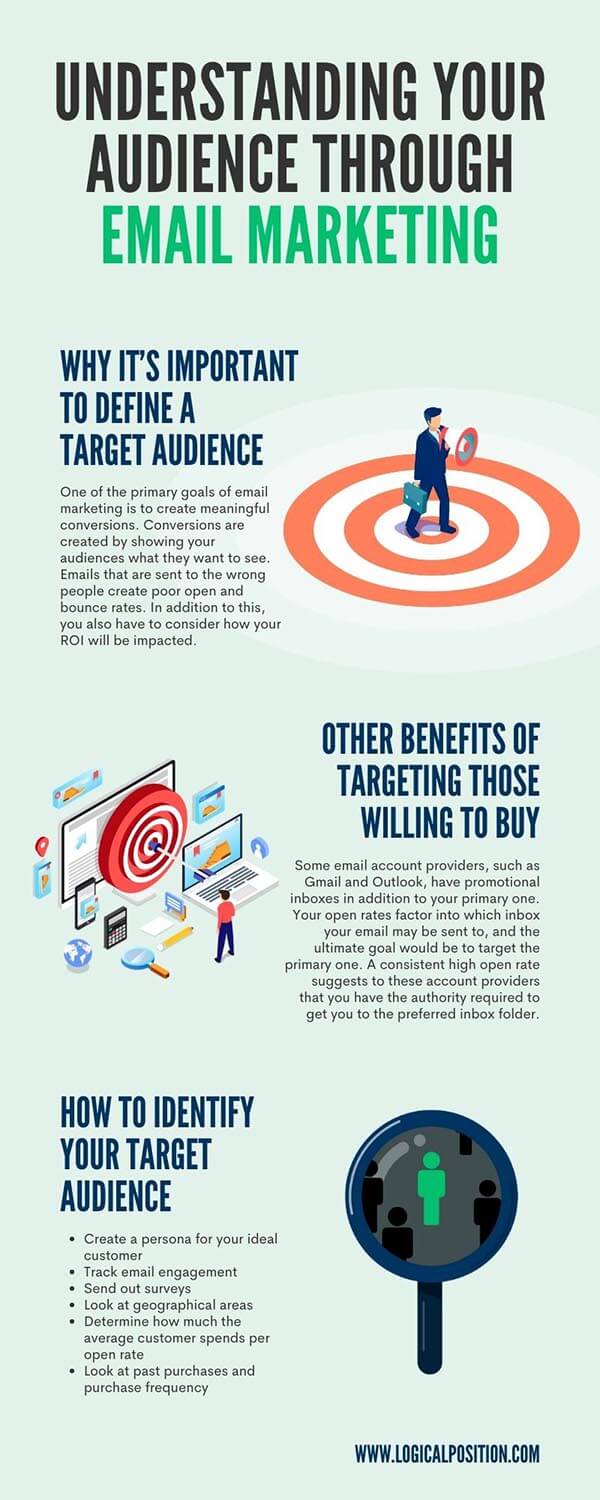
To truly engage your audience, segmenting your email list is essential. Think of it as breaking down a sizable cake into smaller, delicious pieces—each segment has its distinct flavor. By categorizing your subscribers based on criteria such as demographics, behavior, or purchase history, you can send targeted messages that resonate with their specific needs.
For instance, a software company might separate lists into:
- Current Customers : To inform them about updates and benefits.
- Prospective Clients : To nurture leads with introductory offers and educational content.
- Inactive Subscribers : To re-engage them with compelling incentives.
This segmentation not only enhances open rates but also boosts conversion, as subscribers feel that the content is directly relevant to them.
Personalizing Email Content for Different Buyer Personas
Once you’ve segmented your email list, the next step is personalizing your content for various buyer personas. Personalization goes beyond just including the recipient’s name. It means tailoring your message based on their preferences and pain points.
Imagine sending an email about a new cybersecurity solution to a CTO, highlighting features that tackle data protection. Conversely, an email aimed at a small business owner might focus on cost-saving benefits.
Benefits of personalization include:
- Increased Engagement : Subscribers are more likely to engage with content that speaks to their challenges.
- Higher Conversion Rates : Personalized offers can significantly increase purchase likelihood.
By understanding your audience and speaking their language, email marketing can transform from generic outreach to a powerful tool that fosters meaningful connections.
Crafting Compelling Email Content
Writing Engaging Subject Lines
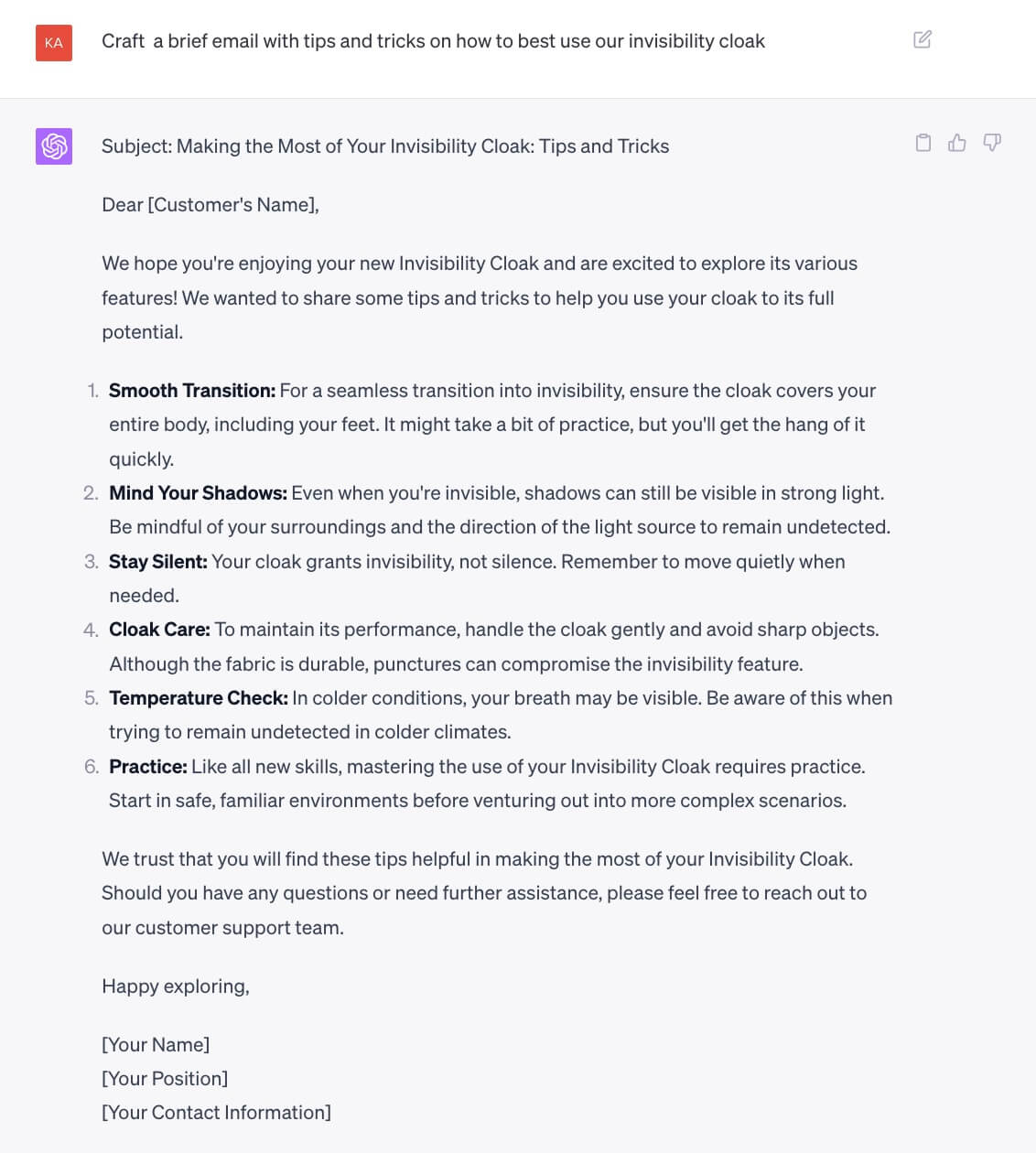
Now that you understand your audience better, it’s time to focus on crafting compelling email content, and it all starts with an engaging subject line. Your subject line is like a shop window; it needs to entice the reader to step inside. A well-crafted subject line can significantly boost your open rates and catch attention amidst a crowded inbox.
Consider these tips for writing effective subject lines:
- Be Clear and Concise : Aim for 50 characters or less to ensure your message isn’t cut off.
- Use Action-Oriented Language : Phrases like “Discover,” “Unlock,” or “Boost” can create a sense of urgency.
- Personalization : Including the recipient’s name or location adds a personal touch that recipients appreciate.
For example, instead of a generic subject like “New Webinar Available,” try “John, Unlock Expert Insights in Our Upcoming Webinar!”
Designing Visually Appealing Emails
Once your subject line grabs attention, the email’s design plays a crucial role. A visually appealing email not only enhances user experience but also increases engagement rates.
Consider these elements when designing your emails:
- Consistent Branding : Use company colors, logos, and fonts for a cohesive look.
- Mobile-Friendly Design : Make sure your emails are easily readable on smartphones and tablets.
- Eye-Catching Images : Use relevant images or graphics to break up text and maintain interest.
Additionally, remember to include a clear call-to-action (CTA). Whether it’s a button or a link, your CTA should stand out and guide readers toward the next step, whether it’s registering for a webinar or downloading a resource. With engaging subject lines and appealing designs, your emails will be well-prepared to captivate your audience.
Optimizing for Deliverability and Open Rates
Avoiding Spam Filters
Having crafted an engaging subject line and visually appealing email, the next step is ensuring that your messages actually reach the inbox—and not the dreaded spam folder. In the IT industry, where communication can sometimes feel transactional, avoiding spam filters is crucial for maintaining strong relationships with your audience.
Here are a few strategies to increase deliverability:
- Authenticate Your Email : Set up sender policies like SPF, DKIM, and DMARC. These verifications help legitimize your emails in the eyes of ISPs.
- Clean Your Email List : Regularly remove inactive subscribers or bounced emails. This practice not only improves engagement but also signals to email providers that you’re a trustworthy sender.
- Avoid Spammy Language : Steer clear of words and phrases commonly flagged by filters, such as “free,” “guarantee,” or “urgent.”
By implementing these practices, you can significantly enhance the chances of your emails landing where they belong—right in the inbox.
A/B Testing Email Campaigns for Better Performance
Once your emails are reaching your audience, it’s time to fine-tune their performance through A/B testing. This powerful technique allows you to experiment with different elements of your email campaign, helping you understand what resonates best with your audience.
Consider testing different factors such as:
- Subject Lines : Try two variations to see which garners more opens.
- Call-to-Action Buttons : Test the color, wording, and placement of CTAs to optimize click-through rates.
- Email Layout : Experiment with different designs to find out which captures attention effectively.
The key is to change one variable at a time to accurately measure its impact. This iterative process can dramatically enhance your email performance, allowing you to create more effective campaigns over time. Using A/B testing in conjunction with deliverability best practices sets the stage for successful email marketing that not only reaches clients but also captures their interest.
Leveraging Marketing Automation Tools
Streamlining Email Workflows
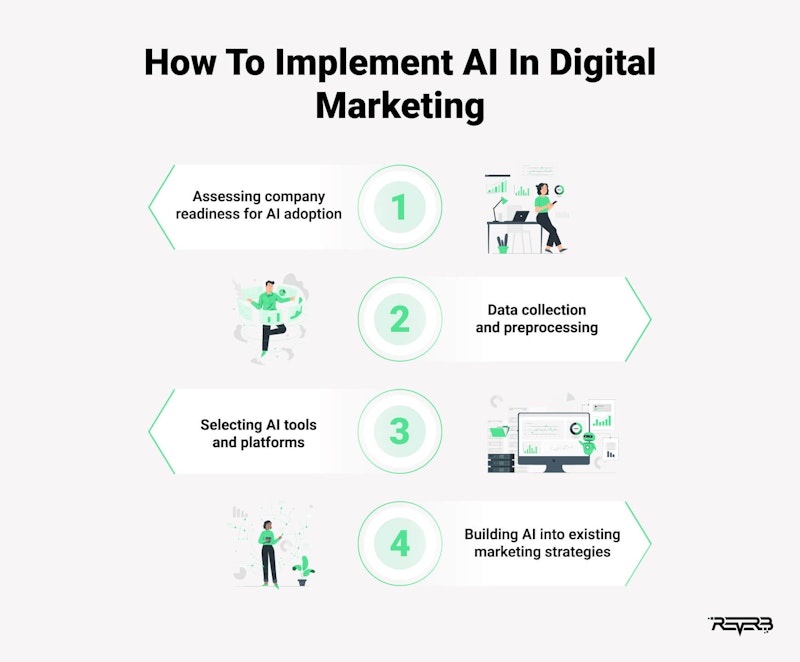
Continuing on the path of optimizing your email marketing, leveraging marketing automation tools can substantially enhance your efficiency and effectiveness. These tools allow you to streamline email workflows, ensuring that your communication is timely and relevant while saving you valuable time.
Imagine having the capability to automate repetitive tasks like sending welcome emails, reminders, or follow-ups. With automation, you can:
- Schedule Emails : Set up a sequence of emails to deliver at optimal times based on when your audience engages.
- Trigger Emails : Send targeted messages triggered by specific actions, such as downloading a white paper or attending a webinar.
- Centralize Data : Use automation tools that integrate with your CRM to gain insights into subscriber behavior, tailoring future communications more effectively.
This level of automation not only boosts productivity but also ensures that your audience receives the right messages at the right time.
Implementing Drip Campaigns for Lead Nurturing
Beyond streamlining workflows, automation tools give you the power to implement drip campaigns, which are essential for effective lead nurturing. Drip campaigns are a series of automated emails sent to prospects over a period, gradually providing more information and nudging them toward making a purchasing decision.
Here’s how to create effective drip campaigns:
- Segment Leads : Identify different audience segments based on where they are in the buyer’s journey.
- Create Tailored Content : Develop a series of emails that educate and build trust over time. For example, you could send educational content to leads, followed by case studies and eventual offers.
- Monitor Engagement : Track how recipients interact with each email to adjust your approach as needed, ensuring continuous improvement.
By leveraging marketing automation and drip campaigns, IT companies can maintain consistent communication with leads, ultimately driving conversions while nurturing meaningful relationships. This approach not only enhances efficiency but also deepens engagement, making your email marketing efforts even more impactful.
Measuring and Analyzing Email Campaign Performance
Tracking Key Metrics
As your email marketing strategy matures, measuring and analyzing campaign performance becomes essential. Tracking key metrics allows you to understand what’s working and what needs adjustment. Key performance indicators (KPIs) in email marketing typically include:
- Open Rate : The percentage of recipients who open your email. A low open rate might indicate the need for more engaging subject lines.
- Click-Through Rate (CTR) : This measures how many recipients clicked on links within your email. A high CTR suggests that your email content resonated well with your audience.
- Conversion Rate : The ultimate measure of success, this tracks how many recipients completed your desired action, like signing up for a demo or making a purchase.
Utilizing analytics tools can simplify data collection and reporting, offering insights that inform your next steps. For instance, noticing that a particular email type consistently underperforms can guide you to reconsider your content or design for future campaigns.
Iterating Strategies for Continuous Improvement
Tracking metrics is just the beginning; the real magic lies in iterating your strategies based on these insights. Continuous improvement is paramount in keeping your email marketing efforts effective.
Consider the following approaches for iteration:
- Test and Learn : Constantly run A/B tests to identify optimal subject lines, content formats, and CTAs based on real data.
- Solicit Feedback : Don’t hesitate to ask for feedback directly from your subscribers about what they like or want more of.
- Adapt to Trends : Stay updated on industry trends and audience preferences, and be willing to pivot your strategy accordingly.
By committing to measuring and refining your email campaigns, IT companies can develop a robust marketing strategy that evolves with their audience, leading to sustained engagement and better results over time. This culture of continuous improvement not only enhances performance but also fosters a loyal subscriber base eager to engage with your content.
Integrating Email Marketing with Other Digital Strategies
Aligning Email Campaigns with Social Media Efforts
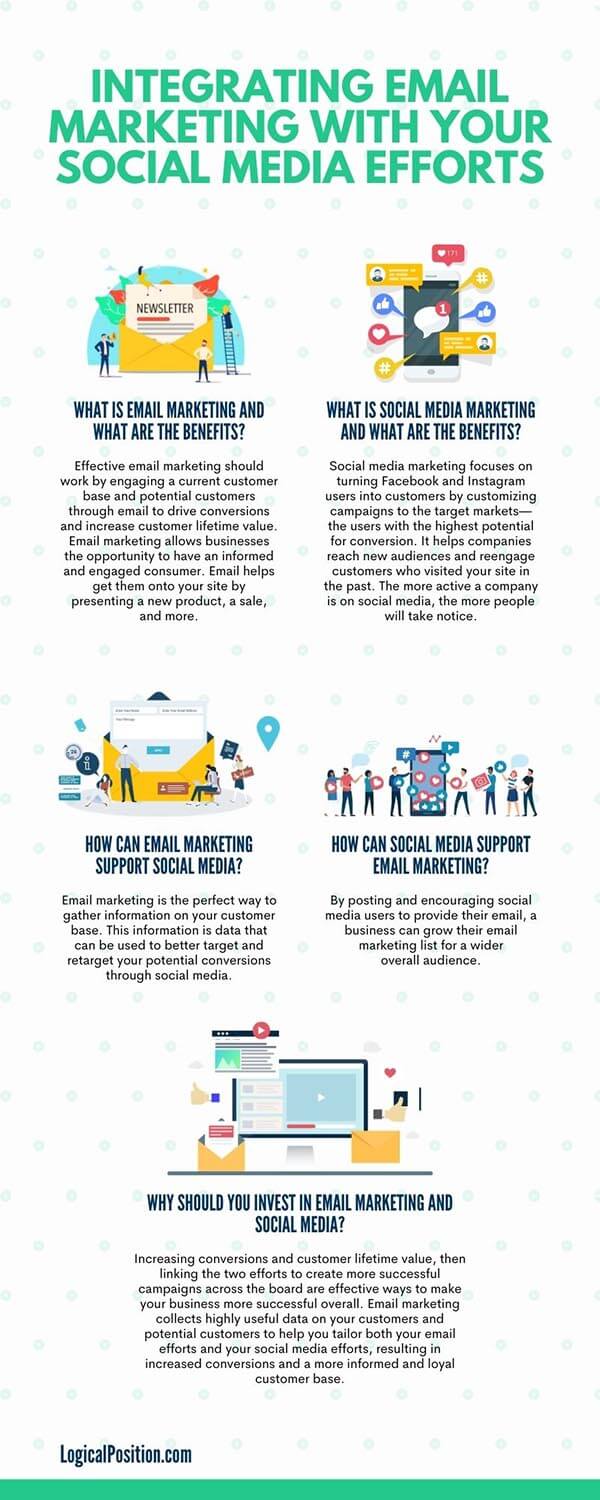
As email marketing continues to evolve, integrating it with other digital strategies, especially social media, can amplify your reach and impact. These two channels complement each other beautifully, working in tandem to foster deeper engagement with your audience.
One effective approach is to promote your email campaigns through social media platforms. For example, you could share snippets of your latest newsletter on LinkedIn or Twitter to entice followers to subscribe. Here are a few strategies to consider:
- Cross-Promotion : Announce exclusive email content or offers on your social media profiles to drive subscribers.
- Engage with Followers : Use social media to gather feedback or host polls, and then tailor your email content based on that audience input.
- Social Sharing Buttons : Make it easy for your email recipients to share your content on their social networks.
By aligning your email campaigns with social media efforts, you create a unified brand presence that encourages audience growth and interaction.
Connecting Email Marketing with Content Marketing Initiatives
Moreover, integrating email marketing with your content marketing initiatives can significantly improve the value you offer to your audience. Content is king, and using email as a distribution channel allows you to share valuable resources with your subscribers effectively.
Here are some ways to connect these two strategies:
- Promote Content : Regularly share blog posts, whitepapers, or industry reports via email. Highlighting key insights can drive traffic back to your website.
- Segment Content : Tailor your email content based on your recipients’ interests—this approach keeps your audience engaged and informed about relevant topics.
- Nurture Leads : Use email to nurture leads by sharing a series of educational content pieces. This could be especially effective when introducing complex IT solutions.
By creating synergy between email and content marketing, you not only enhance engagement levels but also establish your authority in the IT industry. This cohesive strategy not only drives subscribers to take action but also cultivates a loyal community eager to consume your content.
Compliance and Best Practices in Email Marketing
Ensuring GDPR and CAN-SPAM Compliance
As you refine your email marketing strategies, it’s crucial to navigate the waters of legal compliance effectively. Adhering to regulations like the General Data Protection Regulation (GDPR) and the CAN-SPAM Act protects both your business and your subscribers, ensuring your email practices are ethical and responsible.
To ensure compliance:
- Obtain Explicit Consent : Under GDPR, always obtain clear consent from users before adding them to your email list. This can be done through checkboxes during sign-up.
- Provide Transparency : Clearly state what subscribers can expect from your emails, how frequently they’ll hear from you, and what types of content you’ll share.
- Respect Opt-Out Requests : Under CAN-SPAM, recipients should be able to easily unsubscribe. Include an unsubscribe link in every email, making the process simple and straightforward.
By adhering to these regulations, you build trust with your audience, as they know their data is handled respectfully.
Implementing Opt-In and Opt-Out Processes
Building a compliant and effective email marketing strategy also hinges on having robust opt-in and opt-out processes. An effective opt-in mechanism ensures that your audience genuinely wants to hear from you, laying a solid foundation for engagement.
Consider the following best practices:
- Double Opt-In : Implementing a double opt-in process requires subscribers to confirm their email after signing up, further guaranteeing their consent.
- Easy Unsubscribe Options : Make it just as easy to unsubscribe as it is to sign up. A simple link or button ensures you respect your audience’s choice.
- Regularly Clean Your List : Continuously monitor your email list for subscribers who haven’t engaged over a set period. Removing inactive contacts keeps your list healthy and improves deliverability rates.
By focusing on proper opt-in and opt-out processes, you create a respectful relationship with your subscribers, fostering trust and ensuring that your email campaigns remain effective and compliant. This commitment to best practices not only safeguards your brand reputation but also ultimately leads to a more engaged and responsive audience.
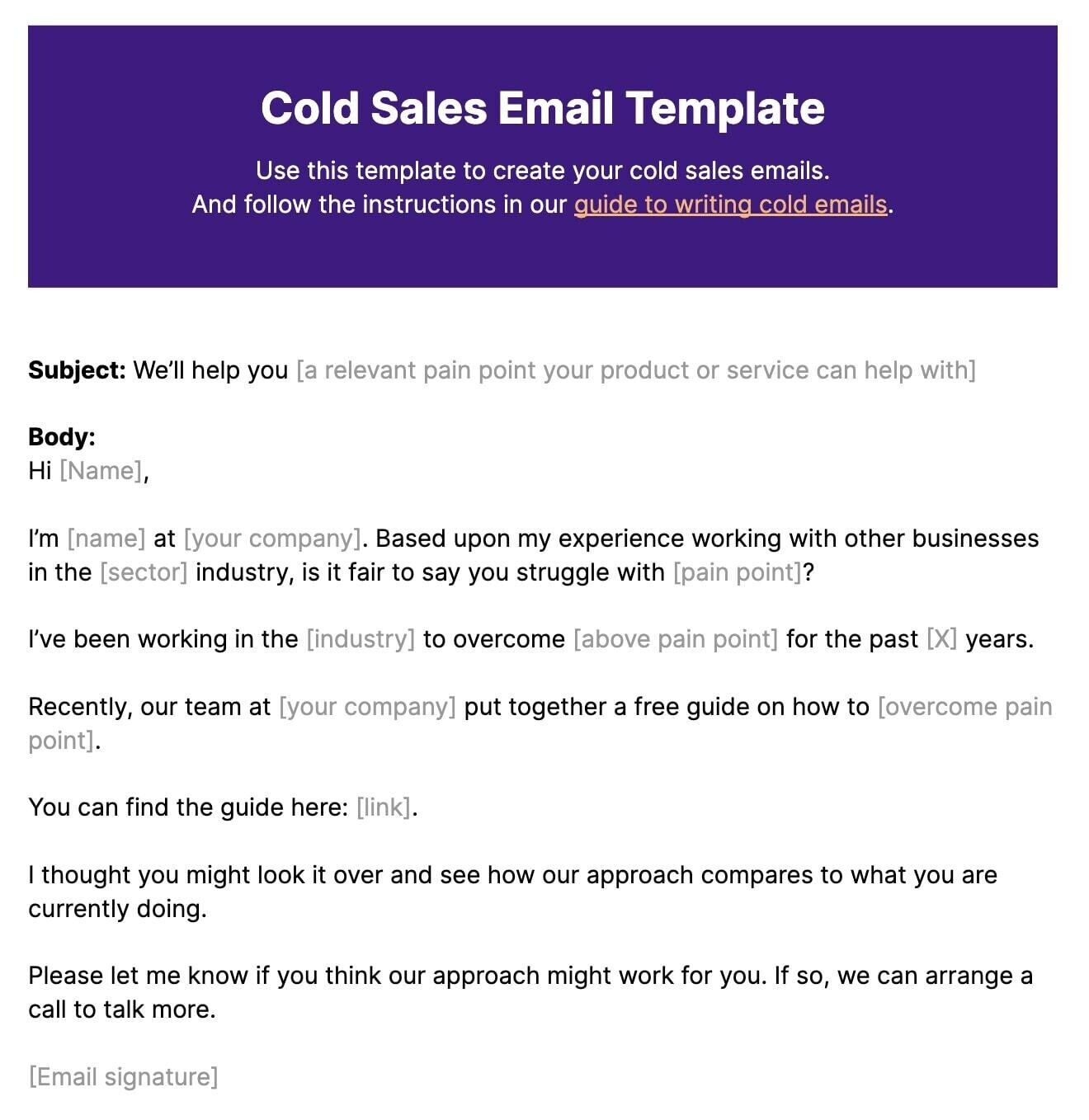
Case Studies: Successful Email Marketing Campaigns in IT Industry
Example 1: Company X’s Email Marketing Success Story
Let’s take a closer look at how Company X transformed its email marketing strategy into a powerhouse for customer engagement and retention. Faced with stagnant growth and low engagement rates, Company X decided to revamp their approach. They implemented a segmented email strategy that targeted different user personas with tailored content.
Key actions included:
- Personalized Campaigns : They created unique email content for various segments, such as IT managers, developers, and decision-makers.
- Automated Workflows : Utilizing marketing automation tools, they set up trigger-based emails that responded to user actions, such as new sign-ups and software demos.
The results? A staggering 45% increase in open rates and a 60% increase in click-through rates within six months. This focused attention on segmentation and automation not only enriched customer experience but also bolstered their brand loyalty.
Example 2: How Company Y Increased Conversions through Email Marketing
Next, let’s examine Company Y, which ramped up its email marketing to drive conversions effectively. Initially struggling with low lead conversion rates, they decided to implement a strategic drip campaign focused on nurturing leads throughout the buyer’s journey.
They executed the following strategies:
- Content-Rich Campaigns : Company Y shared case studies, user testimonials, and educational content that addressed common pain points.
- Clear Calls to Action : Each email included targeted calls to action, seamlessly guiding readers towards signing up for trials or demos.
These efforts led to a remarkable 35% increase in lead conversions over the course of three months. By focusing on valuable content and clear guidance, Company Y successfully fostered relationships that encouraged prospective clients to take action.
Both Company X and Company Y illustrate the transforming power of well-planned email marketing campaigns in the IT industry. By prioritizing personalization, segmentation, and content efficiency, they not only achieved impressive metrics but also cultivated ongoing customer relationships that are invaluable in today’s competitive landscape.
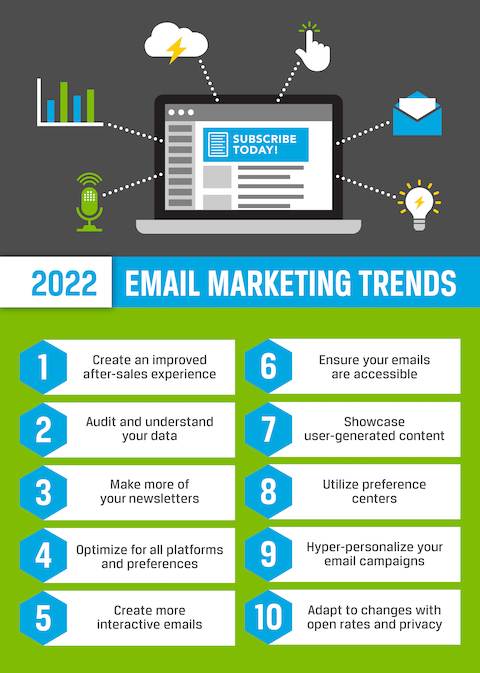
Future Trends in Email Marketing for IT Companies
Predictive Analytics and AI in Email Marketing
Looking ahead, the landscape of email marketing for IT companies is set to be transformed by predictive analytics and artificial intelligence (AI). These technologies enable marketers to make data-driven decisions and predict customer behavior, leading to more effective communication.
For instance, predictive analytics can:
- Identify Trends : By analyzing past behaviors, marketers can anticipate future actions, allowing them to tailor content that is likely to resonate more with specific segments.
- Optimize Send Times : AI tools can determine the optimal times to send emails based on user engagement data, ensuring that messages reach recipients when they are most likely to open them.
A powerful case of this is a software company that used AI algorithms to personalize recommendations within their emails. This approach led to a 50% increase in click-through rates, showing that harnessing data smartly can result in smarter marketing.
Personalized Video Content in Email Campaigns
Another exciting trend on the horizon is the integration of personalized video content into email campaigns. Videos offer a dynamic way to communicate complex IT solutions, transforming traditional static emails into engaging experiences.
Considerations for implementing video include:
- Personalization : Using customer data, companies can create individualized video messages that address specific client needs or pain points.
- Enhanced Engagement : Video content is known to significantly improve engagement levels; incorporating them into emails can lead to higher open and click-through rates.
For example, a cloud service provider could send a targeted email featuring a personalized video demo that aligns with the recipient’s business needs. This could improve both awareness and understanding, ultimately driving higher conversion rates.
In summary, as IT companies embrace trends like predictive analytics, AI, and personalized video content, they position themselves to enhance customer engagement, delivering more relevant and compelling email experiences. Staying ahead of these trends will ensure that your email marketing remains effective, relevant, and impactful in a rapidly evolving digital landscape.