
Introduction to Email Marketing
As businesses continue to navigate the evolving landscape of digital marketing, one channel remains a powerful tool in their arsenals: email marketing. It’s not just a simple communication method; it’s a strategic avenue that fosters direct connection and engagement with customers.
Importance of Email Marketing
Email marketing holds significant importance for several reasons. First and foremost, it allows for direct messaging to interested individuals. Unlike social media platforms, where algorithms dictate visibility, emails land directly in the inboxes of subscribers, ensuring that the message is received as intended.
Consider a small business owner who has just launched a new line of products. Through email marketing, they can share tailored content to their subscribers, announcing the new products and offering exclusive discounts. This personal touch can capture the attention of the audience and encourage immediate purchases, which is crucial in a competitive market.
Moreover, email marketing offers a unique blend of personalization and segmentation. Businesses can segment their lists based on various criteria such as demographics, past purchases, or engagement level. This segmentation allows for more targeted messaging, which often results in higher engagement rates.
Benefits of Using Email Marketing
The benefits of using email marketing are vast. Here are some key advantages:
- Cost-Effectiveness : Compared to traditional marketing channels, email marketing is significantly more affordable. There are no printing or postage costs involved, and it allows businesses of all sizes to reach their customers efficiently.
- High Return on Investment (ROI) : According to various studies, email marketing can generate a remarkable ROI. For instance, for every dollar spent on email marketing, businesses can expect an average return of $42. This statistic emphasizes how a well-executed email strategy can lead to substantial financial rewards.
- Building Brand Loyalty : Regular communication through informative and engaging emails can help nurture relationships with customers. By sharing valuable insights, promotions, and personalized offers, brands can reinforce customer loyalty over time.
- Measurable Results : Email marketing platforms often provide in-depth analytics, offering insights into open rates, click-through rates, conversion rates, and more. This data allows marketers to understand what resonates with their audience, paving the way for continuous improvement.
- Automation Capabilities : With today’s technology, businesses can automate their email marketing efforts, from welcome emails to follow-up campaigns. This automation not only saves time but also ensures that communication is timely and relevant.
By integrating email marketing into their strategies, businesses can establish a direct line of communication with their audience, ensuring that they remain top of mind. As the digital world continues to grow, leveraging the power of email marketing is not just beneficial but essential for long-term success.

Getting Started with Draft2Digital
Now that we understand the power of email marketing and how it can amplify a business’s reach, the next step is to explore effective platforms that facilitate these efforts. One such platform gaining popularity among authors and publishers is Draft2Digital. Let’s dive into an overview of the platform and learn how to set up your account to start leveraging email marketing effectively.
Overview of Draft2Digital Platform
Draft2Digital (D2D) is not just another publishing service; it’s a comprehensive platform designed to simplify the self-publishing journey for authors. The platform allows writers to distribute their eBooks and print books to various retailers and library markets.
One of the standout features of Draft2Digital is its user-friendly interface, which makes it approachable even for those who might not be tech-savvy. Here are some key highlights of the platform:
- Wide Distribution : D2D enables authors to reach multiple retailers, including Amazon, Apple Books, Barnes & Noble, and Kobo, as well as libraries through OverDrive. This extensive reach can significantly increase an author’s potential audience.
- Formatting Tools : Gone are the days of worrying about correct formatting. Draft2Digital provides free formatting tools that transform your manuscript into professional-quality eBooks and print-ready files. This can save hours of frustration and allow writers to focus on their content.
- Customizable Options : Authors can personalize their marketing efforts with tools for creating promotional materials like sample chapters and landing pages. This flexibility empowers writers to control their marketing strategies effectively.
- No Upfront Fees : Draft2Digital operates on a revenue-sharing model, meaning authors don’t pay any upfront fees. Instead, D2D takes a percentage of the sales, making it a risk-free option for many independent authors.
Setting Up Your Account
Now that you’re familiar with what Draft2Digital offers, setting up your account is a straightforward process. Here’s how you can get started:
- Visit the Website : Head over to the Draft2Digital homepage and locate the “Get Started” or “Sign Up” button.
- Create an Account : Fill out the required information, including your email address and a secure password. It’s advisable to use an email that you frequently check, as D2D will send important updates and notifications.
- Verify Your Email : After signing up, you will receive a verification email. Click on the link in that email to activate your account. This step is crucial; otherwise, you won’t be able to access your dashboard.
- Set Up Your Profile : Once your account is active, log in to your dashboard and fill in your author profile. This includes details such as your name, bio, and links to your social media or website. This information helps in branding and allows readers to connect with you.
- Explore the Dashboard : Take some time to familiarize yourself with the dashboard. Here, you can upload your manuscripts, access formatting tools, view sales reports, and track your marketing efforts.
In conclusion, Draft2Digital serves as an invaluable resource for both emerging and established authors looking to streamline their self-publishing journey while effectively managing their email marketing strategies. With a user-friendly setup process and an array of features, it’s a perfect platform to start reaching your target audience.

Building Your Email List
With your Draft2Digital account set up and your initial campaigns in place, it’s time to focus on a crucial component of email marketing: building your email list. A robust subscriber list is the heart of successful email campaigns, as it represents a group of engaged individuals interested in what you have to offer. Let’s explore effective strategies for growing your email list and some creative lead magnets to entice potential subscribers.
Strategies for Growing Your Email List
There are several strategies to expand your email list effectively. Each approach can cater to different audiences and goals. Here are some potent tactics you might consider:
- Website Sign-Up Forms : Place email sign-up forms prominently on your website. Consider integrating pop-ups or static forms at the top or bottom of key pages. Optimize them with compelling calls to action (CTAs) that encourage visitors to subscribe.
- Social Media Channels : Leverage your existing social media following by promoting your email list. Share enticing posts about what subscribers can expect, and include direct sign-up links.
- Content Upgrades : This strategy involves offering exclusive content that complements your existing blog posts or articles. For instance, if you write a blog about writing techniques, offer a free eBook or checklist on that topic in exchange for email addresses.
- Webinars and Live Events : Hosting free webinars or online workshops can be a fantastic way to capture email addresses. Attendees often willingly share their emails to receive reminders or exclusive materials related to the event.
- Referral Incentives : Encourage your existing subscribers to refer others by offering rewards such as discounts or free resources for each referral they generate. This kind of word-of-mouth marketing can yield high returns.
Creating Lead Magnets to Attract Subscribers
Lead magnets are valuable resources or incentives that entice individuals to provide their email addresses. The more appealing the lead magnet, the more likely people are to sign up. Here are some effective lead magnet ideas to consider:
- E-Books or Guides : Create a comprehensive guide related to a relevant topic in your niche. This could include “The Ultimate Guide to Self-Publishing” or “10 Tips for Transforming Your Writing Routine.” Ensure the content is actionable and valuable to entice sign-ups.
- Checklists and Cheat Sheets : These are easy to consume and can be quickly referenced. They’re great for busy individuals looking for immediate solutions, such as a writing checklist or a social media posting cheat sheet.
- Online Courses : If you’re knowledgeable about a particular subject, consider creating a short online course. This not only establishes your expertise but also offers tremendous value in exchange for email addresses.
- Templates and Worksheets : Provide useful templates or worksheets that can assist your audience in a tangible way. For instance, offer a character development sheet for aspiring authors or a budget template for self-publishers.
- Exclusive Access : Allow subscribers exclusive access to members-only content, such as newsletters with insider tips, early release content, or special discount codes. This can cultivate a sense of belonging among your audience.
In summary, building your email list is a vital step in maximizing your email marketing efforts. By employing diverse strategies and offering attractive lead magnets, you can transform casual visitors into loyal subscribers. As your list grows, so does your ability to engage effectively with your audience, paving the way for future success.

Creating Effective Email Campaigns
Now that you’ve built a solid email list, it’s time to shift your focus to the core of email marketing: creating effective email campaigns. Designed to engage your audience and encourage action, these campaigns must be both visually appealing and filled with compelling content. Let’s break down how to design engaging email templates and write copy that captivates your readers.
Designing Engaging Email Templates
The design of your emails plays a crucial role in keeping your audience engaged. A well-crafted template creates a positive first impression and makes your content easy to read. Here are some design elements to keep in mind:
- Responsive Design : Ensure your email templates are mobile-friendly. With a significant number of users checking their emails on smartphones, a responsive design that adjusts to different screen sizes is essential.
- Consistent Branding : Use your brand colors, fonts, and logos consistently throughout your emails. This helps establish your brand identity and makes your emails recognizable to subscribers.
- Clear Layout : Organize content in a structured manner. Utilize headings, subheadings, and bullet points to break up blocks of text. This enhances readability and guides readers through your email effortlessly.
- Engaging Images : Incorporate relevant images or graphics that enhance the message. However, be cautious to not overwhelm the email, as too many visuals can distract from the main content.
- Strong Calls to Action (CTAs) : Each email should have a clear CTA that prompts readers to take action, whether that’s clicking a link, signing up for a webinar, or making a purchase. Use contrasting colors and concise language to make your CTAs stand out.
For inspiration, many email platforms provide pre-designed templates. It’s worth exploring these options to see what resonates with your audience.
Writing Compelling Email Copy
Once your email looks great, the next step is to ensure that the content is equally engaging. Compelling email copy is all about connecting with your readers and encouraging them to take action. Here are some tips for writing effective email copy:
- Strong Subject Line : Your subject line is the first thing subscribers see, so make it count! Craft a subject line that sparks curiosity or highlights a benefit. Consider testing different subject lines to see which yields better open rates.
- Personalization : Use the subscriber’s name or preferences in the email to create a personalized touch. Many email marketing tools allow for easy personalization, making your emails feel more tailored to the recipient.
- Tell a Story : People connect with stories. Share relatable anecdotes, inspiring tales, or even your journey as an author. This humanizes your content and draws readers in. For example, if you’re promoting a new book, share the inspiration behind it or a lesson you learned while writing.
- Be Concise and Clear : Aim for brevity while ensuring clarity. People often skim through emails, so make your points direct. Use simple language, and avoid jargon unless it’s relevant to your audience.
- Incorporate Benefits Over Features : Rather than just listing features of your product or service, focus on the benefits for the reader. Explain how what you’re offering can solve a problem or enhance their lives.
In conclusion, creating effective email campaigns requires a balance of engaging design and compelling content. By investing time into both elements, you can significantly enhance your communication with your audience. Remember, the goal is not just to inform but to inspire action, forging stronger connections with your readers through each email.
Maximizing Results with Email Marketing Analytics
Now that your email campaigns are in full swing, it’s vital to focus on the performance metrics to ensure you’re achieving the best results. Email marketing analytics provide invaluable insights into how your emails are performing and help you make informed decisions moving forward. Let’s explore the key email marketing metrics you should understand and how to leverage this data for improved campaign performance.
Understanding Email Marketing Metrics
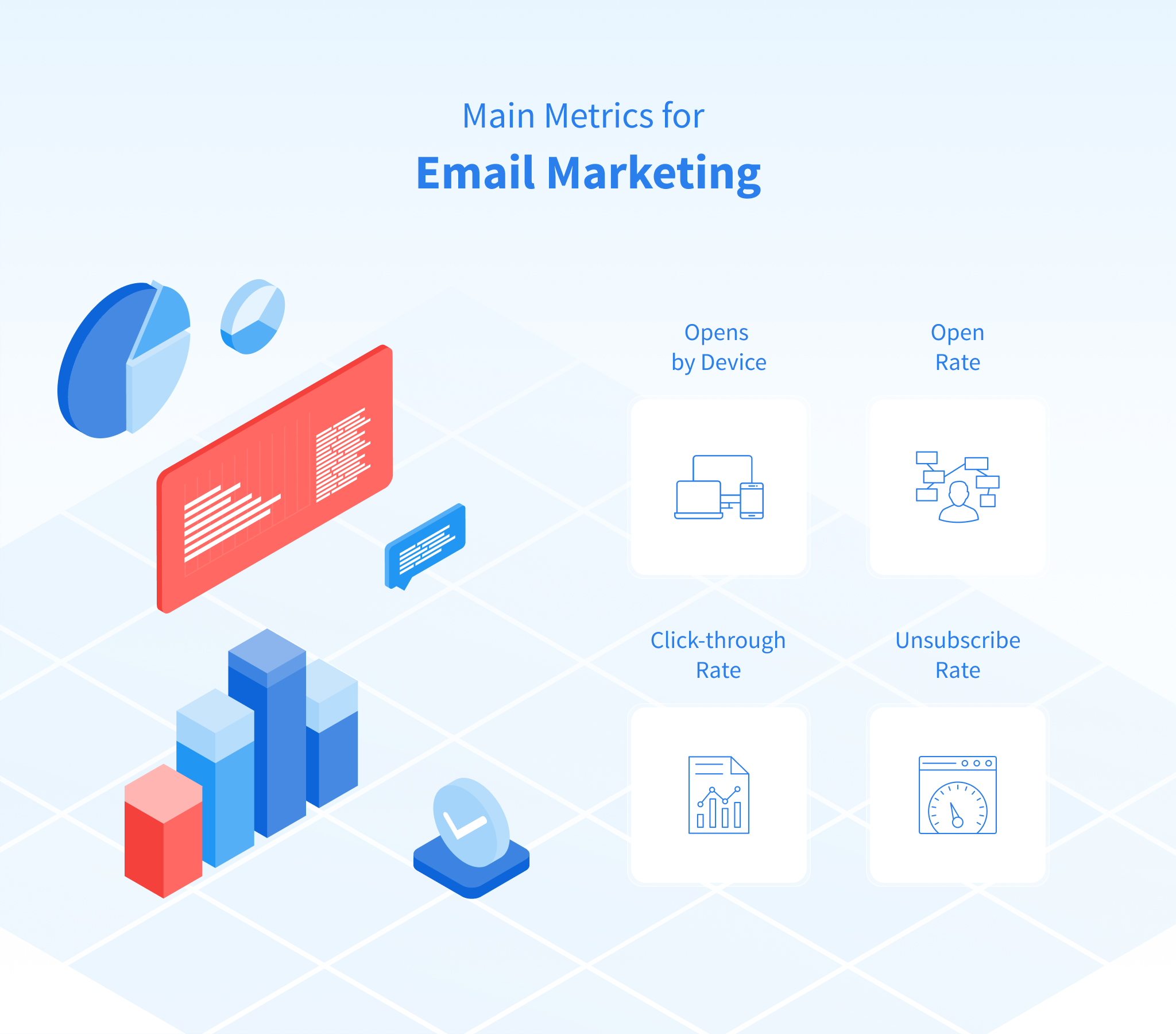
When it comes to assessing the success of your email campaigns, several key metrics come into play. Familiarizing yourself with these metrics can illuminate various aspects of your campaigns. Here are the most important ones to keep an eye on:
- Open Rate : This metric indicates the percentage of recipients who opened your email. A low open rate may signal that your subject lines aren’t resonating or that your emails are landing in spam folders.
- Click-Through Rate (CTR) : CTR measures the percentage of recipients who clicked on one or more links contained in your email. This is crucial for gauging engagement. If this rate is low, it may mean your content isn’t compelling enough or your CTAs need to be more enticing.
- Bounce Rate : A bounce occurs when your email cannot be delivered to a recipient’s inbox. A high bounce rate could indicate issues with your email list hygiene, such as old or inactive addresses.
- Unsubscribe Rate : Tracking how many subscribers opt-out after receiving your emails helps gauge the relevancy and appeal of your content. If this rate increases, it may be an indicator that your content is not meeting subscriber expectations.
- Conversion Rate : This measures the percentage of recipients who take a desired action, such as making a purchase or signing up for an event, after clicking through your email. This is often the most critical metric as it directly relates to your goals.
By monitoring these metrics, you can gain a clearer picture of what’s working and what needs improvement in your email strategy.
Leveraging Analytics to Improve Campaign Performance
Understanding these metrics is just the beginning; the real challenge lies in using this data to enhance your email campaigns. Here are some actionable steps to leverage analytics for better performance:
- A/B Testing : Regularly conduct A/B tests on different elements of your emails, such as subject lines, content, images, and CTAs. For instance, test two different subject lines to see which one yields a higher open rate, or try varying the placement of your CTAs to boost clicks.
- Segment Your Audience : Use the insights gained from metrics to create targeted segments within your email list. For example, if certain subscribers consistently engage with specific types of content, tailor future emails to these preferences. This can increase relevance and improve overall engagement.
- Refine Content Based on Feedback : If you notice specific content types leading to higher open or click-through rates, double down on them. Similarly, analyze what types of content might be losing your subscribers’ interest and reconsider including them.
- Regularly Clean Your Email List : Maintain a healthy list by periodically reviewing your subscriber list. Remove inactive or unengaged users to improve your bounce rate and ensure you’re targeting truly interested recipients.
- Set Goals and KPIs : Establish clear goals for each campaign, such as achieving a specific open rate or conversion rate. Use these benchmarks to measure success and make data-driven adjustments to your strategy.
In conclusion, by understanding and leveraging email marketing analytics, you can dramatically improve your campaign performance. Data might seem daunting at first, but it provides the roadmap to refining your strategies and maximizing your efforts. Embrace the power of analytics, and watch your email marketing efforts transform from average to extraordinary.