
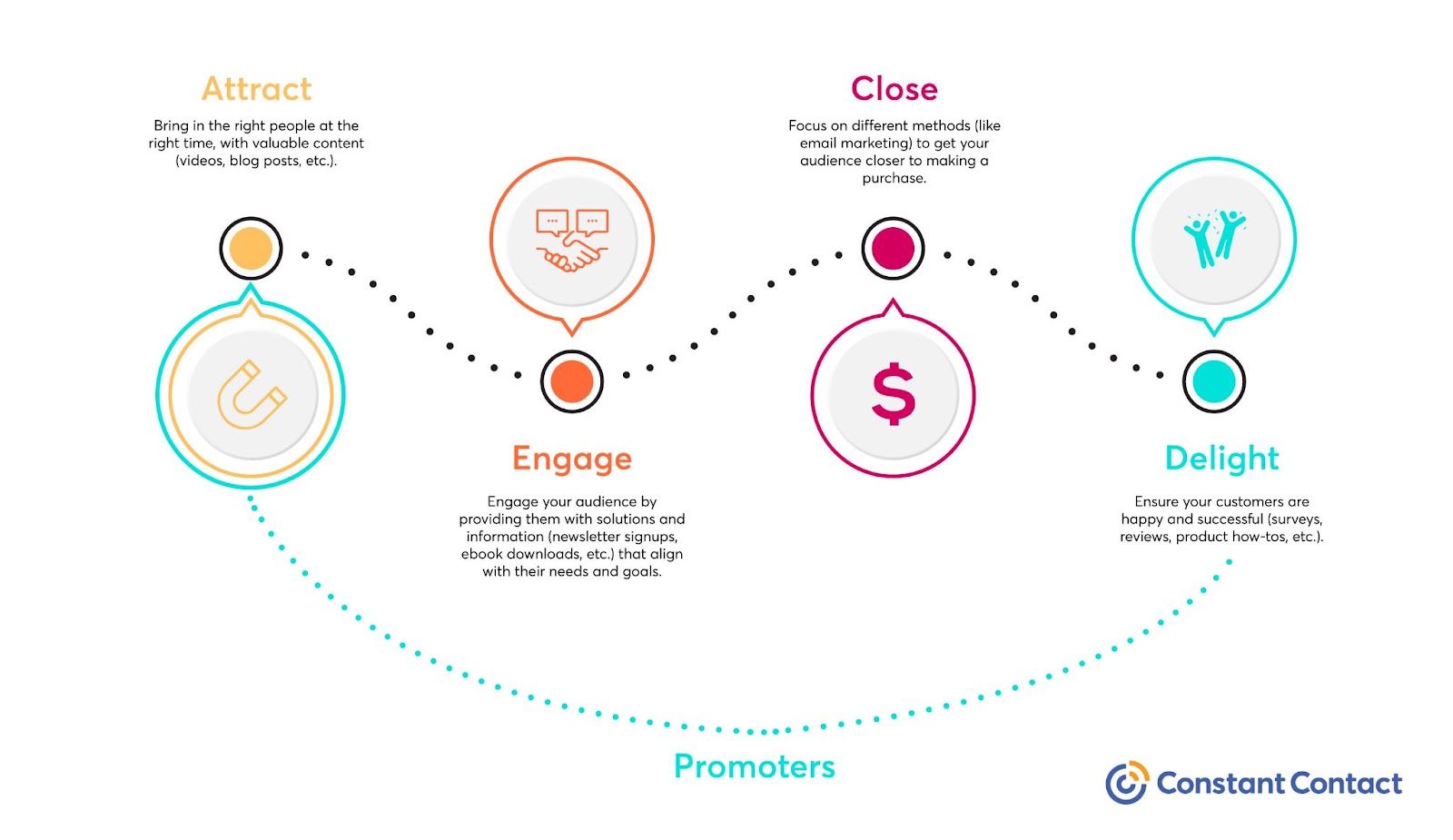
Introduction to Email Marketing
Email marketing has evolved into one of the most powerful digital marketing strategies available today. With over 4 billion users worldwide, emails not only represent a vast potential audience but also provide businesses with a unique platform to engage with customers. It’s crucial to understand both the importance and benefits of email marketing to leverage this channel effectively.
Importance of Email Marketing
The importance of email marketing in today’s digital landscape cannot be overstated. This method allows businesses to maintain direct communication with their audience, providing a personal touch that many social media platforms cannot.
Consider this: while social media is a crowded space where messages can easily be lost, an email lands directly in someone’s inbox— a dedicated space designed for communication. This direct line of contact fosters a deeper level of trust and engagement.
Key points highlighting its importance include:
- Ownership and Control : Unlike social media, where algorithm changes can dramatically affect visibility, email lists are owned by the business. This provides more control over messaging and distribution.
- Targeted Communication : Email marketing allows segmentation of audiences based on various factors (like behavior, interests, and demographics), ensuring that messages are relevant and personalized.
- Data-Driven Insights : With robust analytical tools, businesses can track open rates, click-through rates, and engagement levels, allowing for continuous improvement of strategies.
Benefits of Email Marketing Campaigns
The benefits of email marketing campaigns are tangible and manifold. These advantages not only maximize engagement but also contribute significantly to the bottom line. Here are some compelling benefits:
- Cost-Effective : One of the standout benefits of email marketing is its affordability. Compared to traditional marketing methods, email campaigns can yield a higher return on investment (ROI). According to research, for every dollar spent on email marketing, the average ROI is around $42.
- Increased Conversions : Email campaigns are known for driving conversions. Whether it’s promoting a product, encouraging sign-ups, or facilitating a purchase, a well-crafted email can lead to a significant increase in conversion rates.
- Customer Engagement and Retention: Regularly communicating with customers helps keep a business top-of-mind. Simple tactics like newsletters and personalized offers can dramatically improve customer loyalty and retention.
- Easy Measurement : Provides businesses the ability to measure results in real-time. Metrics such as open rates, click rates, and conversion rates offer insight into the campaign’s effectiveness and help refine future strategies.
- Scalability : Businesses can easily scale their email marketing efforts to reach more subscribers as they grow. Whether targeting 100 or 10,000 users, the message delivery remains consistent and effective.
In conclusion, the importance and benefits of email marketing are significant for any business looking to thrive in a competitive landscape. By harnessing its strengths, businesses can engage their audience effectively, drive sales, and build a loyal customer base. An impactful email marketing strategy can set a solid foundation for sustained growth and success.
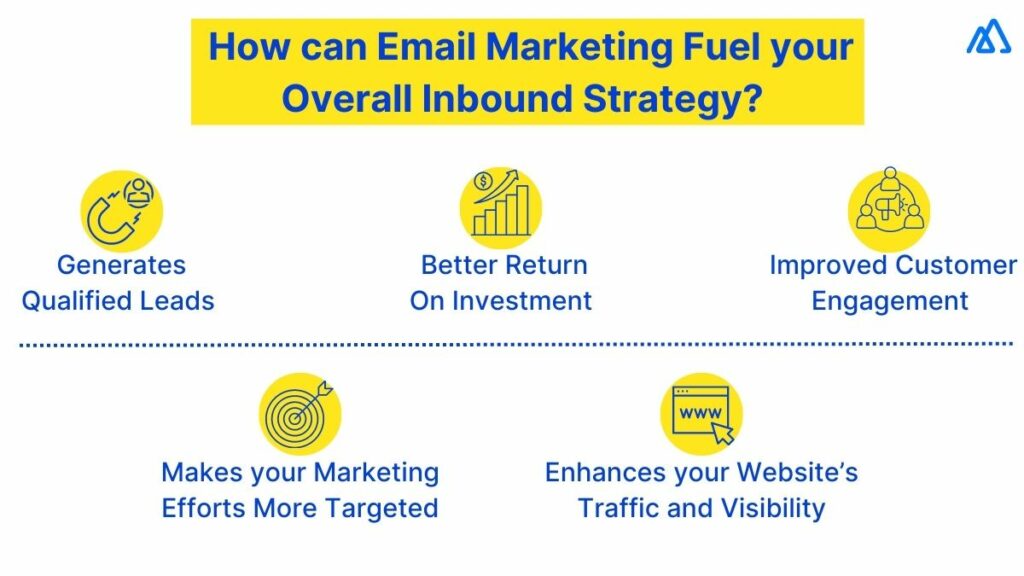
Building Your Email List
Having recognized the significance of email marketing, it’s time to focus on one of the most critical steps: building your email list. A robust email list is the backbone of successful email marketing campaigns. Without a quality subscriber base, even the most beautifully designed emails may fall flat. So, what can be done to grow this essential list effectively?
Strategies for Growing Your Subscriber List
Developing a substantial email list requires a mix of creativity and strategy. Here are some practical methods to attract more subscribers:
- Offer Value with Incentives : People love free stuff! Consider offering incentives such as exclusive content, discounts, or freebies in exchange for email sign-ups. For instance, a clothing brand might provide a 15% discount on the first purchase for new subscribers.
- Leverage Social Media : Your social media platforms can serve as a fantastic conduit for email sign-ups. Promote your newsletter or email updates on your channels, and include a compelling call-to-action directing followers to subscribe.
- Host a Giveaway or Contest : This is a fun way to not only get people engaged but also grow your subscriber list. When hosting a contest, require participants to provide their email addresses as a condition for entry.
- Create Engaging Content : High-quality content that resonates with your audience will naturally attract sign-ups. Blogs, videos, or infographics can persuade visitors to want more, leading to email subscriptions.
- Utilize Landing Pages : Dedicated landing pages designed for sign-ups can significantly enhance your email list growth. Ensure these pages are simple and highlight the benefits of subscribing, with easy-to-find entry fields.
- Network and Collaborate : Partnering with other brands or influencers can increase your reach. This can involve a joint webinar, where both parties promote the event and gain new subscribers from each other’s audiences.
Segmenting Your Email List Effectively
Once you have set the groundwork to build your email list, the next step is to ensure you are reaching out to the right audience through effective segmentation. By segmenting your email list, you can provide more targeted and personalized content, leading to higher engagement rates.
Here are some ways to segment your list effectively:
- Demographics : Consider segments based on age, gender, location, or occupation. Tailoring your content to the specific interests of these demographics can significantly increase engagement.
- Customer Behavior : Segmenting based on past purchase behavior or web activity can help create more personalized email campaigns. For instance, if a subscriber frequently purchases certain products, send them tailored recommendations or special offers related to that category.
- Engagement Levels : Group subscribers based on how engaged they are with your emails. This includes active, inactive, or new subscribers. You can send re-engagement campaigns to inactive users to encourage them to continue receiving your emails.
- Interests and Preferences : Allow your subscribers to specify their interests at sign-up. This can guide your content and promotions, ensuring what you send resonates with their preferences.
In essence, growing your subscriber list and effectively segmenting it allows businesses to communicate more effectively with their audience while maximizing the impact of their email marketing campaigns. By implementing these strategies, businesses can foster deeper relationships with their subscribers, ultimately leading to better engagement and increased conversions.
Crafting Compelling Email Content
Now that you have a growing email list and segmented your audience effectively, the next vital step is crafting compelling email content. The emails themselves are where the magic happens, influencing how your subscribers perceive your brand and whether they take the desired action. Here’s how to ensure your emails resonate with your audience.
Writing Engaging Subject Lines
You could have the most incredible content in your email, but if the subject line doesn’t grab attention, it might never be opened. Crafting engaging subject lines is crucial, as they serve as the first impression. Here are some strategies to make your subject lines pop:
- Keep It Short and Sweet : Aim for 50 characters or less. A concise subject line is easier to read, especially on mobile devices.
- Create Urgency or Scarcity : Use language that prompts immediate action. Words like “limited time offer” or “only a few left” can drive opens and clicks.
- Personalization : If feasible, include the recipient’s name or other personalized elements. For instance, “John, your exclusive offer awaits!” feels more inviting.
- Use Questions : Questions provoke curiosity. For example, “Are you ready to transform your wardrobe?” can encourage readers to find out more.
- Emojis : Strategically placed emojis can add color and personality, making your subject line stand out in a crowded inbox. Just remember to use them sparingly and appropriately.
Personal anecdote: I once received a subject line that read, “Unlock the Secret to Better Sleep.” Instantly intrigued, I opened the email, hooked by the promise of valuable information. This is the type of engaging content I strive to create.
Creating Valuable and Relevant Content
After your subject line successfully entices the reader to open the email, it’s crucial that the content inside meets or exceeds their expectations. Here’s how to ensure your email content is valuable and relevant:
- Provide Solutions : Each email should aim to solve a problem or answer a question for your readers. For example, if you run a fitness business, sharing a targeted workout routine can provide immense value.
- Focus on Quality Over Quantity : Crafting fewer, high-quality emails is often more effective than bombarding your subscribers with frequent, less meaningful content.
- Use Clear and Compelling Copy : Write in a conversational tone that resonates with your audience. Break up long paragraphs and use bullet points for easy reading.
- Incorporate Visuals : Images, infographics, and videos can enhance engagement. Just be cautious not to overdo it—keep visuals relevant and clean.
- Call-to-Action (CTA) : Always include a clear and compelling CTA. Use action-oriented language like “Get your free guide now!” or “Join the webinar today!” so readers know what you want them to do next.
- Segment Content by Interest : Based on the earlier segmentation strategies, tailor content specific to the different groups within your email list. This ensures what you are sharing is relevant to each audience type.
In summary, crafting compelling email content involves writing engaging subject lines that invite subscribers to open the email, followed by delivering valuable content that keeps them engaged. When done correctly, this will foster loyalty, increase engagement, and ultimately lead to better conversion rates. By keeping subscribers’ needs and interests at the forefront, businesses can create email campaigns that truly resonate.
Designing Effective Email Campaigns
With compelling content crafted, the next step in your email marketing journey is to focus on designing effective email campaigns. The look and feel of your emails are just as important as what’s inside them. A well-designed email can enhance readability and engagement, ultimately leading to better results. Here are key areas to consider.
Choosing the Right Email Template
Selecting an appropriate email template is crucial in ensuring your emails are visually appealing and functional. The right template not only supports your brand but also enhances the user experience. Here are some tips for choosing the right template:
- Responsive Design : Opt for a mobile-friendly template. Studies show that nearly half of all emails are opened on mobile devices. A responsive design adjusts automatically, ensuring that your content looks great no matter the screen size.
- Consistency with Branding : Your email should reflect your brand’s identity. Use your brand colors, logos, and fonts consistently. This helps in reinforcing brand recognition every time a subscriber opens an email.
- Clear Structure : Choose a template that allows for a clear hierarchy of information. Use headings, subheadings, and sections to break up the content. An example layout could include a headline, a compelling image, a few short paragraphs, and a CTA button.
- Accessibility Considerations : Make sure your template is easy to read. Choose font sizes and colors that are accessible. For instance, high contrast between text and background colors improves readability.
- Test and Optimize : After selecting a template, test it with different email clients and devices. This helps avoid rendering issues. For example, sometimes an email appears differently on Gmail versus Outlook.
Personal anecdote: I once used a beautifully designed template for a product launch, but forgot to test it fully. When I saw how it displayed in some email clients, the images were cut off, and the text was misaligned. That experience taught me the importance of testing for different formats.
Incorporating Call-to-Action Buttons
Once your email design is complete, attention must turn to the all-important call-to-action (CTA). A well-placed and compelling CTA can significantly boost your email campaign’s effectiveness. Here’s how to effectively incorporate CTA buttons:
- Clear and Direct Language : Use action-oriented language on your buttons. Instead of “Click Here,” try more specific phrases like “Download Your Free Guide” or “Shop Now.”
- Visual Appeal : Ensure your CTA stands out visually. Use contrasting colors, bold fonts, and whitespace to draw attention. For example, a bright red button on a white background pops out and invites clicks.
- Placement Matters : Position your CTA where it’s easily seen. Place it either at the top for immediate access or at the bottom after presenting relevant content. Sometimes, using multiple buttons positioned strategically can lead to better click-through rates.
- Test Variations : Just as with email templates, A/B testing different CTA buttons can yield insights on what works best for your audience. Experiment with colors, text, and placements.
- Limit Options : Avoid overwhelming your subscribers with too many CTAs in one email. Focusing on one main action streamlines the reader’s decision-making process.
To wrap things up, designing effective email campaigns involves a careful selection of templates and the strategic incorporation of call-to-action buttons. By ensuring your emails are visually appealing and lead subscribers towards clear actions, you enhance user engagement and can significantly increase conversion rates. With thoughtful design and strategy, your email campaigns will not only connect but also inspire action.
Optimizing Email Delivery and Timing
Having designed compelling email campaigns, the next crucial step is optimizing email delivery and timing. Even the most well-crafted email won’t yield results if it lands in the spam folder or reaches subscribers at the wrong time. Here’s how to ensure your emails reach your audience when they are most likely to engage.
Understanding Email Deliverability
Email deliverability is the measure of how successfully your emails are delivered to the recipients’ inboxes. Understanding this concept is vital for maintaining a good sender reputation and ensuring engagement. Here are some key factors influencing email deliverability:
- Sender Reputation : Your sender reputation plays a pivotal role in deliverability. Factors such as bounce rates, spam complaints, and engagement levels contribute to how email service providers (ESPs) see you. A high reputation results in better inbox placement.
- Email Authentication : Implement email authentication protocols like SPF (Sender Policy Framework), DKIM (DomainKeys Identified Mail), and DMARC (Domain-based Message Authentication, Reporting & Conformance). These help verify your email’s authenticity, improving deliverability.
- List Hygiene : Keeping your email list clean by removing inactive subscribers and invalid email addresses minimizes bounce rates and spam complaints. For instance, regularly check engagement metrics and consider removing users who haven’t interacted in the last six months.
- Content Quality : Ensure that your emails don’t trigger spam filters. Steer clear of spammy words in subject lines and content. Additionally, striking a good balance between text and images can help maintain deliverability.
- Engagement Metrics : Email providers monitor how subscribers interact with your emails. High open and click-through rates signal to ESPs that you’re a reliable sender, emphasizing the importance of crafting appealing content that resonates with your audience.
Personal anecdote: A few years ago, I experimented with different email service providers and discovered that my open rates drastically improved with a provider respected for their compliance and deliverability tools. This experience highlighted how crucial it is to choose the right platform.
Best Practices for Scheduling Email Sends
Timing your emails strategically can have a significant impact on their performance. Here are some best practices for scheduling email sends:
- Know Your Audience : Analyze your target audience’s habits. Factors like time zone differences or demographic preferences can influence when to send emails. For example, if your audience is primarily working professionals, sending emails during typical working hours might yield the best results.
- Experiment with Send Times : Conduct A/B testing to determine the optimal day and time for your emails. Consider testing sending at different times (morning vs. afternoon) or on various days of the week (Tuesday vs. Thursday) to analyze engagement.
- Consider Industry Norms : Some industries see better engagement on specific days. For example, retail emails may perform well on weekends when shoppers are browsing, while B2B emails may see higher engagement on weekdays.
- Utilize Automation : Automation tools can schedule emails based on when users last engaged with content or when they signed up for your list. This personalized approach can lead to better timing and higher engagement.
- Be Mindful of Frequency : Avoid overwhelming subscribers with too many emails. Find a balance in your sending frequency to keep your audience engaged without causing fatigue.
In conclusion, optimizing email delivery and timing is essential for the success of any email marketing campaign. By understanding deliverability factors and strategically scheduling emails, businesses can significantly enhance their engagement metrics. Ultimately, the goal is to reach the right audience at the right time with the right message, fostering a deeper connection that leads to meaningful interactions.