

Introduction to B2B Lead Generation with Email Marketing
When it comes to attracting potential clients and nurturing them into loyal customers, businesses often turn to various strategies for B2B lead generation. Among these strategies, email marketing emerges as one of the most powerful and effective tools available. It enables companies to build relationships and maintain consistent communication, catering directly to the needs of their target audience.
Understanding the Basics of B2B Lead Generation
B2B lead generation is the process of identifying and attracting potential business clients who are interested in your product or service. It involves the use of various marketing strategies to capture a prospect’s interest and nurture them until they are ready to engage with sales.
In many instances, lead generation begins with establishing an online presence, gathering data on potential clients, and employing various outreach methods. These include:
- Content Marketing: Creating valuable content that entices potential leads.
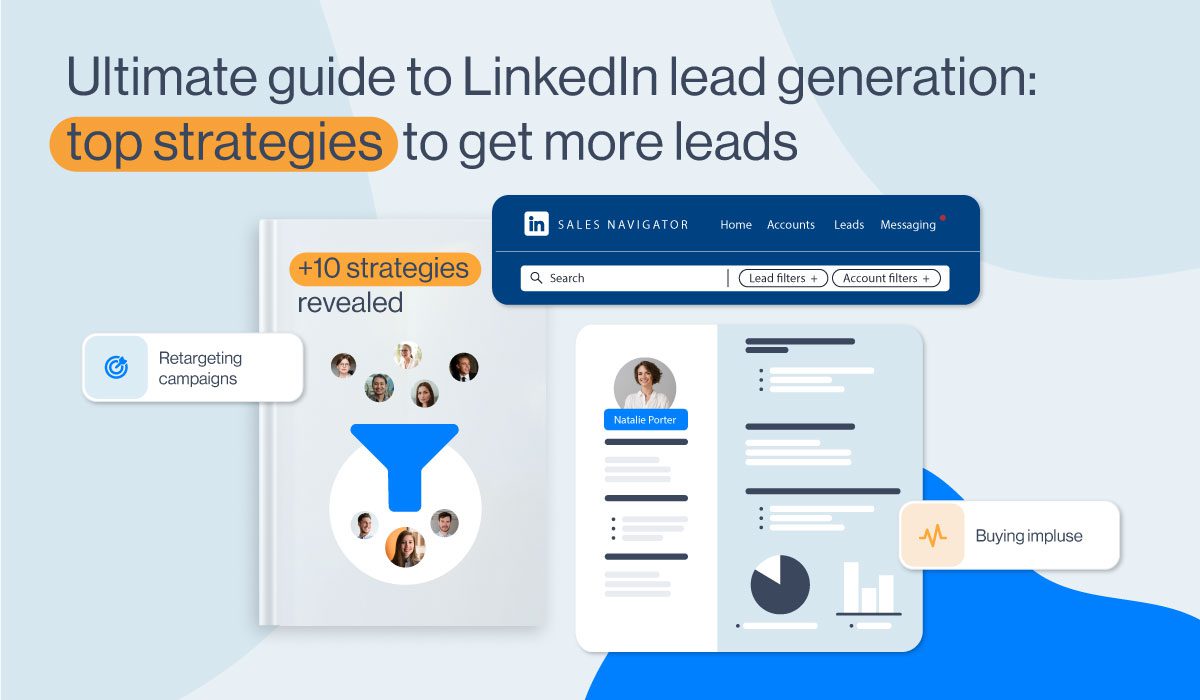
- Social Media Outreach: Engaging decision-makers through platforms like LinkedIn.
- Events and Webinars: Hosting informative sessions that provide value to participants.
Email marketing plays a pivotal role in this stage as it allows for direct communication with prospects.
Benefits of Email Marketing in B2B Lead Generation
Email marketing stands out in B2B lead generation due to its effectiveness, scalability, and affordability. Here’s a closer look at why email marketing is a go-to strategy for many businesses:
- Direct Communication: Email allows businesses to deliver targeted messages straight to the recipient’s inbox. This personal approach often leads to better engagement rates than other methods.
- Cost-Effectiveness: Compared to traditional advertising channels, email marketing is relatively low-cost, offering a high return on investment (ROI). According to studies, for every dollar invested in email marketing, businesses can expect an average ROI of $42.
- Segmentation and Targeting: Email campaigns can be easily segmented based on various criteria such as industry, location, and previous interactions. This ensures messages are relevant, increasing the chances of conversion.
- Measurable Results: Email marketing platforms provide metrics such as open rates, click-through rates, and conversion rates. This data plays a crucial role in refining campaigns and improving future lead generation strategies.
- Nurturing Leads: Email sequences can be used to educate and nurture leads over time, providing them with valuable information until they are ready to convert.
By effectively implementing email marketing, businesses can streamline their lead generation efforts. It not only establishes authority but also fosters a relationship that encourages prospects to convert into paying customers.
As organizations dive deeper into this strategy, they unlock new opportunities and connections that can lead to successful business growth. Understanding these fundamentals sets the stage for crafting a successful B2B email marketing strategy that drives results.

Building an Effective Email Marketing Strategy
Having established the importance of email marketing in B2B lead generation, the next step involves building a winning email marketing strategy. A well-crafted strategy hinges on two crucial elements: identifying the target audience and crafting compelling content. Let’s explore each of these components in detail.
Identifying Target Audience and Segmentation
Identifying the right audience for your email marketing campaigns is paramount. Without a clear understanding of who your ideal customer is, your messages can easily get lost in crowded inboxes. Getting it right can dramatically increase engagement and conversions.
- Define Buyer Personas:
- Start by creating detailed buyer personas. These are fictional representations of your ideal customers based on research and real data. Consider factors like industry, company size, job titles, and pain points.
- For instance, if you’re targeting software professionals, your buyer persona might include features like specific software tools they use, their primary challenges in tech adoption, and their information sources.
- Segmentation:
- Once you have your personas, segment your email list based on characteristics that matter. This could be based on demographics, past engagement, or behaviors.
- Segments could include:
- New Leads: Prospects who have just subscribed.
- Engaged Customers: Clients who have interacted with your emails previously.
- Win-back Campaigns: Targeting past customers who have been inactive.
By segmenting your audience, you ensure that your message resonates more effectively with each group.
Crafting Compelling Email Content
With a clear understanding of your audience, the next step is to craft content that captivates and converts. Great email content is built around providing value while encouraging action.
- Personalization:
- Personalization goes beyond using the recipient’s name. Tailor content based on segmentation. Use language that speaks directly to their specific needs or challenges.
- For example, an email to software developers might highlight industry trends, while one for decision-makers could focus on ROI and efficiency.
- Strong Subject Lines:
- Engaging subject lines can significantly influence open rates. Aim for concise and compelling language that piques curiosity.
- Examples include:
- “Unlock Your Team’s Potential with These Tech Tools”
- “5 Common Pitfalls in Software Adoption (And How to Avoid Them)”
- Clear Call-to-Action (CTA):
- Make sure each email has a clear and actionable CTA. Whether it’s to download a resource, schedule a demo, or read a blog post, your CTA should guide readers toward the next step.
- Use buttons for CTA links to make them stand out visually.
- Visual Elements:
- Incorporate images or infographics where appropriate to break up text and make the email more visually appealing. A well-designed email is not only more pleasant to read but can also highlight your brand’s professionalism.
By meticulously identifying your target audience and crafting compelling email content, your B2B email marketing strategy will be well on its way to success. Engaging with your audience meaningfully fosters relationships that can lead to long-lasting business partnerships. As you implement these strategies, you will likely find increased engagement rates, higher conversions, and ultimately, more significant revenue growth.

Optimizing Email Campaigns for Lead Generation
Once a company has established a solid email marketing strategy, the next step is to optimize its campaigns for lead generation. It’s essential to continually refine your emails based on performance insights to ensure they are as effective as possible. In this section, we will explore two critical optimization tactics: A/B testing and personalization strategies, both of which can significantly enhance your email’s performance and conversion rates.
A/B Testing for Email Performance
A/B testing, or split testing, involves creating two versions of an email with one varying element—in either content, design, or subject line—to determine which version performs better. This method allows businesses to make data-driven decisions that can elevate their email campaigns.
Here’s a straightforward approach to implementing A/B testing:
- Choose the Element to Test:
- Common elements to test include:
- Subject lines (e.g., “Unlock Exclusive Offers” vs. “Don’t Miss Out on Exclusive Offers”)
- Call-to-action buttons (e.g., “Get Your Free Trial” vs. “Start Your Journey”)
- Email layout (one-column vs. multi-column designs)
- Common elements to test include:
- Define Your Metrics:
- Determine what success looks like for your campaign:
- Open rates
- Click-through rates
- Conversion rates
- Determine what success looks like for your campaign:
- Run the Test:
- Split your subscriber list into two groups, sending one version to each group. Ensure that sample sizes are statistically significant to yield meaningful results.
- Analyze the Results:
- After the test period, evaluate the performance based on the defined metrics. Make future email decisions based on data insights, not assumptions.
By regularly A/B testing your email campaigns, you can refine your messaging, optimize design elements, and ultimately drive higher conversion rates.
Personalization Strategies for Better Conversions
Personalization takes email marketing a step further by tailoring content to meet the specific needs and preferences of individual recipients. It’s the difference between a generic email and one that makes the recipient feel uniquely valued.
Here are a few effective personalization strategies:
- Dynamic Content:
- Use dynamic content blocks that change based on the recipient’s data or behavior. For instance, if a lead has previously attended a webinar, you can highlight similar upcoming events in future emails.
- Behavioral Trigger Emails:
- Send automated emails based on user actions. For example, if a potential client abandons their cart, follow up with a reminder email that includes a special discount. This personal touch can encourage them to complete the purchase.
- Segmentation for Personalization:
- Leverage segmentation data to create targeted campaigns. For instance, if you notice that certain segments respond best to case studies, tailor emails filled with relevant success stories to them.
- Use of Recipient Name:
- While basic, don’t underestimate the power of personalization tokens. Including the recipient’s name in the subject line or greeting can significantly increase engagement.
By employing A/B testing and implementing personalized strategies, marketers can refine their email campaigns for maximum effectiveness. Focusing on these optimization techniques not only enhances the user experience but also fosters engagement, leading to greater conversion rates. As your email campaigns evolve through these methods, you’ll build stronger relationships with your audience and drive sustainable growth.
Growing Your Email Subscriber List
After establishing a solid foundation for optimizing email campaigns, the next essential aspect of a successful email marketing strategy is growing your email subscriber list. A larger list generally translates to wider reach and higher potential for conversions. In this section, we’ll discuss implementing lead magnets and opt-in forms, as well as leveraging social media to build your email list.
Implementing Lead Magnets and Opt-in Forms
Lead magnets are valuable resources or incentives offered in exchange for a prospect’s email address. They play a critical role in boosting your subscriber list. Here’s how you can effectively implement lead magnets and opt-in forms:
- Create Valuable Lead Magnets:
- Think about the needs and challenges of your target audience. Consider offering:
- E-books & Guides: In-depth resources that provide solutions.
- Templates & Checklists: Tools that simplify tasks.
- Webinars & Workshops: Live or recorded sessions that educate potential leads.
- For example, a marketing agency could offer a free e-book titled “10 Digital Marketing Strategies for Small Businesses,” which would appeal to their target audience.
- Think about the needs and challenges of your target audience. Consider offering:
- Craft Compelling Opt-in Forms:
- Your opt-in forms should be eye-catching and strategically placed. Consider:
- Pop-ups: Appearing after a visitor spends a certain amount of time on your site.
- Embedded Forms: Placing forms directly on your landing pages or blog posts.
- Landing Pages: Creating standalone pages dedicated solely to the lead magnet.
- Ensure your forms clearly communicate the value of subscribing. For instance, include phrases like “Join 10,000+ subscribers who receive exclusive insights straight to their inbox!”
- Your opt-in forms should be eye-catching and strategically placed. Consider:
- Make It Easy to Subscribe:
- Keep your opt-in forms simple by asking only for essential information (like name and email address). The fewer barriers you create, the higher your conversion rates will be.
By providing value through lead magnets and creating user-friendly opt-in forms, your email subscriber list will grow more effectively.
Leveraging Social Media for Email List Building
Social media platforms are treasure troves for connecting with potential leads and growing your email list. Here’s how you can leverage social media for this purpose:
- Promote Your Lead Magnets:
- Use your social media channels to share the lead magnets you’ve created. Create engaging posts that highlight the benefits and link directly to your opt-in forms. Use visuals, such as eye-catching graphics or short video teasers, to draw attention.
- Host Contests or Giveaways:
- Organize contests that encourage participation in exchange for subscriptions. For example, a tech company could run a giveaway for a new gadget, where followers must enter their email to participate.
- Engage with Your Audience:
- Regularly engage with your followers through polls, Q&A sessions, or discussions about relevant topics. Building a community fosters trust and encourages followers to subscribe to your emails for more in-depth information.
- Utilize Social Media Ads:
- Consider investing in targeted social media advertising. Platforms like Facebook allow you to create ads specifically aimed at driving email subscriptions and can be tailored to reach your ideal audience.
By implementing strong lead magnets and actively using social media, your email subscriber list will grow, creating more opportunities for engagement and conversion. It’s about creating a seamless funnel where value is consistently provided, ultimately leading your audience from social media to their inbox. As you build a rich and engaged email list, you’ll set the stage for lasting B2B relationships and increased sales.
Nurturing Leads and Converting to Sales
With a growing email subscriber list in place, it’s essential to focus on nurturing these leads effectively and converting them into sales. This process involves developing lasting relationships through strategic communication, guiding leads through their buyer journey. In this section, we will delve into the benefits of drip campaigns and lead nurturing, as well as how to use email automation effectively in the sales funnel.
Drip Campaigns and Lead Nurturing
Drip campaigns are a series of automated emails sent to leads over a specific timeframe, designed to guide them through their buyer journey. This approach is invaluable in maintaining engagement and gradually nurturing leads towards a buying decision.
Here’s how to implement effective drip campaigns for lead nurturing:
- Identify the Buyer Journey Stages:
- Map out the stages that your leads typically go through, such as awareness, consideration, and decision-making.
- For instance, someone in the awareness stage is just discovering a problem they have, while a lead in the decision stage is comparing options to address that issue.
- Create Targeted Content:
- Design each email in the drip campaign to align with a specific stage in the buyer journey. Provide valuable content that addresses the leads’ pain points at each step.
- Examples include:
- Awareness Stage: Educational articles or infographics about industry trends.
- Consideration Stage: Case studies showcasing successful client outcomes.
- Decision Stage: Personalized offers or product demos.
- Timing and Frequency:
- Plan the timing and frequency of emails in the drip sequence. A balance is key—too frequent can overwhelm leads, while too infrequent may lead to disengagement.
- For example, sending an email every week or bi-weekly allows you to maintain engagement without being intrusive.
By utilizing drip campaigns, businesses can build trust and nurture leads until they are ready to make a purchasing decision.
Using Email Automation in the Sales Funnel
Email automation is a powerful tool that enhances efficiency in the sales funnel, enabling businesses to respond quickly to potential leads’ actions and needs. The goal is to streamline the process of nurturing and converting leads.
- Behavioral Triggers:
- Set up automated emails based on specific actions taken by leads. For example, if a lead downloads a resource, you can trigger a follow-up email thanking them for their interest and suggesting related content.
- This personalized touch helps maintain momentum and engagement.
- Lead Scoring:
- Implement lead scoring to prioritize leads based on their interactions with your emails and website. Higher scores indicate greater engagement and readiness to purchase.
- Use automation to segment these leads, allowing your sales team to focus on those most likely to convert.
- Follow-Up Reminders:
- Email automation can also help set reminders for sending follow-up emails or scheduling calls. This systematic approach ensures that no lead slips through the cracks and allows for timely communication.
- Regular Analytics and Adjustments:
- Regularly review automated email performance. Analyze open rates, click-through rates, and conversions to identify areas for improvement. Adjust your campaigns based on insights gleaned from these metrics.
By integrating email automation into the sales funnel, businesses can create a nurturing environment that simplifies the lead conversion process. Together, effective drip campaigns and well-implemented automation strategies result in higher engagement, more conversions, and ultimately, increased sales. This nurturing process transforms leads into loyal customers, setting the foundation for long-term business success.