
Introduction
Importance of Email Marketing
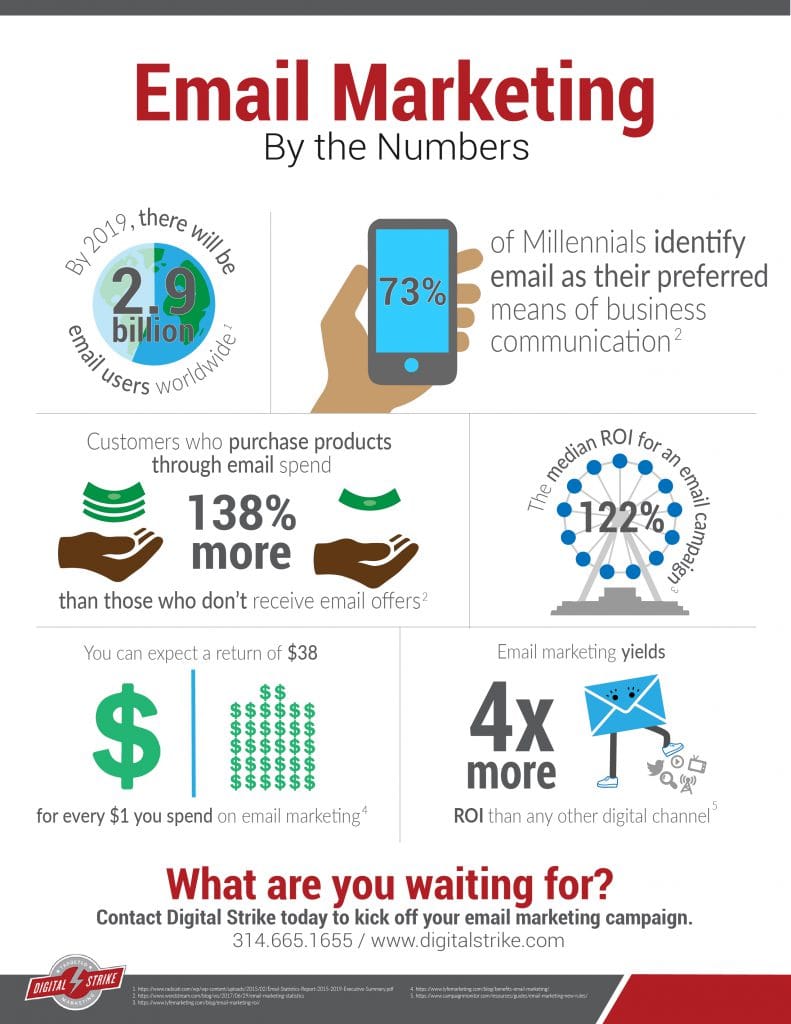
In today’s digital landscape, where businesses are inundated with various marketing avenues, email marketing still stands out as a pivotal tool for engaging customers. Unlike social media, where the algorithms can dictate visibility, email allows brands to maintain a direct line of communication with their audience. With a staggering return on investment (ROI) that can reach up to $42 for every dollar spent, businesses that harness the power of email marketing can transform their customer interactions significantly.
For instance, imagine a small local bakery that begins sending out monthly newsletters. They share not just promotions but also baking tips and seasonal recipes, cultivating a community around their brand. Such personalized touches can lead to increased customer loyalty and, ultimately, drive sales.
Some key reasons why email marketing should be a primary component of any marketing strategy include:
- Cost-Effectiveness : Email marketing is one of the most affordable marketing strategies available.
- Direct Engagement : It allows businesses to reach their target audience directly in their inbox.
- High Conversion Rates : Emails often lead to higher conversions compared to other marketing channels.
By implementing a thoughtful email marketing strategy, companies can build relationships that foster trust and encourage repeat business.
Role of Markate Platform
The Markate platform plays an essential role in amplifying the effectiveness of email marketing strategies. As an all-in-one marketing solution, Markate offers tools that streamline the process of creating, sending, and analyzing email campaigns. It caters to both novices and seasoned marketers by combining user-friendly interfaces with powerful features.
For example, Markate provides:
- Email Templates : Users can choose from a variety of customizable templates that suit their unique brand aesthetic, making it easy to create visually appealing messages.
- Automated Campaigns : With features that allow the automation of email campaigns, businesses can save time while ensuring their audience receives timely and relevant content.
- Analytics : Markate’s robust analytics tools enable users to track open rates, click-through rates, and conversion metrics, allowing for data-driven adjustments.
Additionally, Markate’s platform supports segmentation strategies, helping businesses target specific audience groups based on behaviors and preferences. This kind of targeted messaging enhances the relevance of communications, further increasing the chances of engagement and conversion.
In summary, email marketing’s significance in driving sales and fostering customer relationships cannot be overstated. With platforms like Markate facilitating these efforts, businesses of all sizes can leverage email marketing to its fullest potential. As we dive deeper into understanding return on investment and strategies for maximizing effectiveness, it’s clear that the foundations established in this introduction set the stage for a successful email marketing journey.
Understanding ROI in Email Marketing
Key Metrics to Measure
After establishing the importance of email marketing and the supportive role of platforms like Markate, it’s crucial to turn our attention to one of the most vital aspects of any marketing campaign: Return on Investment (ROI). Understanding ROI helps businesses gauge the effectiveness of their email marketing efforts and make informed decisions moving forward.
There are several key metrics that marketers should focus on when evaluating the performance of their email campaigns:
- Open Rate : This measures the percentage of recipients who open your email. High open rates often indicate that your subject lines are effective and that your audience is engaged.
- Click-Through Rate (CTR) : This metric shows the percentage of recipients who clicked on links within the email. A higher CTR signifies that your content resonates with your audience and encourages them to take action.
- Conversion Rate : This tracks the percentage of recipients who complete a desired action after clicking through your email, such as making a purchase or signing up for a webinar. This is perhaps the most telling metric when assessing the success of your campaign.
- Bounce Rate : This indicates the percentage of emails that were not delivered. A high bounce rate can affect your sender reputation and restrict future email deliveries.
- Unsubscribe Rate : Understanding how many recipients opt-out of your email list can help identify issues with content relevance or frequency.
Fortifying your understanding of these metrics can essentially simplify ROI evaluation and enhance campaign effectiveness.
Calculating ROI
Once you have a firm grasp on the key metrics, calculating ROI becomes a straightforward process. The fundamental formula to derive ROI from your email marketing campaigns is:
[ text{ROI} = frac{(text{Revenue} – text{Cost})}{text{Cost}} times 100 ]
For example, let’s consider a fictional scenario: A small business spends $500 on an email campaign, and as a result, it generates $2,500 in revenue. Plugging these numbers into the formula, the ROI would be:
[ text{ROI} = frac{(2500 – 500)}{500} times 100 = 400% ]
This means that for every dollar spent, the business earned $4, which showcases the substantial profitability of their email marketing efforts.
To make it even easier to visualize how ROI can fluctuate based on various factors, consider maintaining a table that tracks different campaigns’ costs and revenues. This not only aids in clarity but can also help identify patterns and areas for improvement.
In conclusion, comprehensively understanding key metrics and calculating ROI is paramount for business success in email marketing. By making data-driven decisions, marketers can continually refine their strategies, ensuring better engagement with their audience and ultimately higher returns. With these insights at their disposal, organizations can confidently embark on their email marketing journeys, reaping the rewards that come with effective communication.
Improving Email List Quality
Segmentation Strategies
To elevate the effectiveness of email marketing, understanding how to improve email list quality is essential. One of the most effective approaches to achieving this is through segmentation. By categorizing your email subscribers based on certain criteria, you can deliver personalized messages that resonate more deeply and drive engagement.
Segmentation can be based on various factors, including:
- Demographics : This includes age, gender, location, and other basic information. For instance, if a fitness brand wanted to promote a new yoga class, they might tailor this message specifically to female customers aged 25-40 living in urban areas.
- Behavior : Tracking how subscribers interact with your emails—such as their past purchases, website activity, and click patterns—can inform better segmentation. If a subscriber frequently clicks on links for financial products, they can receive tailored offers related to that interest.
- Engagement Levels : Grouping subscribers based on how often they open emails or click links helps in creating targeted campaigns. For less engaged users, you might consider a re-engagement campaign, encouraging them to take action and stay on your list.
Implementing segmentation strategies can lead to more relevant emails, which often translates into higher open rates and conversions. For example, a travel agency might send targeted emails about summer vacations to locations that international and domestic travelers previously expressed interest in, ensuring optimized relevance in content.
Data Cleaning Techniques
In tandem with effective segmentation, the importance of data cleaning cannot be overstated. A clean email list is foundational for successful email marketing campaigns. Regularly cleaning your email list ensures that you maintain a high level of deliverability while saving costs and resources.
Here are some key techniques for keeping your email list clean:
- Regularly Remove Inactive Subscribers : Monitoring engagement and removing subscribers who haven’t opened your emails in several months can significantly improve your open and click-through rates. A practice like this restores sender reputation and delivers healthier statistics.
- Employ Double Opt-In : Implementing a double opt-in process ensures that those who subscribe genuinely want to receive your emails. After someone subscribes, sending a confirmation email helps verify their interest and authenticity.
- Update Contact Information : Encourage subscribers to update their information periodically. Sending emails asking for updates not only keeps your list current but also shows your audience that you care about their preferences.
- Utilize Validation Tools : Various online tools can help validate email addresses at the point of entry, reducing the likelihood of incorrect or fake entries. Maintaining high-quality data from the start is a far more effective strategy than cleaning it up later.
In conclusion, focusing on improving email list quality through robust segmentation strategies and diligent data cleaning techniques will undoubtedly enhance the effectiveness of email campaigns. By ensuring that the right message reaches the right audience, businesses can pave the way for deeper connections and higher conversion rates. As marketers refine their strategies in these areas, they’ll likely see tangible improvements in their overall email marketing ROI.
Enhancing Email Content
Personalization Tips
In the competitive world of email marketing, creating compelling content is crucial for capturing the attention of your audience. Personalization is one of the most powerful tools at your disposal, allowing you to craft messages that resonate with individual preferences and behaviors. Personalized emails not only foster deeper connections but can also significantly increase engagement rates.
Here are some effective personalization tips:
- Use Recipient’s Name : An easy and effective way to personalize an email is to include the recipient’s name in the subject line and greeting. For example, “Sarah, check out our latest offers!” feels much more engaging than a generic hello.
- Segment Based on Behavior : Refer back to our previous discussion on segmentation. By tailoring content based on previous purchases or browsing behavior, businesses can create emails that feel customized. For instance, if a customer regularly browsed winter jackets, sending them emails about new arrivals in that category makes sense.
- Dynamic Content : Utilize tools that allow for dynamic content insertion. This means that based on the recipient’s interests or demographics, the email can display different images, offers, or even entire sections. As a result, subscribers receive content that is relevant to them personally.
- Follow Up : After a purchase, send personalized follow-up emails asking for feedback or suggesting complementary products. “Since you bought XYZ, you might also like ABC!” can encourage repeat purchases.
By incorporating these personalization strategies, businesses can create more engaging and effective email content, fostering loyalty and driving conversions.
A/B Testing Best Practices
Once you’ve developed personalized email content, it’s essential to refine it further through A/B testing. This practice allows marketers to understand what resonates best with their audience. A/B testing involves sending two variations of an email to different segments of your subscriber list to see which performs better.
To get the most out of your A/B tests, consider the following best practices:
- Test One Element at a Time : Whether it’s the subject line, call-to-action (CTA), or visuals, isolate one variable for each test. For example, test two different subject lines: “Discover Our New Collection” vs. “Sarah, Your Exclusive Sneak Peek Awaits!” This helps clarify which change led to improved performance.
- Use a Sufficient Sample Size : Ensure that you’re sending your tests to a large enough segment of your list to achieve statistically significant results. Testing with just a handful of recipients can lead to misleading conclusions.
- Analyze the Results Honestly : A/B testing is a learning opportunity, not just a competition. Look beyond open rates and consider the impact on click-through rates and conversion rates. A subject line that garners high open rates may not lead to sales if the content isn’t consistent with what subscribers expected.
- Iterate Based on Findings : Once you’ve analyzed your A/B test results, apply what you learned to future campaigns. This iterative approach allows marketers to continuously enhance their email strategies.
In summary, enhancing email content through personalization and consistent A/B testing allows businesses to engage their audience more effectively. By creating messages that truly resonate and regularly refining content based on testing outcomes, marketers can contribute significantly to overall campaign success, enjoying higher open rates, increased engagement, and ultimately, improved ROI.
Optimizing Email Sending Time
Timing Strategies
As the adage goes, “timing is everything,” and this holds true in the world of email marketing as well. The time you choose to send your emails can dramatically impact engagement rates, open rates, and ultimately, conversion rates. Understanding the nuances of your audience and employing effective timing strategies can take your email campaigns to the next level.
Here are some practical timing strategies to consider:
- Know Your Audience : The best time to send an email can vary significantly based on your target demographic. For instance, marketing emails aimed at busy professionals might perform better during lunchtime or late afternoons, while emails targeting stay-at-home parents may have better engagement during mid-mornings. To find the optimal sending times, analyze your audience’s lifestyle and habits.
- Test Different Days and Times : Conducting tests to determine the best day and time for your email campaigns is beneficial. A/B testing can be particularly informative here. For example, you might discover that emails sent on Wednesdays at 10 AM yield higher open rates than those sent on Fridays after work.
- Utilize Industry Benchmarks : While your audience’s habits are paramount, starting with industry benchmarks can provide a useful reference point. Research in your specific sector can yield insights into when similar companies see the most engagement in their email campaigns.
- Monitor Seasonal Trends : Keep in mind that certain seasons or holidays can influence when your audience is most receptive. For example, sending holiday promotions during the last week of November might be ideal, but if you wait until December, you may miss out on early-bird shoppers.
By implementing these timing strategies, marketers can ensure that their emails are landing in the inboxes of their subscribers at the right moment, maximizing their chances of engagement.
Automated Scheduling Tools
To execute effective timing strategies sustainably, automated scheduling tools can be invaluable. These tools not only allow you to set specific times for your emails to be dispatched but also provide other features that can enhance overall email marketing effectiveness.
Here’s how automated scheduling tools can help:
- Enhanced Flexibility : Automation allows marketers to schedule their emails in advance. For instance, if you know that a particular campaign is best sent on a specific day and time, you can prepare it ahead of time and avoid last-minute rushes.
- Time Zone Optimization : Automated tools often come with features that allow you to send emails based on the recipient’s time zone. This ensures that emails arrive when they are most likely to be opened, regardless of where the subscriber is located.
- Segmentation and Personalization : Much like personalization, automated tools can assist with targeted scheduling. For example, if you have segmented your list based on engagement levels, you might choose to send win-back campaigns to less engaged users at a time you’ve determined is optimal for them.
- Integration with Analytics : Many of these tools offer analytics features that provide insights into the effectiveness of your timing strategies. Seeing how different send times impact engagement can inform your future marketing efforts and guide you in making data-driven decisions.
In summary, optimizing email sending times through thoughtful timing strategies and leveraging automated scheduling tools is essential for maximizing engagement in your email marketing campaigns. By understanding when your audience is most receptive, marketers can enhance their communication efforts, ultimately leading to increased open rates, click-through rates, and conversions. As you refine these elements, the impact on your overall email marketing success will be profound.