

Introduction
Importance of Email Marketing in Automotive Industry
Email marketing has increasingly taken center stage in the automotive industry as a vital tool for engagement and conveying information. Unlike traditional advertising, email marketing allows dealerships and automotive businesses to establish direct lines of communication with potential and existing customers. This personalized approach helps cultivate relationships, which is crucial in a highly competitive market.
Consider the example of a local dealership that regularly sends tailored emails to its customer base. By featuring exclusive offers, service reminders, and informative content about new car models, they foster a sense of loyalty while keeping their audience informed. The result? Increased foot traffic and higher conversion rates.
Key benefits of email marketing in the automotive sector include:
- Cost Efficiency: A budget-friendly alternative compared to traditional marketing.
- Measurable Results: Analytics provide insights into open rates and customer engagement.
- Direct Targeting: Reaching specific segments enhances customer experience.
Overview of Cruise to Success Approach
To fully harness the power of email marketing, automotive businesses can adopt the Cruise to Success approach. This multi-faceted strategy emphasizes the importance of thorough audience understanding, compelling content creation, and ongoing relationship building. By following this framework, businesses can drive customer engagement and foster long-term relationships, ultimately steering their way to success in the automotive market.
With this approach, companies craft messages tailored to customer preferences while strategically utilizing automation tools for efficiency. As we delve deeper into each aspect of this approach, the benefits and tactics will become increasingly clear. Stay tuned as we explore how to navigate this dynamic landscape effectively!

Understanding the Target Audience
Segmenting Your Email List
Once a business has established the importance of email marketing, the next crucial step is understanding its target audience. This begins with segmenting your email list—an exercise that empowers automotive businesses to tailor their messaging effectively. By categorizing customers based on demographics, interests, or purchasing history, companies can send targeted emails that resonate more deeply.
For example, a dealership might segment their email list into categories like:
- New Car Buyers: Targeted with promotions on the latest models.
- Service Customers: Sent reminders for maintenance and exclusive service discounts.
- Loyal Customers: Offered loyalty rewards or invitations to exclusive events.
Effective segmentation not only improves open rates but also drives customer engagement and satisfaction.
Personalizing Email Content
Following segmentation, the next step is personalizing the email content—where the real magic happens. Personalization goes beyond simply using a customer’s name; it involves tailoring the content to reflect their needs and preferences.
Consider sending personalized recommendations based on past purchases. For instance, if a customer recently bought a sedan, they might appreciate receiving tips on how to maintain it, or exclusive offers on accessories tailored for sedans.
Key tips for effective personalization include:
- Dynamic Content: Use data-driven insights to present relevant information.
- Behavioral Targeting: Acknowledge past behaviors or interactions for precise messaging.
- Engagement Invitations: Encourage two-way communication by inviting feedback or questions.
Incorporating these practices enriches the customer experience and builds brand loyalty, helping automotive businesses stand out in a crowded marketplace.
Crafting Compelling Email Content
Writing Effective Subject Lines
Once businesses have a well-segmented and personalized email list, the next step is crafting compelling content that captures attention. It all starts with the subject line—essentially the make-or-break factor for whether an email gets opened. A well-crafted subject line should be concise, specific, and evoke curiosity.
Consider these effective strategies for writing subject lines:
- Ask Questions: Engaging your audience with a question can pique their interest. For example, “Ready for a Test Drive in the Latest Model?”
- Use Numbers: Listicles are appealing. Try something like “5 Essential Tips for Your Car’s Winter Maintenance.”
- Create Urgency: Phrases like “Limited Time Offer” or “Last Chance” encourage immediate action.
Keep in mind that A/B testing different subject lines can provide insights into what resonates best with your audience.
Designing Engaging Email Templates
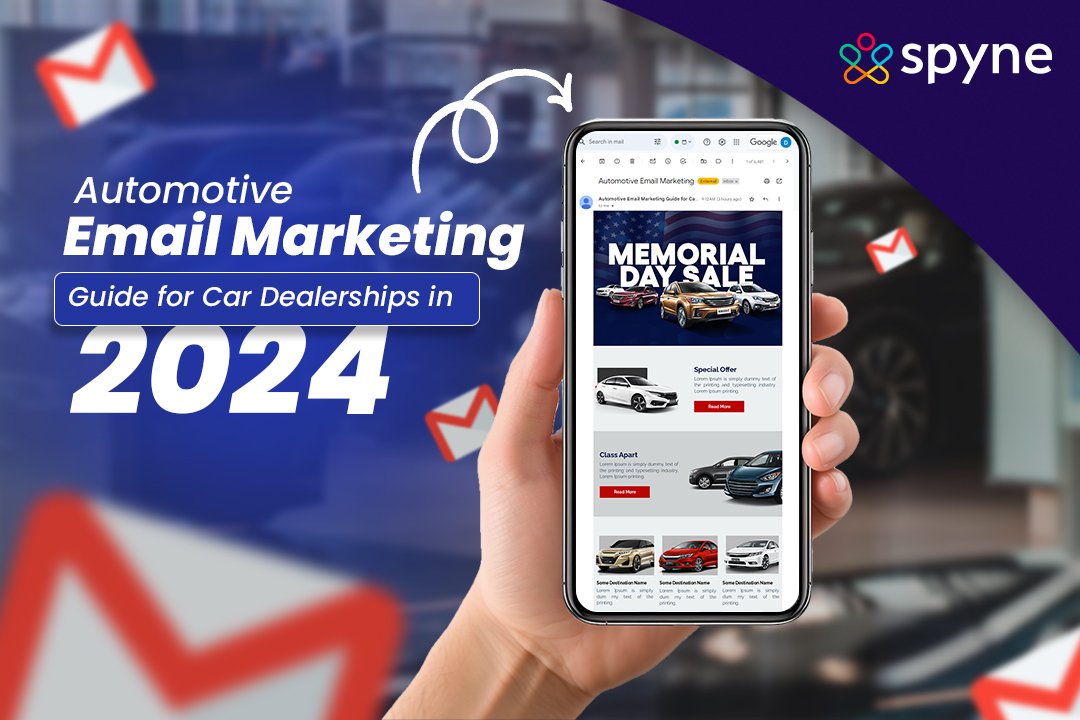
Following attention-grabbing subject lines, the next essential component is the design of the email itself. A well-designed template can significantly enhance user experience and the overall effectiveness of the email.
Key considerations for designing engaging email templates include:
- Mobile Responsiveness: With many users accessing emails on mobile devices, a responsive design ensures readability across all platforms.
- Clear Calls-to-Action (CTAs): Make sure CTAs stand out. Use buttons with actionable phrases like “Book Your Service Today” to guide readers.
- Visual Appeal: Incorporate high-quality images and an appealing layout. A visually attractive email keeps readers engaged longer.
Combining effective subject lines with engaging designs leads to a greater likelihood of email opens and interactions, steering the automotive marketing strategy toward success.
Leveraging Automation Tools
Implementing Drip Campaigns
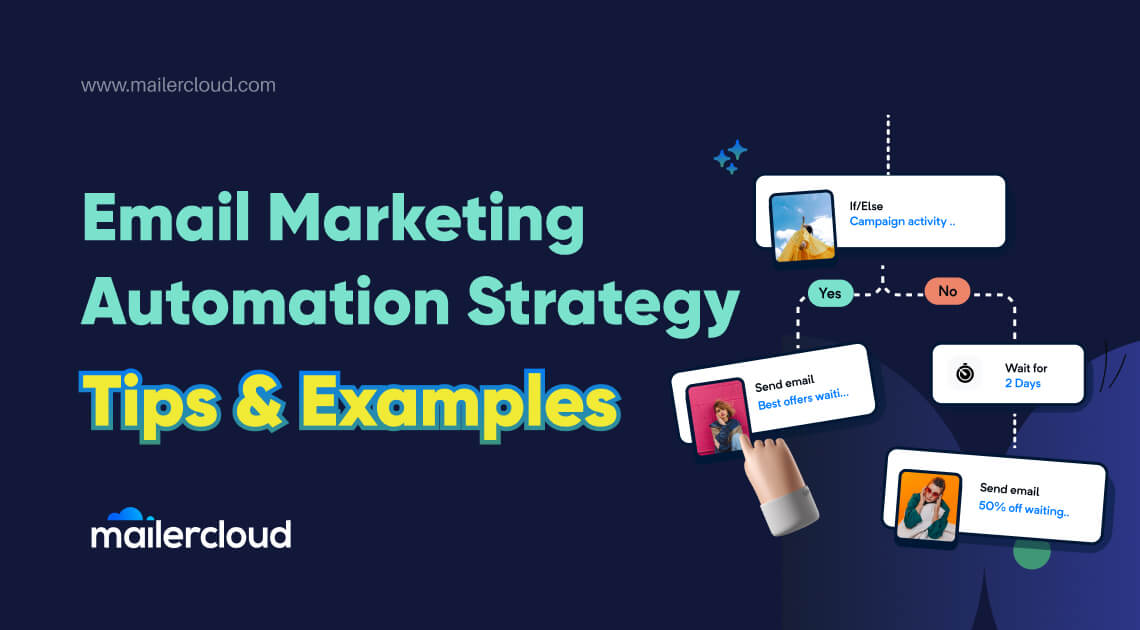
As businesses refine their email marketing strategies, leveraging automation tools becomes essential. One of the most effective ways to utilize automation is through drip campaigns—automated sequences of emails sent out at specified intervals. These campaigns nurture leads over time, providing them with valuable information at each stage of the customer journey.
For example, a car dealership might set up a drip campaign for new prospects who have shown interest in buying a vehicle. The sequence could look like this:
- Email 1: Welcome message introducing the dealership and its offerings.
- Email 2: Educational content on the latest models and features.
- Email 3: Customer testimonials showcasing positive experiences.
- Email 4: A special promotion to encourage a visit or test drive.
By scheduling these emails, the dealership maintains consistent communication, ensuring prospects remain engaged without being overwhelmed.
Utilizing Behavioral Triggers
In addition to drip campaigns, utilizing behavioral triggers can significantly enhance email marketing efforts. Behavioral triggers are automated emails sent in response to specific actions taken by a customer, such as browsing a website or leaving items in their cart.
For instance, if a customer visits a dealership’s website and spends time looking at an SUV, a triggered email could encourage them to schedule a test drive or provide additional information about financing options. Key benefits of using behavioral triggers include:
- Timeliness: Responding to customer actions in real-time boosts relevance.
- Increased Engagement: Triggered emails typically have higher open and click-through rates.
- Personalization: Tailoring content based on actions makes messages feel more relevant.
By effectively implementing drip campaigns and utilizing behavioral triggers, automotive businesses can optimize their email marketing efforts, guiding prospects and customers along their unique journeys toward making purchases.
Analyzing Metrics and Optimization
Tracking Email Performance
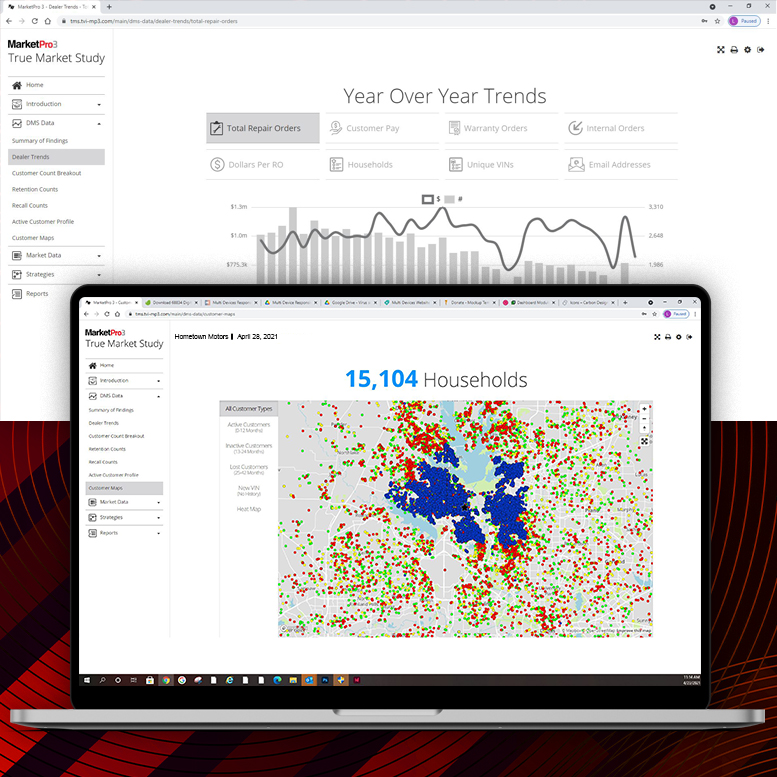
Once the emails are sent and the campaigns are in motion, the next crucial step is analyzing their performance. Tracking email performance is essential to understand what’s working and what needs improvement.
Key metrics to monitor include:
- Open Rates: This tells you how many people opened your email, indicating how effective your subject lines are.
- Click-Through Rates (CTR): This measures how many recipients clicked on links within your email, revealing the effectiveness of your content and CTAs.
- Conversion Rates: This metric tracks how many users completed a desired action, such as scheduling a test drive or signing up for a newsletter.
For example, a dealership might notice low open rates on their monthly newsletter. By analyzing the subject lines and adjusting them strategically, they can identify ways to boost interest.
A/B Testing Strategies
To optimize future email campaigns, implementing A/B testing strategies can be incredibly beneficial. A/B testing involves sending two variations of an email to determine which one performs better.
Here’s how to approach A/B testing effectively:
- One Variable at a Time: Change only one element, such as the subject line or CTA, to identify what influences engagement.
- Sample Size: Ensure you have a large enough audience for your test to achieve statistically significant results.
- Analyze Results: After the test, evaluate which version resonated more and use that insight for future emails.
For instance, if one version of an email elicited a higher CTR than another, it could inform future content decisions. By consistently tracking performance and experimenting with A/B testing, automotive businesses can refine their strategies for even greater email marketing success.
Building Customer Relationships
Encouraging Customer Feedback
As automotive businesses delve deeper into their email marketing strategies, one of the most impactful ways to build strong customer relationships is by encouraging feedback. Understanding customer opinions not only enhances service but also shows that the business values their customers’ voices.
A simple way to gather feedback is through post-purchase surveys sent via email. For example, after a customer buys a vehicle, a dealership might send a friendly email asking how satisfied they are with their new car and their overall experience. Key elements to include in these surveys could be:
- Star Ratings: Quick and easy way for customers to express satisfaction.
- Open-Ended Questions: Allowing customers to provide detailed comments can yield valuable insights.
Incorporating this feedback into service improvements fosters trust—customers appreciate knowing their input matters.
Creating Loyalty Programs
In addition to gathering feedback, creating loyalty programs is a fantastic way to strengthen customer relationships. Loyalty programs reward customers for their continued engagement, turning occasional buyers into lifelong patrons.
A dealership might offer:
- Points for Every Purchase: Customers earn points that can be redeemed for discounts on services or future vehicle purchases.
- Exclusive Access: Early access to promotions or invites to special events for loyalty members.
- Referral Bonuses: Encouraging satisfied customers to refer friends and family with incentives.
By implementing these loyalty strategies, automotive businesses not only retain customers but also cultivate brand advocates. A focus on feedback and loyalty initiatives creates a strong foundation for lasting relationships, benefiting all parties involved.
Integrating Social Media Platforms
Cross-Promoting Email Campaigns
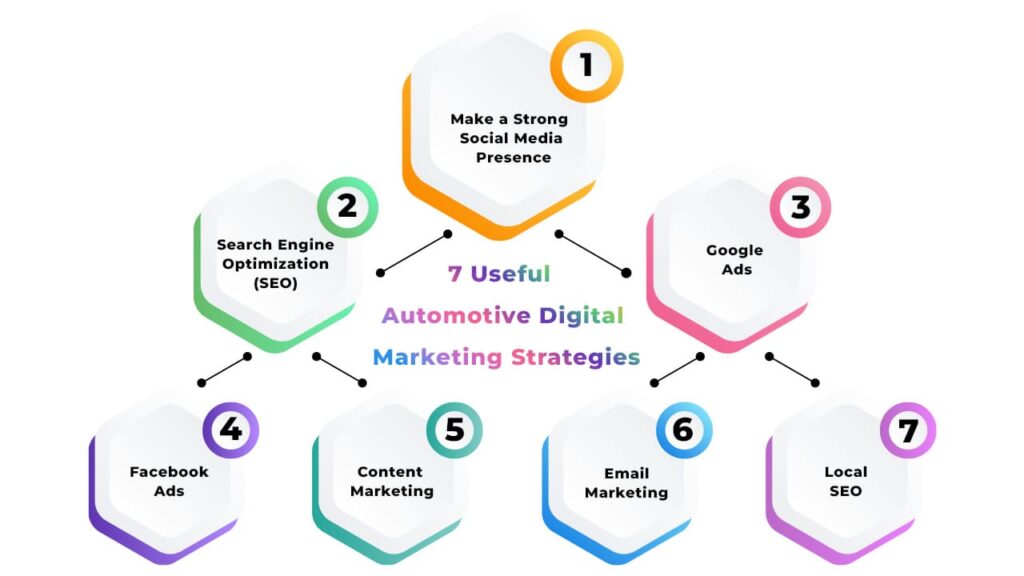
As automotive businesses look to enhance their marketing strategies, integrating social media platforms into their email campaigns can prove immensely beneficial. Cross-promotion allows businesses to reach a wider audience and drive more traffic to their email newsletter sign-up forms.
For instance, a dealership might create a compelling social media post highlighting a limited-time offer illustrated through high-quality images of featured vehicles. In the text, they can encourage followers to sign up for their email list to receive exclusive insights or additional discounts. This kind of synergy not only boosts email list growth but also serves to engage followers directly in both spaces.
Consider using:
- Sneak Peeks: Tease upcoming email promotions on social media.
- Call-to-Actions (CTAs): Include prompts in social posts that urge users to check their inbox for exciting updates.
- Incentives: Offer a small discount or giveaway for those who sign up via social media.
Engaging with Customers on Social Media
In tandem with cross-promotion, actively engaging with customers on social media is crucial for building a loyal community. Responding to comments, addressing concerns, and encouraging conversations helps create a vibrant online presence.
For example, if a customer posts about their recent vehicle purchase, the dealership can comment to congratulate them and invite them to share their experience through an email survey. This not only strengthens the relationship but also opens up avenues for customer-generated content.
Furthermore, engaging with customers through polls or Q&A sessions on platforms like Instagram or Facebook can provide valuable insights into customer preferences, which can, in turn, influence email marketing strategies.
By successfully integrating social media platforms within email campaigns, automotive businesses can enjoy enhanced engagement and a more cohesive brand presence both online and offline.

Compliance and Data Security
Ensuring GDPR Compliance
In today’s digital era, ensuring compliance with regulations like the General Data Protection Regulation (GDPR) is not just essential—it’s a legal requirement for businesses operating in or engaging with customers in the European Union. The stakes are high; non-compliance can result in severe fines and damage to a brand’s reputation.
To achieve GDPR compliance, automotive businesses should adopt a few key practices:
- Obtain Explicit Consent: Always ask customers for their consent before sending marketing emails. This consent must be clear, informed, and revocable.
- Provide Transparency: Clearly inform customers about how their data will be used, stored, and managed.
- Enable Data Access: Allow customers to request access to their personal data and the option to delete their information upon request.
For example, including an easy-to-understand privacy policy link in emails can help build trust with customers.
Securing Customer Data
Beyond compliance, securing customer data is paramount to maintaining a positive relationship with your audience. Businesses need to prioritize data protection to safeguard their customers’ information from breaches or unauthorized access.
Here are some key strategies to consider:
- Use Encryption: Encrypt sensitive data both in transit and at rest to make it difficult for unauthorized parties to access.
- Regular Security Audits: Conduct routine security assessments to identify vulnerabilities and ensure ongoing data protection.
- Educate Employees: Train staff on best practices and protocols for data security to mitigate human error.
By implementing robust data security measures alongside compliance strategies, automotive businesses can not only protect their customers’ information but also enhance their brand reputation and customer trust in a competitive digital landscape.

Collaborating with Influencers
Partnering with Industry Influencers
As automotive businesses continue to seek innovative ways to engage with customers, collaborating with industry influencers can serve as a powerful strategy. Influencers already have established credibility and a loyal following, making them ideal partners for reaching new audiences and enhancing brand visibility.
For instance, a local dealership could partner with an automotive enthusiast who has a strong social media presence. By having the influencer test-drive a featured vehicle and share their experience online, the dealership can benefit from authentic content that resonates with followers. Important considerations for successful partnerships include:
- Choosing the Right Influencer: Ensure the influencer aligns with your brand values and targets the same demographic.
- Establishing Clear Goals: Define what success looks like for both parties, whether it’s increased website traffic or email sign-ups.
- Engagement Tracking: Monitor engagement metrics to assess the return on investment (ROI) for the campaign.
Leveraging Influencer Marketing for Emails
Once a partnership is established, leveraging influencer marketing within email campaigns can amplify the impact even further. This can be done by featuring testimonials or content created by the influencer directly in your newsletters.
For example, if the influencer shares a video review of a new model, embedding this in an email can entice subscribers to click through and watch the review. Here are some ways to effectively integrate influencer content into email marketing:
- Highlight Influencer Quotes: Featuring quotes or insights from influencers can lend credibility to your messages.
- Exclusive Promotions: Collaborate with influencers to offer exclusive deals or promotions to their followers through email channels.
- Showcasing Collaborative Content: Share pictures or videos of the influencer engaging with your products to make emails visually appealing.
By adding influencer-driven content to email strategies, automotive businesses can create more engaging communications while tapping into the influencers’ audiences, ultimately driving higher engagement rates and fostering stronger customer connections.

Future Trends in Automotive Email Marketing
AI Integration in Email Campaigns
As the landscape of automotive email marketing continues to evolve, one of the most promising trends is the integration of Artificial Intelligence (AI) into email campaigns. AI technologies can analyze vast amounts of data to identify patterns and behaviors, allowing businesses to refine their targeting strategies with remarkable precision.
For instance, AI can help determine the best time to send emails based on recipient behavior, ensuring messages arrive when customers are most likely to engage. Additionally, AI-powered tools can segment audiences more effectively, enabling greater customization based on customer preferences and past interactions.
Key applications of AI in email marketing include:
- Predictive Analytics: Anticipating customer needs and preferences to better tailor email content.
- Automated Content Creation: Utilizing AI to generate personalized subject lines and email body content based on individual consumer profiles.
- Enhanced A/B Testing: Quickly assessing which elements of an email perform better through machine learning algorithms.
Personalization at Scale
Following closely behind AI integration is the trend of personalization at scale. As customers increasingly expect tailored experiences, automakers must leverage technology to provide relevant and engaging emails to large audiences without sacrificing a personal touch.
This can be achieved by:
- Dynamic Content: Using data to alter email content based on individual recipient characteristics or behaviors while sending the same base template.
- Lifecycle Emailing: Creating automated email series that correspond to specific customer stages, from initial interest to post-purchase follow-ups.
- Behavioral Insights: Analyzing real-time customer interactions to adjust messaging promptly and effectively.
By embracing these future trends—AI integration and personalized experiences—automotive businesses can not only enhance their email marketing efforts but also create meaningful connections with customers, driving engagement and loyalty in an ever-competitive market.