
Introduction
Definition of Remote Work Revolution
The remote work revolution signifies a profound shift in the traditional workplace model. With technological advancements and changing workforce dynamics, many businesses have embraced flexibility, allowing employees to work from anywhere. This transformation began gaining momentum during the global pandemic, as companies quickly adapted to remote operations to maintain productivity.
Today, remote work isn’t just a temporary solution; it’s become a sustainable option for many industries. Research indicates that a significant percentage of professionals prefer remote or hybrid work models, leading to increased demand for flexible job opportunities.
Overview of Email Marketing Job Trends
As the world adapts to this new work environment, the email marketing sector is experiencing notable growth. Companies recognize the power of targeted marketing strategies, and email remains a cornerstone of digital communication, ensuring continued demand for skilled professionals in this field.
Key trends in the email marketing job market include:
- Increased Job Openings : The rise of remote work has expanded geographic boundaries, allowing companies to tap into a global talent pool.
- Focus on Personalization : Brands are investing more in personalized marketing campaigns, driving the need for specialists who can craft tailored messages.
- Integration of Automation : With the adoption of automation tools, the efficiency and effectiveness of email marketing have skyrocketed, creating new roles focused on managing these technologies.
Overall, the combination of rising remote job opportunities and the increasing significance of email marketing makes this an exciting time for aspiring professionals in these fields.

Growth of Remote Work
Increase in Remote Job Opportunities
As the remote work revolution continues to unfold, the number of job opportunities available in this space is on the rise. For example, American companies alone have seen a 30% increase in listings for remote positions over the last few years. This trend is particularly noticeable in sectors like technology, marketing, and customer support.
When Sarah, a marketing professional, decided to shift her career to remote work, she found an abundance of options. She leveraged platforms like LinkedIn and Remote.co, where she discovered roles that suited her skills without geographical constraints.
Noteworthy developments include:
- Diverse Job Roles : From project managers to graphic designers, various positions now offer remote potential.
- Startup Growth : Many startups embrace a fully remote model, fostering a culture of flexibility and innovation.
Advantages of Remote Work
The advantages of remote work go beyond just the convenience of working from home. Many individuals and companies are discovering the benefits of this arrangement, enhancing productivity and job satisfaction.
Consider these benefits:
- Work-Life Balance : Employees have more control over their schedules, allowing for better management of personal and professional obligations.
- Cost Savings : Eliminating commuting costs and office attire expenses can lead to significant savings for both employees and employers.
- Access to Global Talent : Companies can recruit the best talent from around the world, enriching team diversity.
As the landscape continues to evolve, it’s clear that remote work offers a plethora of opportunities and advantages that are reshaping how businesses operate and employees engage with their work.
Email Marketing Job Market
Demand for Email Marketing Specialists
With the growth of remote work, there’s been a notable surge in demand for email marketing specialists. Companies now recognize the crucial role that email plays in driving sales and building customer relationships. For instance, a local coffee shop that transitioned to online sales saw a 50% increase in new customers after launching an email campaign targeting local patrons.
The demand manifests in multiple ways:
- Increased Job Openings : Many organizations actively seek out talented email marketers, with estimates suggesting a growth rate of around 7% in job postings for this role annually.
- Diverse Industries : From e-commerce to non-profits, every sector requires email marketing expertise to engage their audiences effectively.
Salary Trends in Email Marketing
As demand escalates, so do salary expectations in the email marketing niche. On average, email marketing specialists can expect to earn between $50,000 and $75,000 annually, depending on their experience and the complexity of the role.
Consider the following salary trends:
- Entry-Level Positions : Typically earn around $45,000 as they develop their skills and experience.
- Mid-Level Positions : Can command salaries ranging from $60,000 to $85,000.
- Senior-Level Roles : Experienced marketers with extensive portfolios often earn upwards of $100,000.
With a robust outlook for email marketing professionals, this field presents promising career opportunities and competitive salaries, making it an attractive choice for many job seekers in today’s market.
Skills Required for Email Marketing
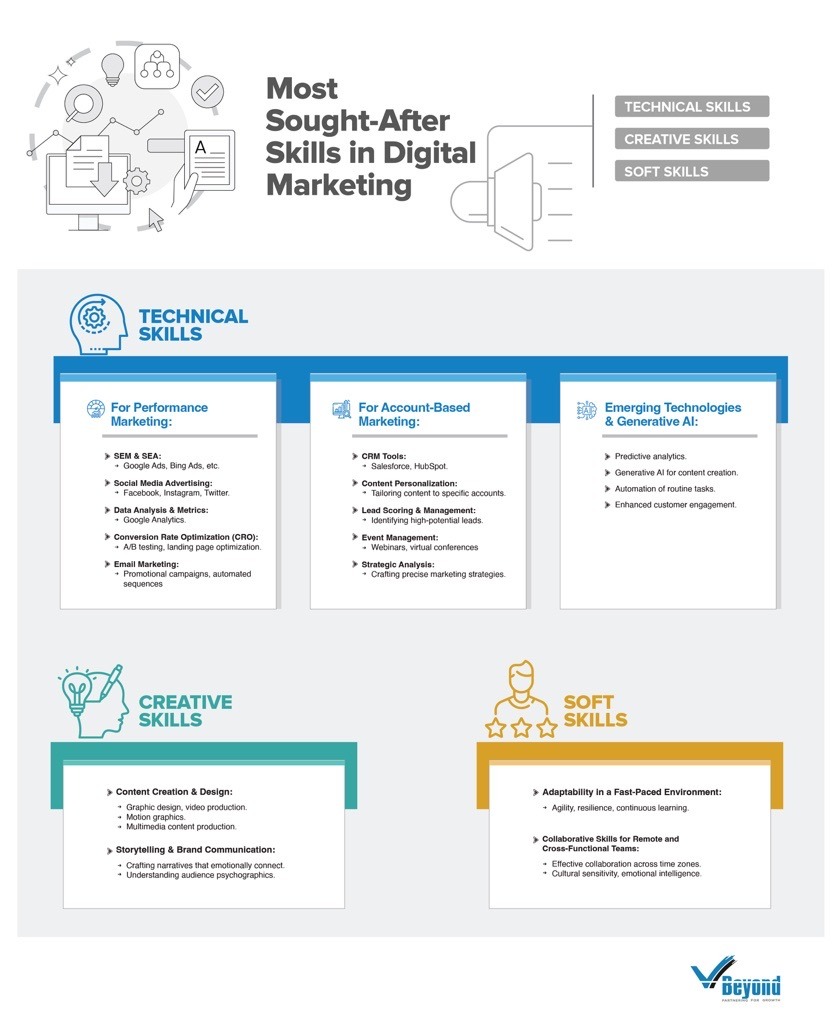
Analytical Skills
With the email marketing job market booming, having robust analytical skills is essential for success in this field. Email marketers must not only design eye-catching campaigns but also analyze their performance to understand what works. For instance, when Mike, a seasoned email marketer, launched a campaign, he closely monitored open and click-through rates using tools like Google Analytics.
The key analytical skills required include:
- Data Interpretation : Ability to dissect campaign data and derive actionable insights.
- A/B Testing : Expertise in running split tests to determine the most effective subject lines or layouts.
- Reporting : Crafting clear reports that convey performance metrics to stakeholders.
These skills enable marketers to refine their strategies continually, ensuring future campaigns resonate with their audiences.
Creative Skills
On the flip side, creative skills play a significant role in distinguishing successful email marketing campaigns from the rest. Creativity isn’t just about pretty visuals; it’s about crafting compelling content that engages readers.
Example highlights include:
- Copywriting Talents : Writing captivating subject lines and engaging body content that drives action.
- Visual Design : Composing visually appealing emails that align with brand identity while capturing attention.
- Storytelling Ability : Using narratives to connect emotionally with subscribers, enhancing brand loyalty.
Combining analytical and creative skills becomes the secret sauce for email marketers’ success, making them valuable assets to any organization aiming to maximize their reach and impact in the digital space.

Tips for Email Marketing Job Seekers
Building a Strong Portfolio
For those embarking on a career in email marketing, a robust portfolio is essential. It serves as a tangible demonstration of your skills and creativity to potential employers. Take Anna, for example, a recent marketing graduate who landed her dream job at a tech startup largely because of her impressive portfolio.
Consider these tips for building a strong portfolio:
- Showcase Diverse Work : Include a variety of campaigns, from promotional outreach to newsletters and event invitations, to highlight your versatility.
- Focus on Results : Whenever possible, quantify your successes. For instance, note how a particular email campaign increased open rates by 30% or boosted conversions by 15%.
- Include Personal Projects : If you lack professional experience, create mock campaigns for fictional brands or volunteer your services for non-profit organizations.
Having a well-rounded portfolio will not only set you apart but also boost your confidence during interviews.
Networking in the Industry
Networking is another critical component for email marketing job seekers looking to kickstart their careers. Building relationships can open doors to hidden job opportunities and provide invaluable insights into industry trends.
Here are some effective networking strategies:
- Join Professional Groups : Engage with platforms like LinkedIn and specific Facebook groups focused on digital marketing and email strategies.
- Attend Industry Events : Participate in webinars, workshops, or conferences to connect with like-minded professionals. These interactions often lead to mentorship opportunities or job referrals.
- Engage on Social Media : Follow influential email marketers on Twitter and share relevant content to boost your visibility within the community.
By combining a strong portfolio with proactive networking, aspiring email marketers can significantly enhance their chances of landing a fulfilling position in this dynamic field.
Current Trends in Email Marketing
Personalization and Segmentation Strategies
As email marketing evolves, personalization and segmentation have emerged as critical strategies for success. Gone are the days of one-size-fits-all campaigns; today, savvy marketers understand the importance of crafting tailored messages that resonate with individual subscribers. For example, Julia, an email marketing manager, saw a 40% increase in engagement rates by implementing personalized recommendations based on customers’ previous purchases.
Implementing these strategies includes:
- Dynamic Content : Using data to change email content based on subscriber behavior or preferences, ensuring relevance.
- Behavioral Targeting : Sending targeted emails based on a user’s interaction history, such as cart abandonment or browsing behavior.
- Segmentation : Dividing email lists into smaller groups based on demographics or interests to create more meaningful communication.
Automation Tools in Email Marketing
Automation tools have also transformed how businesses approach email marketing. By streamlining processes, these tools allow marketers to focus on strategy while managing intricate tasks efficiently.
Key benefits of automation include:
- Efficient Campaign Management : Scheduling and sending emails based on subscribers’ time zones to ensure optimal open rates.
- Triggered Emails : Automatically sending responses after specific actions—like signing up for a newsletter or making a purchase—fosters timely engagement.
- Analytics and Reporting : Automation tools provide detailed reports that track performance metrics, enabling marketers to adjust strategies on-the-fly.
Embracing personalization, segmentation, and automation not only enhances the efficiency of email campaigns but also drives better customer engagement, setting the stage for strengthened brand loyalty and increased conversions in today’s competitive landscape.
Challenges of Remote Work
Communication Issues
While remote work offers flexibility, it also presents a unique set of challenges, with communication issues being at the forefront. Many employees, like Tom, an IT consultant, have found that the lack of face-to-face interaction can lead to misunderstandings and feelings of isolation.
Key communication challenges include:
- Misinterpretation : Text-based communication can often miss the nuances of tone and body language, leading to confusion.
- Time Zone Differences : Coordinating meetings across different time zones can complicate collaboration and delay responses.
- Technology Overload : With numerous tools available, employees may feel overwhelmed by constant notifications and the pressure to remain connected.
Work-Life Balance
Another significant challenge remote workers face is maintaining a healthy work-life balance. The boundary between personal and professional time can blur, often leading to longer hours and increased stress. For example, Lisa, a remote project manager, struggled initially to “switch off,” finding herself checking emails late into the night.
To navigate these challenges, consider these tips:
- Set Clear Hours : Establish specific work hours and communicate them to colleagues to reinforce boundaries.
- Designate a Workspace : Create a dedicated workspace at home to help mentally separate work from personal life.
- Embrace Breaks : Schedule regular breaks throughout the day to recharge and maintain productivity.
By addressing communication issues and actively working to maintain a work-life balance, remote employees can improve their overall job satisfaction and well-being while navigating this growing trend.
Training and Education in Email Marketing
Online Courses and Certifications
To thrive in the competitive field of email marketing, gaining relevant training and education is paramount. Online courses and certifications provide aspiring marketers with the skills and knowledge necessary to excel in this dynamic domain. For instance, Jenna, who transitioned from a general marketing role to email marketing, found immense value in platforms like Coursera and HubSpot Academy.
Consider these popular options:
- HubSpot Email Marketing Certification : A foundational course covering the essentials of email marketing strategy, design, and analytics.
- Google Analytics Academy : Understanding data analytics is crucial for measuring campaign success, making this course particularly beneficial.
- Mailchimp Academy : Focusing specifically on one of the leading email marketing platforms, this training dives into best practices for campaign management.
These courses not only enhance skills but also provide credentials that can bolster a resume.
Internship Opportunities
In addition to formal courses, internship opportunities are invaluable for gaining hands-on experience. Many organizations look for interns to assist with their email marketing efforts, providing a practical learning environment.
Here’s why internships are crucial:
- Real-World Experience : Internships allow you to apply theoretical knowledge to actual projects, making learning more effective.
- Networking : Working alongside professionals can lead to mentorship opportunities and valuable industry connections.
- Skill Development : You get the chance to develop soft skills like communication and teamwork, alongside technical skills relevant to email marketing.
By seeking out online courses and internship opportunities, aspiring email marketers can equip themselves with the necessary tools and experience to thrive in this evolving industry.
Remote Work Productivity
Time Management Techniques
Effective time management is crucial for remote work productivity. With the distractions of home, it can be challenging to maintain focus. For example, Jessica, a freelance writer, found herself struggling to meet deadlines until she adopted structured time management techniques.
Here are some techniques she swears by:
- Pomodoro Technique : This method involves working in focused bursts of 25 minutes followed by a 5-minute break. After four cycles, a longer break is taken. This helps maintain concentration and reduce burnout.
- Prioritization : Utilizing tools like the Eisenhower Matrix, Jessica sorts tasks based on urgency and importance, ensuring critical tasks are addressed promptly.
- Daily Planning : Each morning, she outlines her goals for the day, keeping her focused on what needs to be accomplished.
Setting Up a Home Office
Another vital aspect of remote work productivity is creating an effective home office. The right environment can significantly enhance focus and efficiency. When Alex transitioned to remote work, he learned the importance of a dedicated workspace.
Consider these tips for setting up your home office:
- Choose the Right Space : Select a quiet area in your home, away from distractions, to set up your office.
- Ergonomics Matter : Invest in a comfortable chair and desk to support good posture and prevent physical strain.
- Personalize Your Space : Adding plants or personal touches can create a positive atmosphere that makes working more enjoyable.
By mastering time management techniques and setting up a conducive workspace, remote workers can drastically improve their productivity, making the most of their valuable time.
Future of Email Marketing
Emerging Technologies in Email Marketing
As email marketing continues to evolve, emerging technologies are playing a pivotal role in shaping its future. From AI-driven analytics to enhanced personalization tools, innovations are enabling marketers to create more effective and engaging campaigns. For instance, when Dave integrated machine learning into his email marketing strategy, he noticed a remarkable improvement in customer targeting and engagement rates.
Key technologies to watch include:
- Artificial Intelligence (AI) : AI can predict customer behavior and automate segmentation, allowing for highly personalized campaigns that resonate on an individual level.
- Interactive Elements : Features like polls, surveys, and embedded videos within emails can significantly boost engagement by transforming static content into dynamic experiences.
- Advanced Analytics : Real-time analytics tools offer deeper insights into customer behavior, enabling marketers to adapt strategies rapidly based on performance data.
Predictions for Job Growth in the Industry
With technological advancements heralding new possibilities, the email marketing industry is poised for substantial job growth. According to industry analysts, roles in email marketing are expected to increase by approximately 10% over the next five years.
This growth can be attributed to:
- Increased Demand for Personalization : As businesses prioritize customer engagement, more specialists will be needed to design personalized campaigns.
- Integration with Other Channels : Email marketing’s synergy with social media and automation will likely create new roles focused on cross-channel strategies.
- Greater Emphasis on Data Analytics : The demand for data-savvy marketers will rise as companies seek professionals capable of interpreting complex analytics.
In summary, the future of email marketing appears bright, marked by technological innovations and growing opportunities in the job market, making it an exciting field for aspiring professionals.