

Introduction
Importance of Email Newsletters
Email newsletters have become an essential tool for businesses, organizations, and influencers alike. They provide a direct line of communication to audiences, allowing for the sharing of valuable content, updates, and promotions. In a world dominated by social media and instant messaging, email newsletters offer a unique advantage: they are a highly personal form of communication that can drive engagement and build lasting relationships.
Consider this: A well-crafted newsletter can yield an impressive return on investment. Studies show that email marketing can generate up to $42 for every dollar spent. This statistic highlights the potential of newsletters not just as informational tools, but as powerful marketing devices.
Additionally, email newsletters allow for greater control over content compared to social media platforms. You determine when and how your audience receives information, minimizing the impact of algorithms that can restrict visibility. Here are a few key reasons why newsletters are critical:
- Direct Communication: Reach your audience directly in their inbox without interference.
- Customization: Tailor your content to the preferences of different segments within your audience.
- Measurable Results: Track performance metrics such as open rates and click-through rates to gauge success.
The Art of Persuasion
Crafting a successful email newsletter is not just about sharing news; it’s also about persuasion. The ability to persuade through your email content can significantly impact reader behavior. Think of it like storytelling. Your newsletter should engage, inform, and inspire action.
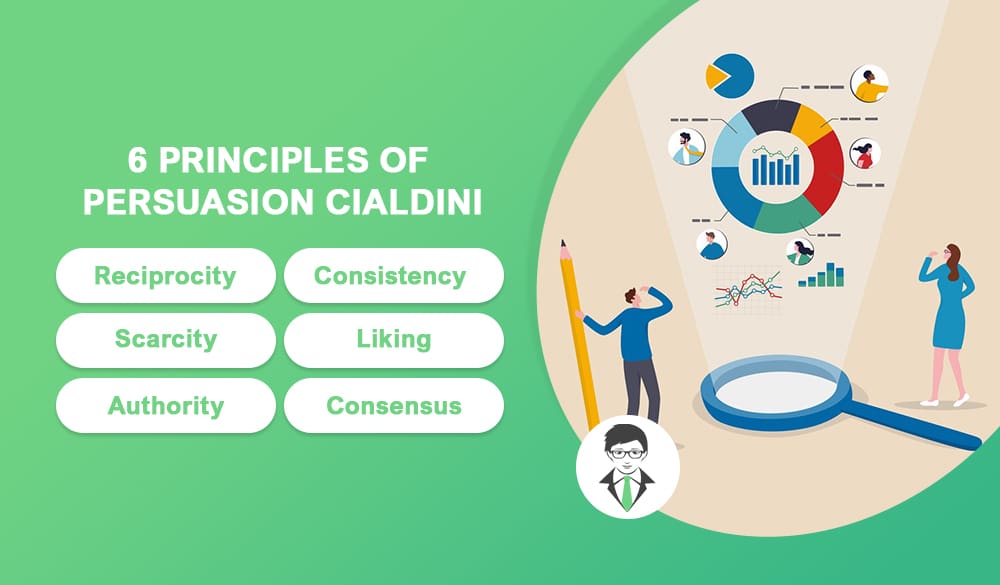
When composing your emails, consider these fundamental principles of persuasion:
- Establish Credibility: Share testimonials, reviews, or expert opinions to build trust with your readers.
- Emphasize Benefits: Clearly outline how what you’re offering will benefit the reader. For instance, do your products save time, enhance quality of life, or provide exclusive access?
- Use Emotional Appeal: Connect on a personal level. Share anecdotes or inspiring stories to evoke emotion and engagement.
Ultimately, mastering the art of persuasion in email newsletters can transform ordinary messages into powerful narratives that resonate with your audience, encouraging them to take action. Whether it’s clicking a link, signing up for an event, or making a purchase, a well-crafted newsletter paves the way for increased interaction and success.
Understanding Your Audience
Segmenting Your Email List
Once the importance of newsletters and the art of persuasion are understood, the next crucial step is knowing your audience. This is where segmenting your email list comes into play. It allows businesses to tailor their outreach effectively by grouping recipients based on specific criteria.
Imagine you own a fitness studio. When you send a generic email to everyone on your list, you risk losing engagement because not all your subscribers share the same interests. Instead, you can segment your list based on:
- Demographics: Age, gender, location
- Behavior: Previous classes attended, purchase history
- Interests: Yoga enthusiasts versus weightlifting aficionados
By clearly defining these segments, you can create targeted campaigns that resonate with each group. For instance, sending a special promotion for a new boxing class to subscribers who’ve previously expressed interest in high-intensity workouts could significantly improve engagement, making them feel like the message was crafted just for them.
Personalizing Content
Once segmentation is in place, the next natural step is personalizing your content. Personalization goes beyond just inserting a subscriber’s name in the email salutation; it’s about making each reader feel valued and understood.
For example, consider using subscriber data to provide tailored content such as:
- Custom Recommendations: If a reader frequently buys vegan products, send them exclusive offers or tips on plant-based recipes.
- Birthday Discounts: A personalized birthday email with a special discount can create a memorable interaction, fostering loyalty.
Additionally, personalizing can extend to the subject lines, content style, and even send times. Adjusting your messaging according to the specific needs and preferences of each segment can lead to:
- Higher open rates
- Increased click-through rates
- Stronger engagement overall
In essence, understanding your audience through effective segmentation and personalization enables businesses to create meaningful connections. These connections not only enhance customer experience but also drive conversions and long-term loyalty. Tailoring your email strategy to fit the unique preferences of your audience transforms newsletters into powerful tools for engagement.
Crafting Attention-Grabbing Subject Lines
Best Practices for Subject Lines
Now that you’ve segmented your audience and personalized your content, it’s time to focus on one of the most crucial elements of your email newsletters: the subject lines. A powerful subject line acts as the gateway to your email. It’s the first impression a recipient gets, and it can make or break your open rates.
To create subject lines that hook your audience, consider these best practices:
- Keep It Short and Sweet: Aim for 6 to 10 words or around 40-50 characters to ensure your subject line is fully visible on most devices.
- Use Action-Oriented Language: Start with action verbs to encourage readers to engage. For example, “Discover Your New Favorite Recipe!” is more enticing than “New Recipe Inside.”
- Create a Sense of Urgency: Phrases like “Limited Time Offer” or “Don’t Miss Out!” can spur quick action. Just be cautious not to overuse urgency to avoid sounding spammy.
For example, a bookstore might send an email with the subject line, “Unlock Last Minute Deals on Bestsellers!” This immediate appeal encourages readers to take action right away.
A/B Testing Strategies
Once you’ve crafted compelling subject lines, it’s wise to refine your approach through A/B testing. This strategy allows you to compare two subject lines to see which performs better, helping you hone in on what resonates with your audience.
Here’s how to implement A/B testing effectively:
- Choose a Variable: Start by selecting one element to test—this could be the wording, the inclusion of emojis, or even the length of the subject line.
- Split Your List: Divide your email list into two equal segments. Send one subject line to the first group and the second to the other.
- Analyze Results: After a predetermined period, measure the open rates for both groups. Tools like Google Analytics can provide insights into which subject line led to more opens.
For example, if you test “Get Fit Fast: 10-Minute Workouts” against “Achieve Your Fitness Goals Today!” and find that the second line had a significantly higher open rate, you can refine your future emails to resemble the more successful approach.
In conclusion, crafting attention-grabbing subject lines through best practices and A/B testing not only improves your chances of being opened but also enhances your overall email marketing strategy. With attention to detail in your subject line, you’re one step closer to engaging and converting your audience.

Designing Engaging Email Content
Visual Elements
As important as catchy subject lines are, the next step in engaging your audience is ensuring that the content of your emails is visually appealing. The design elements of an email can significantly impact how your message is received.
Here are some key visual aspects to consider:
- Use a Clean Layout: A cluttered email can overwhelm recipients. Aim for a balanced design that guides the reader’s eye through your content. Include white space to enhance readability.
- Incorporate High-Quality Images: Adding images that resonate with your message can boost engagement. For instance, if you’re promoting a new product, showcasing it in action can help potential customers visualize its use.
- Consistent Branding: Ensure that your email reflects your brand’s identity—consistent colors, fonts, and overall style reinforce brand recognition. For example, if your brand has a cheerful and vibrant aesthetic, your email design should reflect that.
- Mobile Optimization: Given that many users check their emails on mobile devices, ensure your design is responsive. This means your emails should look as good on smartphones as they do on desktops.
Imagine receiving a beautifully designed email highlighting summer sale items, featuring vibrant images and clear calls to action. It draws you in and encourages you to explore further.
Copywriting Techniques
Once the visual elements are polished, it’s time to focus on the words that will captivate your audience. Effective copywriting is crucial for conveying your message with clarity and persuasion.
Consider employing these copywriting techniques:
- Write Compelling Headlines: Just like your subject lines, headlines within the email should be enticing. Use bold text for headlines to make them stand out and convey key points quickly.
- Tell a Story: Infusing a narrative into your email can make your content relatable. Share a brief success story from a customer whose life changed with your product.
- Use Bullet Points: Break down dense information into manageable bites. Bullet points help readers quickly identify key benefits or features of your offer.
- Include a Personal Touch: Addressing the reader directly helps build rapport. Using “you” and “your” makes the content feel more conversational and engaging.
By combining striking visual elements with effective copywriting techniques, you can create emails that not only capture attention but also drive action. When readers enjoy both the look and feel of an email and find the content relatable, they’ll be far more likely to engage with your business, resulting in higher conversion rates and lasting customer relationships.
Call-to-Action Strategies
Placement and Design
Having captivating visuals and compelling copy is only part of the email equation; the effectiveness of your call to action (CTA) plays a crucial role in driving engagement and conversions. A well-placed, thoughtfully designed CTA can guide your readers toward the desired action, whether it’s making a purchase, signing up for a webinar, or downloading an exclusive offer.
Here are some essential strategies for placing and designing your CTAs:
- Be Clear and Direct: Use concise language to tell readers exactly what you want them to do. Phrases like “Shop Now,” “Join Our Newsletter,” or “Download Your Free Guide” leave no room for ambiguity.
- Strategic Placement: Position your CTAs where they’ll garner the most attention. Generally, placing a prominent button above the fold ensures that it’s one of the first things readers see. Consider including additional CTAs at the end of the email for those who read all the way through.
- Contrasting Colors: Use colors that stand out from the rest of the email. A bright button on a muted background can draw attention and prompt clicks. For example, if your email design incorporates soft pastel colors, a bold red button can be very effective.
- Responsive Design: Ensure that CTAs are easy to tap on mobile devices. Make buttons larger and spacing ample to prevent accidental clicks.
Imagine reading an email about a limited-time fashion sale. A striking “Shop the Sale” button placed brightly in the center can be irresistible, nudging the reader to take action immediately.
Creating Urgency
Another powerful technique to boost the effectiveness of your CTAs is to create a sense of urgency. When readers feel that they might miss out on something if they don’t act quickly, they are more likely to respond impulsively.
Here are some ways to instill urgency:
- Limited Time Offers: Use phrases like “48-Hour Flash Sale!” or “Only Three Days Left!” to compel readers to act before it’s too late.
- Scarcity Tactics: Mention limited availability, such as “Only 5 Items Left!” This builds excitement and encourages potential customers to click before they miss out.
- Countdown Timers: Incorporating a countdown clock in your email can visually underscore urgency. Watching the time tick down compels immediate action.
For instance, consider an email promoting an online course enrollment. A “Enroll Now – Only 12 Spots Left!” message paired with a countdown could easily drive potential students to click before the opportunity vanishes.
In conclusion, effective call-to-action strategies—through the right placement and design, combined with urgency—can significantly enhance engagement and conversion rates. By thoughtfully guiding your audience on what to do next, you’ll not only increase the likelihood of responses but also create a more dynamic email marketing experience.

Analyzing and Optimizing Performance
Tracking KPIs
Once your email campaigns are live and you’ve implemented effective call-to-action strategies, it’s vital to step back and evaluate how they perform. This is where tracking key performance indicators (KPIs) becomes essential. KPIs provide measurable data that can inform your future strategies and help assess the effectiveness of your email marketing efforts.
Some critical KPIs to monitor include:
- Open Rate: This measures the percentage of recipients who opened your email. A low open rate may indicate that your subject lines need improvement.
- Click-Through Rate (CTR): This metric shows how many recipients clicked on a link within your email. A high CTR means your content resonates well with your audience and your CTAs are effective.
- Conversion Rate: Ultimately, this tracks the percentage of users who take the desired action after clicking through from your email, such as making a purchase or signing up for a webinar.
- Unsubscribe Rate: While some unsubscribes are normal, a sudden spike may signal that your emails are not meeting expectations.
Analyzing these KPIs not only highlights what works but also identifies areas for improvement. For instance, if you notice a high open rate but a low CTR, it may indicate your content isn’t engaging enough or that your CTAs need to be more compelling.
Iterative Improvements
Tracking KPIs is just the beginning; the next step is to make iterative improvements based on your data analysis. Think of it as a continuous cycle of learning and adapting.
Here’s how to effectively approach iterative improvements:
- Set Specific Goals: Use your KPIs to set measurable goals for your next campaign. For example, if your open rate is currently at 20%, aim for 25% in your next campaign by testing new subject lines.
- Test, Analyze, and Adjust: Implement A/B testing for various elements such as subject lines, email layouts, and CTAs to determine what resonates best with your audience. For example, if one subject line performs better than another, analyze why and adjust your future content accordingly.
- Solicit Feedback: Sometimes the best insights come directly from your audience. Consider sending out surveys or asking for feedback to understand what your audience values most in your emails.
For instance, after implementing a new design and content strategy, a company might discover that their audience prefers shorter emails with more visuals. By acting on this feedback and adjusting their strategy, they can see improved engagement over time.
In conclusion, analyzing KPIs and making iterative improvements are essential components of a successful email marketing strategy. By consistently evaluating performance and adapting your approach, you can enhance the effectiveness of your campaigns and build stronger connections with your audience. In the world of email marketing, it’s all about learning, evolving, and continuously striving for better results.