Introduction
Understanding ROI in Email Marketing
When embarking on an email marketing campaign, understanding Return on Investment (ROI) becomes paramount. ROI is not just a buzzword; it measures the profitable outcomes from marketing efforts compared to what has been spent.
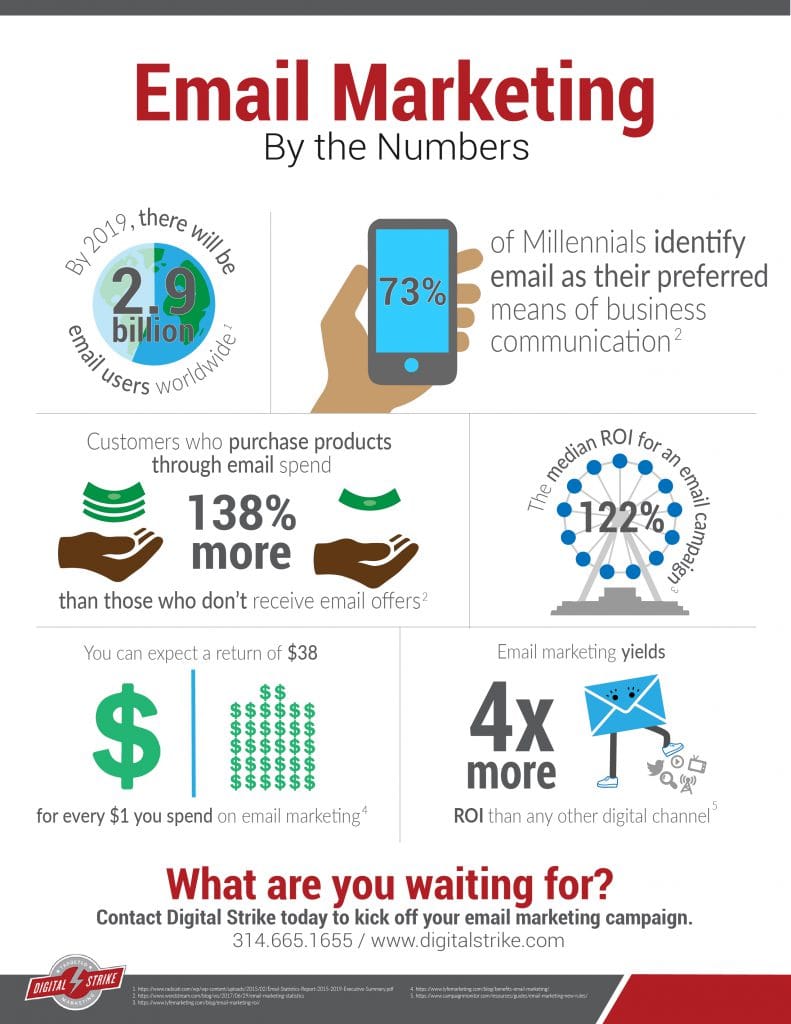
Email marketing stands out as one of the most cost-effective ways to reach customers. For instance, businesses can expect an average ROI of $42 for every dollar spent on email marketing. This impressive figure is primarily due to the low costs associated with sending emails and the high potential for conversions.
But what exactly contributes to this high ROI?
- Engagement : Emails consistently engage recipients compared to other digital channels.
- Nurturing Leads : Through personalized email campaigns, businesses can nurture leads and guide them through the sales funnel, increasing the likelihood of conversion.
- Retention : Email marketing keeps existing customers engaged, promoting repeat business, which is often less expensive than acquiring new customers.
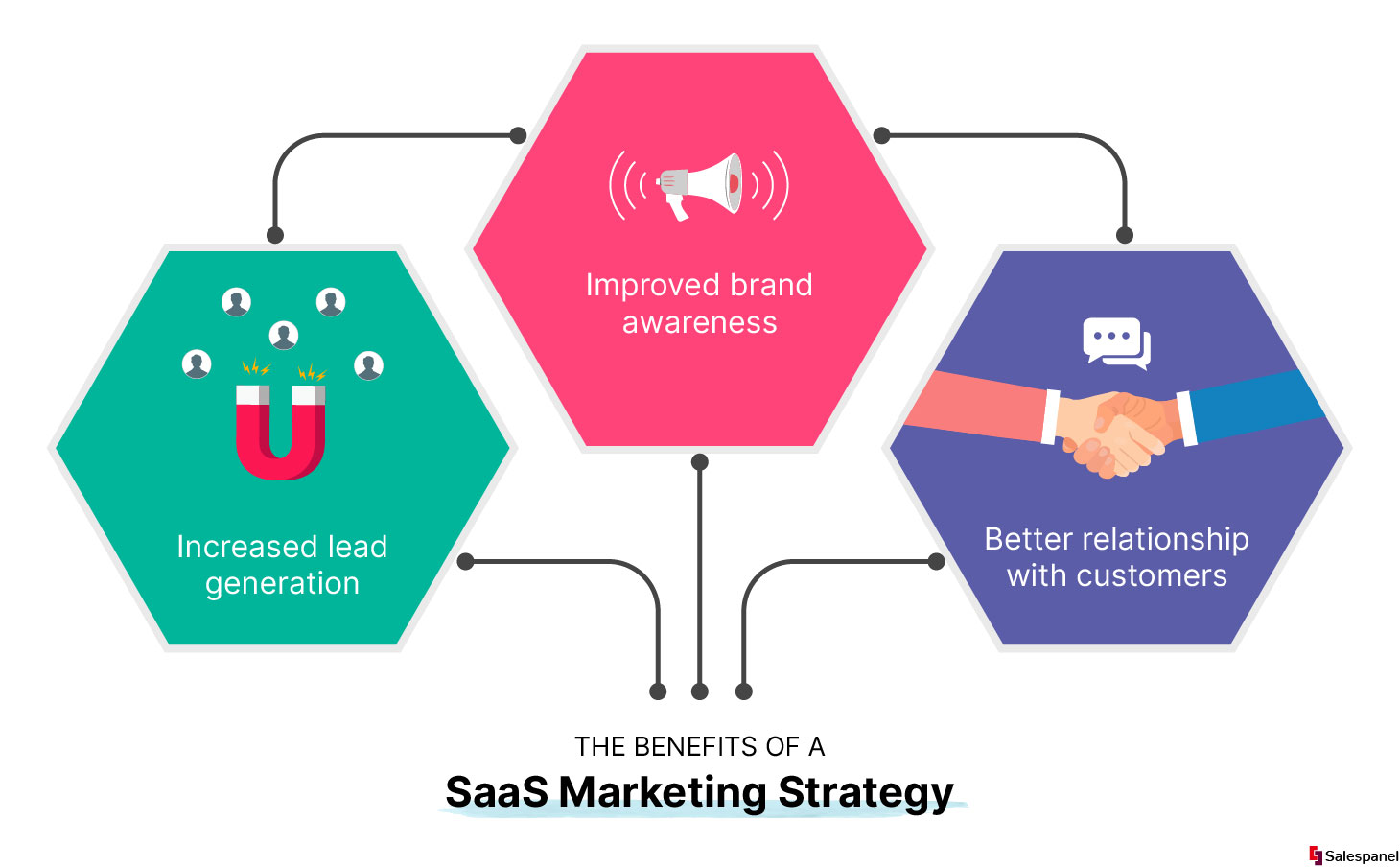
Benefits of SaaS Email Marketing
Software as a Service (SaaS) email marketing platforms have transformed the way companies approach their email campaigns. These tools not only streamline the email marketing process but also provide a plethora of features designed to enhance efficiency and effectiveness.
Here are some notable benefits of SaaS email marketing:
- User-Friendly Interfaces : Most SaaS platforms are designed with user experience in mind, allowing even those with minimal tech skills to create professional email campaigns effortlessly.
- Automation : Automatic workflows help businesses send emails based on user behavior and preferences, ensuring the right message reaches customers at the right time.
- Real-Time Analytics : SaaS platforms offer instant data on campaign performance, empowering marketers to make data-driven decisions quickly.
Imagine a small online retail store using a SaaS email service to send targeted promotions to segmented audiences. By analyzing the data from previous campaigns, they can tweak their strategies based on open and click-through rates, leading to improved customer engagement and higher sales conversions.
In essence, combining the understanding of ROI with the benefits of SaaS platforms can lead to more successful email marketing endeavors.
Factors Influencing ROI
Email List Segmentation
As businesses focus on maximizing their email marketing ROI, one critical factor stands out: email list segmentation. This strategy involves dividing your email list into smaller, targeted groups based on specific criteria, such as demographics, purchase history, or engagement levels.
By utilizing segmentation, organizations can tailor their messages to meet the unique needs of different audience segments. Here’s why segmentation can dramatically enhance ROI:
- Targeted Messaging : Sending personalized content increases relevance and encourages engagement.
- Improved Open Rates : Customized subject lines and content cater to specific interests, leading to higher open rates.
- Reduced Unsubscribes : By providing value tailored to the audience, businesses can reduce the likelihood of unsubscribes.
For example, a fitness apparel company could segment their list into active buyers, lapsed customers, and new subscribers. They could then send targeted promotions for winter gear to the active buyers, reminders about seasonal styles to lapsed customers, and introductory discounts to new subscribers. This tailored approach can lead to improved engagement and a significant boost in sales.
Personalization Techniques
In addition to segmentation, personalization techniques further amplify ROI in email marketing. Personalization goes beyond inserting a recipient’s name in the email; it encompasses modifying content to resonate with the individual recipient’s preferences and behaviors.
Here’s how to effectively personalize email content:
- Behavior Tracking : Monitoring user interactions helps identify interests and trends, allowing you to send relevant content.
- Dynamic Content : Implementing technology that alters email content based on the recipient can increase relevance, such as showing previously viewed products or suggesting related items.
- Lifecycle Emails : Send tailored messages depending on where a customer is in their journey, such as welcome emails for new subscribers or re-engagement emails for inactive users.
Consider a travel agency that wishes to improve its email engagement by sending personalized travel suggestions. By analyzing previous bookings, they can recommend destinations that match past interests, making emails feel more individual and prompting recipients to consider booking again.
Together, email list segmentation and personalization techniques prove essential strategies in enhancing email campaign effectiveness, ultimately leading to higher ROI and stronger customer relationships.
Increasing Open Rates
Crafting Compelling Subject Lines
Now that we understand the importance of email list segmentation and personalization techniques in maximizing ROI, it’s time to focus on increasing open rates. The first impression your readers get of your email is through the subject line, which can significantly influence whether they decide to open and read the message.
Crafting compelling subject lines requires a blend of creativity and strategy. Here are some effective tactics to consider:
- Be Intriguing : Create curiosity without being misleading. A subject line like “Unlock Exclusive Deals Inside!” entices recipients to click without revealing too much.
- Use Actionable Language : Encourage recipients to take action by including verbs. Phrases like “Discover your next favorite book” or “Join us for a special webinar” promote engagement.
- Incorporate Personalization : Integrate the recipient’s name or interests. For example, “Sarah, your personalized deal awaits!” makes it feel special.
- Keep It Concise : Aim for shorter subject lines—around 6-10 words—to ensure they display well on all devices.
As a personal anecdote, a friend of mine started testing different subject lines for their monthly newsletter. By simply changing them to include clear benefits (like a time-limited discount), they saw a surge in open rates. Her open rates climbed from around 15% to nearly 30% within a few months!
Optimizing Email Sending Times
Equally important to capturing your audience’s attention is ensuring your email arrives in their inbox at the right time. Optimizing email sending times can dramatically influence open rates, and here’s how to approach it effectively:
- Know Your Audience : Understand when your target audience is most likely to check their emails. This can vary depending on factors like industry, demographics, and region.
- Test Different Sending Times : Schedule emails for various times and days to analyze which yields the best open rates. For example, many marketers find that emails sent on Tuesday mornings often perform better.
- Leverage Analytics : Use analytics to determine when your past emails received the highest engagement. This data-driven approach helps you refine your sending strategy.
For instance, a local coffee shop began sending its promotional emails early in the morning. By aligning their sending schedule with when customers crave their morning caffeine fix, they increased open rates significantly, driving foot traffic to the shop.
By combining compelling subject lines with optimized sending times, businesses can effectively increase their email open rates and engage their audience more effectively, stepping closer to achieving their marketing goals.
Driving Conversions
Creating Engaging Call-to-Actions
Having effectively increased open rates, the next step in the email marketing journey is driving conversions. One of the most powerful tools at a marketer’s disposal is the call-to-action (CTA). An engaging CTA is crucial because it tells recipients exactly what action to take next and can significantly influence their decision-making process.
To create compelling CTAs, consider these strategies:
- Be Clear and Direct : Use simple language that clearly states what the recipient should do. Phrases like “Shop Now” or “Download Your Free Guide” leave no room for confusion.
- Use Urgency : Adding a sense of urgency encourages immediate action. For instance, “Limited Time Offer – Get Yours Today!” can prompt quicker responses.
- Make It Visually Stand Out : Use contrasting colors or buttons to make your CTA pop against the email background. This visual emphasis helps draw attention.
- Personalized CTAs : Tailoring your CTAs to reflect the recipient’s preferences or past behaviors can drastically increase engagement. For example, “Continue Your Fitness Journey, John” feels more personal than a generic “Shop Now.”
A personal experience comes to mind when a travel agency experimented with different CTAs in their email campaigns. After implementing a more direct and enticing CTA related specifically to users’ past trips, they saw a 20% increase in bookings from their email list.
Implementing A/B Testing Strategies
To further enhance conversions, it’s beneficial to implement A/B testing strategies. This method allows marketers to optimize their campaigns through experimentation, ensuring that every element is fine-tuned for maximum effectiveness.
Here’s how to effectively conduct A/B tests:
- Identify Variables : Choose one element to test, such as subject lines, CTA placements, or email layouts.
- Create Two Versions : Develop two variations (A and B). For example, test two different CTA phrases or colors.
- Analyze Results : Send both emails to a small segment of your list and track metrics like click-through and conversion rates to identify which version performs better.
- Implement the Winning Version : Once you determine the more successful option, roll it out to your entire list.
For instance, a local e-commerce store A/B tested a red versus a green button for their “Buy Now” CTA. They found that the red button resulted in a 15% higher click-through rate, guiding them to standardize this decision across future campaigns.
By creating engaging CTAs and leveraging A/B testing, businesses can significantly boost their conversion rates, transforming mere clicks into valuable customer actions and ultimately driving success in their email marketing efforts.
Retention Strategies
Providing Valuable Content
After successfully driving conversions through well-crafted CTAs and strategic A/B testing, the next critical step is customer retention. Retention is essential as it is often more cost-effective to retain existing customers than to acquire new ones. One impactful way to achieve this is by providing valuable content in your email communications.
Valuable content keeps your audience engaged and helps build a relationship based on trust and reliability. Here are some strategies to consider:
- Educational Resources : Share how-to guides, tips, or industry insights that resonate with your audience’s interests or needs. For instance, a skincare brand might send emails with skincare routines that utilize their products.
- Exclusive Offers : Reward your loyal customers with special discounts or early access to new products, making them feel appreciated. This creates an incentive for them to remain engaged with your brand.
- Personalized Recommendations : Using data from past purchases, send tailored content, such as product suggestions that appeal directly to their interests. A music streaming service could send weekly playlists based on listening behavior.
Reflecting on personal experiences, a subscription box service I used would periodically send emails packed with content about new products, lifestyle tips, and exclusive deals to their loyal members. This not only kept me informed but also excited about what was coming next!
Utilizing Automated Workflows
Another powerful strategy for improving retention involves utilizing automated workflows. By automating certain emails, businesses can provide timely, personalized communication that enhances the customer experience without overwhelming staff.
Here’s how to set up effective automated workflows:
- Welcome Series : Automatically send a welcome email series to new subscribers, introducing your brand and highlighting what they can expect. This sets a positive tone for the relationship.
- Post-Purchase Follow-Ups : After a purchase, automatically send a thank-you email followed by recommendations for complementary products or tutorials on how to use their purchases.
- Re-Engagement Campaigns : Identify customers who haven’t interacted with your brand for a while and create a workflow to re-engage them. This might include a special discount or a survey to understand their preferences better.
For example, a local gym implemented an automated workflow for their members. Those who hadn’t attended a class in a month received a friendly reminder along with a “come back and get a free class” offer. This simple gesture successfully brought many back into the fold.
By focusing on providing valuable content and implementing automated workflows, businesses can cultivate a loyal customer base, ensuring they stay engaged with the brand long after their initial purchase. This not only enhances overall customer satisfaction but also strengthens the overall effectiveness of email marketing campaigns.
Analyzing Metrics
Tracking Click-Through Rates
Having established effective retention strategies through valuable content and automated workflows, the next key step in optimizing email marketing is analyzing metrics. This insight allows marketers to understand the effectiveness of their campaigns and make informed decisions on future actions. One crucial metric to monitor is the click-through rate (CTR), which reflects the percentage of recipients who clicked on one or more links in an email.
Tracking CTR can provide valuable insights into how well your content resonates with your audience. Here are some tactics to effectively monitor this metric:
- Understand the Baseline : The average CTR across industries can vary; knowing what is typical for your sector will help gauge your performance.
- Analyze Click Patterns : Use tracking tools to see which links were most clicked. This can help identify what content or offers your audience finds most engaging.
- A/B Test Different CTAs : Experimenting with different call-to-action phrases or placements within your emails can provide insights into what encourages more clicks.
For instance, a fashion retailer I know closely observed their CTR after introducing a new style feature in their emails. They found that links to specific outfits were clicked more frequently when compared to generic product categories. This data allowed them to confidently pivot their content strategy to focus more on style guides and curated outfits.
Monitoring Unsubscribe Rates
Another key metric to keep an eye on is the unsubscribe rate, which reflects the percentage of recipients who opt out of your mailing list after receiving an email. Monitoring this metric is crucial as it indicates potential issues with your email strategy.
Here’s how to effectively keep track of unsubscribe rates:
- Identify Trends : Regularly reviewing unsubscribe rates can help pinpoint patterns over time. A sudden spike may suggest content changes or frequency issues that need addressing.
- Analyze Feedback : Many email platforms allow users to provide feedback upon unsubscribing. Pay attention to these insights to understand why recipients may no longer wish to receive your emails.
- Test Sending Frequencies : If unsubscribe rates rise, consider adjusting how often you send emails. Bombarding subscribers with too many messages can result in fatigue and higher churn rates.
As a case in point, a non-profit organization I worked with monitored their unsubscribe rates closely. After adjusting their frequency from weekly to bi-weekly, while also collecting feedback, they found that a less intrusive approach improved retention significantly.
By effectively tracking click-through rates and monitoring unsubscribe rates, marketers can uncover crucial insights that enhance their email marketing strategy, ensuring a more connected and engaged audience long-term. This data-centric approach ultimately leads to better decision-making and a more effective overall marketing plan.