
Introduction
Overview of Salesforce Marketing Cloud
Salesforce Marketing Cloud stands out as a robust platform designed for marketers looking to streamline their efforts and enhance customer engagement. With a suite of powerful tools, it enables brands to connect with their audience through various channels, with email being one of the most effective. The platform offers comprehensive solutions for email marketing, social media management, and customer journey mapping, allowing businesses to personalize their messaging and optimize campaigns based on real-time data.
For instance, Imagine a company launching a new product. Using Salesforce Marketing Cloud, they can create targeted email campaigns that reach customers based on their previous interactions and preferences. This level of tailored messaging significantly increases the likelihood of conversion, underlining the importance of adopting this platform.
Importance of Inbound Email Strategies
Inbound email strategies are critical in establishing meaningful relationships with potential and existing customers. Unlike traditional marketing methods that push messages to consumers, inbound strategies focus on attracting and engaging customers by delivering valuable content relevant to their needs.
Key reasons why inbound email strategies are vital include:
- Building Trust and Credibility : By providing helpful information, brands can position themselves as authorities in their fields.
- Higher Engagement Rates : Personalized and relevant content resonates more with recipients, leading to higher click-through rates.
- Cost-Effectiveness : Email marketing typically has a lower cost per acquisition compared to other channels, making it ideal for businesses of all sizes.
In a world where consumers are inundated with marketing messages, employing inbound email strategies through platforms like Salesforce Marketing Cloud not only enhances brand visibility but also fosters lasting relationships with customers. This combination of technology and strategy is essential for any brand aiming to thrive in today’s competitive landscape.
Understanding Email Marketing
Basics of Email Marketing
Email marketing is a direct form of communication that allows businesses to reach their audience right where they are: in their inboxes. At its core, email marketing involves sending promotional messages, newsletters, or updates to a group of subscribers who have opted in to receive information from a brand.
To effectively harness the power of email marketing, businesses should focus on a few foundational elements:
- Building a Quality Email List : It’s crucial to collect email addresses through permission-based methods—think lead magnets like exclusive discounts or informative ebooks.
- Crafting Engaging Content : The key to successful emails is relevance; the content should engage and resonate with the recipients. A catchy subject line can increase open rates, so don’t overlook this aspect!
- Regularly Analyzing and Optimizing : Using tools like Salesforce Marketing Cloud, marketers can measure the performance of their campaigns, providing insights into what’s working and what needs improvement.
Benefits of Inbound Email Campaigns
Inbound email campaigns take these basic principles a step further by focusing on attracting subscribers through valuable content rather than pushing promotions. They yield several advantages, including:
- Enhanced Customer Relationships : By providing tailored content, businesses become trusted partners rather than just sellers.
- Higher Conversion Rates : When a customer receives content that adds value to their experience, they’re more likely to take action, whether that’s making a purchase or signing up for a webinar.
- Improved Customer Retention : Regular, relevant communication builds loyalty. Happy customers are more inclined to remain engaged with the brand.
An example can showcase this: A business might send a monthly newsletter filled with tips and user-generated content from loyal customers. This not only strengthens the community feel but also keeps the brand top-of-mind, leading to repeat business. Overall, understanding these fundamentals sets the stage for effective email marketing strategies, especially when combined with the power of Salesforce Marketing Cloud.
Leveraging Salesforce Marketing Cloud
Features and Capabilities
Salesforce Marketing Cloud is a comprehensive platform designed to empower businesses in their marketing endeavors, particularly in email marketing. One of the standout features is its user-friendly interface, which allows marketers to create, manage, and analyze campaigns seamlessly.
Here are some key features that make Salesforce Marketing Cloud indispensable:
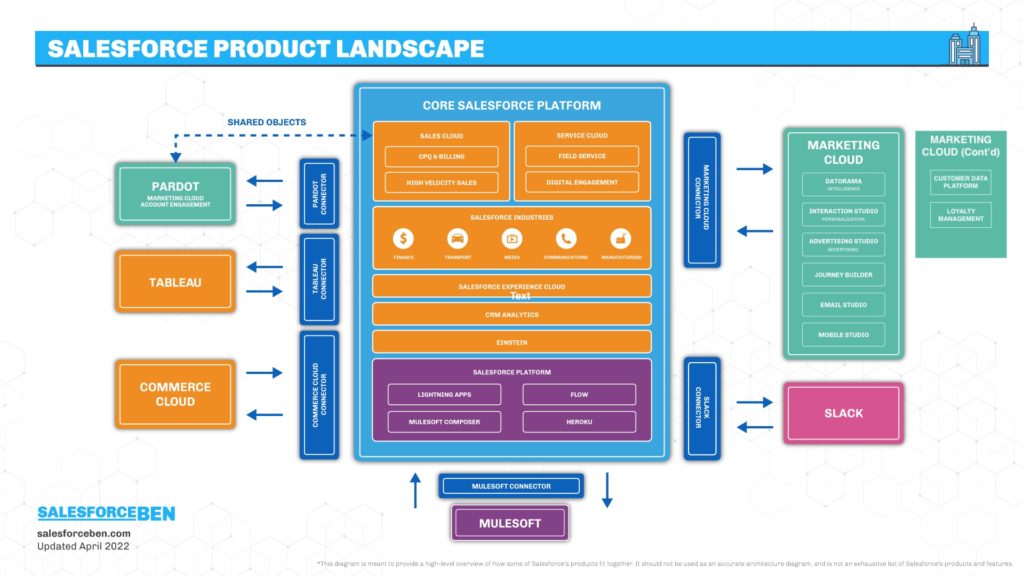
- Email Studio : Tailor your email campaigns with drag-and-drop functionality. Marketers can create visually appealing emails that engage their audience.
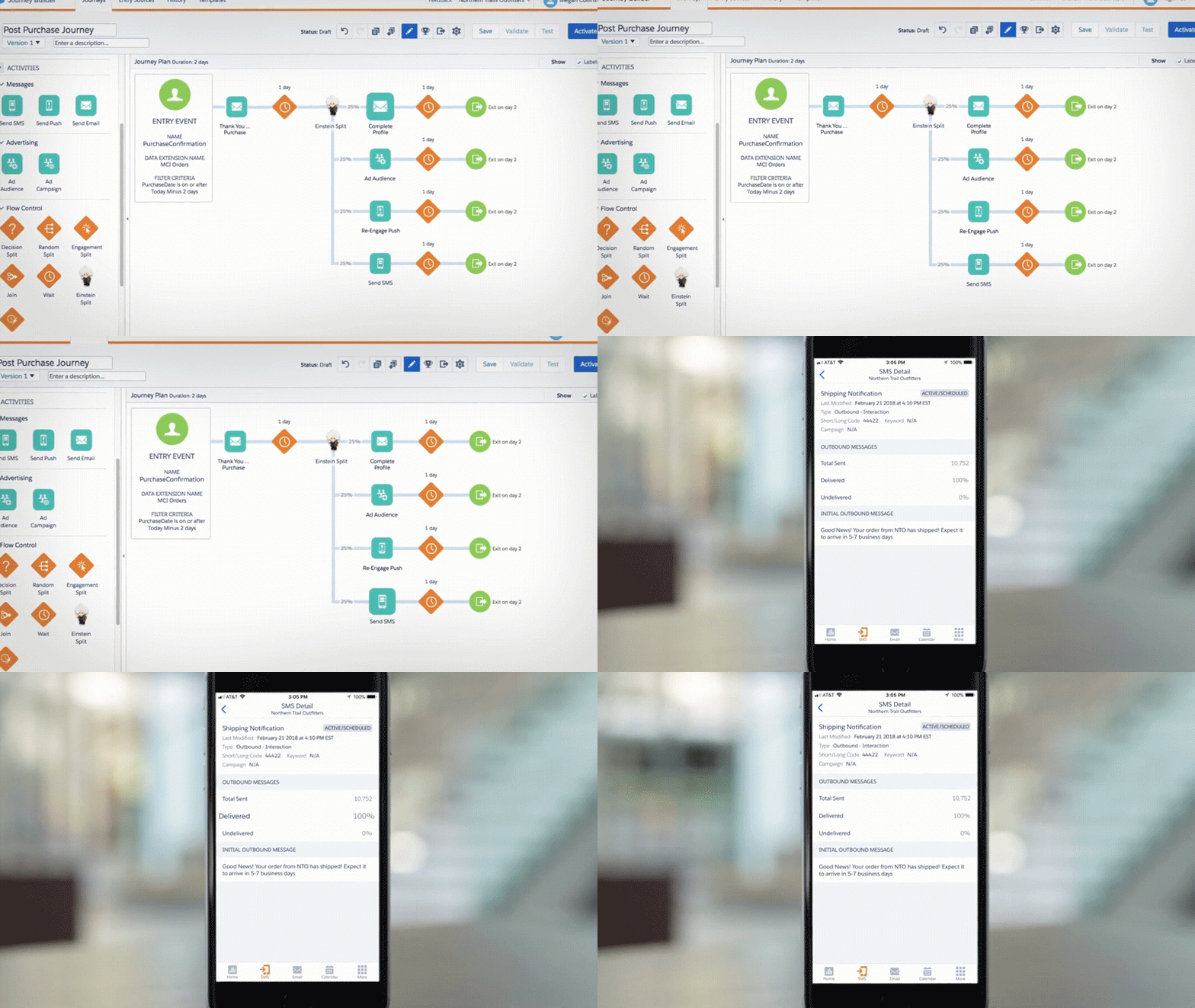
- Journey Builder : This unique feature allows for automated customer journeys based on user behavior and preferences, ensuring the right message reaches the right customer at the right time.
- Audience Segmentation : With powerful analytics, marketers can segment audiences based on various criteria such as demographics, behaviors, and purchase history, enhancing the effectiveness of campaigns.
- Real-Time Analytics : Instant access to campaign performance metrics helps marketers adjust strategies promptly, optimizing campaign outcomes.
With these features, businesses can not only enhance their email marketing but also create more cohesive and compelling customer experiences.
Integration with Customer Relationship Management (CRM)
One of the standout capabilities of Salesforce Marketing Cloud is its seamless integration with Customer Relationship Management (CRM) systems. This integration enables businesses to leverage customer data more effectively, ensuring robust communication across various touchpoints.
For example, when a customer interacts with your brand, their information can be instantly updated in the CRM. This allows marketers to:
- Personalize Communications : By accessing detailed customer profiles, businesses can send personalized emails that resonate with individual preferences.
- Enhance Lead Scoring : Sales teams can prioritize follow-ups based on the interactions reflected in the system, ensuring that high-value leads receive immediate attention.
- Facilitate Better Cross-Channel Marketing : The integration ensures consistency across email, social media, and websites, reinforcing brand messages and improving customer experiences.
Imagine you run a retail business. With integrated insights from your CRM, you’ll know which products a customer viewed, allowing for timely follow-up emails suggesting complementary items. By leveraging the robust features of Salesforce Marketing Cloud in conjunction with effective CRM integration, businesses can elevate their marketing strategies to new heights.
Building Effective Email Campaigns
Segmentation and Targeting
Creating effective email campaigns begins with understanding your audience, and that’s where segmentation and targeting come into play. Segmenting your email list allows you to group subscribers based on shared characteristics, interests, or behaviors. This targeted approach ensures that your messaging resonates with each group, leading to better engagement rates.
Consider the following strategies for segmentation:
- Demographic Segmentation : Categorize subscribers based on age, gender, or location, allowing for tailored content that appeals to specific groups.
- Behavioral Segmentation : Identify users based on their interaction with previous emails (e.g., opens, clicks) or their purchase history, helping to craft relevant campaigns that drive conversions.
- Lifecycle Segmentation : Target customers based on where they are in the sales funnel—new leads, active customers, or lapsed users—enabling personalized communication at each stage.
For instance, a travel agency can send different offers to families versus solo travelers based on their unique preferences. By honing in on these specific segments, businesses can reduce unsubscribe rates and boost conversions.
Personalization and Dynamic Content
Once you have your segments defined, the next step is personalization. Personalized emails often outperform generic ones by making recipients feel seen and valued. This can be achieved through dynamic content, which adjusts the email’s content based on the recipient’s data and preferences.
Here’s how to enhance personalization in your campaigns:
- Personalized Subject Lines : Incorporate the recipient’s name or tailored offers in the subject line to increase open rates.
- Dynamic Content Blocks : Use Salesforce Marketing Cloud’s capability to alter content blocks based on user data. This means featuring items or promotions that reflect a user’s previous interactions or preferences, such as showing hiking gear to outdoors enthusiasts.
- Behavioral Triggers : Implement triggered emails that send automated messages based on specific actions—like a follow-up email after a purchase to suggest related products.
Imagine receiving an email that not only addresses you by name but also provides recommendations based on your past transactions. Such strategies create a more engaging experience, fostering deeper connections with your audience and driving action. By strategically incorporating segmentation and personalization into your email campaigns, businesses can create a more impactful and satisfying customer journey.

Maximizing Engagement
A/B Testing Strategies
To maximize engagement in email campaigns, A/B testing is an invaluable tactic that allows marketers to experiment with different elements of their emails to determine what resonates best with their audience. This method involves creating two variations of an email—A and B—and sending them to a segment of your audience to see which one performs better.
Here are some effective elements to test:
- Subject Lines : A simple tweak in wording can significantly impact open rates. For example, testing a question versus a statement can reveal what intrigues your audience more.
- Call-to-Action (CTA) : Experiment with different phrases, colors, or placements to identify which prompts more clicks. A “Shop Now” button might outperform “Learn More” because it implies immediacy.
- Images and Design : Visual appeal matters. Testing different images or layouts can help you understand what captures your audience’s attention and keeps them engaged.
For instance, a fashion retailer might find that emails featuring models wearing their clothing lead to higher engagement compared to a plain catalog layout. By consistently implementing A/B tests, businesses can gradually refine their strategies, ensuring every send is more effective than the last.
Automation and Journey Builder
Another powerful way to maximize engagement is through automation, particularly by utilizing tools like Salesforce Marketing Cloud’s Journey Builder. This feature enables marketers to create automated customer journeys that guide leads through personalized experiences based on their interactions with the brand.
Consider the following benefits of automation:
- Timely Communication : Automated emails can be triggered by customer actions, such as a welcome email when someone subscribes or a reminder email after abandoning a cart.
- Consistent Touchpoints : By mapping out a customer’s journey, marketers can ensure that recipients receive relevant content at the appropriate stages, maintaining engagement over time.
- Scalability : Automation allows businesses to engage with their audience at scale without sacrificing the personal touch—which is crucial for larger lists.
For example, a fitness center could use Journey Builder to send a series of motivational emails to new members, gradually promoting classes and special offers based on their engagement levels. By leveraging A/B testing and automation effectively, marketers can significantly enhance their email strategies, creating meaningful connections that drive conversions and foster customer loyalty.
Measuring Success
Key Performance Indicators (KPIs)
To determine the success of email campaigns, businesses need to establish clear Key Performance Indicators (KPIs). These metrics allow marketers to assess how effectively their emails are performing and where improvements can be made. Understanding these indicators can help make data-driven decisions.
Here are some essential KPIs to track:
- Open Rate : This metric shows the percentage of recipients who opened the email. It’s a direct reflection of how engaging your subject lines are.
- Click-Through Rate (CTR) : This measures how many recipients clicked on links within the email, indicating the effectiveness of your content and call-to-action.
- Conversion Rate : Ultimately, this is what most marketers aim to impact. This KPI tracks how many recipients completed a desired action (like making a purchase) after engaging with an email.
- Unsubscribe Rate : Monitoring how many subscribers opt out can provide insights into audience satisfaction and relevancy of your emails.
For instance, if a brand sees a declining open rate, it might indicate a need to refresh subject lines or rethink segmentation strategies.
Tracking and Analytics in Salesforce Marketing Cloud
Salesforce Marketing Cloud provides robust analytics tools to track these KPIs, enabling marketers to gain insights into their campaigns in real time. By utilizing the platform’s analytics features, businesses can dive deeper into their email performance metrics.
- Real-Time Dashboards : The customizable dashboards allow marketers to visualize key metrics at a glance, ensuring immediate insights into campaign performance.
- Detailed Reporting : Automated reports can be generated to analyze trends over specific periods, helping businesses to understand what’s working and what’s not.
- Engagement Metrics : Beyond open and click rates, Salesforce allows businesses to track engagement over time, providing a comprehensive view of customer behavior.
For example, if a fashion retailer notices a high open rate but a low conversion rate, they might analyze the email content and find that while the promotions are attractive, the landing page isn’t optimized for conversions. By continuously measuring success through these KPIs and utilizing Salesforce Marketing Cloud’s tracking features, businesses can refine their strategies and achieve stronger results with each campaign, ensuring they remain competitive and customer-centric.
Best Practices
Optimize Email Deliverability
Reaching inboxes consistently is critical for the success of any email campaign. Optimizing email deliverability ensures that your messages not only land in the inbox but also get noticed by the recipients. Several strategies can help improve delivery rates:
- Maintain a Clean Email List : Regularly update your email lists by removing inactive subscribers or bounced email addresses. This proactive approach helps maintain a positive sender reputation.
- Authenticate Your Emails : Implementing protocols like SPF (Sender Policy Framework) and DKIM (DomainKeys Identified Mail) helps verify the authenticity of your emails, enhancing deliverability.
- Monitor Sender Reputation : Keep a close eye on your sender score—a reputation score that ISPs assign based on your email behaviors. A poor score can lead to emails being marked as spam.
- Avoid Spam Triggers : Certain words and phrases can trigger spam filters. Steer clear of excessive promotional language, and always ensure that your emails include an easy way to unsubscribe.
For example, one company learned the hard way that neglecting to clean their list led to increased spam complaints, ultimately harming their deliverability. After implementing these practices, they saw significant improvements in their inbox placement rates.
Compliance with Data Protection Regulations
As email marketing becomes more strategic, compliance with data protection regulations is a must. This ensures not only legal compliance but also builds trust with your subscribers. A few key regulations to consider include:
- General Data Protection Regulation (GDPR) : This regulation applies to anyone interacting with EU citizens, establishing clear guidelines on data collection, consent, and handling personal information.
- California Consumer Privacy Act (CCPA) : Similar to GDPR, CCPA focuses on consumers’ rights regarding data privacy and gives them greater control over their personal information.
- CAN-SPAM Act : This U.S. law mandates that all commercial emails must have a clear opt-out option and provide your physical business address.
To ensure compliance, always seek consent before sending marketing emails and provide transparent information on how subscriber data will be used. For instance, using double opt-in methods can confirm that subscribers genuinely wish to receive your emails.
By optimizing deliverability and ensuring compliance with data protection regulations, businesses can enhance their email marketing efforts, effectively improving engagement and maintaining a strong reputation with their audience.