

Introduction to Email Marketing Manager Toolbox
Understanding the Role of an Email Marketing Manager
An email marketing manager plays a pivotal role in crafting and executing strategies that drive engagement and conversions. Their primary responsibility is not only to create compelling email campaigns but also to analyze their performance to refine future efforts. An effective email marketing manager should possess a blend of creativity, analytical skills, and a solid understanding of consumer behavior.
For instance, consider a small business owner who collaborates with an email marketing manager to boost customer retention. The manager designs segmented email strategies tailored to different customer personas, like first-time buyers versus loyal customers. This targeted approach maximizes relevance, leading to increased open rates and sales.
Here are a few key tasks of an email marketing manager:
- Campaign Planning : Develops comprehensive plans for promotional campaigns, newsletters, and automated email sequences.
- Content Creation : Crafts engaging email content, including compelling subject lines and eye-catching visuals.
- Performance Tracking : Uses analytics to monitor campaign performance, measuring metrics like open rates and click-through rates.
Importance of Having the Right Tools
Equipping an email marketing manager with the appropriate tools is crucial for success. The right tools enhance efficiency, enable detailed analytics, and facilitate personalized communication, ultimately leading to a more effective marketing strategy.
Imagine trying to manage multiple email campaigns without a robust Email Service Provider (ESP)—it could be overwhelming! An effective toolbox should include:
- Email Service Providers (ESPs) : These platforms simplify sending, tracking, and analyzing email campaigns.
- Analytics Tools: Essential for measuring campaign effectiveness, they allow managers to pivot strategies based on real-time data.
- Design Tools : These help create visually appealing emails that capture the audience’s attention.
In summary, understanding the role of an email marketing manager paired with the right tools sets the foundation for a successful email marketing strategy, ensuring that every email sent has the potential to make a significant impact.
Email Marketing Strategy Essentials
Building a Targeted Email List
Transitioning from understanding the essential role of an email marketing manager, one of the critical components of any successful strategy is building a targeted email list. This list serves as the foundation for all your email marketing campaigns. Without a dedicated and engaged audience, even the most creative campaigns may fall flat.
To effectively build a targeted email list, consider these strategies:
- Lead Magnets : Offer something valuable in exchange for email addresses, such as eBooks, discounts, or exclusive content.
- Sign-up Forms : Place these forms prominently on your website, blog, and social media platforms to capture interest.
- Referral Programs : Encourage current subscribers to refer friends and family, rewarding both parties for successful sign-ups.
For example, a local bakery might offer a “Buy One, Get One Free” pastry coupon to new subscribers, motivating potential customers to join their list.
Segmentation and Personalization Techniques
Once you’ve built a solid email list, the next step is to segment and personalize your email communications. This approach ensures that each subscriber receives relevant content tailored to their interests, thereby boosting engagement.
Here’s how to implement effective segmentation and personalization techniques:
- Demographic Segmentation : Divide your email list based on factors like age, gender, and location to deliver targeted content.
- Behavioral Segmentation : Analyze subscriber interactions, such as purchase history or email engagement, to create segments for specific campaigns.
- Personalized Messaging : Use subscribers’ names in the subject line or greeting and tailor content to their preferences. For instance, if a subscriber frequently buys gluten-free products, send them emails featuring new gluten-free options or recipes.
By investing time in building a targeted email list and employing segmentation and personalization techniques, email marketers can significantly enhance their campaign effectiveness, resulting in higher open rates and engagement. These strategies not only foster stronger relationships but also make every email feel like a tailored communication, increasing its value to the recipient.

Essential Email Marketing Tools
Email Service Providers (ESPs)
Continuing the conversation about crafting a successful email marketing strategy, the role of Email Service Providers (ESPs) cannot be overstated. These platforms act as the backbone of your email campaigns, providing the infrastructure needed to send, track, and manage emails effectively.
Choosing the right ESP is crucial for any email marketing manager. Here are some top features to consider:
- User-Friendly Interface : The platform should be easy to navigate, making it simple to create and send emails.
- List Management : Look for capabilities to segment your audience and manage subscriber lists efficiently.
- Automation Features : ESPs that allow for automation can help send targeted campaigns based on user behavior.
For instance, a small e-commerce store might use an ESP like Mailchimp to send out holiday promotions automatically. By scheduling emails in advance, they can focus on fulfilling orders while still engaging their customers.
Popular ESPs include:
- Mailchimp
- Constant Contact
- Sendinblue
Analytics and Tracking Tools
After deploying your email campaigns through an ESP, the next step is to analyze their performance using analytics and tracking tools. Understanding how your emails perform will allow you to optimize future campaigns and achieve better results.
Key metrics to track include:
- Open Rates : Provides insight into how well your subject lines resonate with your audience.
- Click-Through Rates (CTR) : Indicates how effectively your content engages the recipients and drives action.
- Conversion Rates : Measures how many recipients took the desired action, such as making a purchase or signing up for an event.
Utilizing tools like Google Analytics alongside your ESP’s built-in analytics can provide a comprehensive view. For example, if an online course provider notices high open rates but low CTR, it might indicate that their email content isn’t compelling enough, prompting them to rethink their approach.
In summary, integrating powerful ESPs and robust analytics tools into your email marketing toolbox is essential for creating effective campaigns and driving meaningful engagement with your audience. These tools not only support strategy execution but also enable continuous improvement through data-driven insights.
Email Automation Tips and Tricks
Creating Effective Email Flows
Transitioning from the importance of utilizing the right tools, the next step in maximizing your email marketing strategy is mastering email automation. One of the best ways to do this is through creating effective email flows. These flows allow you to set up a series of automated emails tailored to various triggers, ensuring timely and relevant communication with your subscribers.
When designing your email flows, consider these key elements:
- Welcome Series : An engaging sequence to greet new subscribers, including a thank-you email, an introduction to your brand, and special offers.
- Abandoned Cart Reminders : Automate emails to remind customers of their abandoned carts, encouraging them to complete their purchase with incentives or personalized recommendations.
- Re-engagement Campaigns : Target inactive subscribers with special content or offers to rekindle their interest in your brand.
For example, a travel agency might create a welcome flow for new leads that starts with a friendly greeting, followed by travel tips, and culminates in a discount for their first booking. This structured approach not only welcomes new subscribers but also nudges them towards conversion.
Leveraging Dynamic Content
Another powerful component of email automation is leveraging dynamic content. Dynamic content allows you to customize email elements based on subscriber data, ensuring that each email feels personalized and relevant to the reader.
Here are some ideas on how to make the most of dynamic content:
- Personalized Recommendations : Based on previous purchases or browsing behaviors, suggest products or services that the subscriber is likely to appreciate.
- Location-Based Offers : Tailor content according to the subscriber’s geographical area, such as local event promotions or regional product availability.
- Behavior-Driven Incentives : Use subscriber engagement data to adjust offers—like targeting loyal customers with exclusive discounts.
For instance, an online book retailer could utilize dynamic content to send personalized emails featuring book recommendations based on past purchases, ensuring that the content resonates with each subscriber’s unique tastes.
By creating effective email flows and leveraging dynamic content, marketers can significantly enhance their email automation strategy. Not only does this increase engagement, but it also fosters a deeper connection between brands and their subscribers, paving the way for ongoing loyalty and conversions.
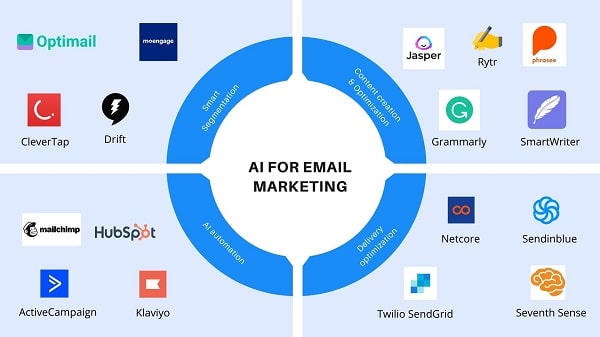
Design and Content Creation Tools
Templates and Design Resources
As we dive deeper into optimizing your email marketing strategy, it’s essential to focus on the design and content creation tools that can elevate your campaigns. One of the most effective ways to start is by utilizing templates and design resources. Ready-made templates can save you time and ensure that your emails have a professional look that aligns with your brand identity.
Consider these valuable resources:
- Email Template Libraries : Platforms like Canva, Mailchimp, and HubSpot offer a variety of customizable templates tailored for different industries and purposes.
- Stock Image Websites : Websites like Unsplash and Pexels provide high-quality images that can enhance your email design without the cost of stock photography.
- Design Tools : Tools like Adobe Spark and Visme allow you to create unique graphics and visuals, enabling you to stand out in crowded inboxes.
Imagine a boutique clothing store using beautiful, visually appealing templates featuring their latest collection. This approach not only engages subscribers but also encourages them to explore their website further.
Copywriting Best Practices
While great design catches the eye, compelling copy is essential to retain interest and drive action. Implementing copywriting best practices can make all the difference in your email’s performance.
Here are some fundamental tips:
- Clear and Concise Language : Use straightforward language to communicate your message effectively, avoiding jargon that may confuse the reader.
- Strong Subject Lines : Craft engaging subject lines that create a sense of urgency or curiosity, encouraging opens.
- Call-to-Action (CTA) : Ensure your CTA is clear and prominent. Phrases like “Shop Now,” “Learn More,” and “Get Your Discount” guide subscribers on what action to take next.
For instance, a fitness brand might send an email promoting a new workout program with a subject line like “Transform Your Routine: Get 20% Off Our New Program!” This captures attention while creating an incentive to click through.
By combining effective templates and powerful copywriting, marketers can create emails that not only look great but also compel readers to take action. Proper design and engaging content work hand-in-hand to create an impactful email marketing experience, driving better results and enhancing subscriber relationships.

Deliverability Optimization Strategies
Email Authentication Protocols
Continuing our journey towards refining your email marketing strategy, one critical aspect to focus on is ensuring your emails actually land in the inbox—not the dreaded spam folder. Implementing email authentication protocols is a fundamental strategy to boost deliverability and establish trust with your subscribers.
Email authentication protocols like SPF, DKIM, and DMARC help verify that your emails are genuinely coming from your domain. Here’s a brief overview of each:
- SPF (Sender Policy Framework) : This protocol allows you to specify which mail servers are permitted to send emails on behalf of your domain. This helps prevent spoofing.
- DKIM (DomainKeys Identified Mail) : DKIM adds a digital signature to your emails, enabling the recipient’s server to verify that the email hasn’t been tampered with in transit.
- DMARC (Domain-based Message Authentication, Reporting & Conformance) : This protocol combines SPF and DKIM, giving you greater control over how your emails are handled if they fail authentication checks.
For example, a non-profit organization might implement these protocols to enhance their credibility when sending fundraising appeals. By ensuring authentication, they improve the chances of their emails reaching supporters’ inboxes.
Avoiding Spam Filters
Once your emails are authenticated, it’s essential to understand strategies for avoiding spam filters to maximize deliverability. Here are proven techniques to ensure your emails reach the intended audience:
- Avoid Spammy Language : Steer clear of excessive punctuation, misleading subject lines, and phrases like “100% free” or “guaranteed” which can trigger spam filters.
- Maintain a Clean List : Regularly clean your email list to remove inactive subscribers or invalid addresses. This practice helps maintain a good sender reputation.
- Monitor Engagement : Pay attention to your open and click-through rates. Low engagement can indicate that recipients find your content irrelevant, increasing the likelihood of being marked as spam.
For instance, a software company might continually refine its email strategies based on user engagement metrics, ultimately ensuring their updates and promotions remain welcome in subscribers’ inboxes.
By utilizing email authentication protocols and implementing strategies to avoid spam filters, email marketers can significantly enhance their deliverability rates. This not only improves the chances of reaching subscribers but also strengthens overall campaign performance, fostering a productive relationship with the audience.
A/B Testing and Optimization Techniques
Testing Subject Lines and CTAs
As we wrap up the previous discussions on effective email marketing practices, embracing A/B testing and optimization techniques can significantly enhance your campaigns’ success. One of the most impactful areas to focus on is testing subject lines and calls to action (CTAs).
The subject line is often the first impression a subscriber has of your email, so making it compelling is vital. Consider testing variations like:
- Length : Short vs. long subject lines
- Tone : Casual vs. formal language
- Specificity : Direct offers vs. vague invitations
For instance, a travel agency may A/B test two subject lines for a new trip promotion: “Unlock 20% Off Your Next Adventure!” versus “Exclusive Travel Savings Just for You!” Analyzing the open rates from these variations can reveal what resonates best with subscribers.
Similarly, CTAs can significantly affect engagement rates. Test different versions of your CTAs by altering:
- Wording : “Shop Now” vs. “Discover Our Collection”
- Placement : Top of the email vs. bottom
- Color and design : Button styles that stand out
These tests help pinpoint which approaches drive more clicks, ensuring your emails are optimized for maximum engagement.
Performance Analysis and Iterative Improvements
Once you’ve tested your subject lines and CTAs, diving into performance analysis is crucial for continuous improvement. Gather data on metrics such as:
- Open rates : Understanding how well your subject lines perform.
- Click-through rates (CTR) : Analyzing how many subscribers are responding to your CTAs.
- Conversion rates : Evaluating how many recipients complete the desired action.
For example, after conducting A/B tests, a digital marketing agency may notice that a particular subject line led to a 20% higher open rate. Based on this insight, they can adjust their future emails accordingly.
Iterative improvements are essential; don’t just test and forget. Regularly cycle through new ideas and revisions based on previous results.
By consistently employing A/B testing on critical elements like subject lines and CTAs, and analyzing performance over time for iterative improvements, email marketers can enhance their outreach effectiveness. This cycle of testing and refining ensures that every campaign evolves to better serve its audience, ultimately fostering deeper engagement and loyalty.