

Introduction
Understanding PPC Advertising
Pay-per-click (PPC) advertising is a digital marketing model that allows businesses to display ads on various platforms, including search engines and social media, and only pay when a user clicks on their ad. This model inherently provides a measurable and targeted way to obtain leads, making it a preferred choice for both small businesses and larger enterprises.
Imagine a coffee shop in downtown Omaha that invests in a PPC campaign targeting keywords like “best coffee near me” or “local Omaha coffee.” When someone searches for those terms, the shop’s ad can appear at the top of the search results. The coffee shop only pays for the ad when someone clicks on it, making the cost directly related to results—a win-win scenario for both the business and potential customers.
To break it down further, here are some reasons why understanding PPC advertising is crucial:
- Immediate Results: Unlike organic search engine optimization (SEO), which can take time to yield results, PPC can drive traffic immediately upon activation.
- Budget Control: Businesses can set daily and monthly budgets, ensuring they only spend what they can afford.
- Targeted Traffic: Through keyword and audience targeting, businesses can reach the customers most likely to engage with their offering.
Importance of PPC in Omaha, NE
Omaha, NE, is a vibrant city with a diverse array of businesses, from long-standing local establishments to emerging startups. In such a competitive landscape, maximizing visibility is essential. Here are several reasons why PPC advertising is vital for businesses in Omaha:
- Local Market Penetration: In a city where local competitors abound, PPC allows businesses to showcase themselves directly to Omaha residents. This is particularly impactful for niche markets, where targeted ads can effectively engage the local audience.
- Cost-Efficient Marketing: For many small businesses in Omaha, the advertising budget is tight. Since PPC works on a pay-per-click basis, businesses only incur costs when users show genuine interest by clicking, allowing for effective allocation of funds.
- Diverse Audience: Omaha has a unique demographic mix, including college students, families, and professionals. PPC campaigns can be finely tuned to target specific demographics, ensuring ads reach the right eyes.
- Seasonal Opportunities: The city hosts various events throughout the year, such as the Omaha Summer Arts Festival and the College World Series. A well-timed PPC campaign can help businesses leverage these events for greater foot traffic and sales.
By combining the immediacy and targeting capabilities of PPC with the rich local context of Omaha, businesses can create campaigns that are not just successful but also deeply resonant with their audience. Understanding these fundamentals is only the beginning; the next step is setting up a successful PPC campaign.
Setting up a Successful PPC Campaign
Researching Keywords
Researching keywords is foundational for any pay-per-click (PPC) campaign. The choice of keywords directly impacts ad visibility and relevance. By targeting the right keywords, businesses can connect with their ideal audience effectively.
To begin, imagine a local Omaha bakery looking to promote its freshly baked goods. If the bakery only focuses on the broad keyword “baking,” it risks competing against larger brands with bigger budgets. Instead, conducting thorough keyword research helps identify specific, relevant keywords that resonate with local customers, such as:
- “fresh pastries Omaha”
- “Omaha bakery near me”
- “wedding cakes Omaha”
Utilizing various tools like Google Keyword Planner or SEMrush can aid this research process. Here are some steps to consider:
- Brainstorm Initial Ideas: Start by jotting down terms and phrases related to your product or service. Think about what your customers might search for.
- Analyze Competitors: Look at what keywords similar local businesses are using. This can provide insight into what works in your niche.
- Focus on Local Intent: Since Omaha has a unique market, target keywords that include geographic qualifiers. Localized keywords can draw in a higher percentage of relevant traffic.
- Consider Long-Tail Keywords: These are longer, more specific phrases that generally have lower competition and can lead to higher conversion rates. For instance, “gluten-free muffins Omaha” may have fewer searches than “muffins,” but it’s much more targeted.
Incorporating a range of keywords helps ensure that your PPC ads reach the right audience, maximizing chances for clicks and conversions.
Creating Compelling Ad Copy
Once the keywords are ready, the next step is crafting compelling ad copy. This is where creativity meets strategy. The ad needs to resonate with potential customers, entice them to click, and align seamlessly with the keywords being targeted.
Take our Omaha bakery example: the goal is to create an ad that stands out among others, catching the eye of someone searching for that perfect birthday cake. Here’s how to formulate persuasive ad content:
- Highlight Unique Selling Points: What sets your business apart? If the bakery uses organic ingredients or custom designs, these should be emphasized. A potential ad might read: “Taste the Difference – Custom Cakes Made with Organic Ingredients!”
- Use Keywords Naturally: Incorporate primary keywords into the ad copy, but keep it fluid. For instance, “Order Your Gluten-Free Muffins Online – Freshly Baked in Omaha!”
- Include Calls to Action: Strong calls to action (CTAs) encourage users to take the next step. Consider phrases like:
- “Order Now”
- “Visit Today”
- “Shop Our Specials”
- Test Variations: Experimenting with different headlines, descriptions, and CTAs can reveal what resonates best with your audience. Tools like Google Ads allow A/B testing, enabling businesses to find the most effective message.
In summary, keyword research and compelling ad copy are critical elements of establishing a successful PPC campaign. They create a strong foundation upon which ad performance can be built, leading to increased visibility and ultimately conversions. Next, it’s essential to ensure that the right audience is targeted to see these carefully crafted ads.
Targeting the Right Audience
Utilizing Geographic Targeting
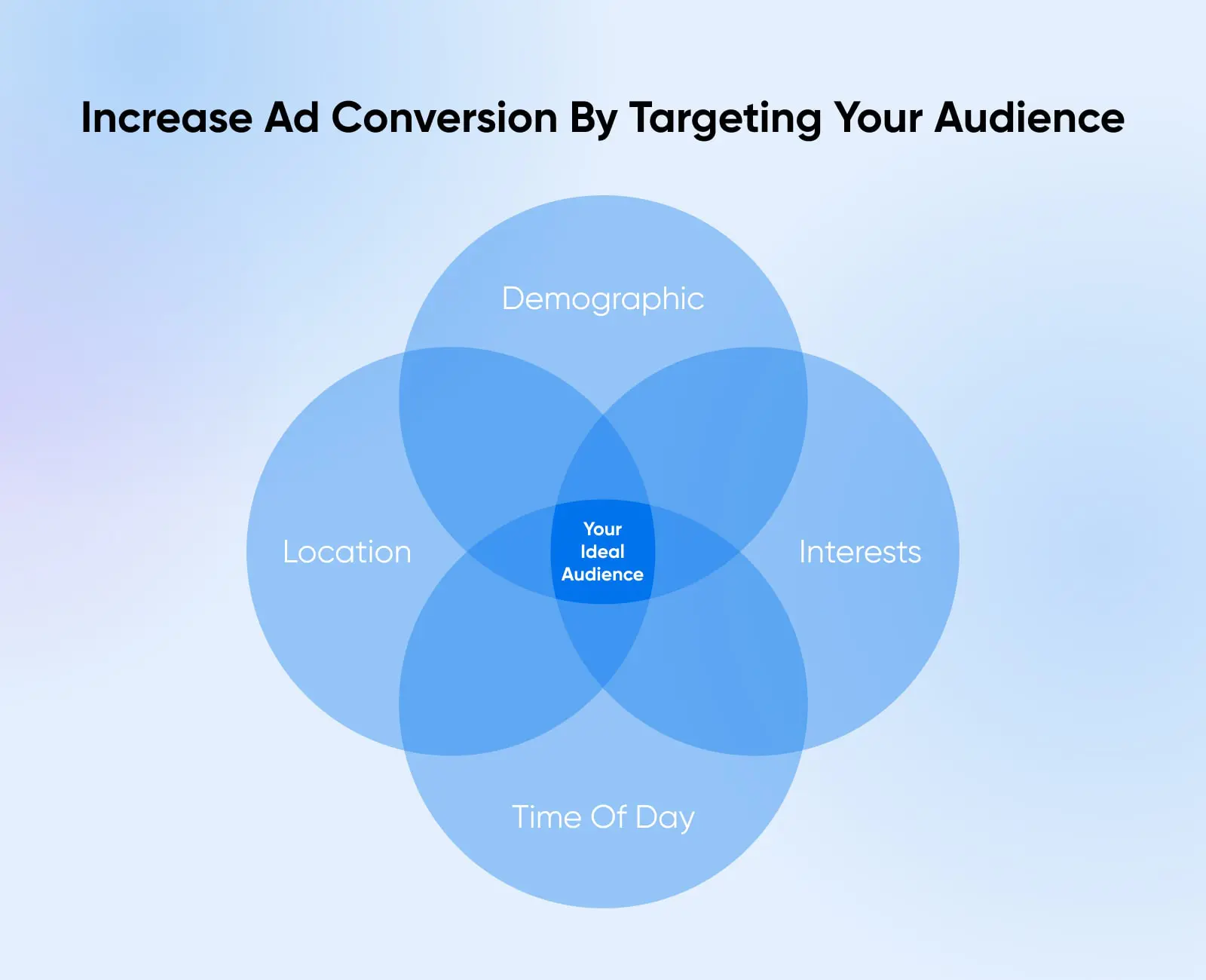
Once businesses have effectively researched keywords and crafted compelling ad copy, the next crucial step is targeting the right audience. Geographic targeting, or geotargeting, can significantly enhance the effectiveness of a PPC campaign, especially for local businesses.
Take a moment to consider a family-owned ice cream parlor in Omaha. While the shop could cast a wide net with its advertising, geographically targeted ads allow it to focus on nearby neighborhoods, ensuring that they reach potential customers who are likely to visit. Here’s how businesses can effectively utilize geographic targeting:
- Define Your Service Area: Determine the specific areas you want to target. This could include city boundaries, specific neighborhoods, or even radius targeting (e.g., within a 10-mile radius of the parlour).
- Tailor Messaging: Use location-specific language in your ads. For example, “Visit Us in Midtown Omaha for a Sweet Treat!” communicates to potential customers exactly where they can find you.
- Use Ad Scheduling: If the ice cream parlor knows peak seasons or times, such as during summer weekends or during local events, it can schedule ads accordingly. This tactic ensures ads run at the most effective times for capturing customer attention.
- Monitor Performance by Location: Analyzing conversion data by geography can reveal which neighborhoods are responding best to the ads. If certain areas see significant engagement, businesses can consider increasing ad spend targeting those locations further.
By effectively implementing geographic targeting, businesses can improve their PPC campaign relevance and cater directly to the people most likely to convert.
Utilizing Demographic Targeting
In addition to geographic targeting, demographic targeting allows businesses to reach more specific audiences based on characteristics such as age, gender, household income, and interests. This can be particularly beneficial for businesses looking to refine their approach and ensure that ads resonate with the right individuals.
Returning to our Omaha ice cream parlor example, let’s imagine they offer a range of specialty flavors appealing to both kids and adults. By demographic targeting, the parlor can tailor their advertising to reach families with young children or young adults looking for trendy dessert spots. Here are some ways to utilize demographic targeting effectively:
- Identify Key Audiences: Understand who your primary customers are. For instance, if ice cream tends to attract families more than young adults, demographics can help refine strategies to specifically appeal to those demographics.
- Utilize Behavioral Insights: Platforms like Google Ads and Facebook allow advertisers to target potential customers based on their online behavior and interests. This means that if someone frequently visits family-related websites, they could be served ads for family-oriented offers at the ice cream parlor.
- Create Audience Segments: By segmenting audiences based on demographics, businesses can tailor their messaging to different groups. For example:
- Families with children might enjoy promotions on family-sized ice cream tubs.
- Young adults could engage more with ads featuring trendy flavors or limited-time offers.
- Review and Adjust: Continuous monitoring of ad performance by demographic segments can help fine-tune targeting. If certain groups are converting better than others, resources can be reallocated to emphasize those audiences.
By combining both geographic and demographic targeting strategies, businesses can maximize their PPC campaigns, ensuring that they efficiently reach the right audience with personalized, impactful messaging. As we move forward, let’s explore how optimizing landing pages for conversions can further enhance campaign success.

Optimizing Landing Pages for Conversions
Designing User-Friendly Pages
With strong targeting strategies in place, it’s time to focus on optimizing landing pages for conversions. After all, attracting potential customers through effective PPC campaigns means nothing if they don’t convert once they land on your page. Creating user-friendly landing pages is crucial for guiding visitors toward the desired action, whether it’s making a purchase, signing up for a newsletter, or requesting more information.
Imagine the previously discussed Omaha ice cream parlor launching a new online ordering system. If customers click on their ad but are met with a confusing, cluttered webpage, they’re likely to abandon it without taking any action. Here’s how to design user-friendly landing pages that enhance the user experience:
- Keep It Simple: A clean and uncluttered design helps visitors focus on what matters. Limit distractions by using ample white space and removing any unrelated elements.
- Ensure Quick Load Times: If a landing page takes too long to load, users may leave in frustration. Optimize images, use efficient coding practices, and leverage browser caching to improve speed.
- Mobile Responsiveness: A significant portion of users will access your website from mobile devices. Ensure that your landing pages are fully responsive, meaning they adjust well to different screen sizes.
- Use Engaging Visuals: High-quality images or videos can make a big difference in capturing the user’s attention. For the ice cream parlor, showcasing vibrant images of their flavors can entice visitors.
- Logical Flow: Arrange the elements on the page to guide the visitor naturally towards their next step. This might include a brief introduction, key benefits, and then the call to action (CTA).
By implementing these design principles, businesses can create a seamless user experience that encourages visitors to engage further.
Implementing Clear Call-to-Actions
Alongside an effective design, implementing clear call-to-actions (CTAs) are essential to guiding users toward conversions. A well-crafted CTA lets visitors know precisely what they should do next and encourages quick action.
Consider the ice cream parlor’s landing page: what happens after someone browses through mouthwatering images of the various flavors? A strong, visible CTA is key. Here are some tips for creating effective CTAs:
- Make It Stand Out: Use contrasting colors and compelling fonts to ensure that your CTA button grabs attention. For example, the button could be bright yellow against a darker background, making it pop.
- Use Action-Oriented Language: Phrases like “Order Your Favorite Flavor Now” or “Grab Your Family Bundle Today” encourage urgency and excitement. The words chosen can significantly impact the click-through rate.
- Position Strategically: Place CTAs in multiple areas of the landing page. Consider including a primary CTA at the top, another after presenting benefits, and even a final nudge at the bottom.
- Test Variations: A/B testing different CTA text, colors, or placements can provide invaluable insights into what works best with your audience. Perhaps a “Get 10% Off Your First Order” button performs better than just “Order Now.”
By combining user-friendly page design with clear, appealing CTAs, businesses can significantly enhance their chances of converting clicks into valuable customer actions. With an optimized landing page, the groundwork is laid for not only attracting visitors but also transforming them into loyal customers. Now, let’s explore how monitoring performance and making adjustments can further refine these campaigns for success.

Monitoring Performance and Making Adjustments
Tracking Key Metrics
With a well-optimized landing page in place, the next step in maximizing the effectiveness of a PPC campaign is monitoring performance. Tracking key metrics allows businesses to understand how their ads are performing and whether adjustments are necessary. Without these insights, it’s challenging to know if the current strategies are effective.
Let’s circle back to our Omaha ice cream parlor. After launching their PPC campaign, they want to ensure they’re getting the desired results. Here are some essential metrics to track:
- Click-Through Rate (CTR): This metric indicates how many visitors clicked on your ad compared to how many people saw it. A high CTR suggests that the ad resonated well with your target audience, while a low CTR may indicate the need for improved ad copy or design.
- Conversion Rate: Ultimately, the main goal is to convert visitors into customers. The conversion rate shows the percentage of visitors who completed the desired action on the landing page. A high conversion rate means the landing page is effectively engaging users, while a low rate may signal a need for optimization.
- Cost Per Click (CPC): Understanding how much you’re paying for each click can help determine the cost-effectiveness of your campaign. If the CPC is higher than expected, reassessing keywords or bids may be necessary.
- Quality Score: This metric, provided by Google Ads, evaluates the relevance of your keywords, ad copy, and landing pages. A higher quality score leads to better ad placements and lower costs, making it crucial to monitor and work on.
By regularly tracking these key metrics, businesses can make informed decisions about where to focus their efforts and resources.
A/B Testing Ad Variations
Another powerful method for enhancing PPC campaign performance is A/B testing. This technique involves creating two variations of an ad (Version A and Version B) to see which performs better in terms of attracting clicks and conversions.
For instance, let’s say the ice cream parlor is unsure whether to use the CTA “Order Your Favorite Flavor Now” or “Get 10% Off Your First Order” in the ad copy. By running A/B tests, they can measure which version garners more engagement. Here are some best practices for A/B testing:
- Test One Element at a Time: To obtain clear results, focus on changing just one element at a time—be it the headline, CTA, image, or even the keyword. This way, it’s easier to attribute the performance difference to the single change.
- Determine a Clear Goal: Before beginning the test, establish what success looks like. Is it the number of clicks, conversions, or something else? Knowing the goal will help evaluate results effectively.
- Use a Representative Sample: Ensure that both ad variations are shown to similar audience segments to generate comparable data.
- Analyze Results Methodically: After the testing period, review the data thoroughly to understand which variation performed better. Use this information to inform future ad strategies and continuously refine your approach.
By incorporating A/B testing into the campaign strategy, businesses can foster ongoing improvements and optimize their advertising efforts. Together with careful monitoring of key metrics, A/B testing helps ensure that PPC campaigns remain effective and aligned with business goals.
With the groundwork of a successful PPC campaign laid out through tracking and adjustments, businesses can confidently approach their marketing efforts, knowing they are equipped to maximize their advertising potential.