

Understanding PPC Advertising
Definition of PPC
Pay-Per-Click (PPC) advertising is a digital marketing model where businesses pay a fee each time their advertisement is clicked. It’s a way of buying visits to your site rather than earning those visits organically. Essentially, advertisers bid on a keyword, and when users search for that term, their ads appear in the search engine results.
PPC is most commonly associated with search engines like Google, where advertisers can showcase their products and services prominently, often at the very top of the search results page. This visibility can dramatically increase traffic to a business’s website.
Benefits of PPC for Seattle Businesses
For businesses located in Seattle, harnessing the power of PPC can provide numerous advantages aimed at boosting visibility and sales. Here are some key benefits:
- Immediate Visibility: PPC can help businesses reach potential customers instantly. Unlike organic search optimization, which can take time, ads can start generating traffic as soon as campaigns are launched.
- Targeted Advertising: Businesses can target specific demographics based on various criteria, such as location, age, and interests. This ensures that the right audience is seeing their ads. For Seattle businesses, geotargeting can focus ads on local customers looking for nearby services.
- Cost-Effective: PPC campaigns can be tailored to fit different budgets. Since you only pay when someone clicks on your ad, it can lead to a good return on investment. Well-managed campaigns focus on high-performing keywords to maximize efficiency.
- Data-Driven Insights: Businesses have access to a wealth of data on how ads are performing. Metrics like click-through rates (CTR) help refine strategies and improve future campaigns.
In conclusion, for Seattle businesses aiming to thrive in a competitive market, understanding and implementing PPC advertising can lead to substantial growth opportunities by ensuring visibility in this digital-first world.
Setting Up a Successful PPC Campaign
Setting up a successful PPC campaign goes beyond just creating ads; it involves strategically planning each component to maximize impact. Three critical elements to focus on are keyword research, ad copy creation, and landing page optimization.
Keyword Research
Keyword research is the foundation of any PPC campaign. It involves identifying the terms and phrases potential customers are using to search for products or services like yours.
- Tools to Use: Platforms like Google Keyword Planner and SEMrush offer invaluable insights. By inputting relevant terms, you can discover search volume, competition levels, and keyword variations.
- Long-Tail Keywords: Don’t overlook long-tail keywords! For example, instead of just bidding on “coffee,” consider “best coffee shops in Seattle.” These terms typically have less competition and higher conversion rates.
Ad Copy Creation
Once you have your keywords sorted, it’s time to craft compelling ad copy. This is your chance to connect with potential customers and convince them to click.
- Attention-Grabbing Headlines: Your headline should grab attention and incorporate the targeted keyword. For example, “Discover Seattle’s Best Artisan Coffee Today!”
- Clear Call-to-Action (CTA): Encourage users to take action with phrases like “Order Now” or “Get a Free Trial.” This urgency can lead to better clicks and conversions.
Landing Page Optimization
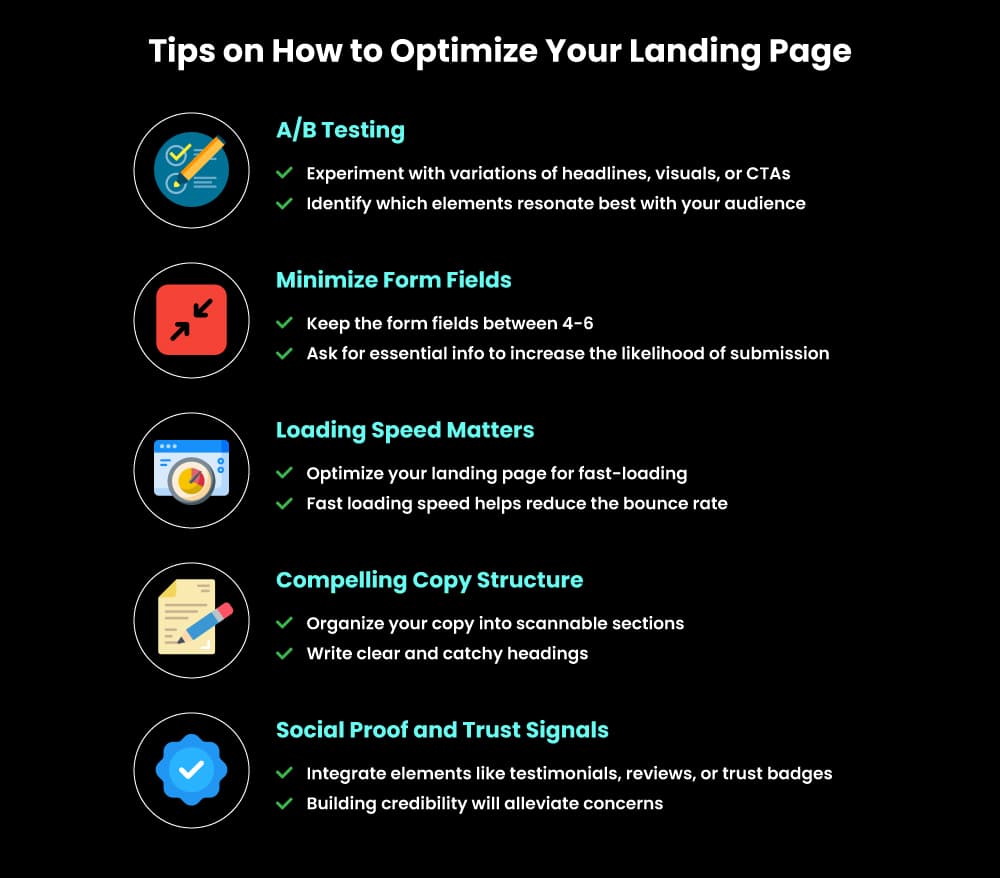
The journey from ad click to conversion continues on your landing page. Make sure it provides a seamless experience.
- Consistency is Key: Ensure the landing page aligns with your ad in terms of messaging and design. If your ad features “best local coffee,” the landing page should deliver on that promise.
- Mobile Responsiveness: With many users browsing on mobile, ensure your landing page looks great and functions smoothly on all devices.
By focusing on these key components—keyword research, ad copy creation, and landing page optimization—businesses can set the stage for a successful PPC campaign that not only attracts visitors but also converts them into loyal customers.

Targeting the Right Audience
After establishing an effective PPC campaign, targeting the right audience can truly elevate its success. Understanding and reaching out to potential customers is paramount, especially in a bustling market like Seattle. The key aspects to consider are geotargeting and audience segmentation strategies.
Geotargeting in Seattle
Geotargeting allows businesses to tailor their PPC ads to specific locations, ensuring that they reach consumers in the desired geography. In a city filled with various neighborhoods, it is especially crucial for Seattle businesses to leverage this feature.
- Enhancing Local Reach: For instance, a coffee shop located in Ballard can use geotargeting to reach residents or visitors in the surrounding areas, making it far more likely to attract foot traffic.
- Customized Offers: Businesses can create localized ads featuring promotions specific to certain Seattle neighborhoods. “Enjoy a 20% discount at our South Lake Union site this weekend!” can effectively draw in customers from that area.
Audience Segmentation Strategies
Beyond geotargeting, audience segmentation further refines your reach by dividing your audience into specific groups based on their behaviors, interests, and demographics.
- Demographic Segmentation: Companies can tailor messages to different age groups, ensuring that ads resonate with each segment. For example, a luxury spa might target middle-aged professionals, while a trendy café could focus on younger audiences.
- Behavioral Segmentation: Analyze past purchase behavior or website interactions to create unique offers that appeal to users’ interests. If a customer frequently shops for outdoor gear, ads featuring hiking equipment or outdoor classes are more likely to attract their attention.
By effectively combining geotargeting with audience segmentation strategies, Seattle businesses can ensure their PPC campaigns are both targeted and relevant. This tailored approach increases the likelihood of click-throughs and conversions, landing them right into the hands of the customers they want to reach.
Optimizing PPC Campaigns for Conversions
To truly harness the power of PPC advertising, businesses must prioritize optimizing their campaigns for conversions. This process involves continuous testing and analysis to ensure that every dollar spent leads to tangible results. Two key strategies in this optimization process are A/B testing for ad performance and comprehensive conversion tracking and analysis.
A/B Testing for Ad Performance
A/B testing, or split testing, is a method where two versions of an ad are compared to determine which one performs better. This process can significantly impact conversion rates.
- Creating Variants: For example, you might create two versions of a Google ad—one with a simple call-to-action like “Shop Now” and another with a more enticing line, “Transform Your Home Today.”
- Evaluating Performance: By monitoring metrics such as click-through rates and conversion rates over a set period, businesses can gain insights into what resonates more with their audience.
- Iterative Improvements: Once the best-performing ad is identified, companies can then use it as a baseline for further A/B testing, continuously refining ad content to enhance performance.
Conversion Tracking and Analysis
Implementing conversion tracking is crucial for understanding the effectiveness of your PPC campaigns. This process involves setting up tools to see what happens after a user clicks on your ad.
- Setting Goals: Define what a “conversion” means for your business. Is it a completed purchase, a sign-up, or a downloaded resource? Set clear goals in Google Analytics or other tracking tools.
- Analysis for Insights: By analyzing data, you can identify trends—are most conversions coming from mobile users, or are specific keywords driving sales? This information allows you to adjust bidding strategies and ad placements accordingly.
- Continuous Refinement: This ongoing analysis helps in making informed decisions about where to allocate budget and resources for the best return on investment.
In conclusion, A/B testing and robust conversion tracking not only optimize PPC campaigns but also foster a deeper understanding of customer behavior. This approach allows businesses in Seattle and beyond to maximize their advertising efforts, ensuring that each campaign effectively converts clicks into loyal customers.
Budgeting and Bidding Strategies
As businesses fine-tune their PPC campaigns, effective budgeting and bidding strategies emerge as crucial components for maximizing returns. Understanding how to allocate resources wisely can have significant ramifications on the success of advertising efforts.
Setting a PPC Budget
The first step in a successful PPC strategy is establishing a clear budget. Here’s how to approach it:
- Determine Your Goals: Define specific, measurable goals for your PPC campaign. Whether aiming for website traffic, lead generation, or sales, knowing what you want will help shape your budget.
- Consider Past Performance: If the business has run PPC campaigns before, analyze previous data to determine average cost-per-click (CPC) and conversion rates. This will provide insights into what budget may be necessary moving forward.
- Daily vs. Monthly Budget: You can set either a daily budget, ensuring consistent spending, or a monthly budget, which gives more flexibility in campaign management. For example, a coffee shop might allocate $500 monthly to maximize visibility during weekends.
- Be Flexible: Markets fluctuate, and so might your budget needs. If a campaign is driving excellent results, don’t hesitate to increase your budget to capitalize on that momentum.
Understanding Bidding Strategies
Once the budget is set, the next aspect to consider is how to approach bidding. Different strategies can cater to unique business goals.
- Manual Bidding: This option gives you full control over individual keyword bids. This is great for businesses that understand their performance metrics deeply. Imagine a local bakery adjusting bids on high-performing keywords like “fresh pastries” to enhance visibility.
- Automated Bidding: Google offers several automated bidding strategies that optimize bids based on the desired outcome, whether that’s maximizing clicks or target cost-per-acquisition. This can be a game-changer for businesses seeking efficiency without constant manual adjustments.
- Bid Adjustments: Adjust your bids based on factors such as device, location, or time of day. For instance, if data shows that weekends yield higher conversions, increase bids during those peak times to maximize traffic.
By proficiently setting a PPC budget and strategically selecting bidding options, businesses can pave the way for successful campaigns that resonate strongly with their target audience. It allows companies to invest thoughtfully, ensuring that they capitalize on valuable opportunities in the dynamic digital advertising landscape.

Monitoring and Analytics
Once the PPC campaign is up and running, monitoring and analytics play a vital role in determining its effectiveness. Tracking the right metrics and utilizing the right tools ensures businesses can make informed decisions to optimize their advertising strategies continually.
PPC Metrics to Track
To evaluate the success of your PPC campaigns, several key metrics should be monitored regularly:
- Click-Through Rate (CTR): This metric shows the percentage of users who clicked on your ad after seeing it. A high CTR indicates that the ad is relevant and appealing to your target audience. For example, an ad with a 5% CTR outperforms one with 1%.
- Conversion Rate: This measures the percentage of clicks that result in a desired action, such as a purchase or signup. A low conversion rate may indicate that the landing page isn’t aligned with user expectations set by the ad.
- Cost Per Acquisition (CPA): This metric reveals how much you spend on average to acquire a customer. Understanding CPA helps businesses gauge the overall profitability of their PPC efforts.
- Return on Ad Spend (ROAS): This measures the revenue generated for every dollar spent on ads. A positive ROAS indicates a successful campaign. For instance, if you earned $5 for every dollar spent, that’s a great return.
Tools for PPC Campaign Monitoring
With various metrics to track, having the right tools at your disposal can make monitoring PPC campaigns more manageable.
- Google Ads: This platform provides comprehensive reporting features, allowing users to track clicks, conversions, and spend easily.
- Google Analytics: Pairing Google Ads with Google Analytics offers even deeper insights into user behavior after clicking through your ads. This could help identify which channels drive the most conversions.
- SEMrush or Ahrefs: These tools can track keyword rankings, competitor insights, and ad performance, enabling businesses to fine-tune their strategies based on market trends.
- Tableau: For those who love data visualization, integrating Tableau can provide an advanced visual analysis of PPC performance, making it easier to spot trends and outliers.
In conclusion, diligently monitoring PPC metrics and leveraging the right tools transforms data into actionable insights. This adaptive approach not only enhances campaign performance but also ensures that businesses stay competitive in a fast-evolving digital landscape.
Adapting to Changes in the Seattle Market
In the competitive landscape of PPC advertising, particularly in a dynamic city like Seattle, successfully navigating changes in the market is essential. Businesses must be prepared to adapt their strategies with seasonal campaign adjustments and concise competitor analysis.
Seasonal Campaign Adjustments
Seasonality can significantly impact consumer behavior and demand, making it crucial for businesses to adjust their PPC campaigns accordingly.
- Targeting Seasonal Keywords: Take the time to identify keywords that gain traction during specific seasons. For example, a local outdoor gear retailer might focus on keywords like “hiking gear” in the spring and “ski equipment” in the winter.
- Leveraging Local Events: Seattle hosts numerous events throughout the year, such as the Seattle International Film Festival or the Seattle Folk Festival. Tailor your ads to coincide with these occasions, incorporating relevant messaging and promotions. For instance, a restaurant could run a campaign offering discounts to festival-goers, maximizing visibility during these busy times.
- Adjusting Budgets: Allocate your budget based on seasonal trends. If data shows that holiday-related ads drive higher traffic, consider increasing your budget for that period to capture the influx of potential customers.
Competitor Analysis and Response
Keeping an eye on the competition is just as essential as seasonal adjustments. Understanding what competitors are doing can provide insight and inform strategic decisions.
- Regular Monitoring: Use tools like SEMrush to analyze competitors’ keyword strategies, ad copies, and landing pages. This helps identify gaps in your campaign that could be improved.
- Identifying Differentiation: Look for ways to differentiate your brand. For example, if competitors focus heavily on price, consider highlighting unique selling points—such as better service or eco-friendly products—within your PPC ads.
- Responsive Strategies: Be prepared to pivot your campaigns quickly based on competitive moves. If a competitor lowers their price, assess whether to follow suit, promote added value, or introduce exclusive offers to retain your customer base.
In summary, adapting to the ever-changing Seattle market requires businesses to stay agile with seasonal campaign adjustments and vigilant with competitor analysis. By being proactive in these areas, companies can seize opportunities, maximize their PPC investments, and maintain a competitive edge in a vibrant and evolving marketplace.